 English
 Español
 中文
News
Home / News / Industry News / how long do copper press fittings last: Practical Applications, Selection, Performance
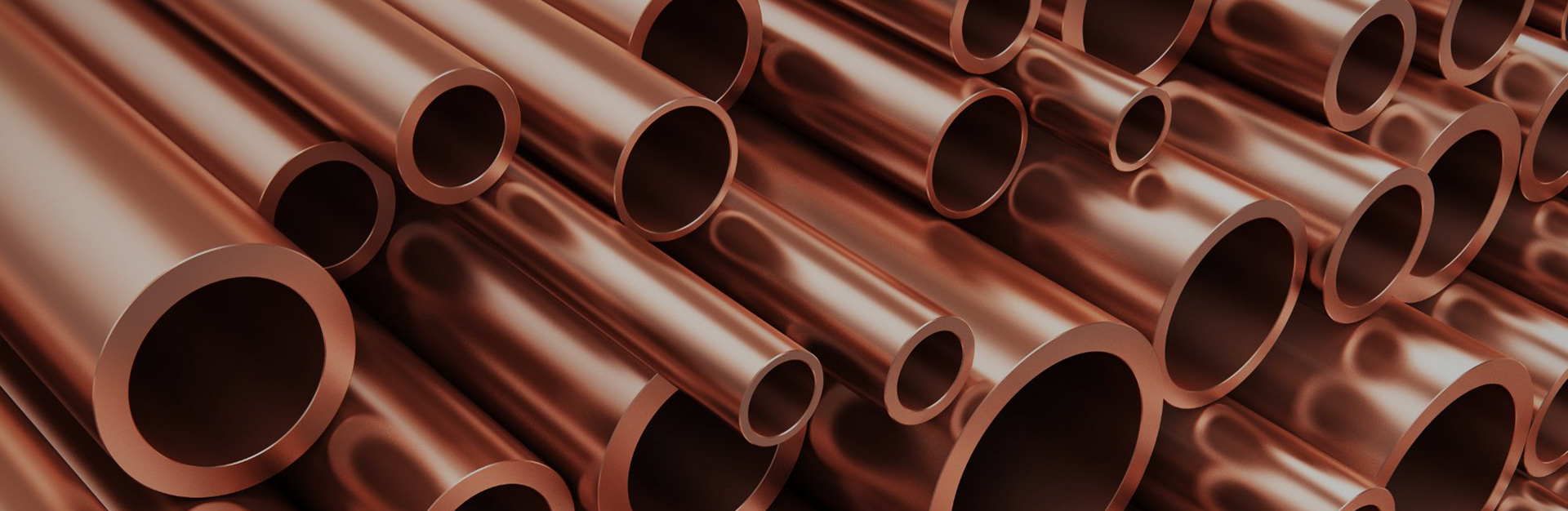
If you're comparing joining methods for a copper water line, you've probably heard that press fittings are fast, clean, and dependable. The next question is usually: how long do copper press fittings last? The honest answer is that a properly installed press fitting is designed to perform for decades, often 25 to 50 years or more. But that range depends on several factors, including tube quality, water chemistry, and how carefully the joint is pressed.
Press fittings are copper connector bodies with a built-in elastomeric seal, usually EPDM. Instead of heating the joint with a torch, the installer inserts the copper tube to the marked depth and compresses the fitting with a calibrated press tool. The result is a mechanical joint that stays leak-tight without solder, flux, or open flame. The copper body gives the system the durability plumbers expect from copper, while the elastomer seal is the component that governs long-term service life.
They are especially popular in renovation work because there is no open flame, which makes the process safer in tight spaces. Press connections are also easy to inspect visually, since the tool leaves a clear indentation on the fitting body after the press is completed.
Under normal conditions, the service life of a copper press fitting is 25 to 50 years. Some manufacturers back that expectation with warranty programs, and many professional installers treat the fitting as part of a long-life copper system. The fitting body, when made from quality copper material, can last as long as the copper tube itself. The seal is usually the first component to age.
| Component | Typical Lifespan | Key Considerations |
|---|---|---|
| Copper fitting body | 50+ years | Expected to behave like quality copper tube |
| EPDM sealing element | 25-50 years | Sensitive to temperature, chlorine, and water chemistry |
| Press connection | 25-50 years | Depends on correct tooling and full-depth insertion |
| Complete assembly | 25-50 years | Often aligned with system warranty expectations |
This doesn't mean every press fitting will need replacement at 50 years. In well-maintained systems, the copper body and connection can remain functional far longer. The 50-year mark is often a practical planning interval rather than a hard expiration date. The useful life of the system is really the life of the weakest component, and that's usually the O-ring.
Not every press installation reaches the same age. The main variables are:
The most common cause of premature press fitting failure is not a defective fitting; it's an incomplete press. Each fitting has a clear insertion mark, and each size uses a specific jaw. If the tool is not fully pressed, the joint may pass a pressure test yet develop a slow leak later.
Copper is naturally corrosion-resistant, but aggressive water can challenge it. Soft, acidic water with a pH below 6.5 can gradually erode the tube. Chlorine, while common in treated water, is harder on the elastomer than on copper. If your water supply sits outside the normal range, the fitting may not deliver its full expected life.
Press fittings are rated for standard plumbing pressures and temperatures. Occasional pressure spikes are normally absorbed by the system, but frequent water hammer, thermal expansion, or exposure to freezing temperatures can shorten the life of the connection. Keeping lines properly supported and protected is part of making them last.
At our factory, we've spent more than three decades working with copper tube, and the material behind the joint still receives the most attention during our production checks. The tube inside a press fitting is not just a passive pipe. Its surface finish, roundness, and temper influence how the seal seats. If the tube has surface scratches, rough cut ends, or inconsistent wall thickness, the press may not form a uniform grip.
Phosphorus-deoxidized copper such as DHP is widely used in plumbing and heating systems because it resists corrosion while remaining easy to form. In our experience, tube with a clean surface and controlled hardness is easier to press and more predictable over time. Choosing corrosion-resistant copper tube for the entire line gives the system a more even service life.
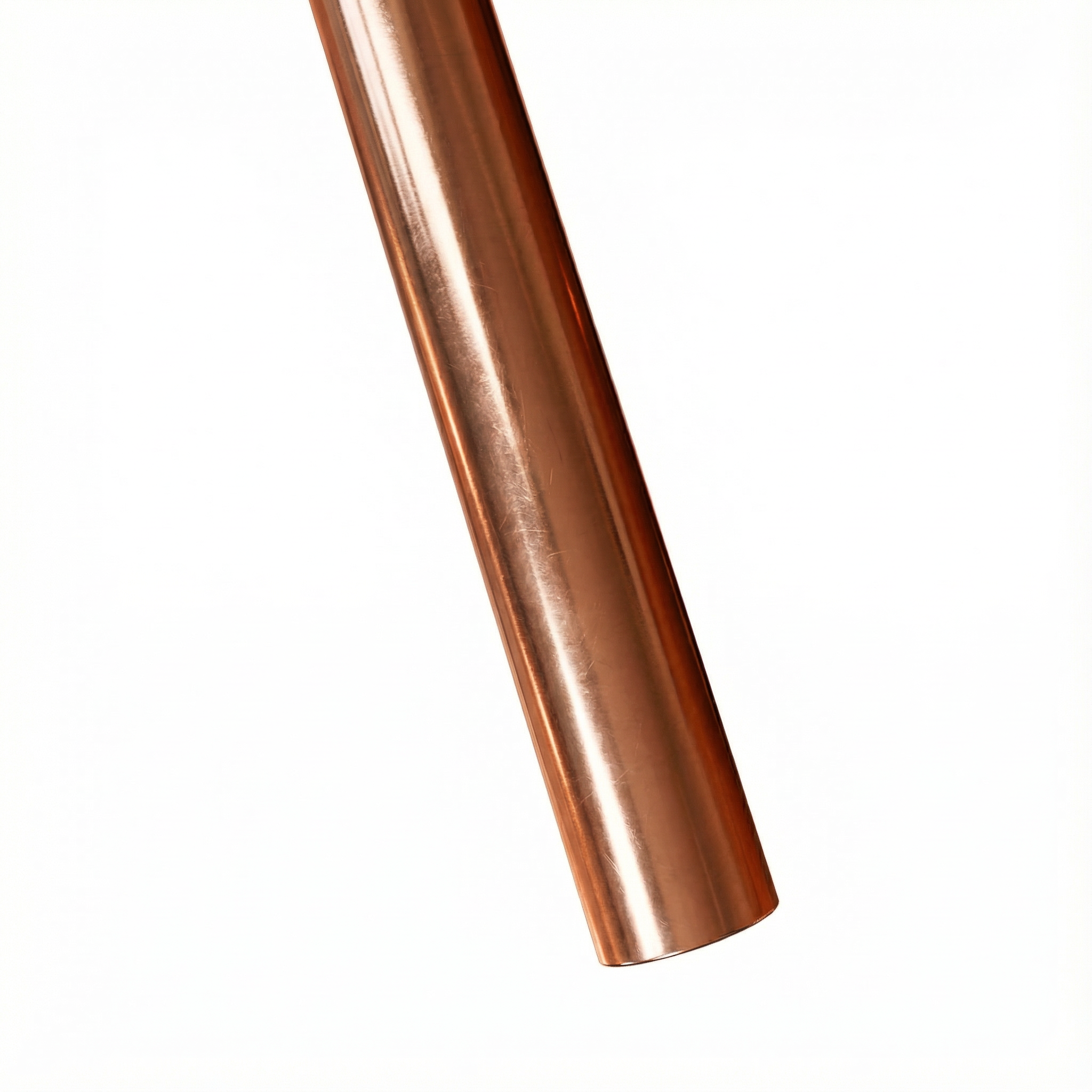 Corrosion-Resistant Phosphorus Deoxidized Copper TubeA corrosion-resistant DHP copper tube with good weldability and cold-bending performance, ideal for press-fit plumbing and refrigeration lines requiring predictable joint reliability.View Product →
Copper press fittings are designed to work with copper tube that meets established dimensional standards. For plumbing systems, Type L and Type M copper tube are common choices, depending on pressure requirements and local codes. For refrigeration and air-conditioning lines, the tube needs to be clean, dehydrated, and sealed. The better the tube quality, the more predictable the press connection.
Some buyers focus only on the fitting, but the tube is the longer part of the system. That is why direct-factory copper tubes with controlled tolerances are worth considering on larger projects. Copper water tube that is straight, round, and free of handling damage makes the press process more consistent and reduces the chance of a leak appearing years later.
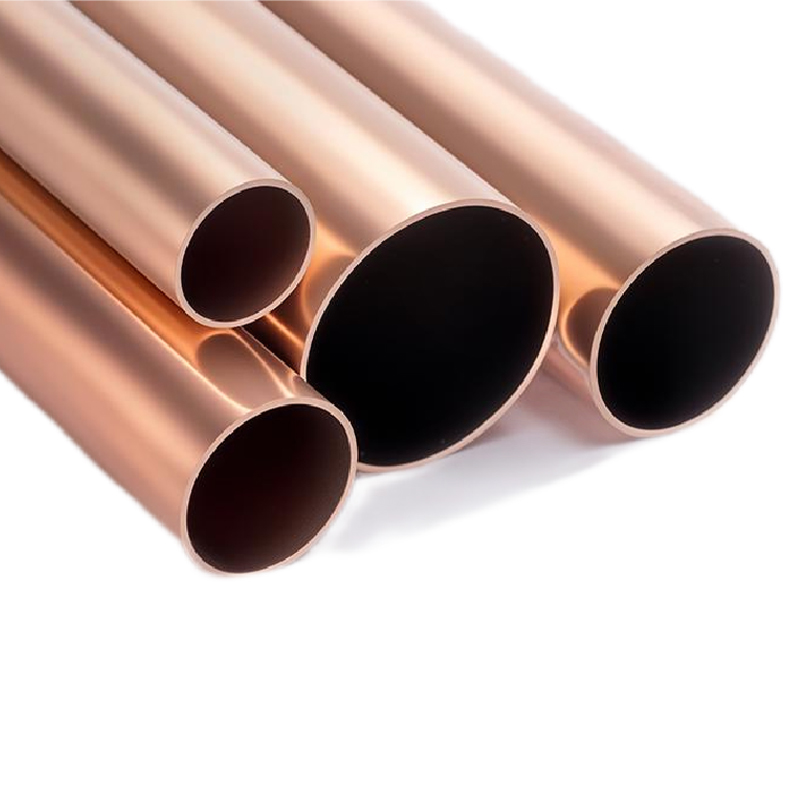 Antibacterial Copper Water Tube for Press-Fit SystemsThis copper tube combines corrosion resistance with natural antibacterial properties and a 100-year lifespan, ideal for reliable press connections in water systems.View Product →
Material standards also matter. Copper tube made to recognized standards such as ASTM B280 or EN 12735 starts with a tighter dimensional and cleanliness profile. When the tube and fitting are both built to a similar standard, the joint behaves more predictably over its service life.
Copper press fittings rarely fail without warning. If you notice any of the following, it's worth having a professional take a look:
Accessible joints should be inspected now and then, especially in the first year after installation. A tiny leak in a press system is almost always a sign of an installation or material problem, not normal aging.
Copper press fittings are not a temporary shortcut. With proper installation, compatible materials, and well-controlled water conditions, they can comfortably serve for 25 to 50 years, and often much longer. The two factors that matter most are the quality of the copper tube and the quality of the press connection. When both are handled correctly, a press system is one of the most dependable joining methods available.
Conventional silver-copper alloy typically contain 0.06%-0.12% silver. The addition of silver significantly improves the softening temperature and cre...
See Details
Ultra-fine copper tube with an outer diameter of <5mm are high-precision, high-value-added copper tube products. With an outer diameter less than 5...
See Details
Cold-rolled/cold-drawn silver-copper tube are a high-precision copper tubing material manufactured using advanced cold-working processes, resulting in...
See Details
Corrosion-resistant phosphorus deoxidized copper tube (grades TP1/TP2 (more commonly used)) are manufactured using a phosphorus deoxidation process, w...
See Details
Extra-large diameter copper tube with an outer diameter > 54mm (outer diameter > 54mm, customizable up to 100mm) are mostly customized products ...
See Details
Large copper tube with an outer diameter of 28-54mm possess excellent pressure resistance and a stable structure, specifically designed for high-load,...
See Details
 Tangpu Industrial Zone, Shangyu District, Shaoxing City, Zhejiang Province, China
 +86-13567501345
© Zhejiang Jingliang Copper-Tube Products Co., Ltd All rights reserved.

