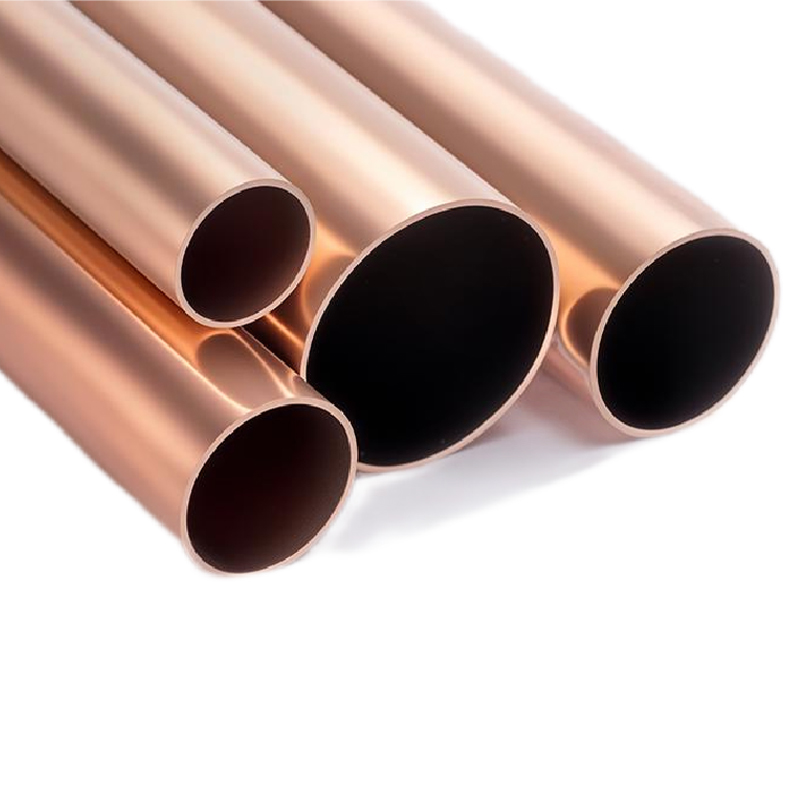
Copper tubes are the "blood vessels" of the refrigeration system, mainly used in condensers, evaporators and connecting pipelines. Its high thermal conductivity (with a thermal conductivity coefficient of approximately 400 W/m·K) enables rapid heat transfer, enhancing the energy efficiency ratio of air conditioners and refrigerators. The promotion of environmentally friendly refrigerants such as R410A has further driven the development of copper tubes towards high pressure resistance, thin-walled and lightweight. Industry standards such as ASTM B280 (Copper Tubes for Air Conditioning) have strict regulations on indicators such as cleanliness and tensile strength to avoid refrigerant leakage and system blockage.
How do the mechanical properties of extra-large diameter copper tubes with an outer diameter > 54mm compare to those of ordinary copper tubes?
Extra-large diameter copper tubes with an outer diameter > 54mm exhibit significant differences in mechanical properties compared to conventional copper tubes. Due to their larger outer diameter and thicker walls, extra-large diameter copper tubes typically face more mechanical challenges. During the design and manufacturing process, these tubes must meet higher requirements for load-bearing capacity, pressure resistance, and deformation resistance, while maintaining their characteristics as excellent heat and electrical conductors.
Strength and Pressure Resistance
Ordinary copper tubes are generally used in low-pressure environments, such as air conditioning, cooling systems, and small heat exchangers. Extra-large diameter copper tubes, however, are typically used in applications requiring higher pressure resistance, such as oil and gas transportation, high-pressure heat exchange systems, and hydraulic systems. The thick-walled design of extra-large diameter copper tubes significantly increases their pressure resistance, allowing them to withstand higher internal pressures. To accommodate these applications, extra-large diameter copper tubes often utilize higher-strength copper alloys or undergo specific heat treatments during manufacturing to improve material strength and pressure resistance.
Compared to ordinary copper tubes, the increased wall thickness of extra-large diameter copper tubes results in greater tensile strength and compressive strength when subjected to the same internal pressure. However, this also presents some challenges, particularly in the design and manufacturing process, where it is crucial to ensure that the copper tube maintains a uniform wall thickness and internal structure, avoiding areas of stress concentration to prevent pipe rupture or failure.
Rigidity and Bending Resistance
Extra-large diameter copper tubes possess higher rigidity, allowing them to exhibit greater resistance to deformation when subjected to external loads or bending. Due to their larger outer diameter and thicker walls, the moment of inertia of extra-large diameter copper tubes increases, resulting in less deformation during bending and torsion. This means that extra-large diameter copper tubes can better maintain their shape, providing higher structural stability in applications.
However, extra-large diameter copper tubes also face higher bending stresses, requiring special attention to the bending radius and support structure during design. Extra-large diameter copper pipes typically require special support and installation methods to ensure they do not experience excessive bending or deformation during construction and use.
Thermal Conductivity and Electrical Conductivity
Copper, as an excellent thermal and electrical conductor, holds an irreplaceable position in many applications. However, as the outer diameter increases, the thermal and electrical conductivity of copper pipes generally decreases. This is because the thermal and electrical conductivity of copper pipes depends not only on the basic properties of copper but also on the surface area and wall thickness of the pipe. In extra-large diameter copper pipes, due to the relatively smaller inner and outer surface areas of the thick-walled pipes, the overall heat transfer and current conduction effects are weaker than those of conventional copper pipes.
Although the thermal and electrical conductivity of extra-large diameter copper pipes is lower than that of ordinary copper pipes, through precise alloy design and optimized processing techniques, sufficient thermal and electrical conductivity can still be ensured in specific high-pressure or high-temperature applications. This allows extra-large diameter copper pipes to still be widely used in the power, heat exchange, and refrigeration industries.
Ductility and Plasticity
Because extra-large diameter copper pipes usually require greater wall thickness to increase strength and pressure resistance, their ductility and plasticity are somewhat poorer than those of ordinary copper pipes. The smaller size of ordinary copper pipes gives them better plasticity during processing, making them easier to bend, stretch, and connect. However, as the outer diameter and wall thickness increase, the ductility of the copper pipe is limited. Therefore, during processing, heat treatment processes such as annealing may be required to improve the plasticity of the copper pipe to ensure that it does not crack or deform easily during subsequent processing.
For extra-large diameter copper pipes, stricter control of their ductility and toughness is required in practical applications, especially in areas requiring large deformations, such as hydraulic system piping and large heat exchangers. These areas have high requirements for the plasticity of copper pipes, so high-temperature annealing is usually required during the manufacturing of extra-large diameter copper pipes to optimize the ductility and toughness of the material.
What are the differences in forming technology between producing extra-large diameter copper tubes with an outer diameter > 54mm and conventional copper tubes?
The production of extra-large diameter copper tubes with an outer diameter > 54mm differs significantly from the production of conventional copper tubes in terms of forming technology. Manufacturing extra-large diameter copper tubes with an outer diameter > 54mm involves higher technical requirements, specialized equipment support, and more precise process control.
Differences between Extrusion and Conventional Drawing Methods
Conventional copper tubes are typically produced using a drawing process. In this process, the copper tube blank is drawn through a die, gradually reducing its size through a series of dies until the desired diameter and wall thickness are achieved. This process is suitable for producing small and medium-diameter copper tubes, offering high production efficiency and good dimensional control.
However, for extra-large diameter copper tubes with an outer diameter > 54mm, the conventional drawing process is difficult to meet production requirements. To produce extra-large diameter copper tubes with an outer diameter > 54mm, the extrusion process is typically used. The extrusion process involves heating the copper blank to a certain temperature and then compressing it in a die, forcing the copper material through the die opening to form a large-diameter tube. This process ensures that the copper tube has high strength, uniform wall thickness, and good surface quality during the forming process.
The advantage of the extrusion process is that it can produce copper tubes with larger outer diameters and thicker walls while maintaining high processing accuracy. However, because the extrusion process requires more sophisticated equipment, the die design and control accuracy during production must be particularly careful to ensure product quality.
Differences in Pressure and Equipment Requirements
Due to the larger extrusion force required for extra-large diameter copper tubes with an outer diameter > 54mm, the equipment needed for production must be more powerful. Compared to the drawing equipment for conventional copper tubes, the extrusion press for extra-large diameter copper tubes with an outer diameter > 54mm requires greater power and a more precise pressure control system. Furthermore, when producing extra-large diameter copper tubes with an outer diameter > 54mm, the die design needs to carefully consider the wall thickness and outer diameter control of the tube to prevent uneven compression or unnecessary deformation during the extrusion process. The process requirements for conventional copper tube production equipment are relatively low, and the production lines are simpler. However, the equipment for producing extra-large diameter copper tubes with an outer diameter > 54mm typically requires more complex control systems to ensure the precision of each process step. These devices can not only handle larger copper billets but also maintain stable parameters such as temperature, pressure, and drawing speed during the forming process, thus ensuring the mechanical properties and dimensional accuracy of the copper tubes.
Differences in Heat Treatment and Cooling during the Manufacturing Process
For extra-large diameter copper tubes with an outer diameter > 54mm, the control of heat treatment and cooling processes is equally important, in addition to the extrusion process itself. Due to the larger outer diameter and thicker wall requirements of these copper tubes, the cooling process requires special attention to temperature control to prevent deformation or dimensional deviations caused by uneven cooling. During production, extra-large diameter copper tubes with an outer diameter > 54mm usually undergo multiple heat treatments (such as annealing) to adjust the internal structure of the material and improve its ductility and toughness.
Compared with conventional copper tubes, the heat treatment process for extra-large diameter copper tubes with an outer diameter > 54mm is usually more complex, requiring annealing at higher temperatures and precise control of cooling speed and temperature to ensure that the final product performance meets technical requirements.
Surface Quality and Defect Control
Extra-large diameter copper tubes with an outer diameter > 54mm have higher surface quality requirements. Because the manufacturing process of larger diameter tubes involves greater pressure and higher temperatures, surface defects such as scratches, bubbles, and dents are more likely to occur. Therefore, in addition to mold design and equipment requirements, it is necessary to strengthen the detection and control of surface quality during the production process to ensure that the final product meets high standards of surface finish and is free of defects.
How to control the dimensional accuracy of extra-large diameter copper tubes with an outer diameter > 54mm to ensure the final product meets customer requirements?
Controlling the dimensional accuracy of extra-large diameter copper tubes with an outer diameter > 54mm is crucial, especially when dealing with complex applications requiring high strength, pressure resistance, and high reliability, such as heat exchangers and hydraulic systems. To ensure that the final product meets stringent customer quality requirements, Zhejiang Jingliang Copper-Tube Products Co., Ltd. employs a series of precision control and advanced technologies in its production process, guaranteeing high accuracy and superior performance of the copper tubes.
High-Precision Measurement and Real-Time Monitoring Technology
Zhejiang Jingliang Copper-Tube Products Co., Ltd. strictly controls key dimensions such as outer diameter, inner diameter, and wall thickness during the production process by integrating advanced measurement equipment and real-time monitoring systems. The company is equipped with high-precision laser rangefinders and automated image inspection systems, which can perform real-time online inspection of each copper tube, promptly detecting dimensional deviations. This efficient inspection system ensures the dimensional consistency of each batch of copper tubes, meeting customers' stringent requirements for dimensional accuracy.
In the production of extra-large diameter copper tubes with an outer diameter > 54mm, if dimensional accuracy errors are not detected and corrected in time, it may lead to decreased performance or structural failure of the entire piping system. Therefore, Zhejiang Jingliang Copper-Tube Products Co., Ltd. consistently insists on real-time data acquisition and automated analysis during the production process, continuously optimizing the production process to ensure that every copper tube meets strict quality standards.
Precision Mold Design and Strict Production Process
Zhejiang Jingliang Copper-Tube Products Co., Ltd. utilizes precision mold design and customized production processes to ensure that every parameter of the copper tube meets accuracy requirements. Especially in the production of extra-large diameter copper tubes with an outer diameter > 54mm, mold design becomes particularly important. The company has a professional R&D team capable of designing and manufacturing high-precision production molds according to specific customer requirements. By rationally designing the mold size, material, and shape, it is possible to ensure that the copper tube achieves the required outer diameter, inner diameter, and wall thickness during the extrusion or rolling process, and avoid dimensional deviations caused by mold errors. Zhejiang Jingliang Copper-Tube Products Co., Ltd. also utilizes precise tube sizing technology and an efficient cooling control system to ensure that the copper tubes are subjected to uniform stress during high-temperature processing, thereby further stabilizing the dimensions of the copper tubes.
Refined Temperature Control and Cooling System
When producing extra-large diameter copper tubes with an outer diameter > 54mm, the heat treatment and cooling process of the copper tubes have a significant impact on dimensional accuracy. After the copper tubes are extruded or rolled at high temperatures, uneven cooling may cause shrinkage or deformation during the cooling process, thus affecting the dimensional accuracy of the final product. To ensure the high precision of each copper tube, Zhejiang Jingliang Copper-Tube Products Co., Ltd. employs an intelligent temperature control and cooling system in its production process.
This system uses automated temperature control devices to precisely control the temperature changes of the copper tubes during processing and performs differentiated cooling based on the material and thickness of the copper tubes. Through a reasonable cooling rate and uniform temperature distribution, it effectively avoids dimensional deviations caused by uneven cooling. At the same time, the cooling process effectively controls the stress on the copper tubes, reduces deformation, and ensures the structural stability and dimensional accuracy of the copper tubes.
Post-processing and Finishing Process
Despite the use of precision control technology during production, surface treatment and finishing of extra-large diameter copper tubes with an outer diameter > 54mm remain crucial. Zhejiang Jingliang Copper-Tube Products Co., Ltd. employs advanced post-processing techniques, such as deburring, polishing, and straightening, to further improve the dimensional accuracy of the copper tubes. After processing, the surface of the copper tubes may have a small amount of burrs or irregular shapes, which need to be removed through finishing processes to ensure that the final surface finish and dimensions of the copper tubes meet customer requirements.
The company has a complete quality inspection system, including static and dynamic testing equipment, and uses non-destructive testing (NDT) technology to ensure that each copper tube is free of surface and internal defects. At the same time, the finished and deburred copper tubes have a more refined appearance, and their dimensional accuracy is further improved.
Strict Quality Control and Testing Procedures
During the production process, Zhejiang Jingliang Copper-Tube Products Co., Ltd. implements a comprehensive quality management system, with strict control at every stage and equipped with advanced quality testing equipment. To ensure that every extra-large diameter copper tube with an outer diameter > 54mm meets design standards, Zhejiang Jingliang Copper-Tube Products Co., Ltd. maintains detailed records and conducts inspections at every production stage, ensuring that the product undergoes rigorous final testing after production. Specifically, quality testing includes not only conventional measurements of outer diameter, inner diameter, and wall thickness, but also testing of the copper tube's mechanical properties, thermal conductivity, and electrical conductivity to ensure its reliability in practical applications.
To meet the needs of different customers, Zhejiang Jingliang Copper-Tube Products Co., Ltd. also provides personalized customization services, ensuring that the specifications, materials, and dimensions of each copper tube fully meet the customer's project requirements.
Rich Production Experience and Technological Accumulation
Since its establishment in 1994, Zhejiang Jingliang Copper-Tube Products Co., Ltd., with over thirty years of profound experience in the copper tube industry, has developed a mature production process and quality assurance system. The company has not only achieved significant success in the domestic market but has also gradually expanded into the international market, winning widespread trust and praise from customers. Zhejiang Jingliang Copper-Tube Products Co., Ltd.'s production experience and technological accumulation provide strong guarantees for the quality of its extra-large diameter copper tubes with an outer diameter > 54mm, especially in the field of extra-large diameter copper tubes, where its refined processes and strict quality control have met the needs of multiple industries for high-precision copper tubes.
Through advanced technical support and a comprehensive service system, Zhejiang Jingliang Copper-Tube Products Co., Ltd. is always committed to providing high-quality copper tube products to ensure the satisfaction of every customer.

 English
 Español
 中文
中文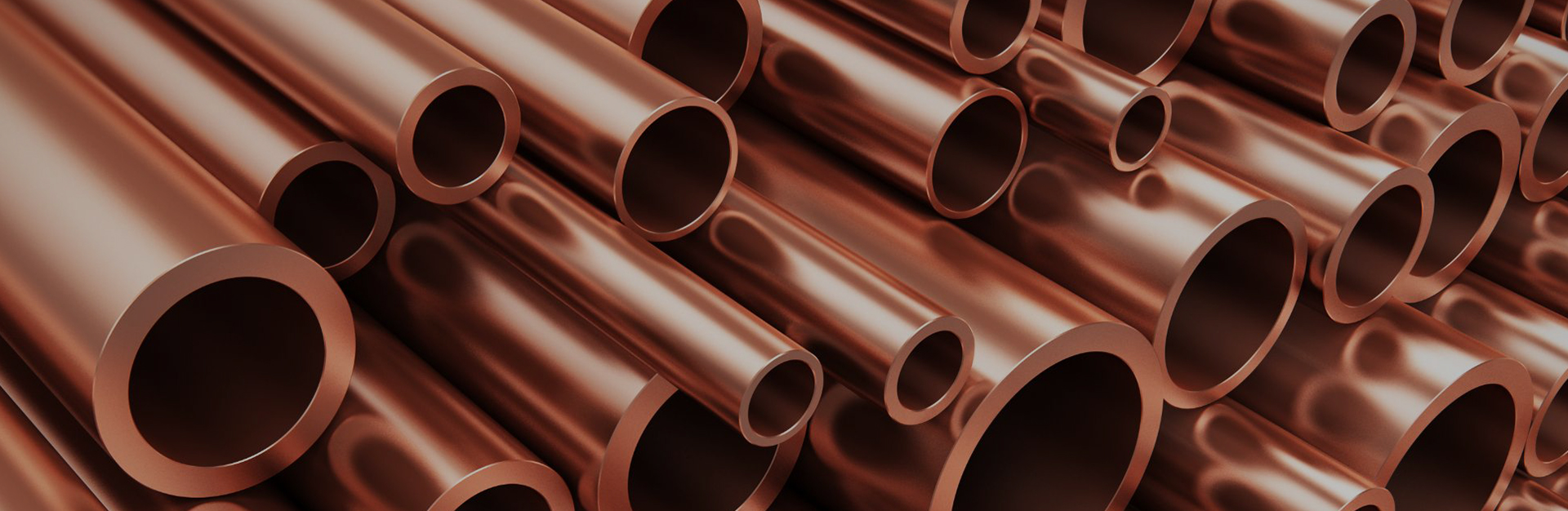
 Tangpu Industrial Zone, Shangyu District, Shaoxing City, Zhejiang Province, China
 +86-13567501345
