 English
 Español
 中文
News
Home / News / Industry News / How to Add a Tee to Existing Copper Pipe: A Practical Step-by-Step Guide
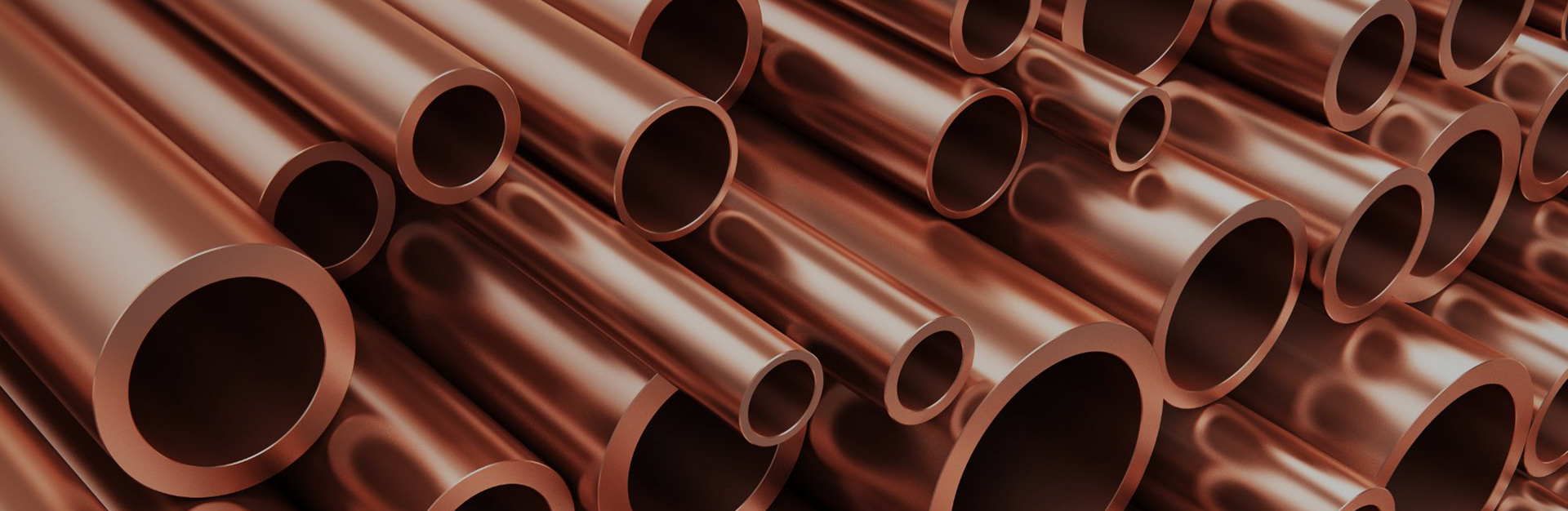
Adding a tee to an existing copper pipe is a common plumbing task that can feel more intimidating than it really is. Whether you're adding a supply line for a new bathroom vanity, a garden hose connection, or a branch for an ice maker, the job comes down to three essentials: a clean cut, the right fitting, and a properly prepared joint. With careful work, you can make a neat, durable connection without tearing out a whole wall or replacing entire lengths of pipe.
Before you start, gather everything in one place. If you are soldering a tee, you will need:
If you plan to use push-fit or compression tees, skip the torch and solder, and keep an adjustable wrench and a removal tool handy for adjustments. Most push-fit fittings can be pushed straight onto clean, accurately cut copper pipe, and they are especially convenient in tight spaces. A tube cutter with a built-in deburring blade is worth the small extra cost, since a square, burr-free cut is one of the most important factors in a stress-free connection.
Your choice of tee affects how long the work takes and whether heating the pipe is safe in that particular location. Sweat fittings are traditional and permanent, push-fit fittings are fast and easy to adjust, compression tees work well where heat is risky, and clamp-on repair tees allow you to add a branch without cutting the main line. Each type has its own strengths, and local plumbing codes may influence which one you can use.
| Type | Connection | Best for | Skill level |
|---|---|---|---|
| Sweat / solder tee | Soldered | Permanent copper-to-copper joints | Moderate |
| Push-fit tee | Push-fit | DIY jobs and quick repairs | Beginner |
| Compression tee | Mechanical compression | Areas where soldering is not practical | Beginner to intermediate |
| Clamp / saddle tee | Clamps over the pipe | Adding a branch without cutting the main line | Intermediate |
For potable water lines, make sure the tee is made from a material compatible with copper and is rated for the water pressure in your system. If you need replacement copper tubing for a damaged section, it is best to use the same pipe size and wall thickness as the existing line. Brass and copper tees are both acceptable in many situations, but they should be clearly marked for drinking water use when part of a supply system.
Follow these steps carefully. The most reliable joints start with a clean, square cut and end with a careful leak test. Do not rush, especially if this is your first time soldering copper.
Heat the fitting body rather than the pipe itself, and let the pipe draw the heat into the socket. Apply solder on the side opposite the flame so it is pulled through the joint by capillary action. A small amount of solder is enough; the joint should show a thin silver line, not a mess of drips. Keep a damp rag nearby to cool nearby valves or protect surrounding material from accidental heat.
If you use a clamp or saddle tee, remember that it relies on a clean, properly sized hole in the pipe wall. Follow the manufacturer’s instructions and never oversize the drill bit. Also avoid applying excessive torque to any compression-type tee, as overtightening can crush the copper.
Even the best cutting and soldering technique cannot compensate for weak or substandard pipe. If the existing line is old, pitted, or thinner than the rest of the system, it is worth replacing a short section while you have the pipe open. The same care applies to fittings: always choose products intended for potable water when working on a drinking-water system.
For most residential water lines, Type L and Type M copper pipe are common choices, with Type L featuring a thicker wall. When you need a dependable material, look for tube that meets ASTM B88 or equivalent standards and carries clear markings. If you are working on a refrigeration or air-conditioning line rather than a plumbing line, choose ACR-grade copper and a compatible tee. You can also browse our selection of Type L copper pipe and copper tee fittings if you need premium components.
In our experience at the factory, we have seen countless solder joints hold up beautifully simply because the pipe was clean, round, and consistent from end to end. Good copper tube gives you a straight edge, uniform wall thickness, and fewer surprises during the soldering process. It also gives you confidence that the branch you are adding today will still be leak-free many years from now.
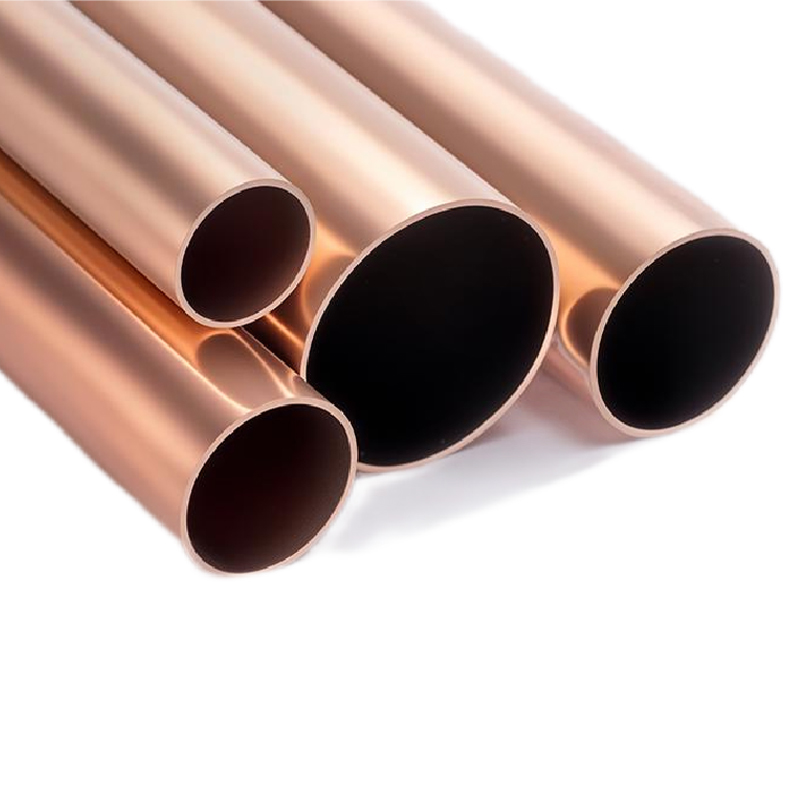 High-Performance Copper Water Tube for Reliable PlumbingThis copper tube offers consistent quality and durability, making it a dependable choice for adding branch lines. Its corrosion resistance and long service life support leak-free soldered joints.View Product →
Adding a tee to existing copper pipe is a satisfying job for anyone comfortable with basic tools. Take your time, keep the work area tidy, and do not rush the test phase. If you are working near electrical wiring, behind a finished wall, or on a system you cannot easily drain, a licensed plumber is always a sensible first call. For most other situations, the steps above will help you complete the task with confidence and keep the new connection dry for decades.
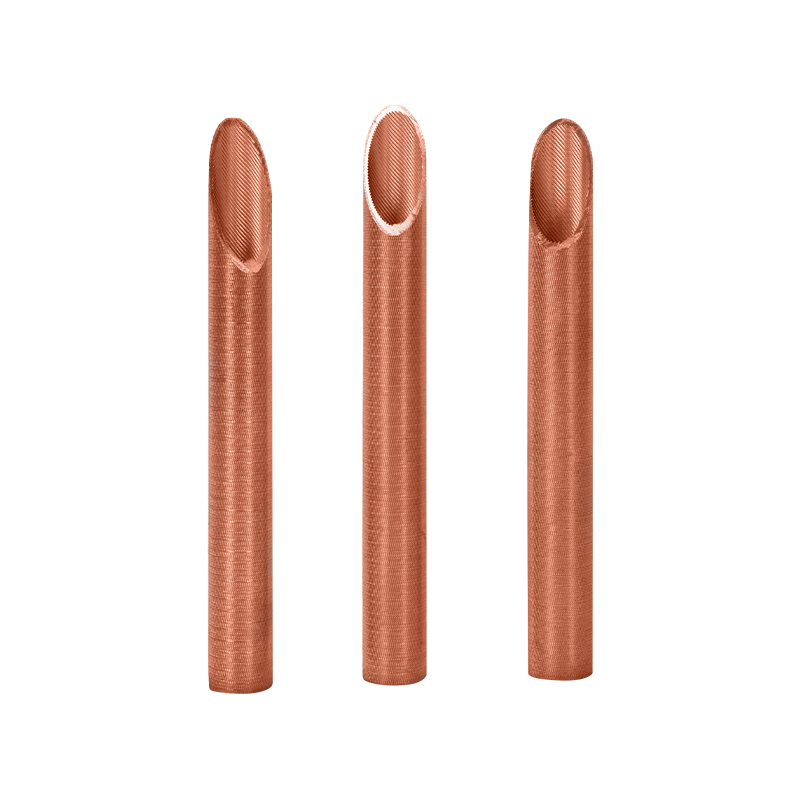
The copper evaporator tube adopts a unique fin design, and the external fins are equipped with specially designed interconnected channels, so that eac...
See Details
The Copper Water Tube produced by our company is a high-performance copper tube suitable for hot and cold water systems and heating applications. It h...
See Details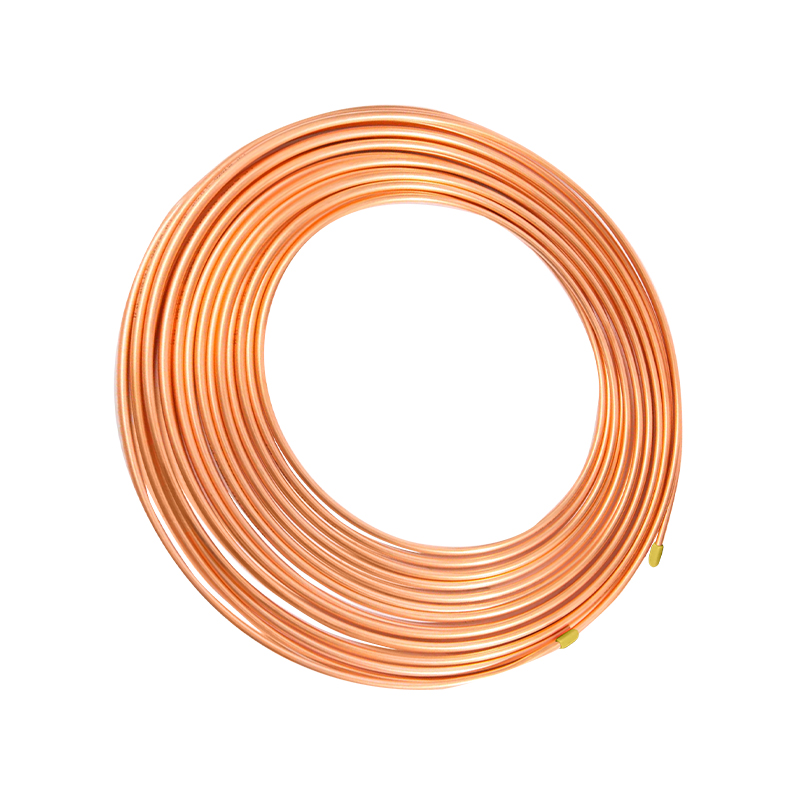
Copper capillary tube is usually manufactured by precision machining, and its dimensional accuracy can reach one thousandth of an inch. This ultra-hig...
See Details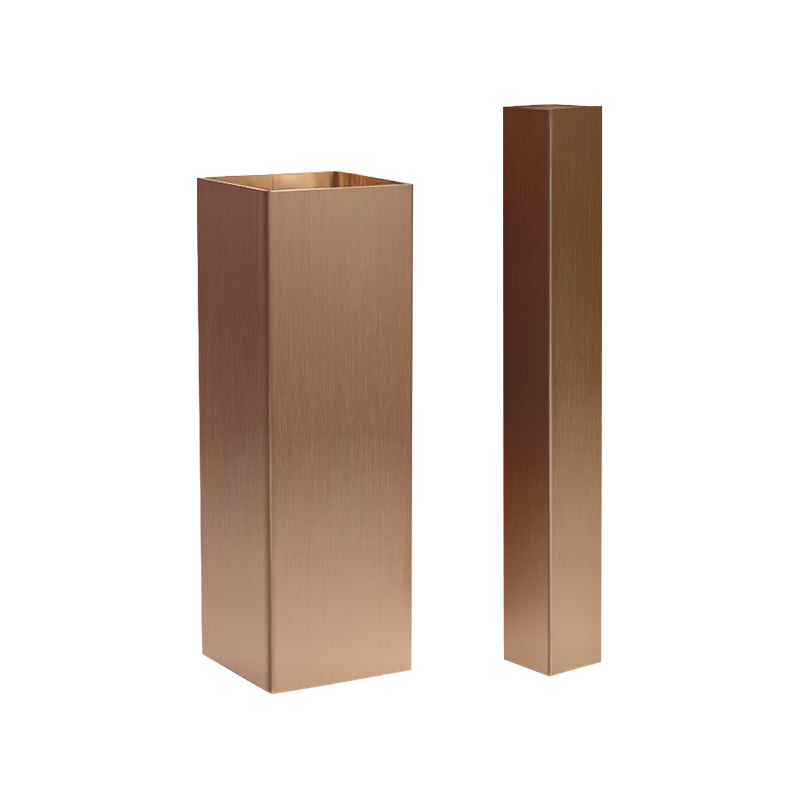
Copper square tube is a metal tube with a hollow square cross-section. It is made of high-purity copper or copper alloy materials through multiple pre...
See Details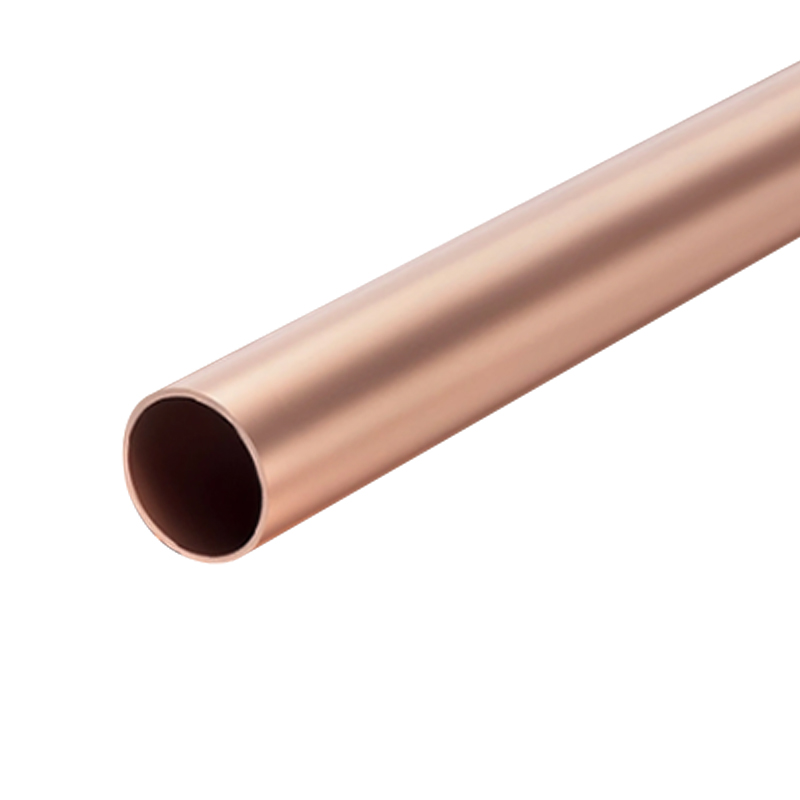
Copper Tube is made of high-purity copper material with a copper content of not less than 99.9%. The main material codes are T11050 and C12200(DHP), a...
See Details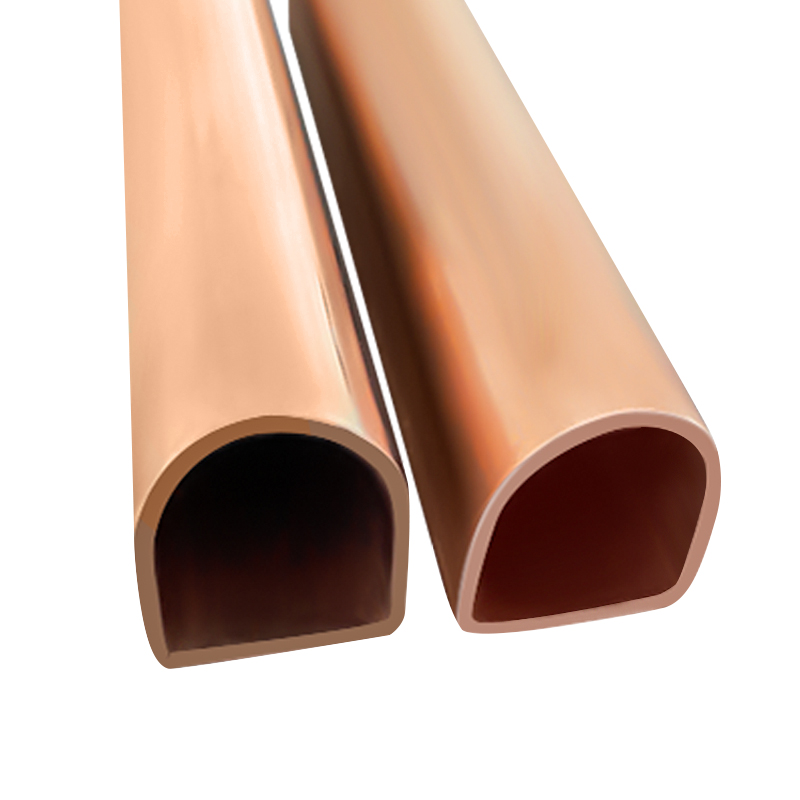
Special-shaped copper tube refers to all copper tubes with cross sections other than circular, including hexagonal, semi-elliptical, octagonal, etc., ...
See Details
 Tangpu Industrial Zone, Shangyu District, Shaoxing City, Zhejiang Province, China
 +86-13567501345
© Zhejiang Jingliang Copper-Tube Products Co., Ltd All rights reserved.

