 English
 Español
 中文
中文News
Home / News / Industry News / Why High-Performance Fin Copper Tubes are the Premier Choice for Heat Transfer Efficiency and Energy Savings
In an era where energy efficiency is no longer a luxury but a global mandate, the demand for high-performance thermal components has reached an all-time high. Under the mounting pressure of global carbon neutrality goals, the HVAC (Heating, Ventilation, and Air Conditioning) and industrial cooling sectors are facing a critical challenge: how to deliver more cooling or heating power while consuming significantly less energy.
In this context, the Fin Copper Tube has emerged as a cornerstone technology for thermal management. Unlike traditional smooth-walled tubing, fin copper tubes feature an extended surface geometry that allows for much more effective heat dissipation and absorption. By maximizing the contact area between the copper and the surrounding medium, these tubes are rapidly replacing conventional plain tubes in high-end engineering projects.
The core value of transitioning to high-quality finned tubing lies in two critical areas: sustainable energy savings and extended equipment longevity. By reducing the workload on compressors and fans through superior heat exchange efficiency, high-performance fin copper tubes not only lower monthly utility costs but also minimize the mechanical wear and tear on the entire system, ensuring a more reliable and durable operation for years to come.
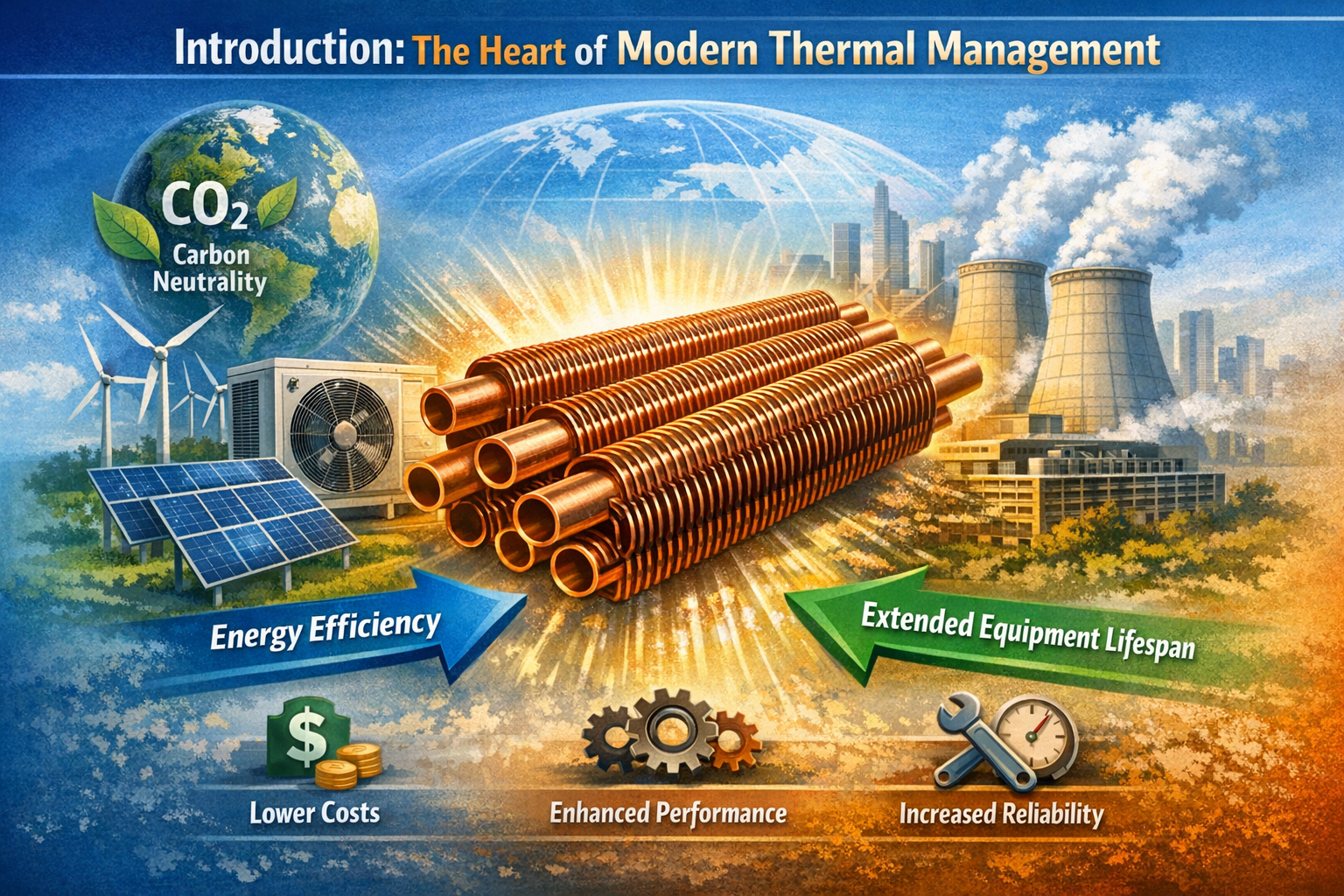
(This image was generated by AI.)
To understand why the Fin Copper Tube has become the industry standard, one must look at the synergy between advanced geometry and material science. Here are the three pillars that define its technical superiority:
The most immediate advantage of a finned design is the dramatic increase in "effective surface area." In a standard smooth tube, heat transfer is limited to the physical circumference of the pipe. By adding precision-engineered fins—whether internal or external—we create a vastly larger surface for the air or fluid to interact with. This design breaks the boundary layer of the flowing medium, creating turbulence that accelerates the rate of thermal exchange. Simply put, more surface area equals faster, more efficient cooling or heating.
Copper is globally recognized for its exceptional thermal conductivity, second only to silver among industrial metals. When this inherent material advantage is paired with a finned structure, the result is a significantly higher Overall Heat Transfer Coefficient (K-Value). The fins act as "thermal highways," drawing heat away from the tube core and dispersing it into the environment with minimal resistance. This combination ensures that the system operates at peak thermal performance even under demanding industrial loads.
In modern engineering, space is a premium. One of the greatest practical benefits of using fin copper tubes is the ability to achieve the same—or better—heat exchange results within a much smaller physical footprint. Because each meter of finned tubing is several times more effective than a plain tube, manufacturers can design heat exchangers that are smaller, lighter, and easier to install. This "compact efficiency" not only saves on material costs but also allows for sleeker, more aesthetic designs in residential HVAC units and space-saving layouts in industrial plants.
The superior thermal properties of the Fin Copper Tube make it an essential component across a diverse range of high-stakes industries. By providing reliable heat transfer in various environments, these tubes serve as the "lungs" of thermal systems.
In the Heating, Ventilation, and Air Conditioning (HVAC) sector, fin copper tubes are the gold standard for condensers and evaporators.
Heavy industries rely on the durability and thermal speed of copper to prevent equipment overheating.
As the world shifts toward sustainable energy, fin copper tubes are at the forefront of "circular" energy solutions.
To ensure that every Fin Copper Tube delivers maximum heat exchange efficiency, the manufacturing process must combine high-speed precision with rigorous testing standards. At our facility, quality is built into every millimeter of the tube.
Depending on the specific application and thermal requirements, we employ several industry-leading fabrication methods:
A heat exchanger is only as strong as its weakest tube. We maintain strict quality control protocols to ensure long-term reliability in the field:
We understand that every engineering project has unique requirements. Our production lines are designed for flexibility, allowing us to manufacture according to your specific blueprints:
As we navigate 2026, the Fin Copper Tube industry is undergoing a significant transformation driven by strict global environmental regulations and the surge in high-performance computing. Here are the key trends defining the next generation of thermal solutions:
The industry is moving rapidly toward "smaller and denser." There is a growing demand for small-diameter copper tubes (ranging from 5mm to as small as 3mm) paired with higher-density fin designs.
With the global phase-down of high-GWP (Global Warming Potential) hydrofluorocarbons (HFCs), the industry is pivoting toward natural and mildly flammable refrigerants like Propane (R290), CO₂ (R744), and A2Ls.
The future isn't just about the hardware; it's about intelligence. We are seeing increased interest in heat exchangers that work in tandem with IoT-enabled sensors. By monitoring the temperature and pressure across the finned surfaces in real-time, systems can adjust flow rates to optimize energy use dynamically, further pushing the boundaries of what a "passive" component like a copper tube can achieve.
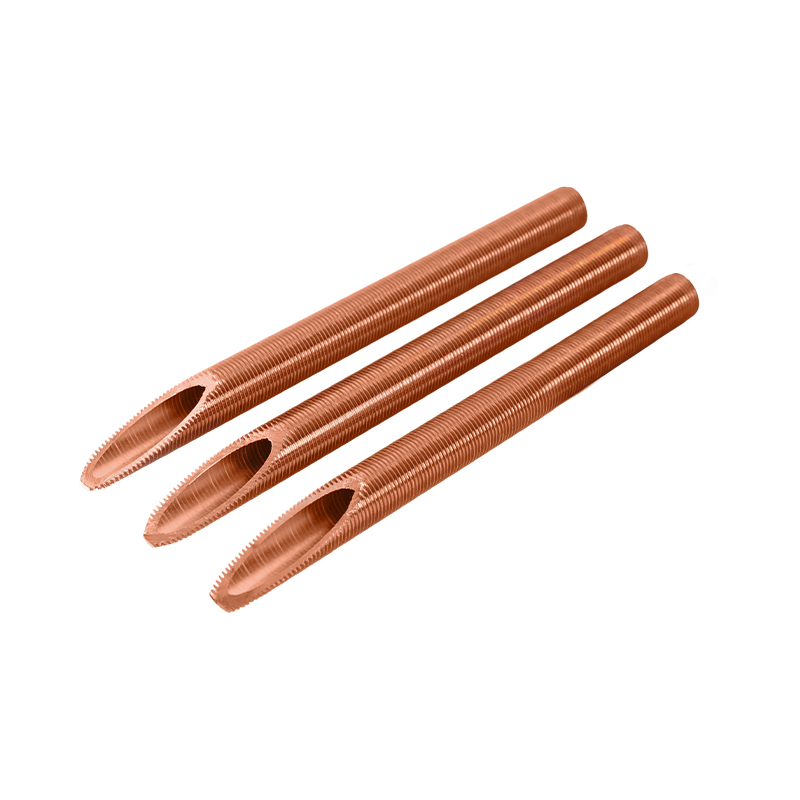
Fin copper tube is a highly efficient heat exchange element. Its structural feature is that uniform fins are formed on the outer wall of the copper tu...
See Details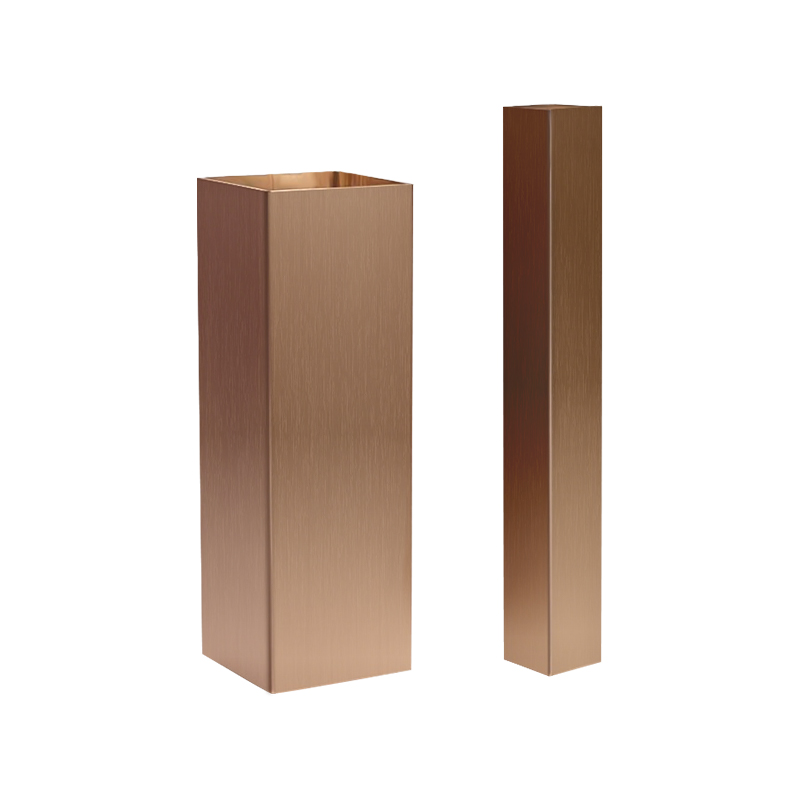
Copper square tube is a metal tube with a hollow square cross-section. It is made of high-purity copper or copper alloy materials through multiple pre...
See Details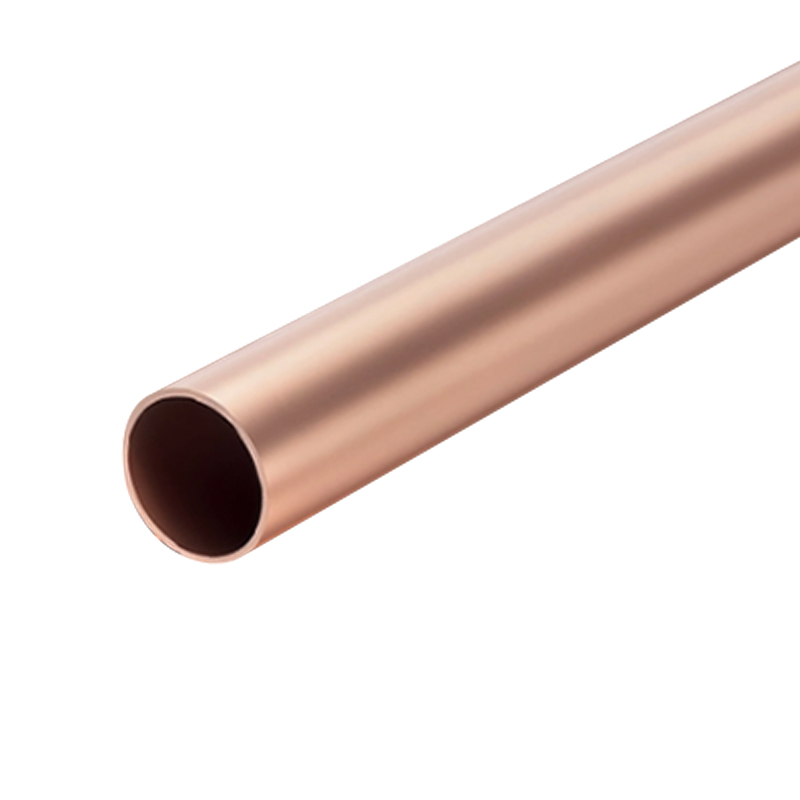
Copper Tube is made of high-purity copper material with a copper content of not less than 99.9%. The main material codes are T11050 and C12200(DHP), a...
See Details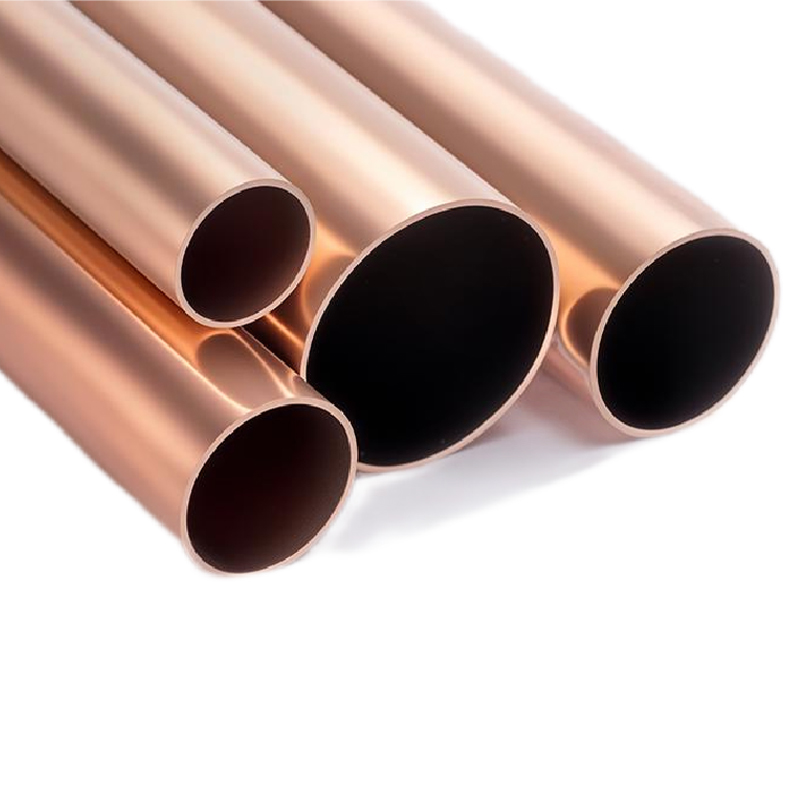
The Copper Water Tube produced by our company is a high-performance copper tube suitable for hot and cold water systems and heating applications. It h...
See Details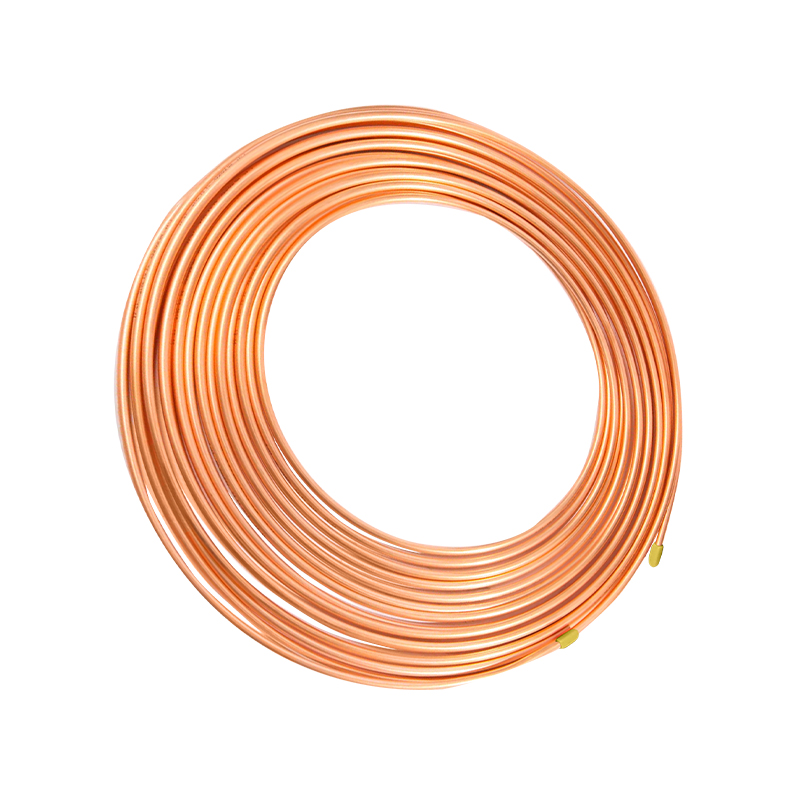
Copper capillary tube is usually manufactured by precision machining, and its dimensional accuracy can reach one thousandth of an inch. This ultra-hig...
See Details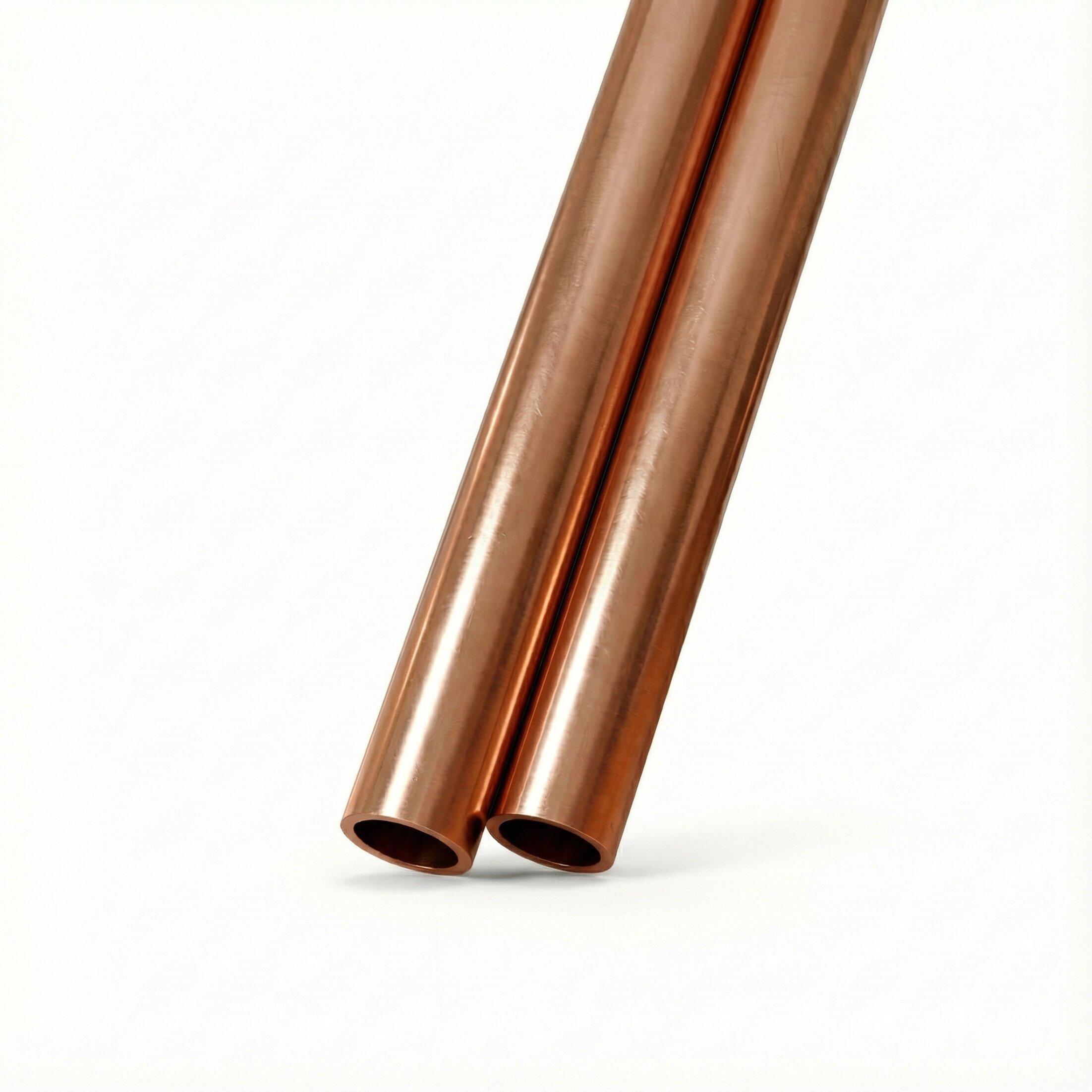
High Conductivity Copper Tube is a conductive copper tube made from high-purity T2 copper material, primarily used in equipment and components requiri...
See Details
 Tangpu Industrial Zone, Shangyu District, Shaoxing City, Zhejiang Province, China
 +86-13567501345
© Zhejiang Jingliang Copper-Tube Products Co., Ltd All rights reserved.

