 English
 Español
 中文
中文High Conductivity Copper Tube is a conductive copper tube made from high-purity T2 copper material, primarily used in equipment and components requiring high conductivity. Copper, as a high-performance conductor second only to gold and silver, possesses excellent electrical conductivity, and its cost is significantly lower than gold and silver, making it the preferred material for high-efficiency conductive applications. T2 copper is a type of pure copper with phosphorus content strictly controlled below 0.001%, ensuring the high purity and excellent conductivity of the copper tube. This is particularly important for high-conductivity components in power, electronics, and communication fields.
The high conductivity of this copper tube makes it an ideal material for key conductive components such as conductive rods and conductive grids. By using T2 copper, High Conductivity Copper Tube significantly improves current transmission efficiency and reduces energy loss, thus providing more stable and reliable performance in various high-conductivity applications. High-purity copper also has strong oxidation resistance and durability, maintaining long-term conductivity under harsh environmental conditions and is not easily affected by moisture, oxidation, and other factors.
High Conductivity Copper Tube has a wide range of applications, suitable for power transmission and distribution systems, electric vehicle charging stations, communication equipment, and conductive components in various electrical and electronic devices. It effectively ensures the efficient operation of power systems and electronic equipment, reduces energy loss, and improves overall system performance.
High Conductivity Copper Tube offers flexible size customization services, producing copper tubes with different outer diameters and wall thicknesses according to customer needs, meeting the application requirements of various industries. Compared with traditional materials, this copper tube offers better cost-effectiveness and more stable conductivity, helping customers reduce costs while ensuring performance.
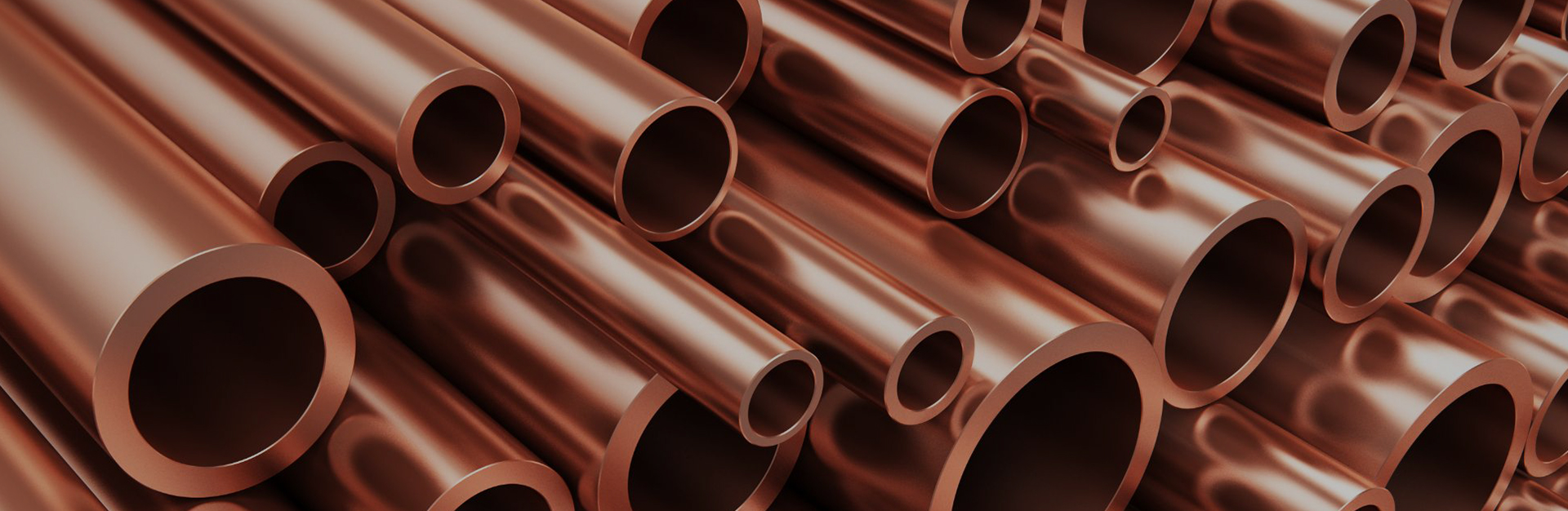
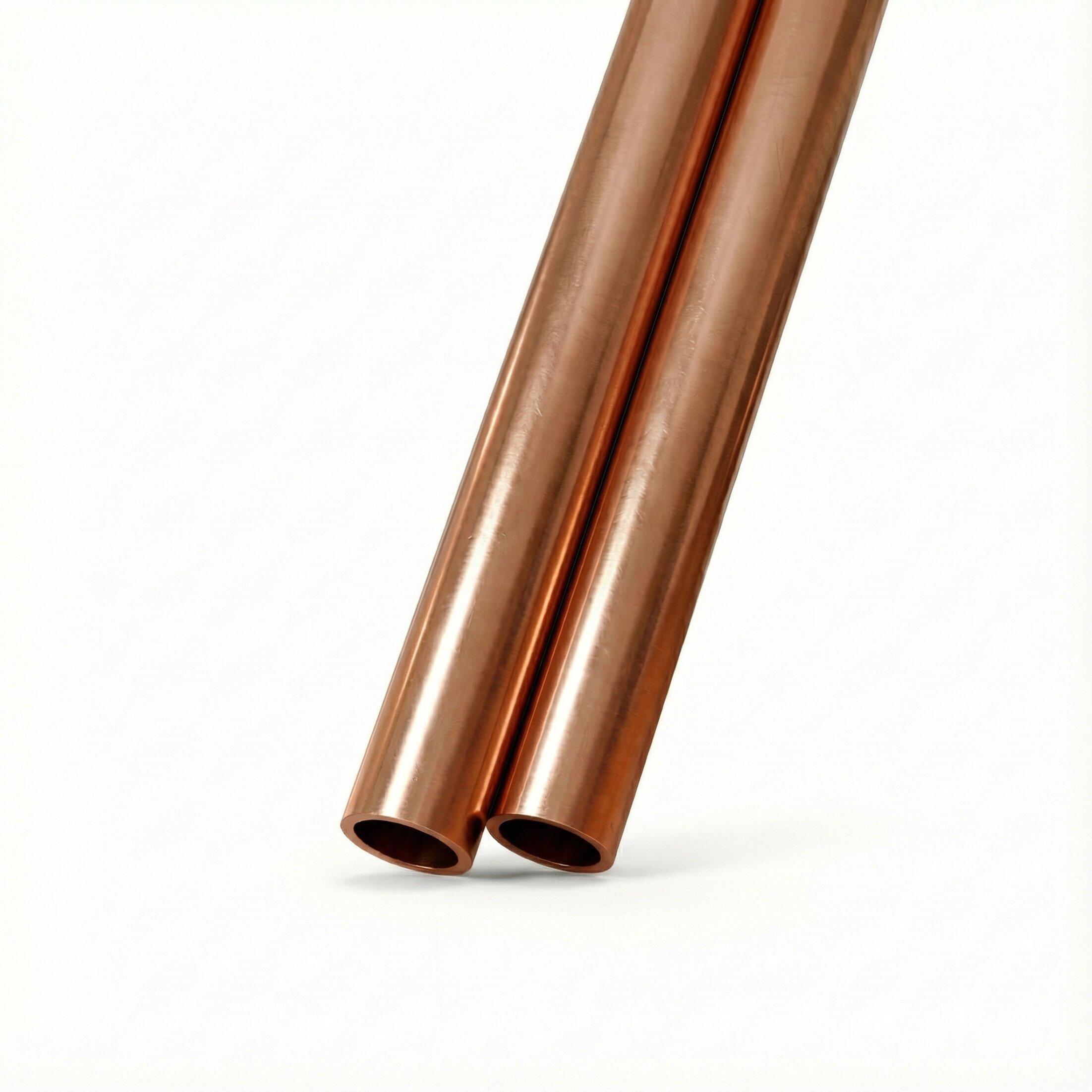
High conductivity copper tube
Get a Quote
To avoid errors caused by inconsistent dimensional standards in communication, if you need to request a quotation, please provide the information as per the following format as much as possible:
Related products
-
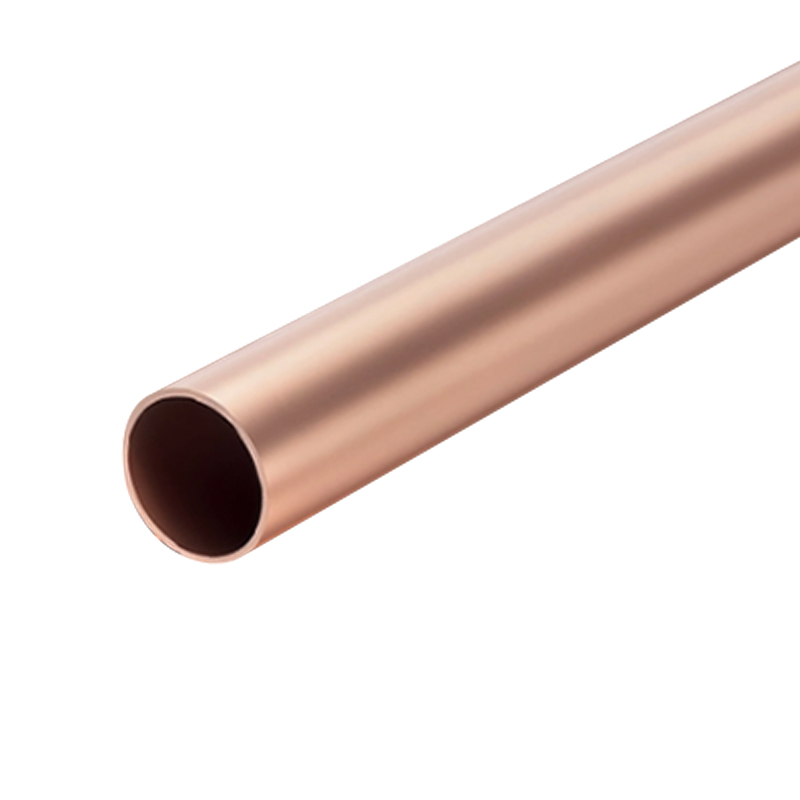
Copper Tube is made of high-purity copper material with a copper content of not ...
See Details -
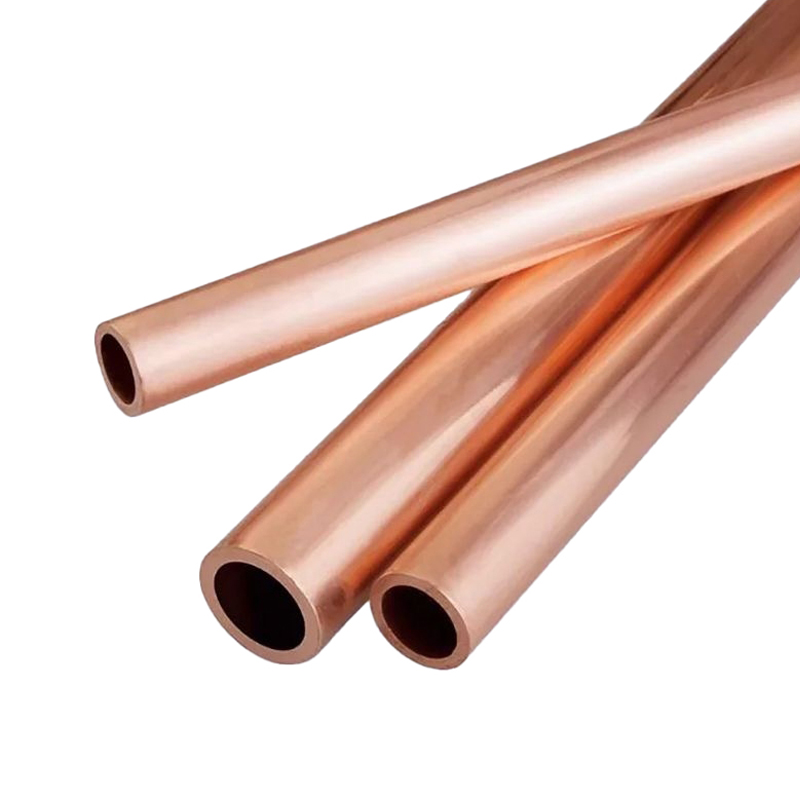
Thick-walled copper tubes are also called seamless thick-walled copper tubes. Th...
See Details -
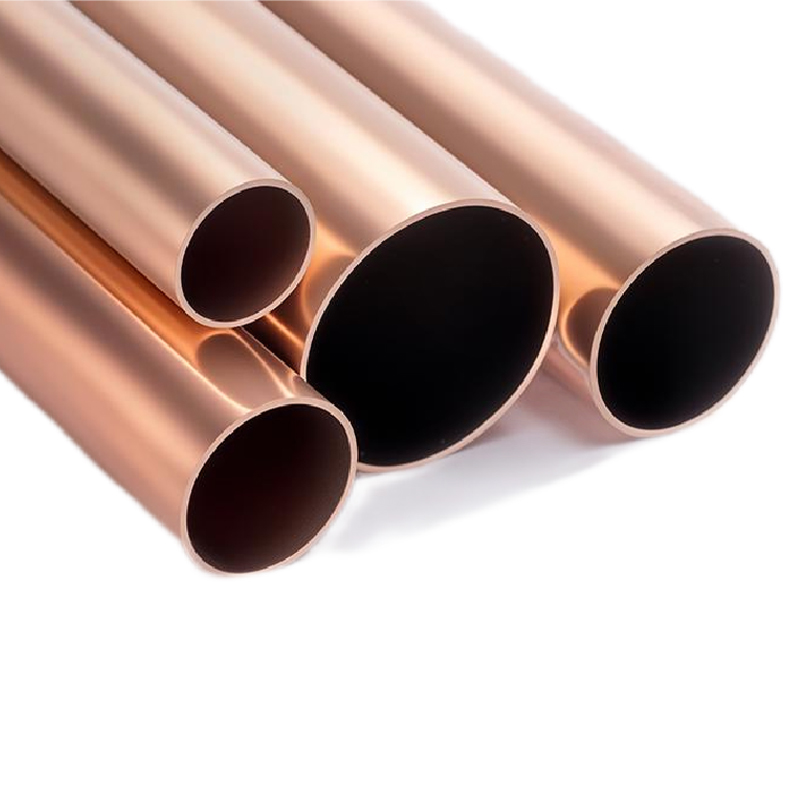
The Copper Water Tube produced by our company is a high-performance copper tube ...
See Details -
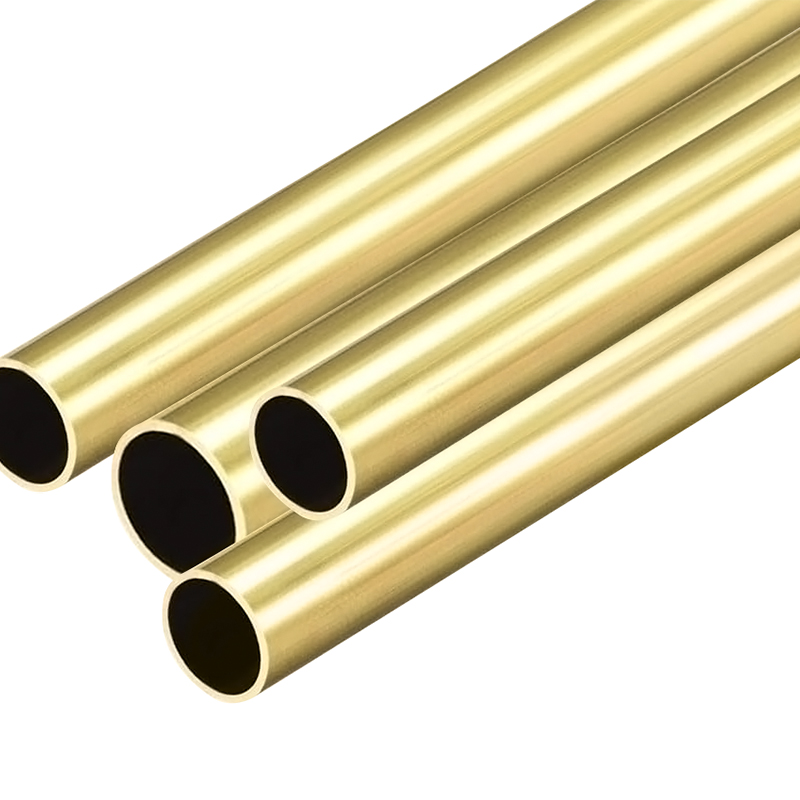
Brass is an alloy of copper and zinc. It has good processing and mechanical prop...
See Details
ABOUT US
30+YEARS OF
EXPERIENCE
About Us
A Reliable Partner of the Copper Tube Industry
Zhejiang Jingliang Copper-Tube Products Co., Ltd is China High conductivity copper tube Manufacturers and Custom High conductivity copper tube Suppliers, which was formerly Shangyu Jingliang Copper Material Factory, founded in 1994 and has been deeply involved in the copper tube industry for over three decades. The company primarily produce various specifications of products such as copper tubes, brass tubes, copper square tubes, fin copper tubes, copper capillary tubes, condenser copper tubes, copper evaporator tubes, and conductive rods, which are of quality and have earned the trust and acclaim of customers both domestically and internationally.
Wide Applications:
These products are widely used in various fields including air conditioning, refrigeration, heat exchange, sanitary ware, automotive, machinery, electric furnaces, and chemical industries.
Convenient Transportation:
Strategically located in Tangpu Town, renowned as the “home of copper tubes” in East China. Our company enjoys a prime location, adjacent to the Shangsan Expressway and National Highway 104, and is conveniently situated just over 70 kilometers from Hangzhou and Ningbo, ensuring easy accessibility and a business position.
Strong Financial Resources:
With its strong financial resources and advanced copper tube processing technology, our company holds an advantageous position in market share, brand value, technological content, and product quality, becoming a preferred supplier for many listed groups.
Large Scale Production:
The company occupies an area of over 20,000 square meters, with a construction area of 12,800 square meters. In 2022, our annual production exceeded 7,500 tons, with a value output of up to 450 million yuan, demonstrating our strong production capacity and market competitiveness.
Comprehensive Industry Chain:
Jingliang has now developed into a complete industrial chain integrating smelting, extrusion, drawing, precision rolling, and annealing. It has been awarded multiple honors, including "Top Ten Copper Tube Enterprises" and "Leading Taxpayer in the Copper Tube Industry".
Smart Manufacturing:
Jingliang Copper-Tube Products will better integrate the concept of factory construction into its corporate development strategy, insist on refining technology and polishing products more finely, and the future of "intelligent manufacturing".
Genuine Cooperation:
Zhejiang Jingliang Copper-Tube Products Co.,Ltd warmly welcomes friends from all walks of life to visit and offer guidance. We look forward to joining hands with you to create a brilliant future together.
Technical skills
Production Process
- 1、Electrolytic Copper
- 2、Copper Ingots
- 3、Press
- 4、Drawing
- 5、Rolling
- 6、Packaging
Electrolytic copper, produced through electrolytic processes, is a high-purity copper with good electrical conductivity and thermal conductivity, making it an ideal material for manufacturing copper pipes.
This marks the beginning of our production process, which involves the fabrication of electrolytic copper into pure copper or brass ingots according to specific requirements, followed by cutting to facilitate subsequent processing and handling.
In the pressing stage, the cut copper ingots are pressed into thin sheets or tubular shapes, forming the initial tube shape, and the copper ingots are prepared for drawing and rolling.
Drawing is the process of further processing the copper sheets or tubular objects that have been pressed into the required dimensions and shapes. Through drawing, our copper tubes can achieve precise outer diameters and wall thicknesses.
Rolling is the step of further processing the copper tubes after drawing. Through rolling, the copper tubes are rolled into more precise dimensions and shapes to meet the requirements of different applications.
Finally, the copper tubes that have undergone rolling will be packaged and prepared for shipping. We ensure that the packaging is safe and protective to prevent damage during transportation.
News
-
Soldering brass is one of those skills that looks effortless in an experienced hand and stubborn in a new one. Heat, flux, and filler are the only three ingredients, yet the difference between a joint that flows like glass and one that bal...
READ MORE -
Brazing brass differs fundamentally from soldering or welding copper. The higher zinc content requires different filler metals, more controlled heating, and a clear understanding of joint clearances. Without the right approach, you risk po...
READ MORE -
Two copper tubes can look identical on a warehouse shelf—same outer diameter, same wall thickness, same bright, clean surface—and still perform very differently in service. One is drawn from a tightly controlled alloy charge and finished t...
READ MORE
Industry knowledge
Copper tubes are the "blood vessels" of the refrigeration system, mainly used in condensers, evaporators and connecting pipelines. Its high thermal conductivity (with a thermal conductivity coefficient of approximately 400 W/m·K) enables rapid heat transfer, enhancing the energy efficiency ratio of air conditioners and refrigerators. The promotion of environmentally friendly refrigerants such as R410A has further driven the development of copper tubes towards high pressure resistance, thin-walled and lightweight. Industry standards such as ASTM B280 (Copper Tubes for Air Conditioning) have strict regulations on indicators such as cleanliness and tensile strength to avoid refrigerant leakage and system blockage.
Which industries primarily use high conductivity copper tubes?
High conductivity copper tubes are widely used in various industries due to their excellent electrical conductivity, thermal conductivity, and corrosion resistance, especially in fields requiring efficient current transmission and heat exchange.
Power and Electronics Industry
High conductivity copper tubes are extensively used in the power industry. Firstly, copper tubes are one of the key materials in power transmission and distribution systems, widely used in high voltage transmission lines and electrical equipment. Due to copper's high conductivity, copper tubes effectively reduce energy loss during power transmission. Furthermore, in transformers, copper tubes are used to make coils, facilitating the conversion of electrical energy from low voltage to high voltage. High conductivity copper tubes are also crucial in electrical connectors, cables, and switchgear, ensuring smooth current flow and minimizing energy loss.
Electric Vehicle (EV) Industry
With the rise of the electric vehicle (EV) market, the application of high conductivity copper tubes is increasing. Electric vehicles require significant electrical energy transmission, and copper tubes play a vital role in these systems. Especially in battery systems and electric drive systems, high conductivity copper tubes are used to connect battery cells, charging stations, control modules, and other components, ensuring efficient energy transmission. Simultaneously, in battery cooling systems, the thermal conductivity of high conductivity copper tubes helps control battery temperature, extending battery life and maintaining its stability.
Renewable Energy Industry
In renewable energy generation systems such as solar and wind power, the high conductivity of copper tubes makes them an ideal material. Particularly in solar power generation systems, copper tubes are used to connect solar panels and inverters, facilitating efficient current flow and reducing energy loss. In addition, the electrical systems in wind turbines also require high conductivity copper tubes to ensure smooth power generation and transmission. The conductivity and corrosion resistance of copper tubes are highly suitable for use in harsh outdoor environments, such as offshore wind power and solar power generation in high temperature climates.
Heat Exchanger and Refrigeration Industry
Copper tubes are widely used in heat exchangers and refrigeration equipment due to their excellent thermal conductivity. Especially in air conditioners, refrigerators, and condensers, copper tubes not only conduct heat quickly but also improve the system's heat exchange efficiency and reduce energy loss. High conductivity copper tubes are used in the condensers and evaporators of air conditioning systems to effectively dissipate heat and improve system efficiency. In addition, copper tubes are widely used in heat exchangers in petrochemical, chemical, and other industries for cooling and heating systems, ensuring efficient heat transfer and temperature control.
Communication and Electronics Industry
In high frequency communication systems, high conductivity copper tubes are used as conductors for signal transmission. Copper's high conductivity allows it to maintain low signal attenuation at high frequencies, making it suitable for radio communication, satellite communication, radar systems, and other fields. Furthermore, copper tubes are often used in heat sinks in electronic devices, helping the equipment maintain a stable temperature during operation and preventing overheating that could affect performance.
How does high-conductivity copper tube perform in high-temperature and high-pressure environments?
While high-conductivity copper tube possesses excellent electrical and thermal conductivity, its performance in high-temperature and high-pressure environments depends on several factors, including the physical properties of the copper, the pipe design, and the operating conditions.
The Effect of Temperature on Copper Tube Conductivity
Copper is one of the best conductive materials, but its conductivity decreases with increasing temperature. As the temperature rises, the resistance of copper increases, leading to a decrease in conductivity. Nevertheless, copper's conductivity remains better than most other metals at high temperatures and is commonly used in high-temperature power transmission and electrical equipment. high-conductivity copper tube can maintain good conductivity and stability at temperatures up to 200°C or even higher, making it a preferred material in many high-temperature applications. However, at extremely high temperatures (such as above 300°C), the conductivity and mechanical properties of copper are significantly affected, and other metal alloys or surface coating technologies may be needed to improve its high-temperature performance.
The Effect of High Pressure on Copper Tube
high-conductivity copper tube has relatively strong pressure resistance, but in high-pressure environments, the pipe design is crucial. The wall thickness of the copper pipe directly determines its stability under high pressure. Thinner copper pipes are prone to deformation or rupture in high-pressure environments, while thicker pipes provide higher compressive strength. Furthermore, the flow rate, temperature, and properties of the fluid in high-pressure environments also affect the performance of the Copper Tube. In high-pressure environments such as petrochemical and nuclear power plants, Copper Tube is usually subjected to special treatments, such as reinforced annealing and precision rolling, to ensure that it does not rupture under high-pressure conditions.
Corrosion in High-Temperature and High-Pressure Environments
In high-temperature and high-pressure environments, Copper Tube is susceptible to corrosion, especially when working in media containing corrosive substances (such as chlorides and sulfides). Although copper itself has good corrosion resistance, its corrosion resistance may be weakened in certain chemical environments. Therefore, Copper Tube used in high-temperature and high-pressure environments is usually subjected to additional surface treatments, such as tin plating or nickel plating, to enhance its corrosion resistance. Furthermore, the oxide film on copper pipes can provide some corrosion protection, but in extreme environments, high-temperature resistant copper alloy materials may still be needed to enhance the corrosion resistance of the pipes.
Limitations in Application Scenarios
In some extreme high-temperature and high-pressure environments, copper pipes may not meet the requirements for long-term use. For example, in nuclear reactors, special alloys are often needed to ensure stability in high-pressure and high-temperature environments. In some high-temperature and high-pressure reactors in the petrochemical industry, although copper pipes have excellent conductivity and thermal conductivity, due to oxidation and corrosion problems at high temperatures, it may be necessary to consider using more high-temperature resistant materials, such as molybdenum and tungsten alloys.
How do the inner diameter and wall thickness of high-conductivity copper tubes affect their performance?
The inner diameter and wall thickness of high-conductivity copper tubes significantly affect their performance, particularly in terms of electrical properties, thermal conductivity, and mechanical strength. Different application requirements necessitate different choices for these parameters, so understanding how they affect the use of copper tubes is crucial. Zhejiang Jingliang Copper-Tube Products Co., Ltd. focuses on optimizing these design parameters in the production of high-conductivity copper tubes to ensure that product performance and quality meet customer needs.
Impact of Inner Diameter on Electrical and Thermal Conductivity
The size of the inner diameter directly affects the electrical and thermal conductivity of the copper tube. A larger inner diameter means the copper tube can accommodate more fluid (e.g., gas or liquid flowing in cooling or heating systems), thus improving heat exchange efficiency. For power transmission systems, a larger inner diameter allows for greater current flow, thereby increasing conductivity and reducing resistance losses.
Zhejiang Jingliang Copper-Tube Products Co., Ltd., through precise manufacturing processes, can accurately control the inner diameter of copper tubes according to different customer needs. The company uses advanced drawing, extrusion, and precision rolling technologies to ensure that each copper tube maintains precise inner diameter dimensions. Especially when high-conductivity copper tubes are used in power, electronics, or heat exchanger systems, precise inner diameter control ensures efficient current transmission and rapid heat exchange.
Impact of Wall Thickness on Mechanical Strength
The wall thickness of copper tubes plays a crucial role in mechanical strength and pressure resistance. Thin-walled copper tubes are prone to deformation or rupture under high pressure or high temperature, while thicker walls enhance the copper tube's pressure resistance and durability. In high-pressure environments (such as condensers and high-pressure heat exchange systems), thicker copper tubes can more effectively withstand internal or external pressure, ensuring the safety and stability of the system.
Zhejiang Jingliang Copper-Tube Products Co., Ltd. has over thirty years of experience in copper tube production and can provide copper tubes with various wall thickness specifications to meet different industry needs. Whether for air conditioning, refrigeration, or high-pressure evaporator systems, Zhejiang Jingliang Copper-Tube Products Co., Ltd., through strict production process control, ensures the stability and durability of copper tubes under pressure. The company's production line includes a complete process from smelting and extrusion to precision rolling, ensuring the consistency and accuracy of copper tube wall thickness.
Combined Influence of Inner Diameter and Wall Thickness on Electrical and Thermal Conductivity
The combined design of inner diameter and wall thickness has a dual impact on electrical and thermal conductivity. A larger inner diameter can improve the electrical and thermal conductivity of the copper tube, but it also requires an appropriate wall thickness to ensure mechanical strength and pressure resistance. An excessively thin wall thickness may lead to insufficient mechanical performance during heat exchange, making it prone to fatigue cracking. Conversely, an excessively thick wall thickness will increase the weight of the copper tube and may lead to unnecessary material waste.
Zhejiang Jingliang Copper-Tube Products Co., Ltd can optimize the inner diameter and wall thickness design of copper tubes according to the specific requirements of customers. In air conditioning, heat exchangers, and other systems requiring efficient heat transfer, the company can provide copper tubes with excellent electrical and thermal conductivity and appropriate mechanical strength. This precise dimensional control helps to improve the overall system efficiency, reduce energy loss, and ensure stable operation under high load conditions.
Influence of Wall Thickness and Inner Diameter on Corrosion Resistance and Durability of Copper Tubes
The wall thickness and inner diameter design of high-conductivity copper tubes also affect their corrosion resistance. A thicker wall thickness helps to enhance the corrosion resistance of copper tubes in chemically corrosive environments, especially when working in acidic or alkaline environments. Thicker copper tube walls provide a longer service life, reducing pipe damage and leakage caused by corrosion.
In some extreme working environments, such as the petrochemical industry and offshore wind power, copper tubes are often exposed to salt spray, corrosive gases, or liquids. Therefore, corrosion resistance is an important consideration in copper tube design. Zhejiang Jingliang Copper-Tube Products Co., Ltd improves the corrosion resistance of copper tubes through strict quality control and surface treatment (such as tin plating, nickel plating, etc.) during the production process, ensuring their stability and longevity in harsh environments.
Influence of Inner Diameter and Wall Thickness on Production Costs
Changes in inner diameter and wall thickness directly affect the production cost of copper tubes. Copper tubes with larger inner diameters and thicker walls require more copper material, and the processing time and energy consumption during production also increase accordingly. To balance performance and cost, Zhejiang Jingliang Copper-Tube Products Co., Ltd. improves production efficiency through advanced intelligent manufacturing technology and reduces costs by optimizing the process flow. The company's large-scale production capacity and complete industrial chain ensure cost control while meeting customers' demands for high-quality copper tubes.
For some specific industries and applications, customers may require customized inner diameter and wall thickness designs. Zhejiang Jingliang Copper-Tube Products Co., Ltd. can make precise adjustments according to customer needs, controlling production costs while guaranteeing quality. This flexibility allows the company to maintain strong competitiveness in the market and meet the diverse needs of various industries for copper tubes.
Material Selection and Performance Optimization
The design of the inner diameter and wall thickness also needs to consider the raw materials used for the copper tubes. Zhejiang Jingliang Copper-Tube Products Co., Ltd. uses high-purity phosphorus-deoxidized copper and alloy copper, which have higher electrical conductivity and good corrosion resistance. During the manufacturing process, the physical properties of the copper tubes are maximized through precise extrusion, drawing, and precision rolling processes. Zhejiang Jingliang Copper-Tube Products Co., Ltd. focuses on quality control at every stage, from raw material procurement to finished product delivery, ensuring that every copper tube meets international standards and satisfies customers' high requirements.
Zhejiang Jingliang Copper-Tube Products Co., Ltd. is also continuously exploring new alloy materials for high-conductivity copper tubes to improve their stability and efficiency in extreme environments. Through cooperation with research institutions, the company continuously promotes innovation in copper tube technology to meet the challenges of higher performance requirements in the future.

 Tangpu Industrial Zone, Shangyu District, Shaoxing City, Zhejiang Province, China
 +86-13567501345

© Zhejiang Jingliang Copper-Tube Products Co., Ltd All rights reserved.
