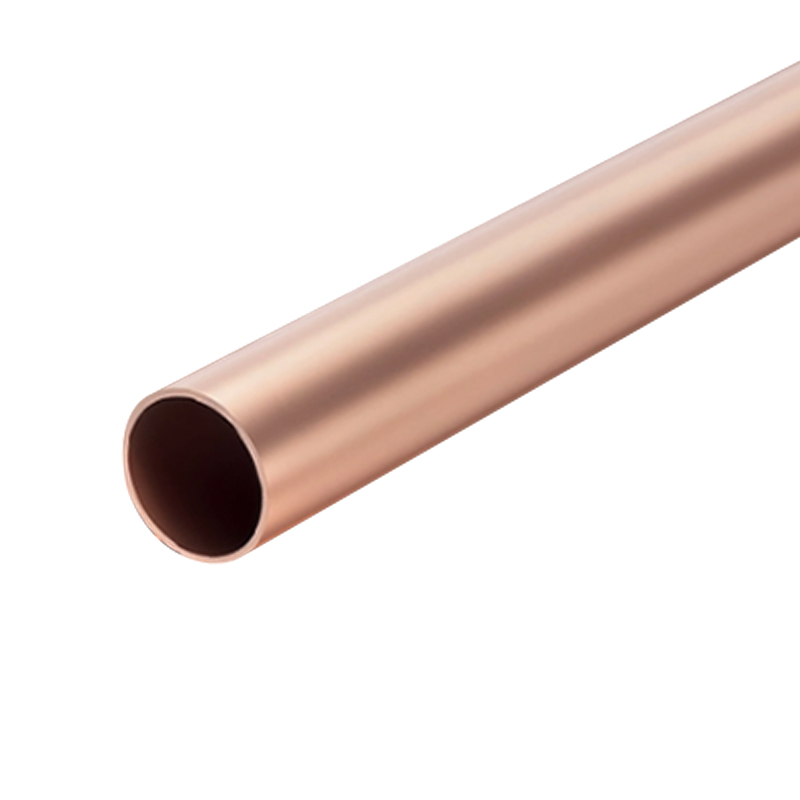
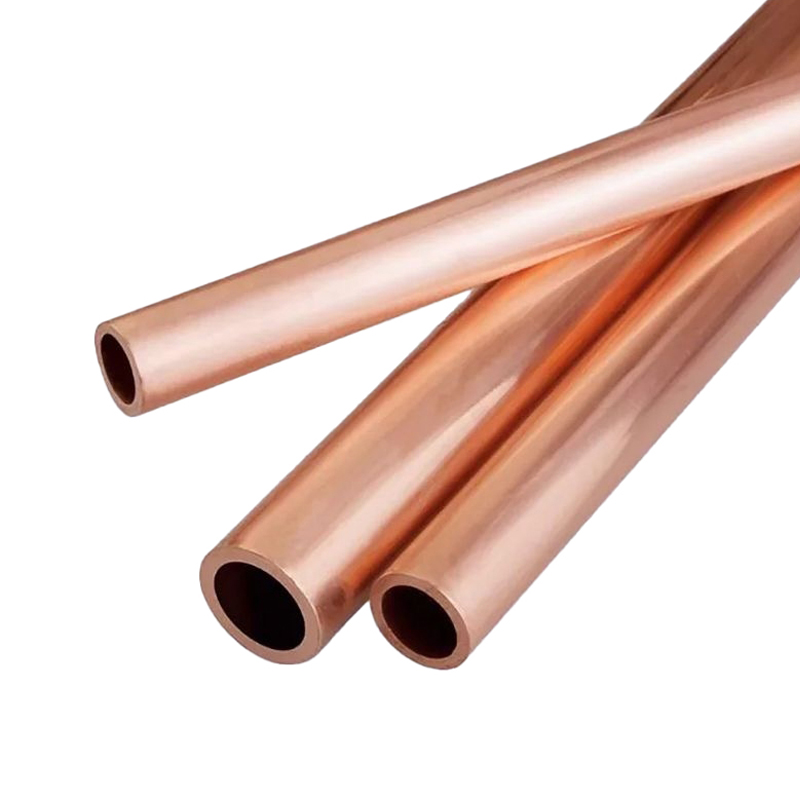
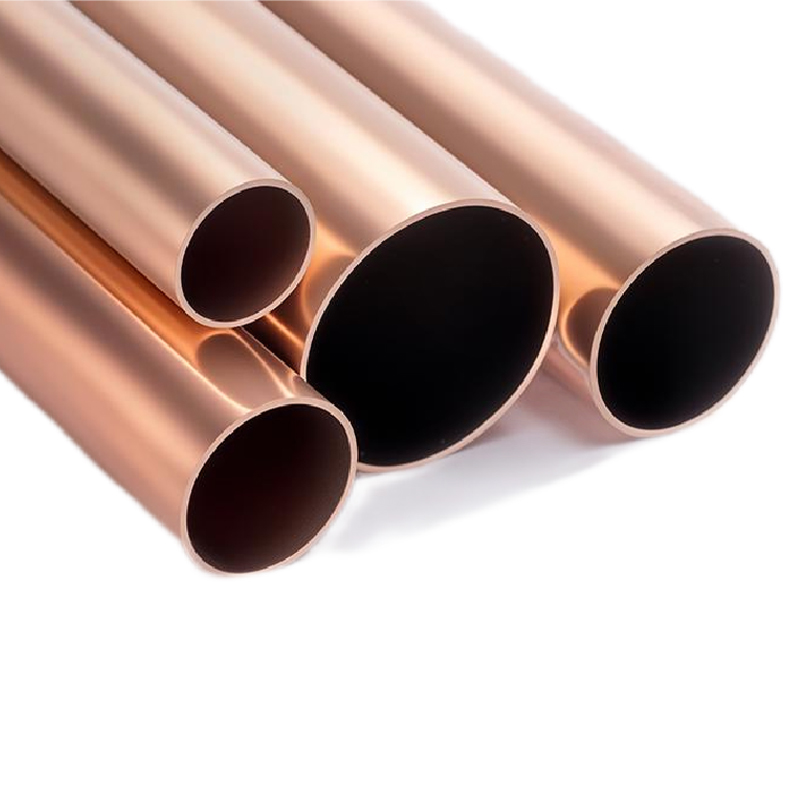
Copper tubes are the "blood vessels" of the refrigeration system, mainly used in condensers, evaporators and connecting pipelines. Its high thermal conductivity (with a thermal conductivity coefficient of approximately 400 W/m·K) enables rapid heat transfer, enhancing the energy efficiency ratio of air conditioners and refrigerators. The promotion of environmentally friendly refrigerants such as R410A has further driven the development of copper tubes towards high pressure resistance, thin-walled and lightweight. Industry standards such as ASTM B280 (Copper Tubes for Air Conditioning) have strict regulations on indicators such as cleanliness and tensile strength to avoid refrigerant leakage and system blockage.
What is the corrosion resistance of H62 (T27600) Brass Tube? How does it perform in acidic and alkaline environments?
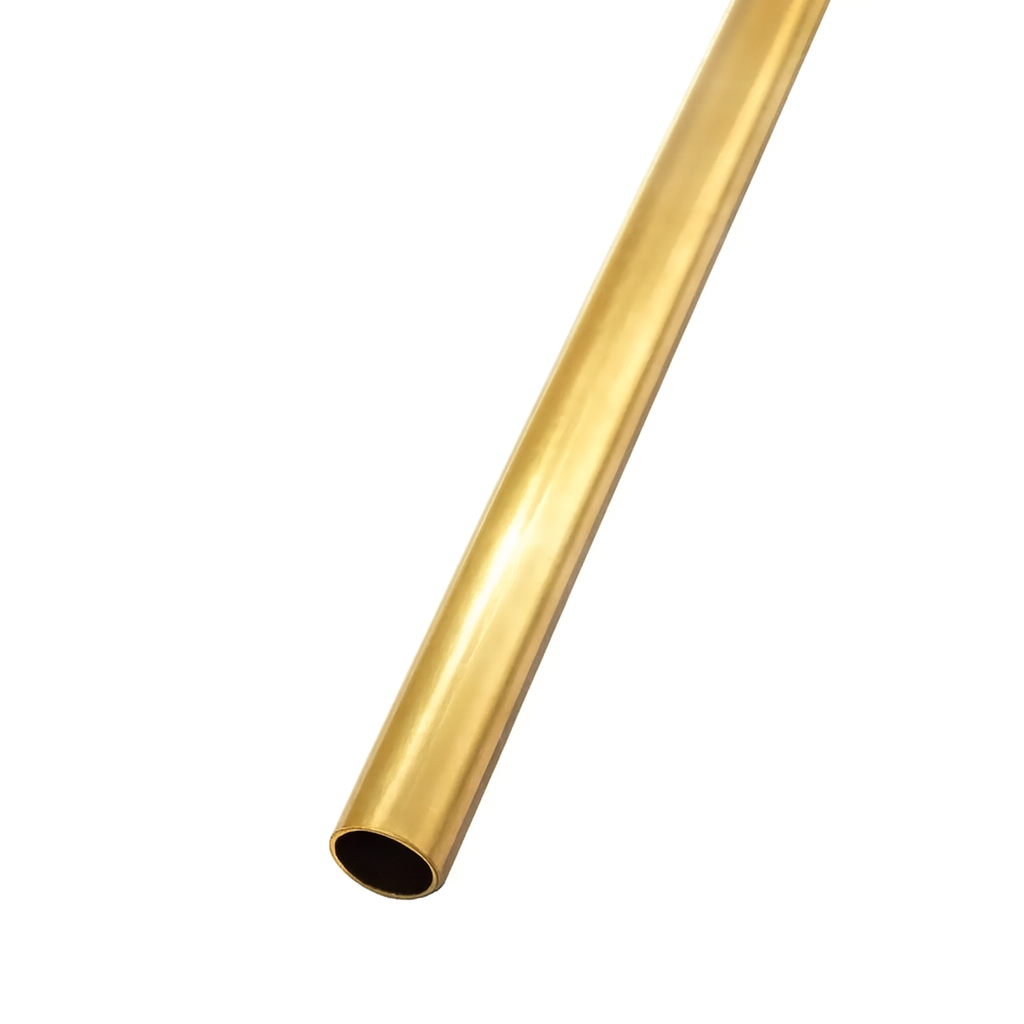
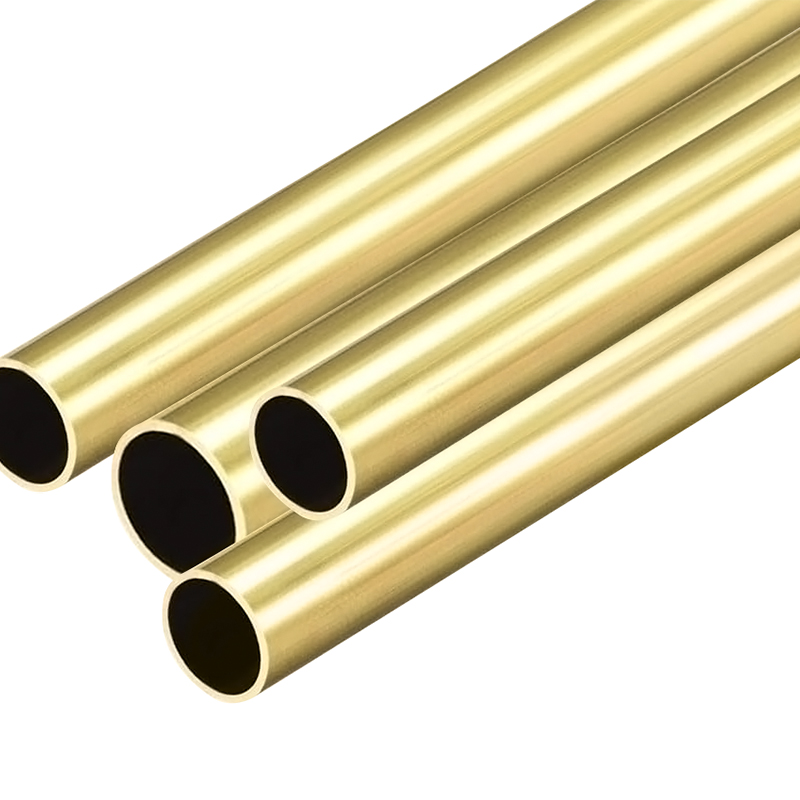
H62 (T27600) Brass Tube is an alloy containing copper and zinc, with copper as the main component, typically containing 62% copper and approximately 38% zinc. The performance of brass tubes in corrosive environments is affected by their chemical composition, especially when the zinc content is high, resulting in relatively weaker corrosion resistance.
General Corrosion: H62 (T27600) Brass Tube has strong corrosion resistance to general climatic conditions and water environments. Due to its high copper content, it can effectively resist oxidation and general acid and alkali corrosion. This makes H62 (T27600) Brass Tube more advantageous than ordinary steel pipes in some outdoor or humid environments, especially in marine environments. However, it should still be protected from prolonged exposure to highly corrosive media, otherwise its surface may be damaged, affecting its performance.
Performance in Acidic Environments: In acidic environments, especially under the action of strong acids such as sulfuric acid and hydrochloric acid, the corrosion resistance of H62 (T27600) Brass Tube is poor. Brass tubes are prone to localized corrosion, forming "pitting corrosion," in strong acidic environments. This is mainly due to the corrosive effect of hydrogen ions in the acidic solution on the metal surface. H62 (T27600) Brass Tube performs well in neutral and slightly acidic environments, but in strong acidic environments, surface corrosion and damage are likely to occur, affecting the long-term use of the pipe.
Performance in Alkaline Environments: Compared to acidic environments, H62 (T27600) Brass Tube performs more stably in alkaline environments. Brass has good alkali resistance, especially in weak and neutral alkaline solutions, where brass tubes can maintain stability for a longer period. However, in extremely high concentrations of alkaline environments, especially under high temperature and high pressure conditions, brass tubes may be corroded, so they are not suitable for long-term use in strong alkaline environments.
Chlorine Corrosion Resistance: In some chlorine-containing environments, H62 (T27600) Brass Tube may be susceptible to "stress corrosion cracking" (SCC), especially at high temperatures, where chloride ions can promote stress corrosion on the brass surface. Therefore, the service life of H62 (T27600) Brass Tube may be significantly affected in chlorine-containing environments, particularly in marine and certain chemical plant applications.
What are the thermal and electrical conductivity of H62 (T27600) Brass Tube? How does it compare to other metal materials?
The thermal and electrical conductivity of H62 (T27600) Brass Tube are primarily influenced by its copper content and alloy composition. Compared to other metal materials, brass tubes offer distinct advantages in certain applications, but also have some limitations.
Thermal Conductivity: H62 (T27600) Brass Tube has good thermal conductivity, but it is lower than that of pure copper. Typically, the thermal conductivity of H62 (T27600) Brass Tube is between 120-160 W/m·K, while pure copper has a thermal conductivity of up to 398 W/m·K. In comparison, aluminum alloys have a thermal conductivity of 205 W/m·K, exhibiting better thermal conductivity. However, due to the corrosion resistance and mechanical wear resistance of H62 (T27600) Brass Tube, it remains a very suitable choice in applications where both thermal conductivity and corrosion resistance are required. In heat exchangers and cooling systems, the thermal conductivity of H62 (T27600) Brass Tube meets the needs of many conventional applications.
Electrical Conductivity: The electrical conductivity of H62 (T27600) Brass Tube is lower than that of pure copper. Typically, the electrical conductivity of H62 (T27600) Brass Tube is approximately 25-40% IACS (International Annealed Copper Standard), while pure copper has an electrical conductivity of 100% IACS. Compared to aluminum alloys, the electrical conductivity of brass tubes is slightly lower. Although the electrical conductivity of H62 (T27600) Brass Tube is lower than that of pure copper, its conductivity is sufficient for most applications, especially in electrical connections and equipment requiring a certain degree of mechanical strength. Compared to stainless steel and other low-conductivity materials, brass tubes have significantly better electrical conductivity, making them suitable for power transmission systems, grounding systems, and electrical connectors.
Comparison with other metals:
- Pure Copper: Pure copper has the highest thermal and electrical conductivity among all metals. Therefore, in applications requiring efficient heat and electrical conduction, pure copper is superior to H62 (T27600) Brass Tube. However, pure copper has relatively low strength and corrosion resistance, so in environments requiring higher strength and corrosion resistance, brass tubes perform better.
- Aluminum Alloy: Aluminum alloy has comparable thermal conductivity to H62 (T27600) Brass Tube, but higher electrical conductivity, making it suitable for applications requiring lightweight materials. However, aluminum alloy has relatively poor corrosion resistance, especially in environments containing moisture and chlorine, where corrosion problems can occur. Therefore, brass tubes offer better stability in these environments.
- Stainless Steel: Stainless steel has significantly lower thermal and electrical conductivity than H62 (T27600) Brass Tube, but its corrosion resistance and mechanical strength are superior. In some highly corrosive environments, stainless steel may be a more suitable choice, but in general applications, the thermal and electrical conductivity of brass tubes make them a well-balanced option.
What is the service life of H62 (T27600) Brass Tube? What maintenance is required during long-term use?
The service life of H62 (T27600) Brass Tube in long-term use is affected by several factors, including the operating environment, workload, maintenance, and the corrosive environment. As an alloy containing copper and zinc, H62 (T27600) Brass Tube exhibits strong corrosion resistance, excellent strength, and good machinability, and is widely used in air conditioning, refrigeration, automotive, and machinery industries. The following describes the performance of H62 (T27600) Brass Tube in long-term use and how maintenance can extend its service life.
Service life in normal operating environments: H62 (T27600) Brass Tube exhibits a good service life in conventional industrial applications. In dry environments and at normal temperatures, the service life of brass tubes can reach more than 10 years. Especially in air conditioning, refrigeration equipment, and heat exchange systems, H62 (T27600) Brass Tube maintains long-term stability due to its superior thermal conductivity and good corrosion resistance. For example, in air conditioning and refrigeration systems, brass tubes can effectively transfer heat and maintain stable system operation.
Service life in highly corrosive environments: In acidic, alkaline, or high-salt environments, the service life of H62 (T27600) Brass Tube will be affected to some extent. Although brass tubes have good corrosion resistance, pitting or corrosion may occur in strong acid, strong alkali, or high-salt concentration environments. Therefore, in these environments, the service life of H62 (T27600) Brass Tube may be shortened, usually to a few years. In such cases, regular inspection and the adoption of anti-corrosion measures are crucial, such as applying a protective coating or using more corrosion-resistant materials.
Regular maintenance and upkeep: To extend the service life of H62 (T27600) Brass Tube, regular maintenance and upkeep are very important. Zhejiang Jingliang Copper-Tube Products Co., Ltd. has accumulated rich maintenance methods over many years of industry experience to ensure that brass tubes can operate stably in different environments. Common maintenance measures include:
Regular Cleaning: Clean the surface of the brass tubes to remove scale, dirt, and other contaminants to prevent them from affecting heat transfer performance. Regular cleaning helps extend the lifespan of the brass tubes and prevents corrosion caused by deposits.
Corrosion Inspection: Regularly inspect the pipes for corrosion, especially in environments containing acids, salts, and chlorine. Identify corrosion points promptly and take corrective measures. Regular inspections can prevent pipe damage or leaks caused by corrosion.
Application of Anti-Corrosion Coatings: In highly corrosive environments, using anti-corrosion coatings can effectively extend the lifespan of brass tubes. Zhejiang Jingliang Copper-Tube Products Co., Ltd. can provide customized anti-corrosion solutions according to customer needs, such as applying anti-corrosion paint, galvanizing, or nickel plating, to enhance the corrosion resistance of the pipes.
Preventing High Temperature and High Pressure: High temperature and high pressure environments can accelerate the aging and corrosion of brass tubes; therefore, it is necessary to avoid using them beyond the material limits. Especially in high-temperature cooling systems, ensure that the temperature is controlled within a safe range.
Company Advantages: Zhejiang Jingliang Copper-Tube Products Co., Ltd. possesses strong production capabilities and advanced technology, and is committed to providing customers with high-quality, long-lasting H62 (T27600) Brass Tubes. Since its establishment in 1994, the company has become a leader in the copper tube industry with its profound industry experience and leading technology. The H62 (T27600) Brass Tubes provided by the company are widely used in heat exchange, refrigeration, air conditioning, automotive, and machinery industries, providing reliable solutions to customers due to their excellent corrosion resistance and stability.
Maintenance and Service: Zhejiang Jingliang Copper-Tube Products Co., Ltd. not only provides high-quality H62 (T27600) Brass Tube products but also offers comprehensive after-sales service to its customers. The company has a professional technical team that can provide customized products and maintenance advice according to customer needs. Regular inspections and technical support enable customers to effectively extend the lifespan of their H62 (T27600) Brass Tubes.

 English
 Español
 中文
中文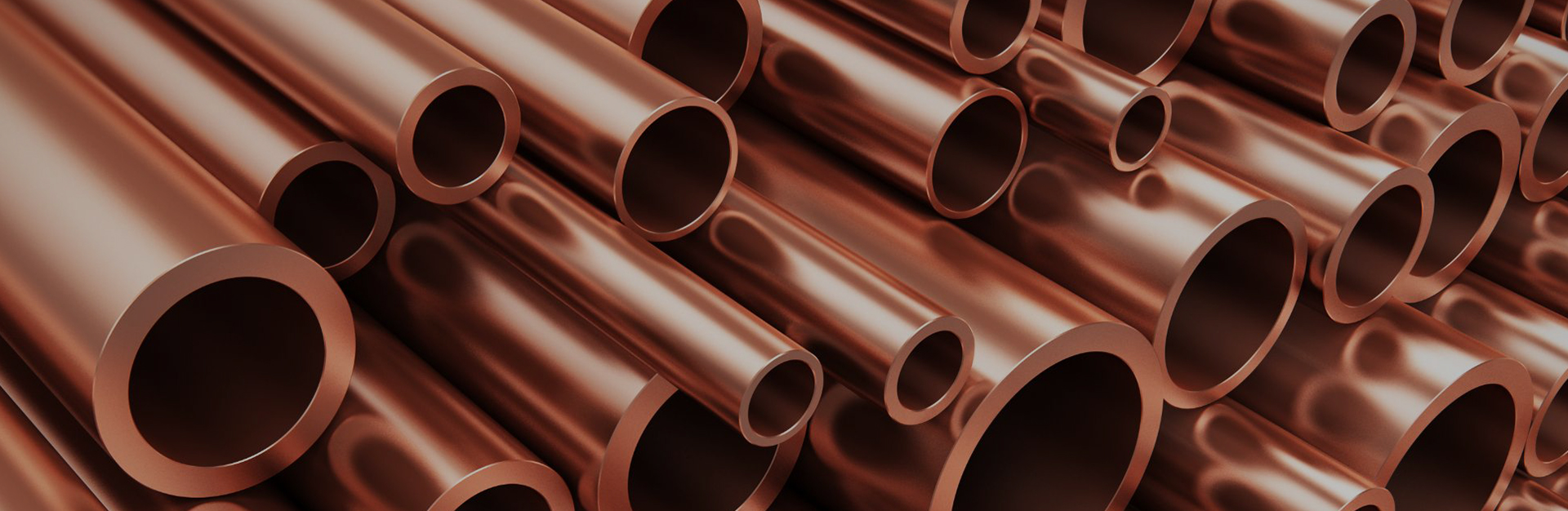
 Tangpu Industrial Zone, Shangyu District, Shaoxing City, Zhejiang Province, China
 +86-13567501345
