 English
 Español
 中文
中文News
Home / News / Industry News / What Happens Inside a Copper Tube Factory? A Simple Guide to How Copper Pipes Are Made
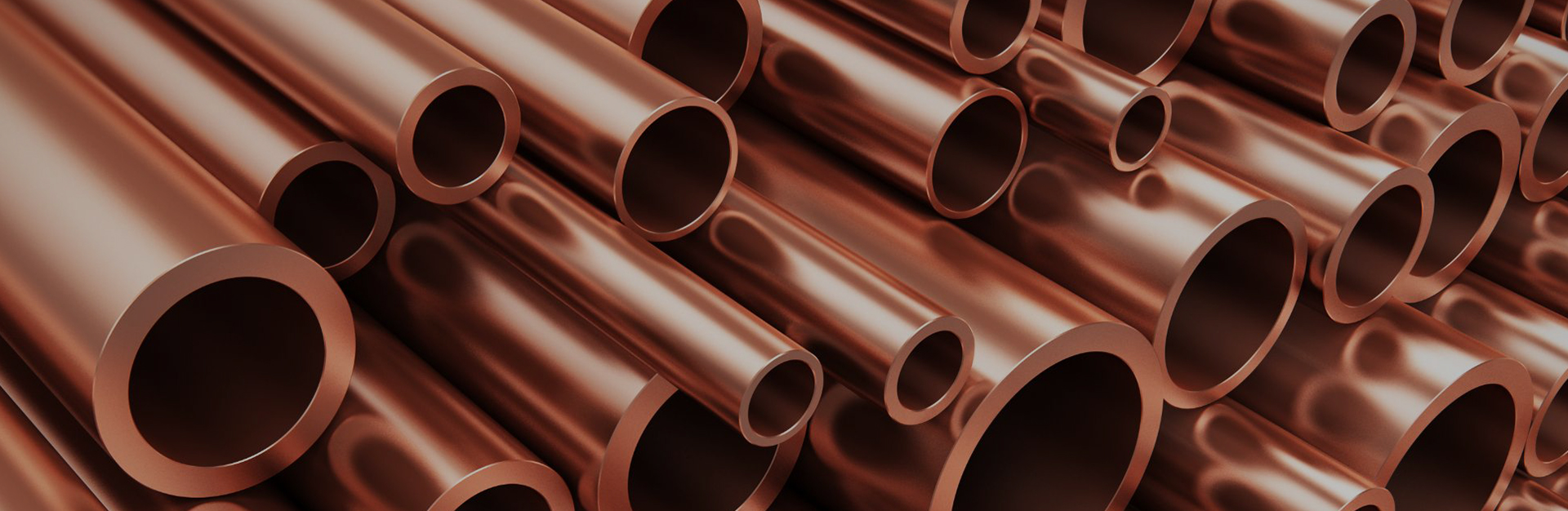
When you walk through a modern city or relax in your air-conditioned home, you are surrounded by a silent hero: the copper tube. While they are usually hidden behind walls or inside complex machinery, these red-metal pipes are the "veins and arteries" of our modern world. But have you ever wondered where they come from?
Every high-performance copper pipe begins its journey in a copper tube factory. These facilities are much more than just noisy workshops; they are high-tech hubs where ancient metallurgy meets futuristic engineering. From the water running through your kitchen tap to the coolant keeping your refrigerator icy cold, the products born in a copper tube factory make our comfortable, modern lifestyle possible.
Walking into a copper tube factory feels like entering a world of fire and precision. The process of turning a heavy block of metal into a thin, hollow tube is a feat of engineering. Let’s break it down into four simple steps:
It all begins with raw copper—often 99.9% pure. In the heart of the copper tube factory, massive furnaces melt this copper at temperatures exceeding 1085°C. Once the metal is liquid, it is cast into solid logs called "billets." Think of these as the giant crayons that will eventually be stretched into miles of tubing.
Now comes the muscle. The factory uses a massive hydraulic press to "squeeze" the heated copper billet through a small hole with a needle in the middle. Imagine squeezing toothpaste out of a tube, but with incredible force. This creates a thick, hollow pipe that is the starting shape of the copper tube.
The pipe is still too thick for your home’s plumbing or AC unit. To fix this, the copper tube factory uses a process called "drawing." The tube is pulled through a series of smaller and smaller dies. Each time it passes through, it gets longer, thinner, and stronger.
Pulling and stretching the metal makes it hard and brittle. To make the copper flexible again—so a plumber can bend it without it snapping—the factory puts the tubes through an "annealing" oven. By carefully heating and cooling the metal, the factory can decide if the final product will be "hard" (straight pipes) or "soft" (coils that you can bend by hand).
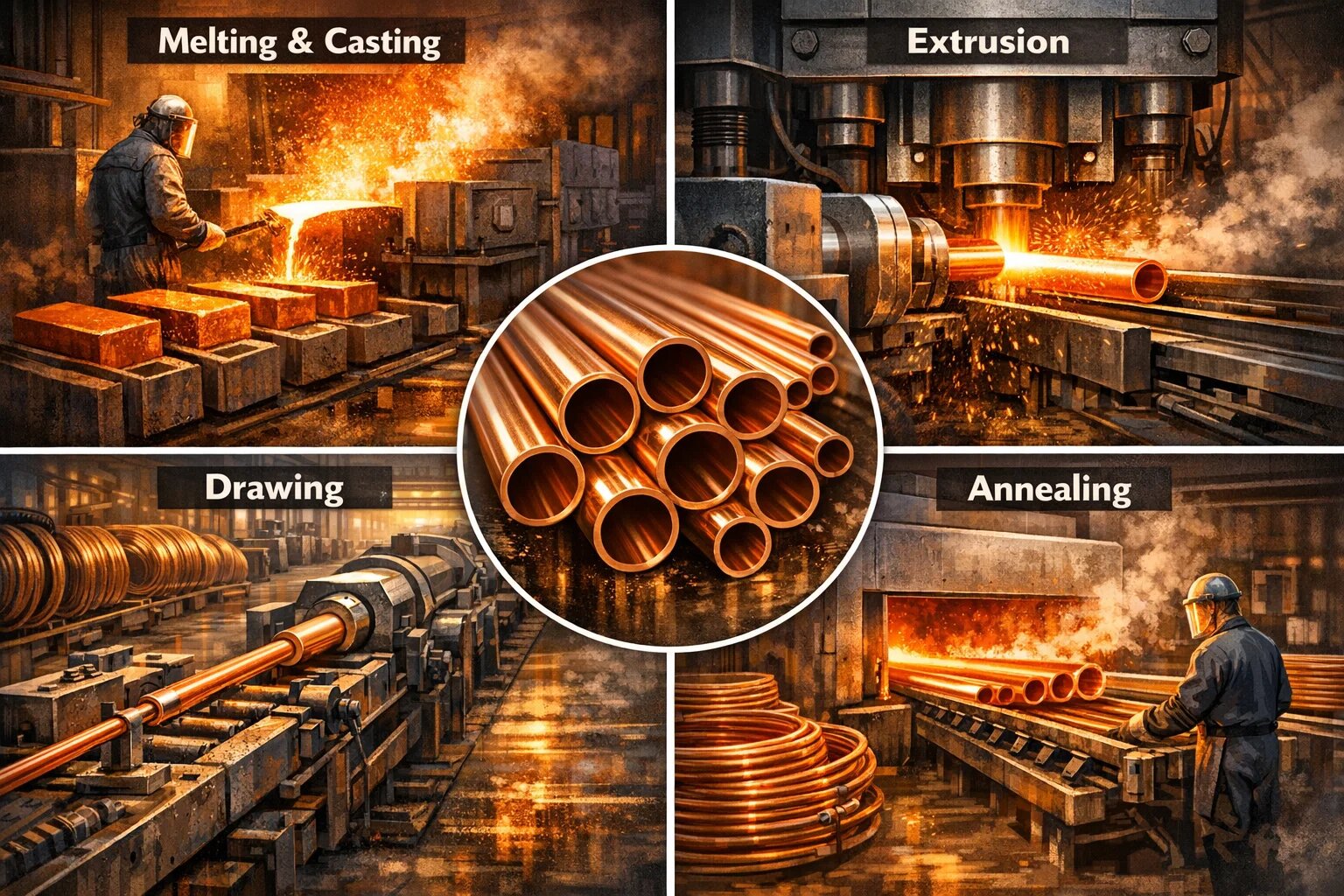
(This image was generated by AI.)
You might wonder, "Why does a copper tube factory even exist when we have plastic or steel?" The answer lies in copper's natural "superpowers":
| Feature | Copper Tubes | Plastic (PEX/PVC) | Steel/Iron |
| Durability | Extremely High (50-100 years) | Moderate (25-40 years) | High (but prone to rust) |
| Health & Safety | Naturally Antimicrobial | Possible chemical leaching | Risk of rust/scale |
| Heat Resistance | Excellent (Fireproof) | Melts at high temps | Good |
| Recyclability | 100% Recyclable | Difficult/Limited | 100% Recyclable |
| Best Use Case | High-end plumbing & AC | Budget residential DIY | Industrial heavy-duty |
In a copper tube factory, there is no room for error. A tiny hole the size of a needle-tip could cause a massive water leak in a skyscraper or ruin a refrigerator. This is why "Quality Control" is the most important department in the building.
Before any tube leaves the copper tube factory, it must pass several "health checks":
One of the coolest things about a copper tube factory today is its commitment to the planet. Copper is one of the few materials that can be recycled 100% without losing any quality.
Many modern factories act as "recycling hubs." They take old wires, roof sheets, and used pipes, melt them down, and turn them into brand-new tubes. This uses much less energy than mining new copper from the ground. As the world moves toward electric vehicles and renewable energy (which both need lots of copper), the copper tube factory is becoming a key player in the "Green Revolution."
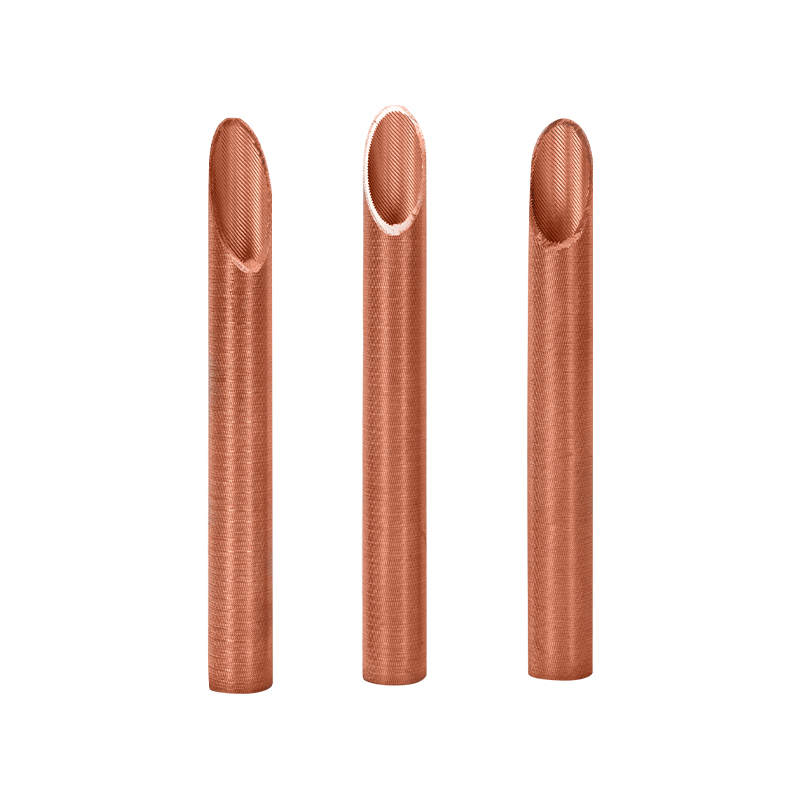
The copper evaporator tube adopts a unique fin design, and the external fins are equipped with specially designed interconnected channels, so that eac...
See Details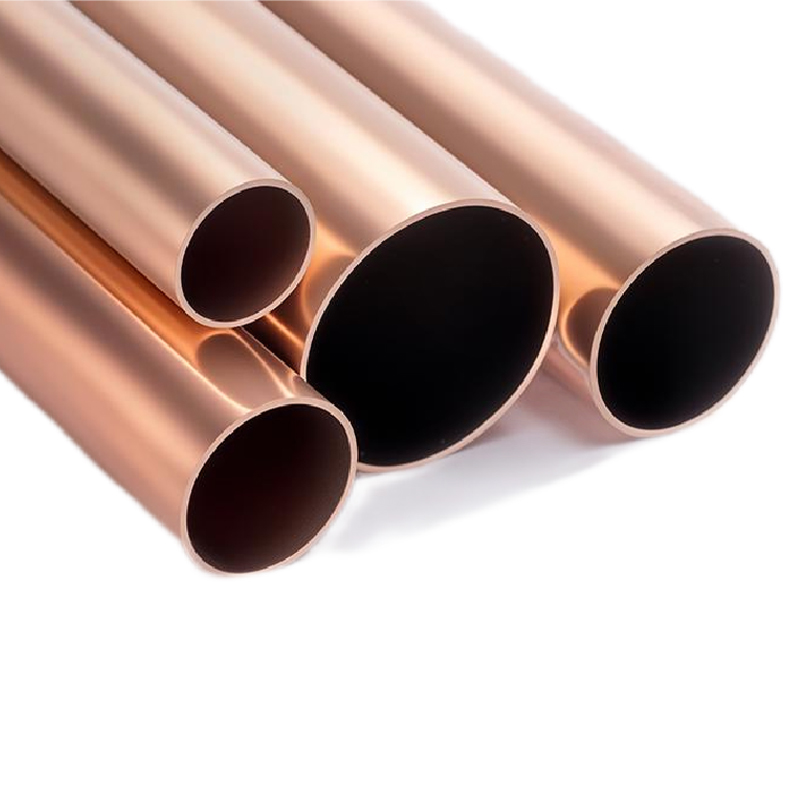
The Copper Water Tube produced by our company is a high-performance copper tube suitable for hot and cold water systems and heating applications. It h...
See Details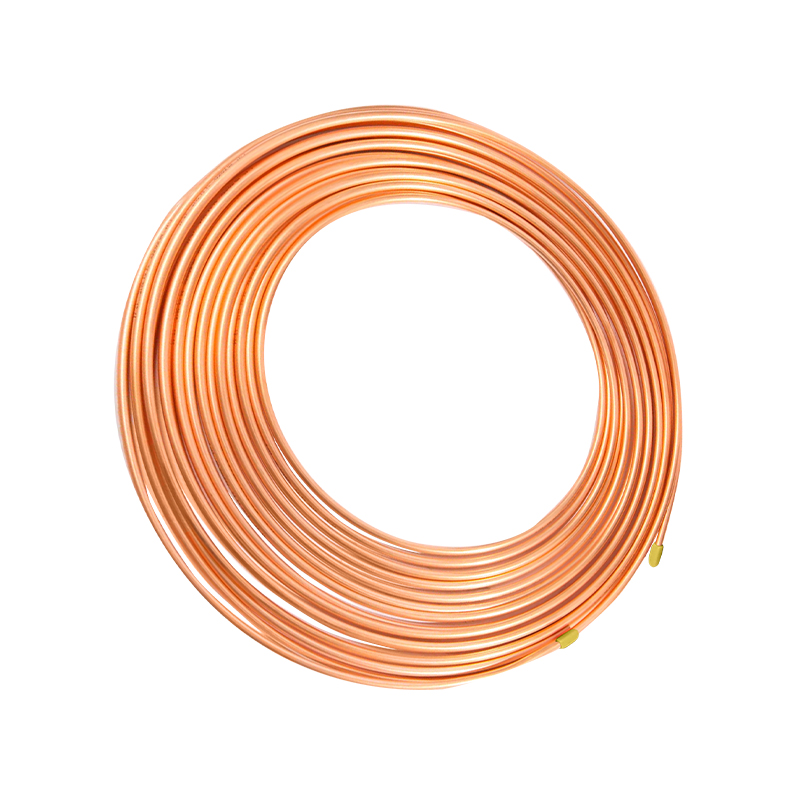
Copper capillary tube is usually manufactured by precision machining, and its dimensional accuracy can reach one thousandth of an inch. This ultra-hig...
See Details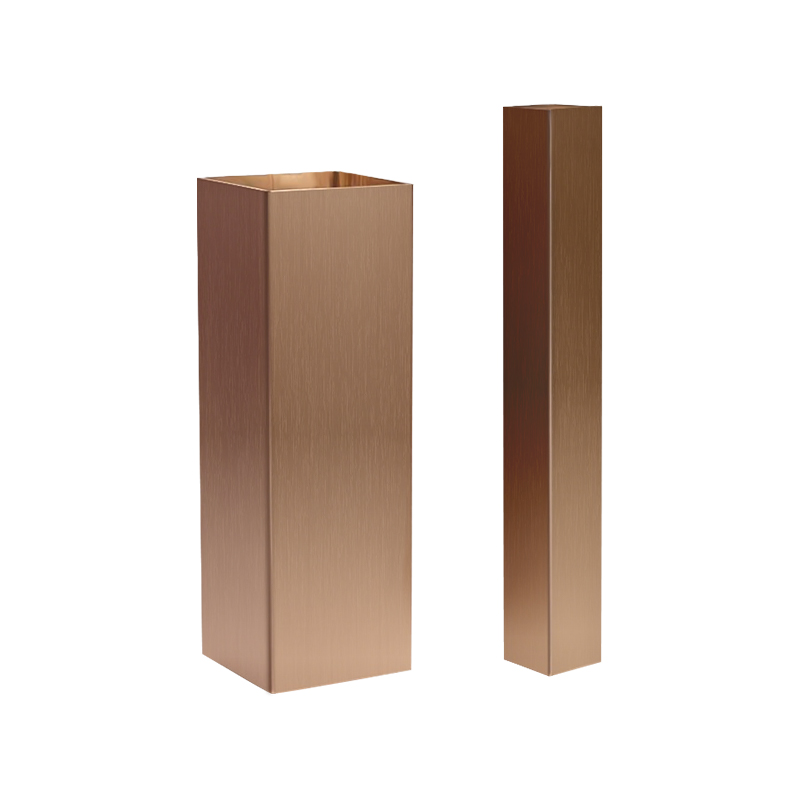
Copper square tube is a metal tube with a hollow square cross-section. It is made of high-purity copper or copper alloy materials through multiple pre...
See Details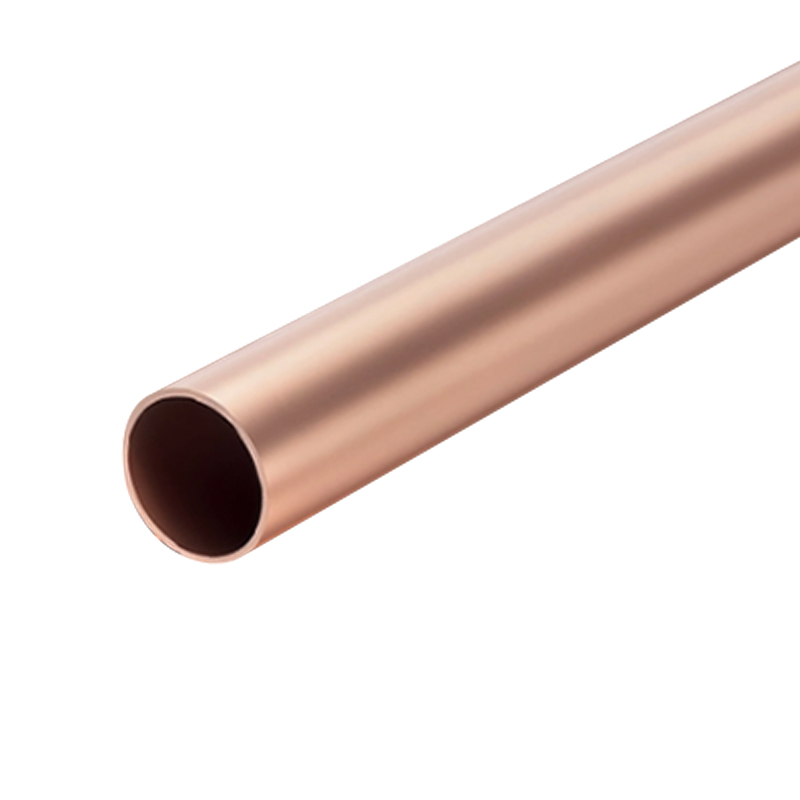
Copper Tube is made of high-purity copper material with a copper content of not less than 99.9%. The main material codes are T11050 and C12200(DHP), a...
See Details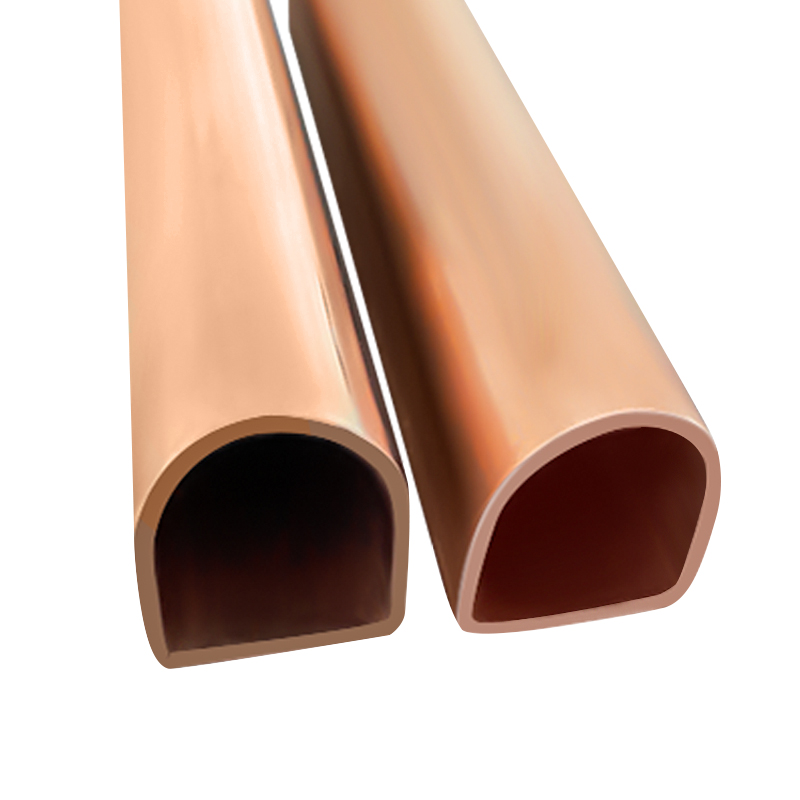
Special-shaped copper tube refers to all copper tubes with cross sections other than circular, including hexagonal, semi-elliptical, octagonal, etc., ...
See Details
 Tangpu Industrial Zone, Shangyu District, Shaoxing City, Zhejiang Province, China
 +86-13567501345
© Zhejiang Jingliang Copper-Tube Products Co., Ltd All rights reserved.

