 English
 Español
 中文
中文News
Home / News / Industry News / Seamless Thick Wall Copper Tube: Wall Thickness, Standards and Buying Guide
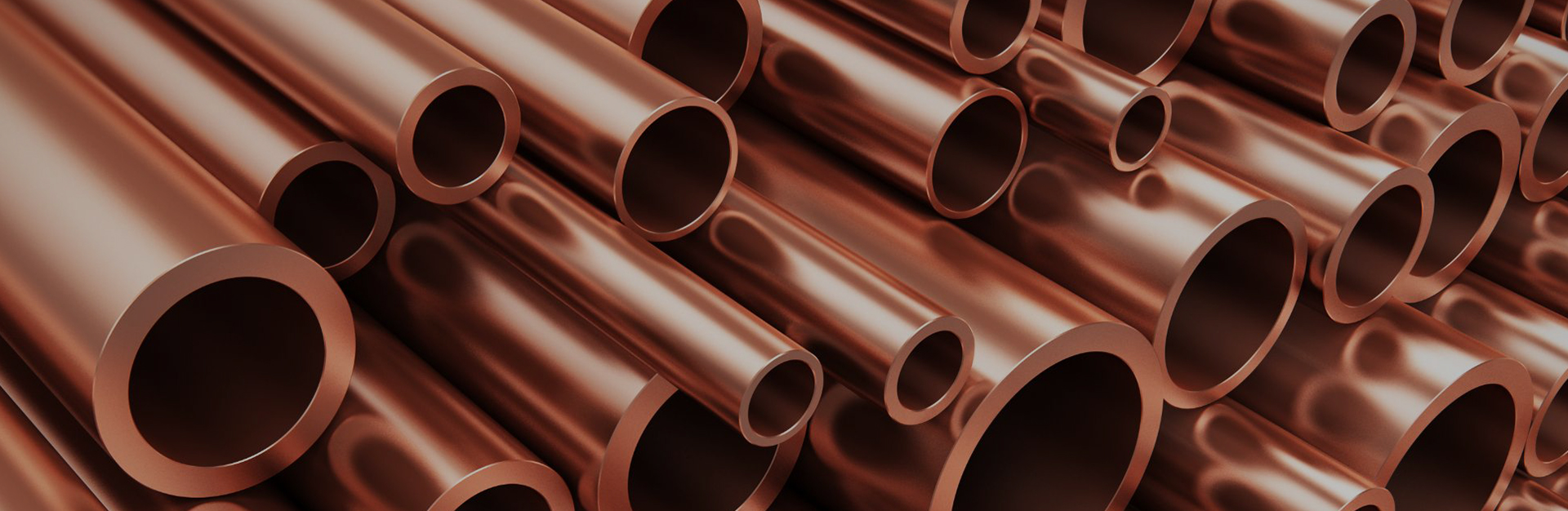
A process engineer ordering copper tube for a high-pressure heat exchanger soon learns that “copper tube” is not a single product. A thin-wall refrigeration line is easy to bend, but it cannot handle the same internal pressure or machining allowance as a thick wall copper tube. The wall thickness determines how much material is available for the fluid to push against and for the installer to thread, flare, or reduce.
The practical conclusion is simple: choose a seamless thick wall copper tube when the service is demanding, and spend the time upfront to verify wall thickness, temper, and manufacturing method. This article explains what “thick wall” actually means, why seamless construction is preferred for critical lines, and what to put in a purchase specification.
In standard copper tubing, “thick wall” is a comparative term. The American standard ASTM B88 defines three common wall designations for plumbing and general fluid lines: Type K, Type L, and Type M. All three can have the same outside diameter, but their internal diameters and pressure ratings differ because the walls are not the same thickness. Type K has the thickest wall of the three and is the usual default for high-pressure or buried lines. Type L is a general-purpose wall, and Type M is the lightest of the trio.
| Designation | Relative wall thickness | Typical service |
|---|---|---|
| Type K | Thickest | High-pressure, underground and commercial piping |
| Type L | Medium | Interior plumbing, general water distribution |
| Type M | Thinnest | Residential service, moderate pressure |
Even Type K is not automatically a “thick wall” product in the industrial sense. Many suppliers use the term for a range of tube whose wall thickness is heavier than the standard series for that diameter, or for tubes made to custom dimensions rather than a standard plumbing table. If you ask for a thick wall copper tube, make the target wall measurable by stating the outside diameter and the minimum wall thickness.
A thicker wall does not simply make the tube stronger. It also changes the flow area, the weight per meter, and the amount of copper available for machining. A fitting that needs to be threaded or machined from the tube end will fail if the remaining wall is too thin after the cut. For mechanical components such as spacers, sleeves, and bus bars, thick wall tube is often used as a raw material for turning rather than as a fluid carrier.
A seamless tube starts as a solid billet that is pierced, extruded, and drawn to size. There is no longitudinal weld seam, which means the wall is continuous and the grain structure is more uniform around the circumference. Welded tube can be produced faster in some cases, but the weld zone is a potential weak point under pressure cycling, vibration, or corrosive media. For critical applications, the safe choice is a seamless copper tube with documented wall dimensions.
A thin-wall tube is sufficient for many domestic water lines and refrigerator connections. A thick wall version becomes necessary when one of four things is true: the internal pressure is high, external loads are severe, the tube will be machined, or the service fluid will slowly corrode the bore over time.
The most common field failure is the opposite mistake: using a standard wall because it is cheaper and easier to bend. A tube that is too thin can collapse during bending, burst under pressure, or lose its entire wall after a single threading pass. Going thicker without calculating the bore can also reduce flow enough to affect system performance, so the specification should always include the minimum acceptable inner diameter.
The governing standard for a thick wall copper tube depends on where it will be used. For air conditioning and refrigeration lines, ASTM B280 is a common choice in North America and many export markets. European projects often reference EN 12735, and Japanese-designed equipment may expect JIS H3300. These standards define wall thickness tolerances, temper designations, and internal cleanliness requirements. If the tube is for a refrigerant circuit, specify a standard rather than a generic plumbing pipe. You can find suppliers that maintain ASTM B280 compliant tubes with the clean, dry bore that refrigeration work requires.
Most seamless thick wall tube is made from deoxidized copper. C12200, a phosphorus-deoxidized copper, is one of the most common grades because it withstands the heat of brazing and soldering far better than electrolytic tough-pitch copper. When the tube will be joined into a system with fittings, the grade is as important as the wall thickness. A small amount of residual phosphorus lowers the risk of porosity in the joint and keeps the base metal sound.
Do not send a request that only says “thick wall copper tube.” The mill and the buyer need to agree on the exact product definition. The essential points are outside diameter, wall thickness, tolerance, temper, length, and the governing standard.
Because thick wall tube takes longer to draw, anneal, and straighten, expect a longer lead time than for standard refrigeration tube. That is not a sign of inefficiency; it is the cost of producing a material with enough cross-section for demanding duty. A few extra weeks in the schedule are preferable to a failure in service.
A trader can sell you a coil that matches a catalog number, but a manufacturer can answer metallurgical questions and control tolerances from the melt shop to the final inspection. For repeated orders, a factory-direct copper tube supply reduces the risk of inconsistent wall thickness and mixed materials between batches.
If you are comparing options, the thick wall copper tube page from Zhejiang Jingliang shows the kind of product range and process depth to expect from an integrated copper tube manufacturer. Use it as a reference before you send inquiries, and ask every potential supplier for the same level of detail.
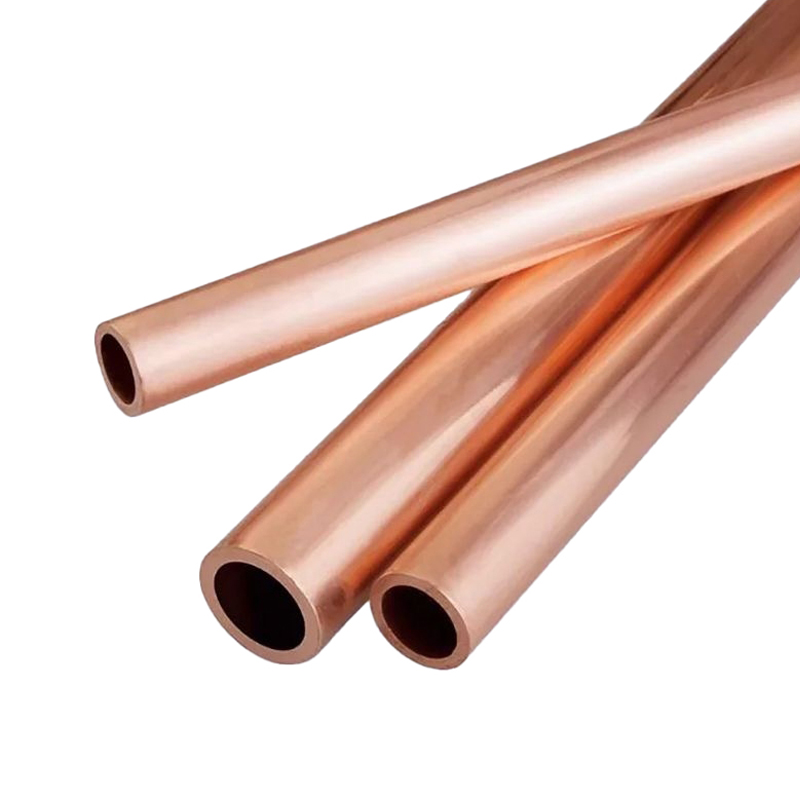 Thick wall copper tubeThick-walled copper ...View Product →
The final advice is simple: make the wall thickness and the seamless requirement explicit in every document, confirm that the supplier can prove compliance, and choose a manufacturer whose production line gives you control from billet to finished tube.

Thick-walled copper tubes are also called seamless thick-walled copper tubes. Thick-walled copper tubes are manufactured by a hot extrusion process, w...
See Details
Copper Tube is made of high-purity copper material with a copper content of not less than 99.9%. The main material codes are T11050 and C12200(DHP), a...
See Details
The Copper Water Tube produced by our company is a high-performance copper tube suitable for hot and cold water systems and heating applications. It h...
See Details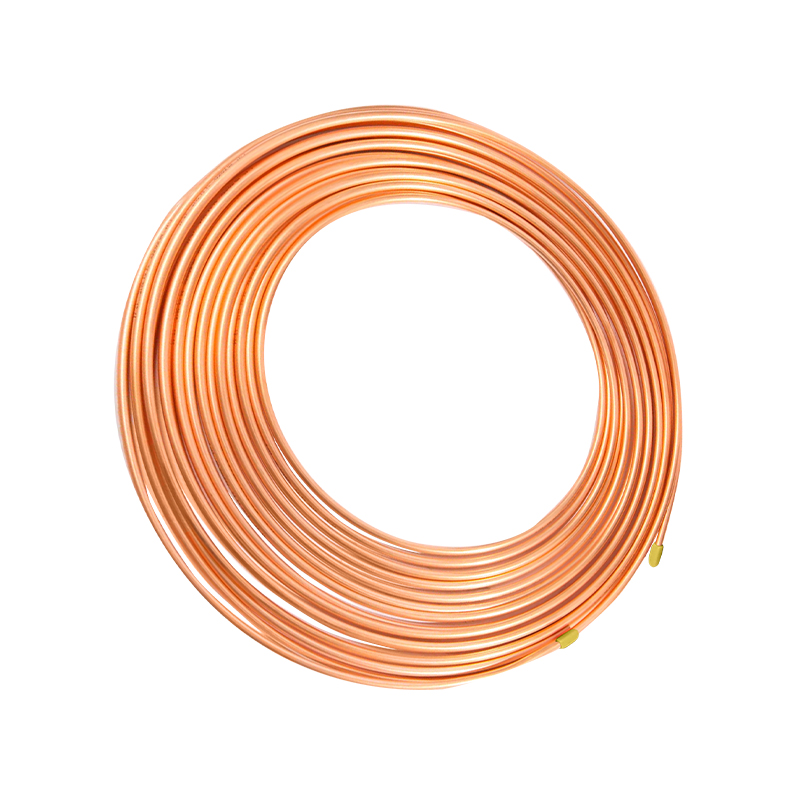
Copper capillary tube is usually manufactured by precision machining, and its dimensional accuracy can reach one thousandth of an inch. This ultra-hig...
See Details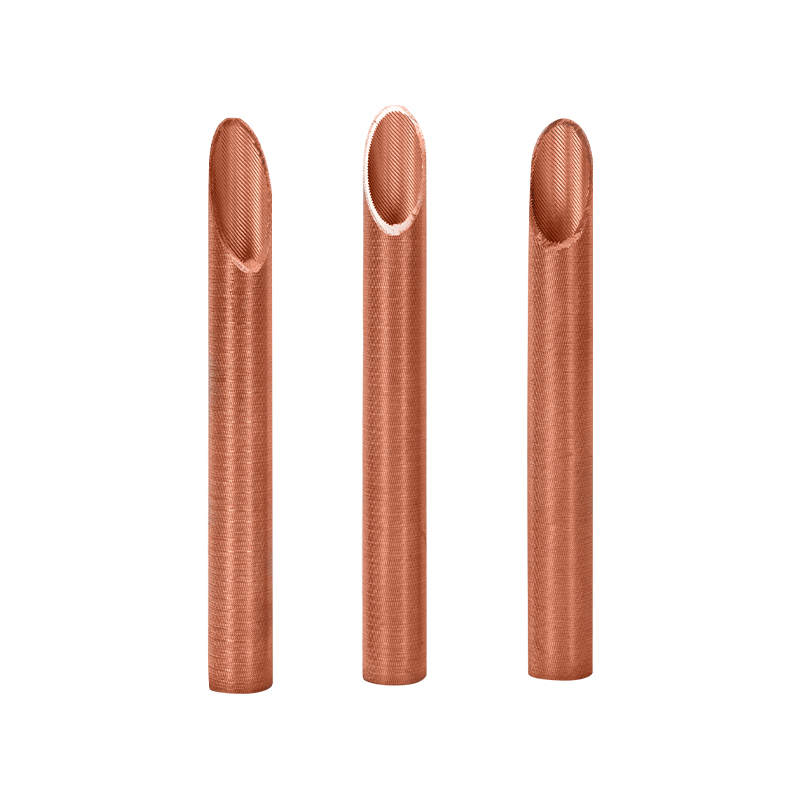
The copper evaporator tube adopts a unique fin design, and the external fins are equipped with specially designed interconnected channels, so that eac...
See Details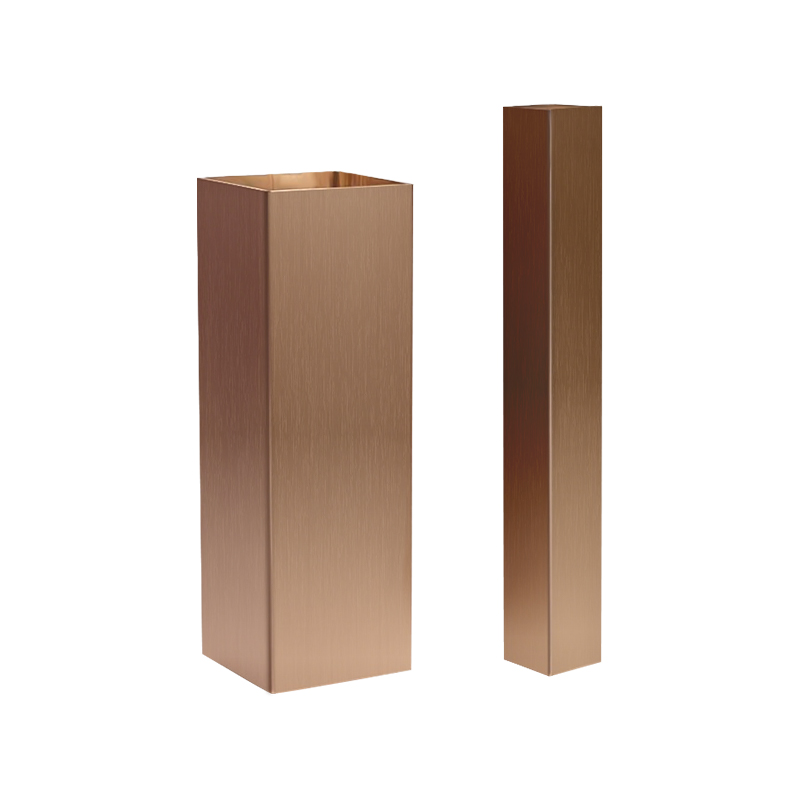
Copper square tube is a metal tube with a hollow square cross-section. It is made of high-purity copper or copper alloy materials through multiple pre...
See Details
 Tangpu Industrial Zone, Shangyu District, Shaoxing City, Zhejiang Province, China
 +86-13567501345
© Zhejiang Jingliang Copper-Tube Products Co., Ltd All rights reserved.

