A reliable copper tube manufacturer is defined by three things: consistent wall-thickness tolerance, verified alloy purity, and traceable batch testing. Buyers who check these three factors before placing an order avoid roughly 80% of the quality disputes that occur in copper tube procurement, according to industry inspection reports. This article breaks down what separates a dependable copper tube factory from one that cuts corners, and how to evaluate suppliers using measurable criteria rather than marketing claims.
Copper tube is used in plumbing, HVAC, refrigeration, and industrial heat exchange because of two physical properties that few materials combine: high thermal conductivity and strong corrosion resistance. Most copper tube for these uses is made from C12200 phosphorus-deoxidized copper (Cu-DHP), which contains 99.9% copper with a controlled phosphorus content of 0.015% to 0.040%. This small phosphorus addition is what allows the tube to be brazed and welded without cracking, while still maintaining a thermal conductivity of approximately 330 W/m·K.
By comparison, aluminum tubing conducts heat at roughly 200 W/m·K less, which is why copper remains the default choice for condensers, evaporators, and refrigerant lines despite its higher raw material cost. Tensile strength for C12200 copper tube ranges from 221 to 379 MPa depending on temper, giving fabricators flexibility to choose soft-annealed tube for coiling or hard-drawn tube for rigid runs.
Under the ASTM B88 standard, copper water tube is classified into three wall-thickness categories, and a fourth designation covers air-conditioning and refrigeration service. Choosing the wrong type is one of the most common mistakes buyers make when sourcing from a copper tube supplier, since the outside diameter looks identical across types even though wall thickness and pressure rating differ significantly.
| Type | Wall Thickness | Typical Temper | Common Application |
|---|---|---|---|
| Type K | Thickest | Hard or Soft | Underground service, fire protection, solar |
| Type L | Medium | Hard or Soft | Interior plumbing, HVAC, compressed air |
| Type M | Thinnest | Hard | Above-ground light-duty plumbing |
| ACR / B280 | Varies | Cleaned, capped, dry | Refrigerant lines, split-system AC |
A genuine copper tube factory will always state the type on the mill certificate and stamp it on straight lengths in colored lettering: green for K, blue for L, and red for M. If a supplier cannot provide this marking or a matching mill test report, treat the order as unverified regardless of price.
Manufacturing seamless copper tube involves extruding a heated copper billet into a hollow shell, then cold-drawing it through progressively smaller dies to reach final diameter and wall thickness. Each drawing pass work-hardens the copper, so tube destined for hard-drawn (straight-length) delivery skips the final anneal, while soft coil tube goes through a bright-annealing furnace to restore ductility.
Factories that run this full sequence typically issue a mill certificate referencing the specific ASTM B88, B280, or B75 clause the batch was tested against. A supplier who only offers a generic "quality guaranteed" statement without lot numbers is a warning sign, since traceability is what allows a buyer to hold the mill accountable if a leak or failure occurs after installation.
Sourcing copper tube from a trading company versus buying direct from a copper tube factory changes both price and accountability. A direct-mill relationship typically saves 8% to 15% on large-volume orders because it removes a distribution markup, but it also means the buyer takes on more responsibility for verifying documentation. The following questions separate suppliers who manufacture to spec from those who simply repackage tube of unknown origin.
| Question | Compliant Answer |
|---|---|
| Which alloy and UNS number is used? | C12200 (Cu-DHP), with phosphorus content stated |
| Can you provide a mill test report per lot? | Yes, with lot number matching the shipment |
| Is the tube eddy-current or hydro tested? | Yes, 100% of production, not sample-based |
| What is the standard coil length or straight length? | 20 ft (6.096 m) straight lengths are the ASTM B88 standard |
| Does NSF/ANSI 61 certification apply? | Confirmed for tube intended for potable water systems |
Field failure investigations in plumbing and refrigeration systems repeatedly point to the same handful of manufacturing shortcuts. Recognizing these patterns helps buyers ask more targeted questions during supplier qualification rather than relying on a general quality claim.
ASTM B88 permits a tolerance band, but some mills draw tube to the thin edge of that band on every length to save material cost. Over a full building's plumbing run, this can reduce the average wall thickness enough to lower burst pressure by a measurable margin, even though each individual length technically passes inspection.
Phosphorus content outside the 0.015% to 0.040% window makes the tube either brittle during brazing or more prone to hydrogen embrittlement in high-temperature service. This is a chemistry issue that cannot be detected visually, which is why a certified chemical composition report is non-negotiable for industrial buyers.
Refrigeration-grade tube must ship clean, dry, and sealed at both ends. Tube that sits uncapped in a warehouse before shipment can pick up moisture and dust that later contaminate a sealed refrigerant system, leading to compressor damage that costs far more than the price of the tube itself.
Selecting the correct type is driven by operating pressure, installation method, and whether the run is buried or exposed. Type K is required for any underground water service line in most municipal codes because its thicker wall resists soil pressure and accidental damage during backfill. Type L covers the majority of interior commercial plumbing and is the most commonly stocked type across copper tube suppliers globally. Type M, being thinnest, is restricted in many jurisdictions to above-ground, low-pressure branch lines only, and some local codes do not permit it at all, so confirming local code compliance with the supplier before ordering is a necessary step rather than an optional one.
For refrigerant lines, size is expressed in actual outside diameter rather than the nominal sizing used for K, L, and M water tube, and mixing the two sizing systems during procurement is a frequent and costly ordering error.
International sourcing can lower unit cost, but it adds logistics and verification steps that domestic purchasing does not require. Buyers who skip pre-shipment inspection on overseas orders report a materially higher rate of dimensional or documentation disputes after the goods arrive, since claims become far harder to resolve once tube has cleared customs and reached a job site.
A copper tube factory with an established export track record will generally provide this documentation without hesitation, since it is part of their standard shipping process rather than an added request.
Content
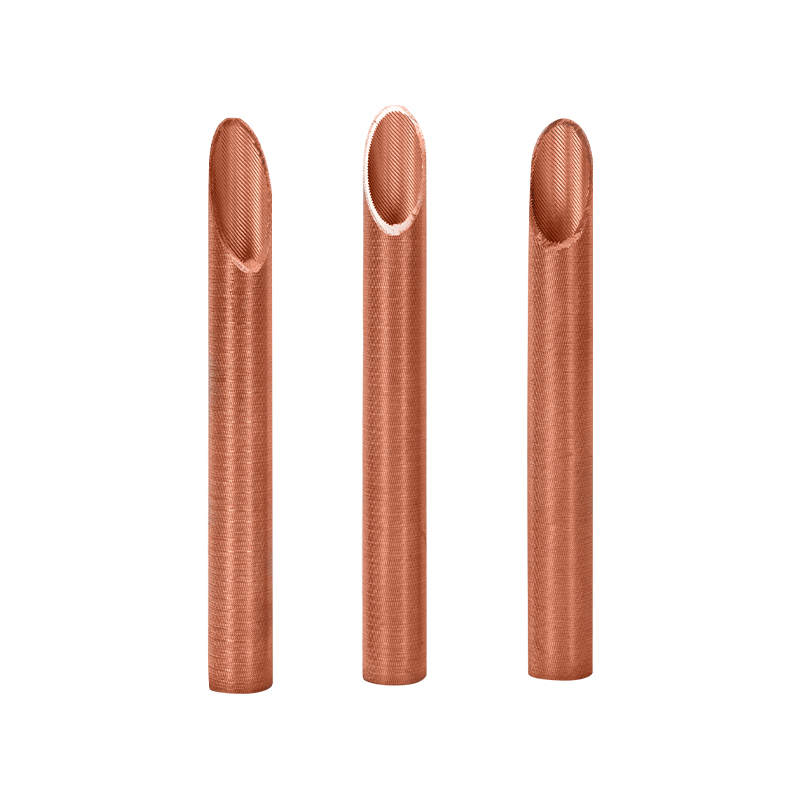
The copper evaporator tube adopts a unique fin design, and the external fins are equipped with specially designed interconnected channels, so that eac...
See Details
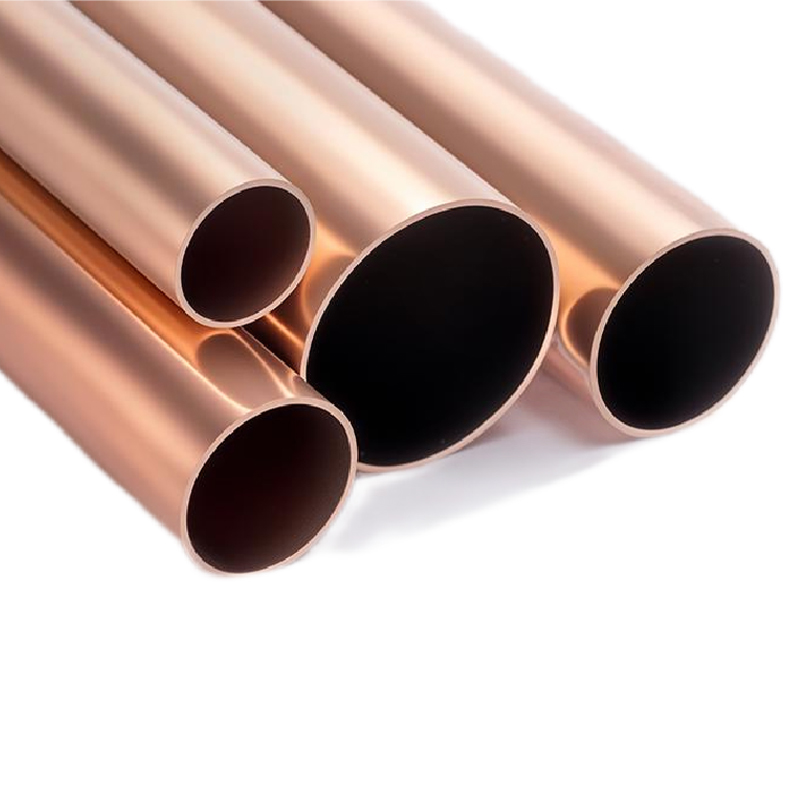
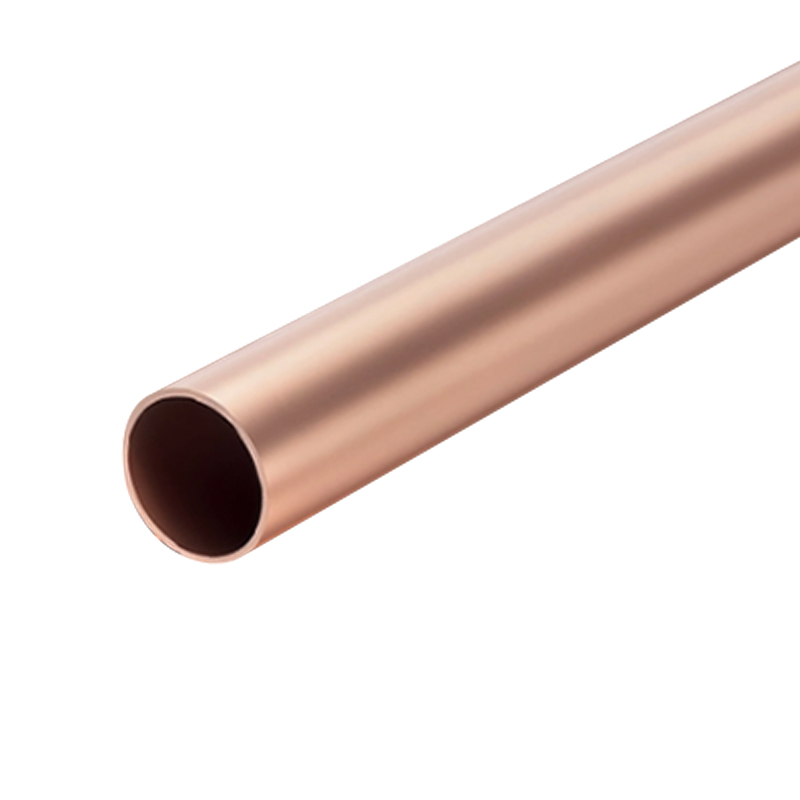
The Copper Water Tube produced by our company is a high-performance copper tube suitable for hot and cold water systems and heating applications. It h...
See Details
Copper capillary tube is usually manufactured by precision machining, and its dimensional accuracy can reach one thousandth of an inch. This ultra-hig...
See Details
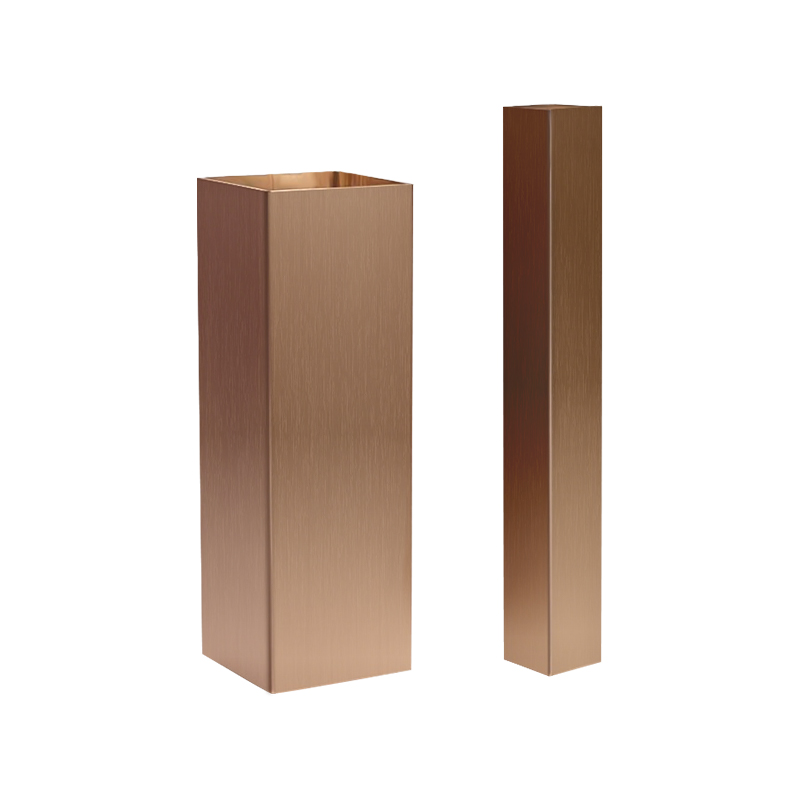
Copper square tube is a metal tube with a hollow square cross-section. It is made of high-purity copper or copper alloy materials through multiple pre...
See Details
Copper Tube is made of high-purity copper material with a copper content of not less than 99.9%. The main material codes are T11050 and C12200(DHP), a...
See Details
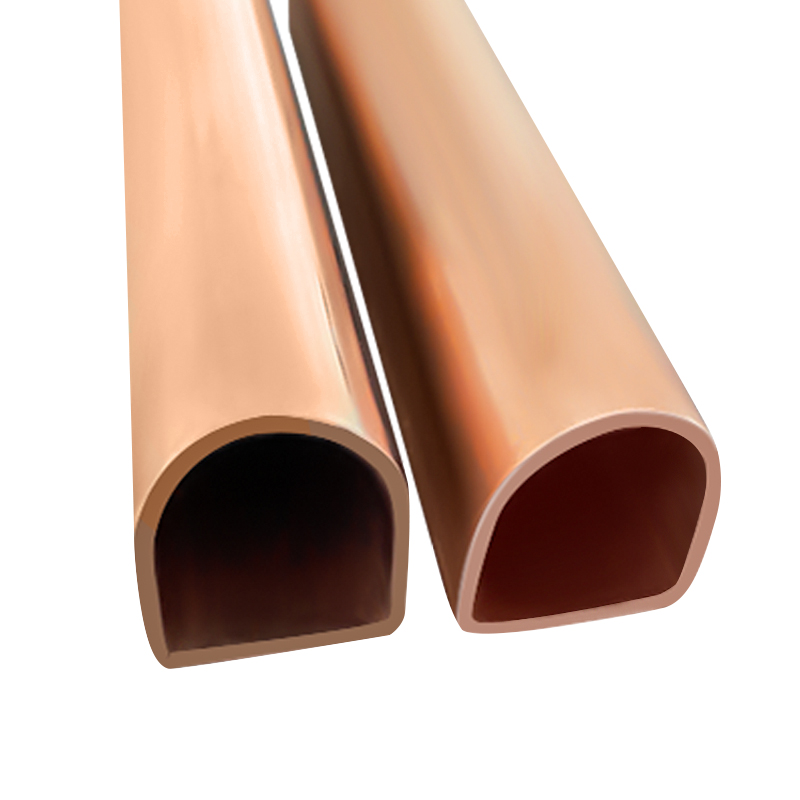
Special-shaped copper tube refers to all copper tubes with cross sections other than circular, including hexagonal, semi-elliptical, octagonal, etc., ...
See Details