 English
 Español
 中文
中文News
Home / News / Industry News / Performance Differences and Selection Guidelines: Cold Rolled Copper Tube vs. Hot Rolled Copper Tube — Which One Is Right for Your Application?
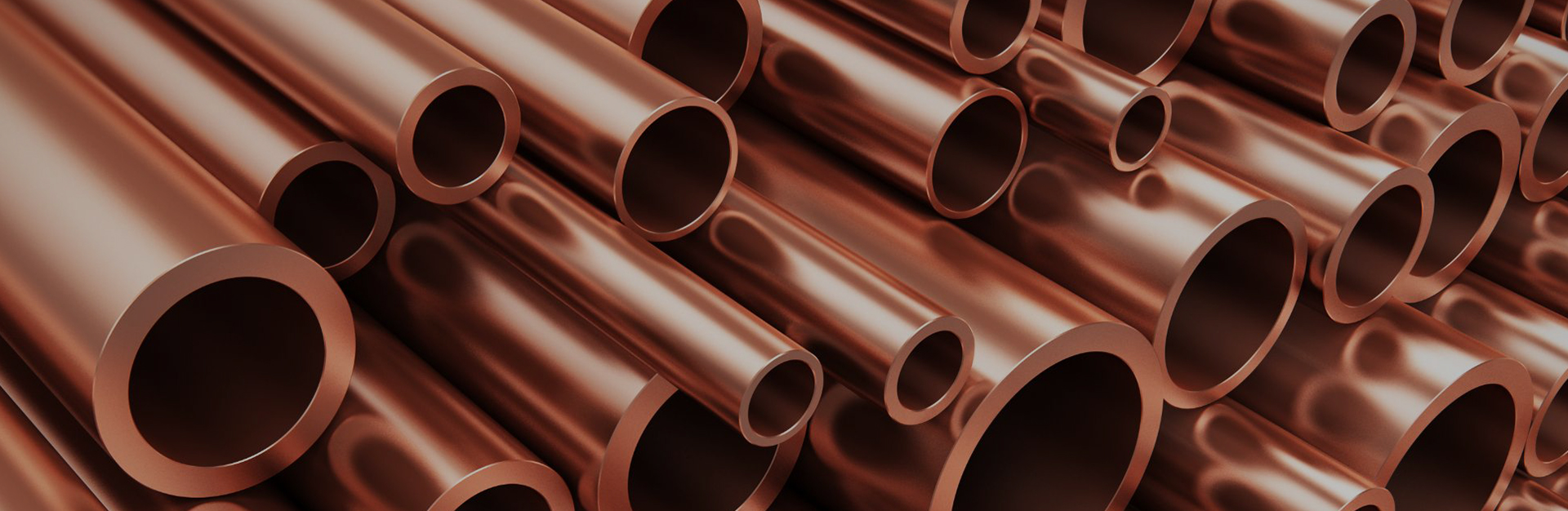
Copper tubes are essential components in industries such as HVAC&R, refrigeration, electronics, plumbing, automotive manufacturing, and industrial equipment. As global demand for efficient and reliable materials continues to grow, many buyers work closely with a professional copper tube factory to select products that meet specific technical and application requirements. Among the most common options, cold rolled copper tube and hot rolled copper tube differ significantly in performance, processing, and suitability.
The manufacturing process is the foundation of performance differences between cold rolled and hot rolled copper tubes. A qualified copper tube factory typically offers both options to serve diverse market demands.
Hot rolled copper tubes are produced by heating copper billets above the recrystallization temperature and rolling them into tubular shapes. At elevated temperatures, copper becomes more workable, allowing for efficient shaping and high output. After rolling, the tubes are cooled and may undergo basic finishing operations.
Cold rolled copper tubes are manufactured by further processing hot rolled tubes at room temperature or below the recrystallization point. This process involves multiple rolling or drawing stages, often combined with intermediate annealing to control hardness and structure. The result is a tube with improved dimensional precision and enhanced mechanical properties.

Mechanical performance is one of the most important criteria when selecting copper tubes from a copper tube factory.
Cold rolled copper tubes generally offer higher tensile strength and yield strength. The cold working process causes strain hardening, refining the grain structure and increasing resistance to deformation. These properties are especially valuable in applications involving internal pressure, vibration, or mechanical load.
Hot rolled copper tubes, on the other hand, tend to be softer and more ductile. Their lower strength is offset by improved formability, making them easier to bend, expand, or flare during installation. This flexibility is advantageous in construction and general piping systems.
Dimensional precision is another area where cold rolled copper tubes show clear advantages.
Cold rolled copper tubes are known for tight tolerances, uniform wall thickness, and consistent outer diameter. A modern copper tube factory uses advanced rolling and inspection equipment to ensure accuracy, which is critical for refrigeration systems, heat exchangers, and electronic components.
Hot rolled copper tubes typically have broader tolerances, as thermal expansion and cooling can introduce minor dimensional variations. While acceptable for many industrial and plumbing applications, this level of precision may not be sufficient for systems requiring exact fits or automated assembly.
Surface quality affects not only appearance but also performance, especially in systems involving fluid flow or heat transfer.
Cold rolled copper tubes feature a smooth and clean surface finish, reducing friction and improving compatibility with brazing, coating, or plating processes. This makes them a preferred choice for high-end applications supplied by specialized copper tube factories.
Hot rolled copper tubes may exhibit a rougher surface texture, sometimes with oxidation marks resulting from high-temperature processing. Additional surface treatment may be required if appearance or cleanliness standards are higher.
Copper’s natural conductivity is one of its most valuable characteristics, and both tube types retain this advantage.
Hot rolled copper tubes often maintain slightly higher conductivity, as they undergo less work hardening. This can be beneficial in applications where thermal or electrical efficiency is prioritized over mechanical strength.
Cold rolled copper tubes may experience a minor reduction in conductivity, though this difference is typically small and well within industry standards. Most copper tube factory products are designed to meet application-specific conductivity requirements through controlled processing.
Different industries rely on different copper tube characteristics, and a professional copper tube factory usually recommends products based on end-use conditions.
Typical Applications of Cold Rolled Copper Tube:
Typical Applications of Hot Rolled Copper Tube:
Cost considerations often influence purchasing decisions, especially for large-scale projects.
Hot rolled copper tubes are generally more cost-effective, as the production process is faster and requires fewer processing steps. Many copper tube factories supply hot rolled tubes for projects where standard performance is sufficient and cost control is essential.
Cold rolled copper tubes involve additional rolling, drawing, and quality control steps, which increases production costs. However, the improved performance, precision, and longer service life often justify the investment, particularly in high-demand applications.
When choosing between cold rolled and hot rolled copper tubes, working with an experienced copper tube factory can help ensure the best outcome. Key selection factors include:
1. Precision Requirements: Cold rolled copper tubes are recommended when strict dimensional control is required.
2. Strength and Pressure Resistance: Applications involving higher operating pressure benefit from cold rolled copper tubes.
3. Formability Needs: Hot rolled copper tubes are easier to bend and shape during installation.
4. Surface Quality Expectations: Cold rolled copper tubes offer smoother surfaces for demanding environments.
5. Project Budget: Hot rolled copper tubes provide a practical balance between performance and cost.
6. Operating Conditions: Temperature, pressure, and environmental exposure should guide material selection.
As industries focus on energy efficiency, system reliability, and precision manufacturing, demand for cold rolled copper tube products continues to rise. Many copper tube factories are investing in advanced rolling technology, automated inspection systems, and customized production capabilities to meet evolving market requirements.
At the same time, hot rolled copper tubes remain a core product for infrastructure, construction, and general industrial markets, supported by stable global demand.
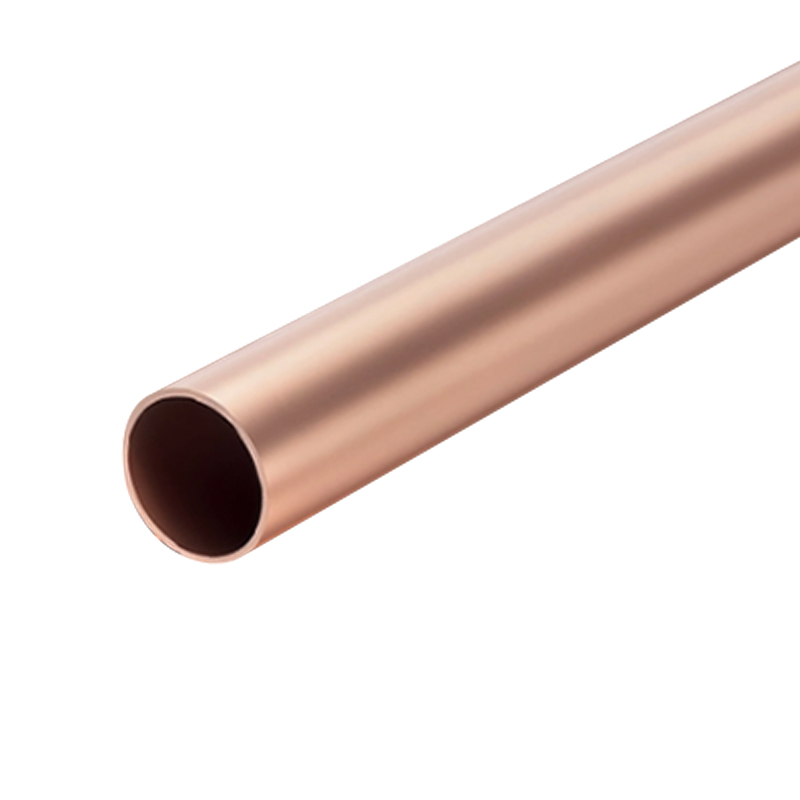
Copper Tube is made of high-purity copper material with a copper content of not less than 99.9%. The main material codes are T11050 and C12200(DHP), a...
See Details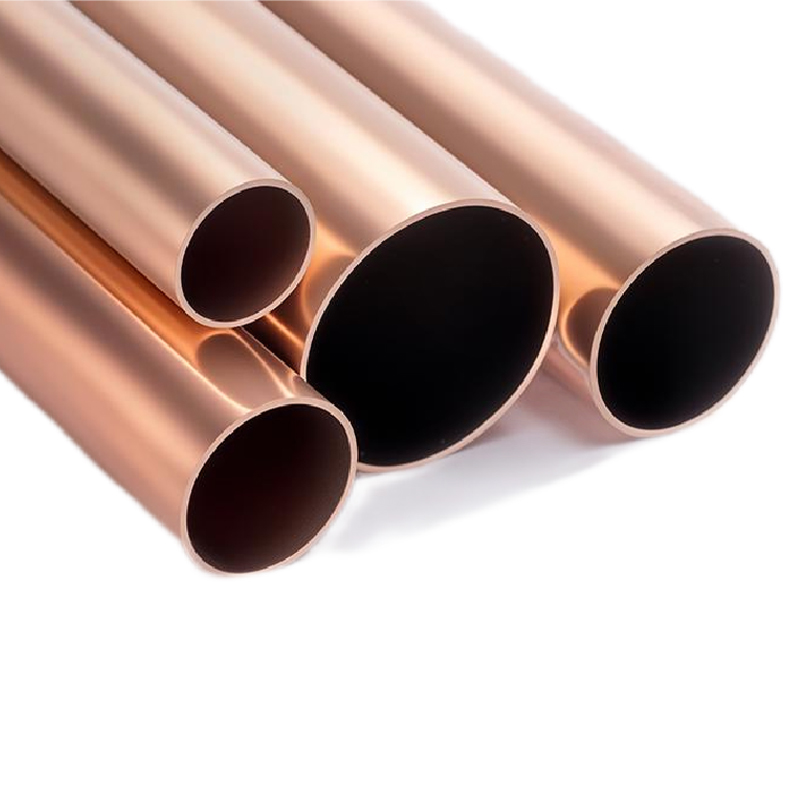
The Copper Water Tube produced by our company is a high-performance copper tube suitable for hot and cold water systems and heating applications. It h...
See Details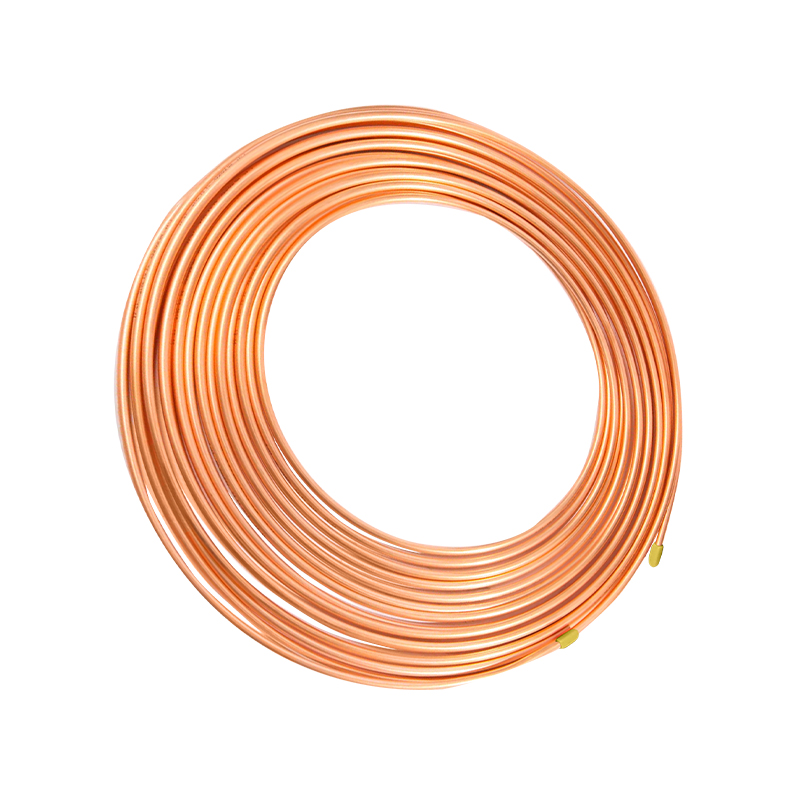
Copper capillary tube is usually manufactured by precision machining, and its dimensional accuracy can reach one thousandth of an inch. This ultra-hig...
See Details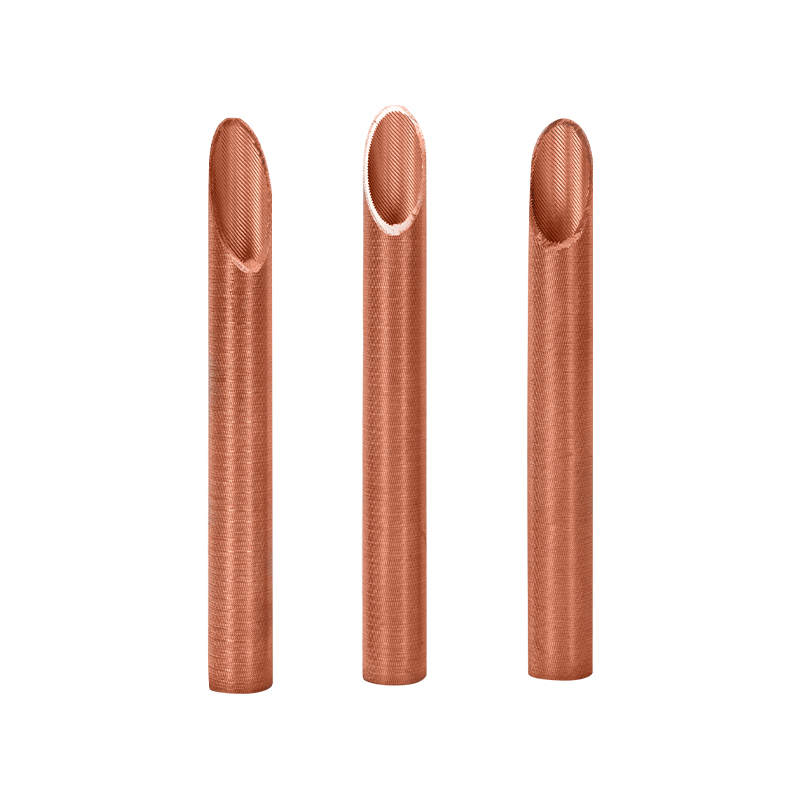
The copper evaporator tube adopts a unique fin design, and the external fins are equipped with specially designed interconnected channels, so that eac...
See Details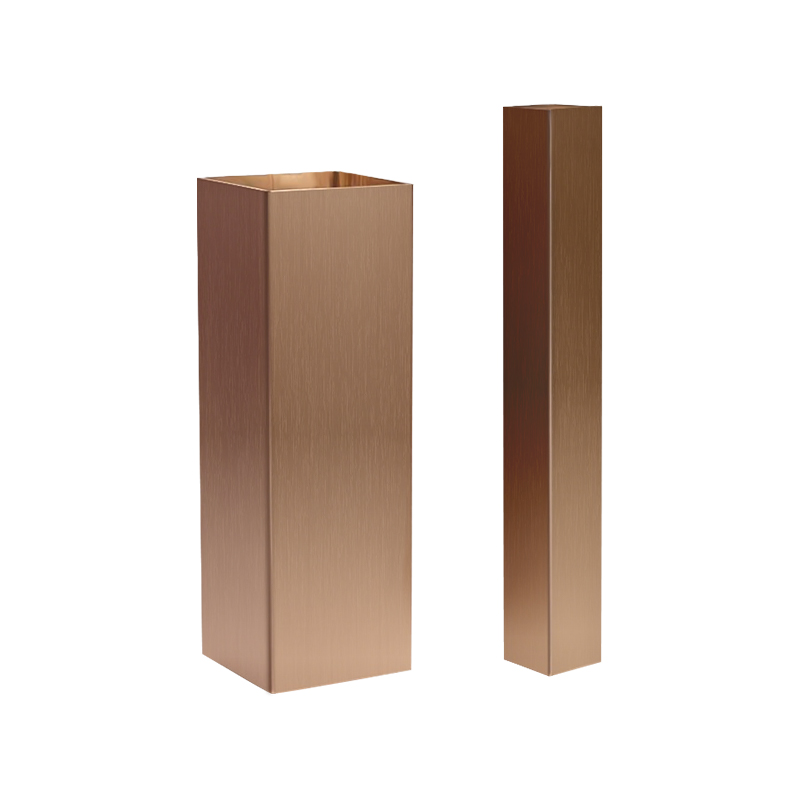
Copper square tube is a metal tube with a hollow square cross-section. It is made of high-purity copper or copper alloy materials through multiple pre...
See Details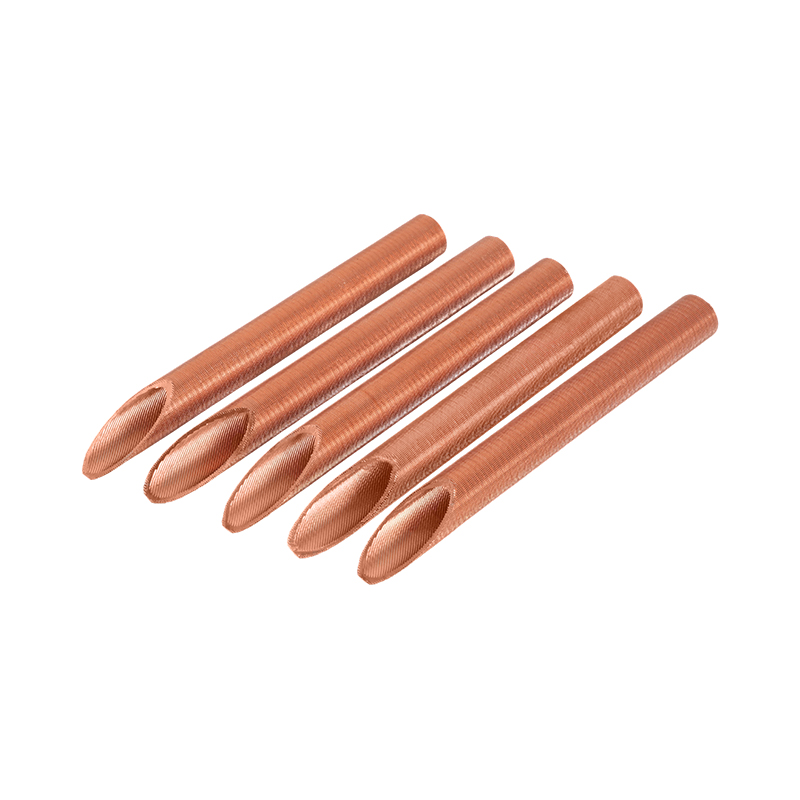
The condenser copper tube adopts a proprietary design independently developed by the company, and the ends of the fins are provided with radial and ax...
See Details
 Tangpu Industrial Zone, Shangyu District, Shaoxing City, Zhejiang Province, China
 +86-13567501345
© Zhejiang Jingliang Copper-Tube Products Co., Ltd All rights reserved.

