 English
 Español
 中文
中文News
Home / News / Industry News / How to Tell the Difference Between Copper and Brass: 7 Reliable Home and Shop Tests
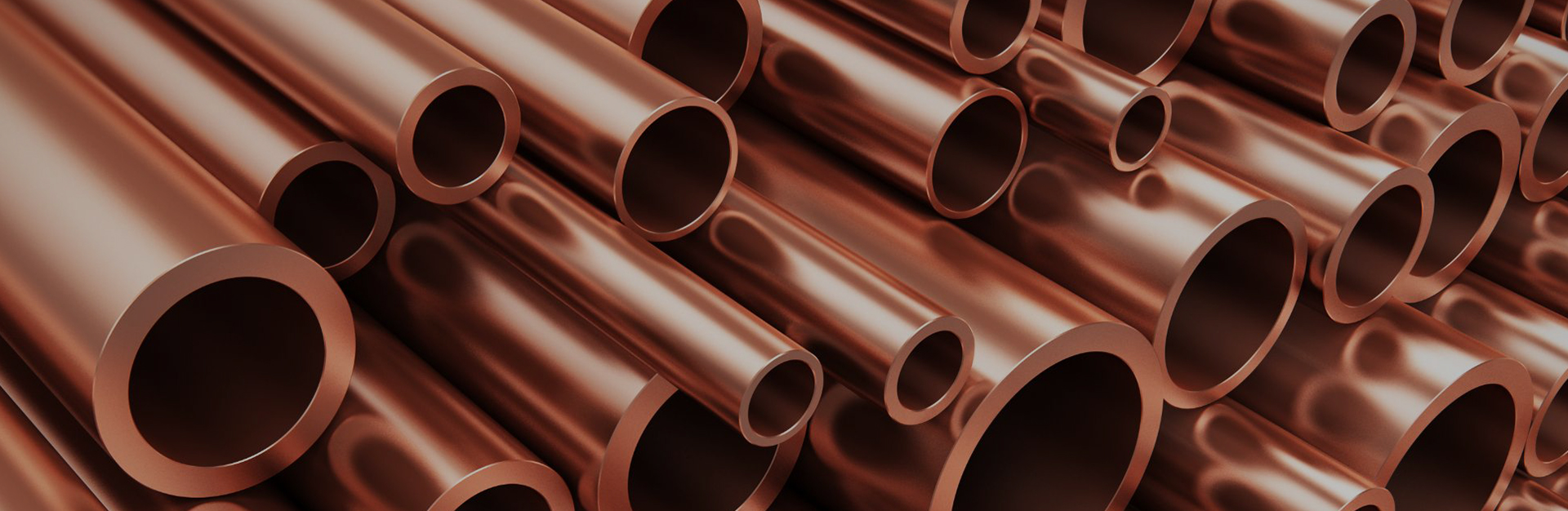
Standing in a scrap yard or a machining shop, the question comes up more often than you would think: is this piece copper or brass? The two metals can look similar under poor lighting, and a wrong guess can change the value of a batch or cause a material mismatch in a production line. The short answer is that copper is a pure metal with a reddish-orange tone, while brass is a copper-zinc alloy that tends to look yellow and is slightly harder and less conductive. By combining a few simple tests, you can identify them correctly in most everyday situations. The first thing to know is that no single test is perfect; each clue points in the same direction, and the more clues you gather, the more confident you can be.
Pure copper is an elemental metal, designated by the chemical symbol Cu. Brass, by contrast, is an alloy made primarily of copper and zinc, with proportions that vary to achieve different mechanical and corrosion properties. This difference in composition drives everything else: color, density, hardness, electrical conductivity, melting point, and response to corrosion. Commercial brass typically contains 60 to 90 percent copper by weight, with the balance zinc. Because zinc is lighter and less dense than copper, brass is slightly less dense than copper, although the difference is small enough that weighing alone is not reliable for identification.
Start with color. Freshly exposed copper has a pinkish-red or salmon-orange color. Brass is brighter, with a yellow-gold hue that can look a bit like cheap gold jewelry. If you see a dull reddish-brown with green patina, that is copper. If you see a golden yellow that tarnishes to a darker brown, it is probably brass. Compare the metal to a U.S. penny: a penny is mostly zinc since 1982, but it is plated with copper, so its color is close to pure copper. If the metal looks more red or orange than the penny, it may be copper; if it looks more yellow like a gold-colored button, it is brass.
Surface also matters. Copper develops a characteristic green patina over time, especially outdoors. Brass tarnishes to a hazier brown or gray-green, and sometimes shows a light yellow zinc-oxide film. Scratched surfaces are even more revealing: use a file or a sharp edge on a hidden spot to expose fresh metal. Copper will show a bright salmon color; brass will show a bright yellow.
| Property | Copper | Brass |
|---|---|---|
| Color | Reddish-orange / salmon | Yellow-gold |
| Composition | Nearly pure copper | Copper + zinc |
| Hardness | Soft and ductile | Harder, more rigid |
| Sound when dropped | Low, dull thud | Higher-pitched ring |
| Magnetic response | Not magnetic | Usually not magnetic; some alloys may be slightly attracted |
| Tarnish | Green patina | Darker brown or gray film |
Copper and brass have similar densities, but brass is a little lighter because zinc is lighter than copper. That difference is rarely enough to tell by hand. Hardness gives a clearer signal. Brass is harder and less malleable than pure copper. If you try to bend a thin strip, copper bends easily and stays bent; brass resists more and may spring back slightly. You can also tap the metal on a hard surface. A copper piece produces a soft, low thud. Brass produces a clearer, higher-pitched ringing tone. The sound test works best on tubes and solid bars, and it improves with practice. Another practical method is to run a knife or file across the surface in an unseen area: copper cuts with a soft, even curl, while brass tends to produce finer, more brittle chips.
Neither copper nor brass is ferromagnetic, so a strong magnet should not stick to either. However, some brass alloys contain small amounts of iron or nickel, especially in certain machine brasses, and those may give a weak pull when a very strong neodymium magnet is used. Copper is non-magnetic under all common conditions. If a magnet sticks strongly, the metal cannot be pure copper or ordinary brass; it likely contains steel or iron. If there is only a slight attraction, brass is a more likely candidate than copper, but a color and scratch test should confirm it.
You can use a drop of household vinegar or lemon juice on an inconspicuous area. Both metals will react, but copper produces a green-blue verdigris more quickly, while brass develops a lighter green or white residue. Another common clue is skin reaction: after handling the metal, copper often leaves a greenish stain on skin, while brass can leave a gray or slightly metallic mark. Not everyone reacts the same way, so this test is only a supporting clue.
Look at the age of the surface. Copper exposed to rain and air forms a recognizable green patina that architects often seek for roofing. Brass outdoor fixtures usually turn a muddy brown rather than the bright green of copper. This distinction is very useful for old architectural items.
A common trap is copper-plated brass. The surface looks like copper, and the greenish stain appears, but the base metal is brass. To find out, file a small notch or scratch through the plating. If the exposed material is yellow, it is brass underneath. If it is the same reddish-orange all the way through, it is solid copper. A magnet will not help because both copper and brass are non-magnetic. In some cases, a sharp chisel or a hacksaw is the fastest way to check a cross-section. Also inspect edges, threads, and drilled holes—plating often wears thin in these areas and reveals the true base metal.
Choosing the wrong material can lead to performance problems. Copper is preferred for electrical conductors, refrigeration lines, heat exchangers, and other applications that require high thermal or electrical conductivity. Brass is chosen for fittings, valves, musical instruments, and decorative parts because it is sturdier, easier to machine, and more resistant to corrosion in many environments. In piping systems, using copper tubing when you expect brass tubing, or the reverse, can affect solderability, pressure ratings, and long-term corrosion resistance.
Suppliers and buyers in the metal industry rely on clear material identification before ordering. For more detailed guidance on selecting the right pipe grade, see our overview of copper tube types and standards. If you are sourcing seamless copper tubes for an air-conditioning system, you need copper, not brass. Our copper tube products cover a range of diameters and tempers to meet standard refrigeration and HVAC requirements. If you need a corrosion-resistant connector or decorative component with good machinability, brass is often the better choice, and our brass tube products are available in common alloy grades. We also follow recognized specifications such as ASTM B280 compliant tubes to ensure material traceability. Knowing the difference helps you specify the right product from the start and avoid costly rework.
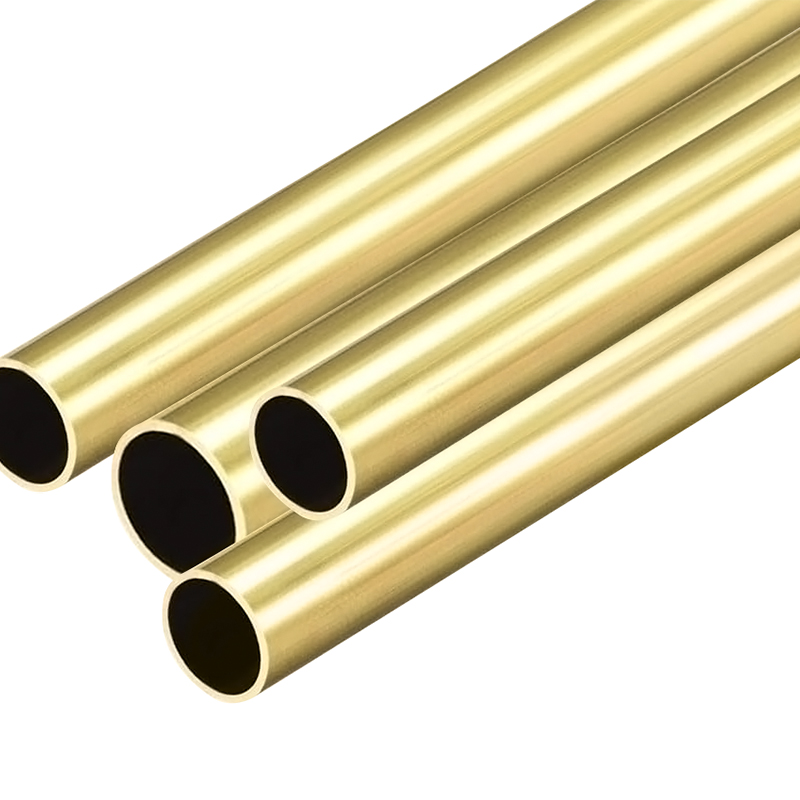 Brass TubeBrass is an alloy of...View Product →
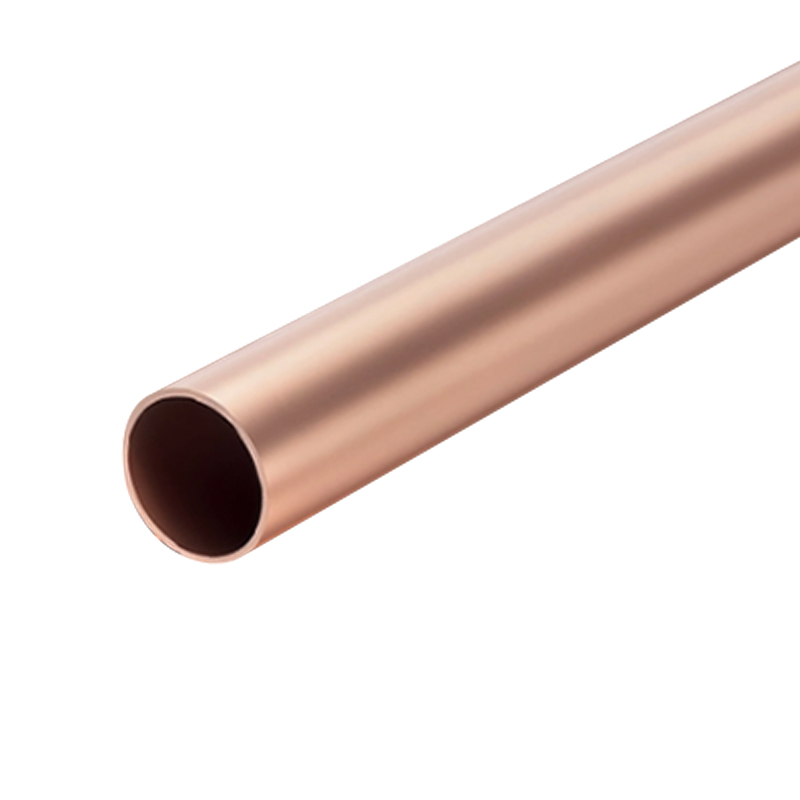 Copper TubeJINGLIANG copper's DHP copper tubes offer excellent ductility, corrosion resistance, and thermal conductivity. Available in various sizes...View Product →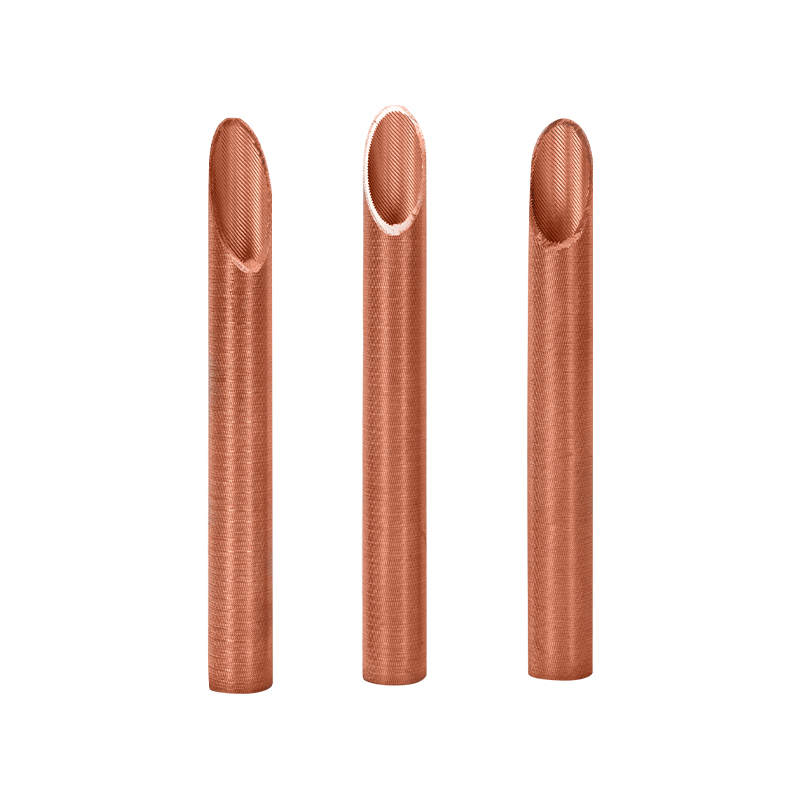
The copper evaporator tube adopts a unique fin design, and the external fins are equipped with specially designed interconnected channels, so that eac...
See Details
Copper Tube is made of high-purity copper material with a copper content of not less than 99.9%. The main material codes are T11050 and C12200(DHP), a...
See Details
The Copper Water Tube produced by our company is a high-performance copper tube suitable for hot and cold water systems and heating applications. It h...
See Details
Brass is an alloy of copper and zinc. It has good processing and mechanical properties, so it is widely used in the manufacture of tubes.Because it ha...
See Details
Copper capillary tube is usually manufactured by precision machining, and its dimensional accuracy can reach one thousandth of an inch. This ultra-hig...
See Details
H65 (C27000) Brass Tube is a brass alloy with approximately 65% copper and 35% zinc content. Its properties fall between those of H68 and H62 brass ...
See Details
 Tangpu Industrial Zone, Shangyu District, Shaoxing City, Zhejiang Province, China
 +86-13567501345
© Zhejiang Jingliang Copper-Tube Products Co., Ltd All rights reserved.

