 English
 Español
 中文
中文News
Home / News / Industry News / how to solder brass: Applications, Selection Criteria, and Practical Guidance
Soldering brass is one of those skills that looks effortless in an experienced hand and stubborn in a new one. Heat, flux, and filler are the only three ingredients, yet the difference between a joint that flows like glass and one that balls up on the surface usually comes down to small details that nobody mentions. We have drawn brass and copper tube at our factory since 1994, and our workshop teams still pick up little lessons every year. This guide gathers the points that matter most when you solder brass, whether you are joining fittings at a bench or assembling tube on a production line.
Brass is an alloy of copper and zinc, and that zinc changes the game compared with soldering pure copper. Zinc oxidizes quickly, sits right at the surface, and gives off a telltale smell when a joint is pushed far too hot. Overheated brass develops a dull, blackened, sometimes pitted skin where zinc has burned out of the surface, and that damaged layer both weakens the metal and resists wetting by solder.
Alloy choice matters more than many guides admit. Red brasses such as C23000, with their lower zinc content, solder almost like copper. Cartridge brasses in the C26000 to C27000 range, the alloys behind most drawn brass tube, solder very reliably once the surface is freshly cleaned. Free-machining grades containing lead are the troublemakers, because lead oxides interfere with wetting. If you are sourcing tube for a soldered assembly, know exactly which grade is on your bench; our C27000 brass tubing exists largely because customers kept asking for a grade that behaves predictably under a torch.
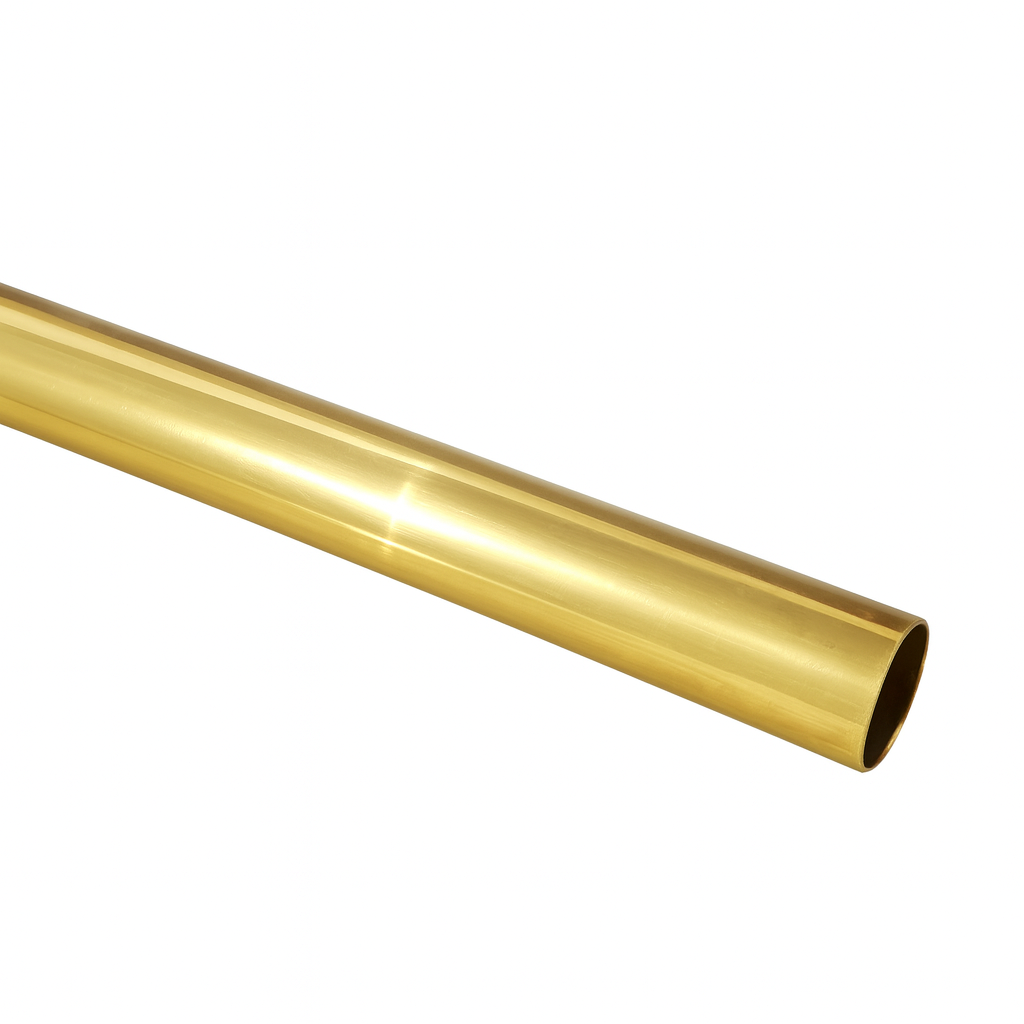 H65 (C27000) Brass TubeH65 (C27000) Brass Tube is a brass alloy with approximately 65% copper and 35% zinc content. Its properties fall between those of H68 and H62 brass tubes, offering a...View Product →
Gather everything before you plug in the iron or light the torch. Interruptions in the middle of a joint are how cold joints happen. The essentials:
Work through the steps in order and resist the urge to skip ahead. Soldering rewards sequence far more than speed.
Every failed joint we have ever cut open came back to this step. Polish both mating surfaces with emery cloth until you see bare, bright brass, then wipe the dust away with alcohol. Oils from your fingers count as contamination, so handle cleaned parts by the edges. Flux protects metal that is already clean; it does not clean metal that is not.
Capillary action, the force that pulls solder into a gap, only works across a tight clearance. Aim for a gap of roughly 0.05 to 0.15 mm between tube and fitting. A loose joint swallows solder and still leaks, while a joint so tight it needs forcing leaves no room for filler at all. Support the parts so they cannot shift while you work.
Brush a thin, even film over the male surface and into the cup of the fitting. Thin is the operative word: a heavy layer boils, spatters, and traps voids. Keep flux out of threads and away from any spot where residue would be hard to flush later.
Touch the filler to the seam and move your heat source over both parts, letting the metal itself, not the flame or the iron tip, melt the solder. On a torch job, keep the flame moving in wide circles and give the heavier part more time, because heat soaks into the larger mass first. When the brass is hot enough, solder touching the seam melts instantly and disappears into the gap. If the wire sits and bubbles, the joint is still cold.
Feed just enough wire to ring the joint; a small, even fillet at the mouth is the signature of a full one. Then remove the heat and move nothing while the alloy solidifies. The joint shifts from shiny to matte as it freezes, and that half-second is exactly where hurried hands create a cracked joint.
Once the joint is cool to the touch, wash it in warm water and scrub with the brush. Left in place, rosin residue is mildly corrosive, and water-soluble flux will weep green stains within days in humid conditions.
Even careful hands meet the same handful of failures. Here is how we diagnose them on the shop floor:
| Symptom | Most Likely Cause | Practical Fix |
|---|---|---|
| Solder balls up and will not wet | Oxidized surface or exhausted flux | Re-clean to bright metal and apply fresh flux |
| Solder will not draw into the gap | Uneven heating or clearance too wide | Heat both parts evenly and re-fit with a tighter gap |
| Brass turns dull and blackened | Overheating and zinc burning from the surface | Lower the heat, keep the flame moving, shorten exposure |
| Joint weeps under pressure | A void left by flux trapped inside | Disassemble, clean thoroughly, and resolder with a thinner flux film |
Soldering and brazing are close relatives, and the dividing line is temperature. Below 450°C (840°F) you are soldering; above it you are brazing. Soldered joints are quick, gentle on the base metal, and ideal for electrical work, decorative brass, and low-pressure plumbing. Brazing, typically with a silver-bearing filler, produces joints several times stronger that shrug off vibration, pressure, and heat, which is why refrigeration and HVAC fabricators braze almost everything. Match the process to the pressure and service temperature of the finished part, not to whichever method feels faster that morning.
No flux or steady hand can rescue inconsistent material. Wall thickness that wanders means one side of a joint reaches temperature long before the other, and mixed alloys in a batch mean no two joints behave the same way. That is why we melt, extrude, draw, and anneal tube end to end under one roof: controlling the whole chain is the only way we can promise that the H62, H65, and H68 brass tube arriving at your dock carries the same chemistry, temper, and finish as the sample you approved. For general-purpose drawn tube, our standard brass tube range covers the common sizes; if your joints will be formed, flared, or bent after soldering, the softer H68 grade forgives more.
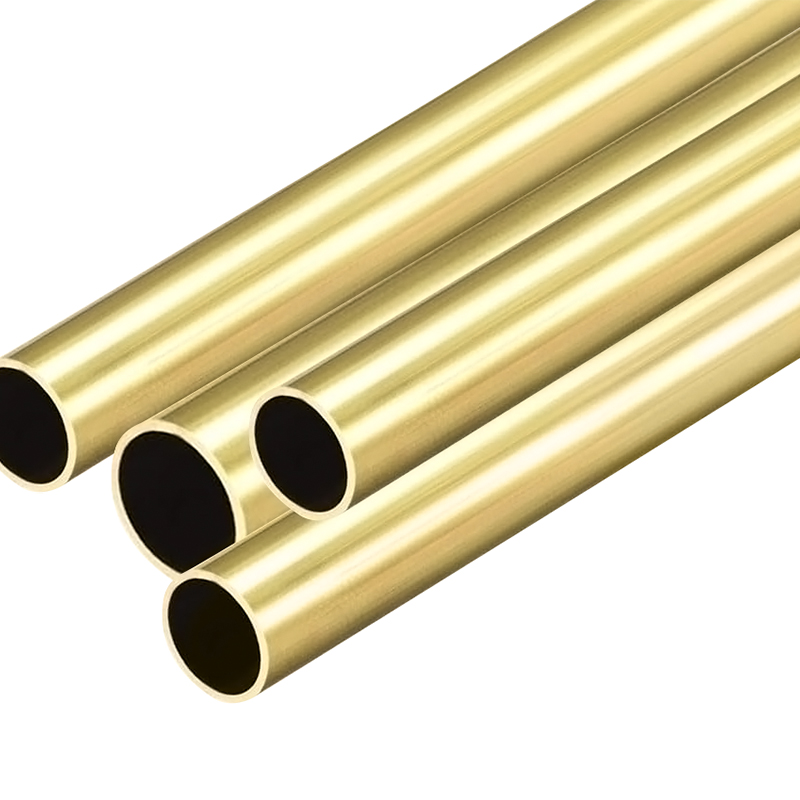 Brass TubeBrass is an alloy of copper and zinc. It has good processing and mechanical properties, so it is widely used in the manufacture of tubes. Because it has good corrosion...View Product →
 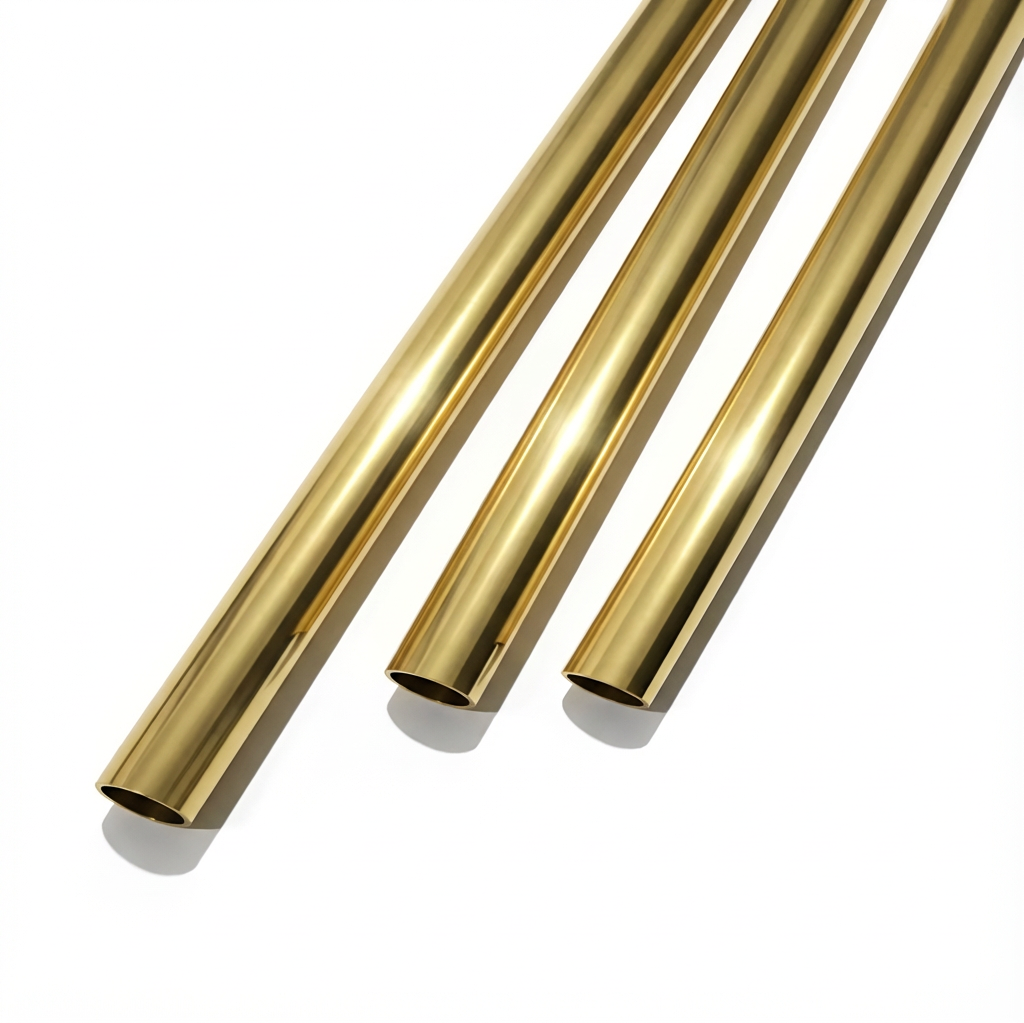 H68 (T26300) Brass TubeH68 (T26300) Brass Tube is a brass alloy with approximately 68% copper and 32% zinc. It stands out among many brass alloys due to its excellent overall performance and...View Product →
Grab a handful of scrap offcuts, run the steps a few times, and soldering brass will stop feeling like chemistry and start feeling like rhythm. Clean bright, fit tight, flux thin, heat the metal, and let capillary action do the pulling. If your project also involves shaping tube before the joint, our guide to bending brass tubing without kinks pairs naturally with this one. And when you need brass or copper tube in consistent, joint-friendly grades, we are always glad to talk sizes, standards, and quantities.
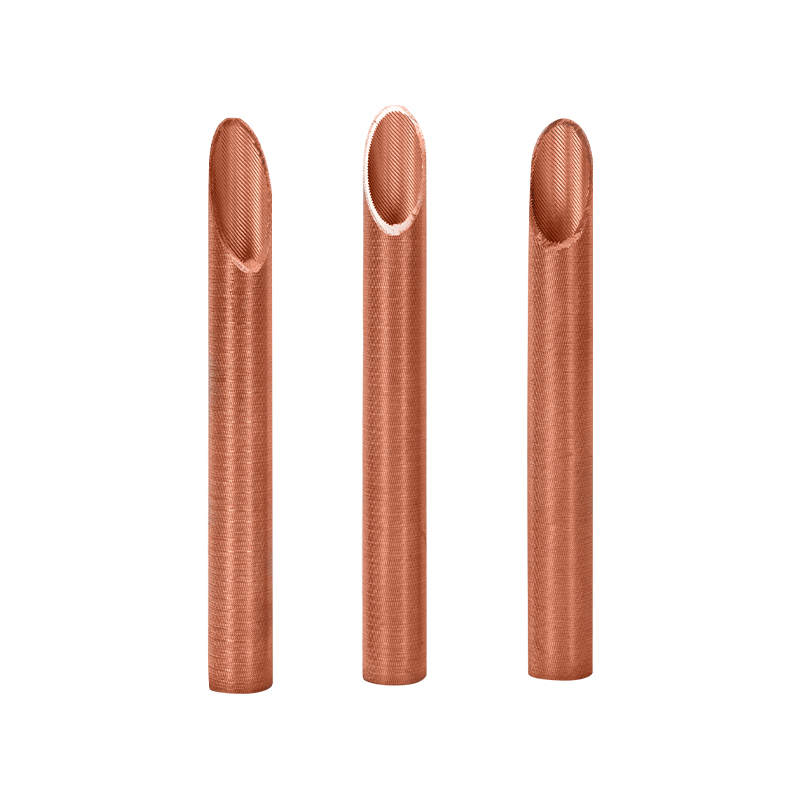
The copper evaporator tube adopts a unique fin design, and the external fins are equipped with specially designed interconnected channels, so that eac...
See Details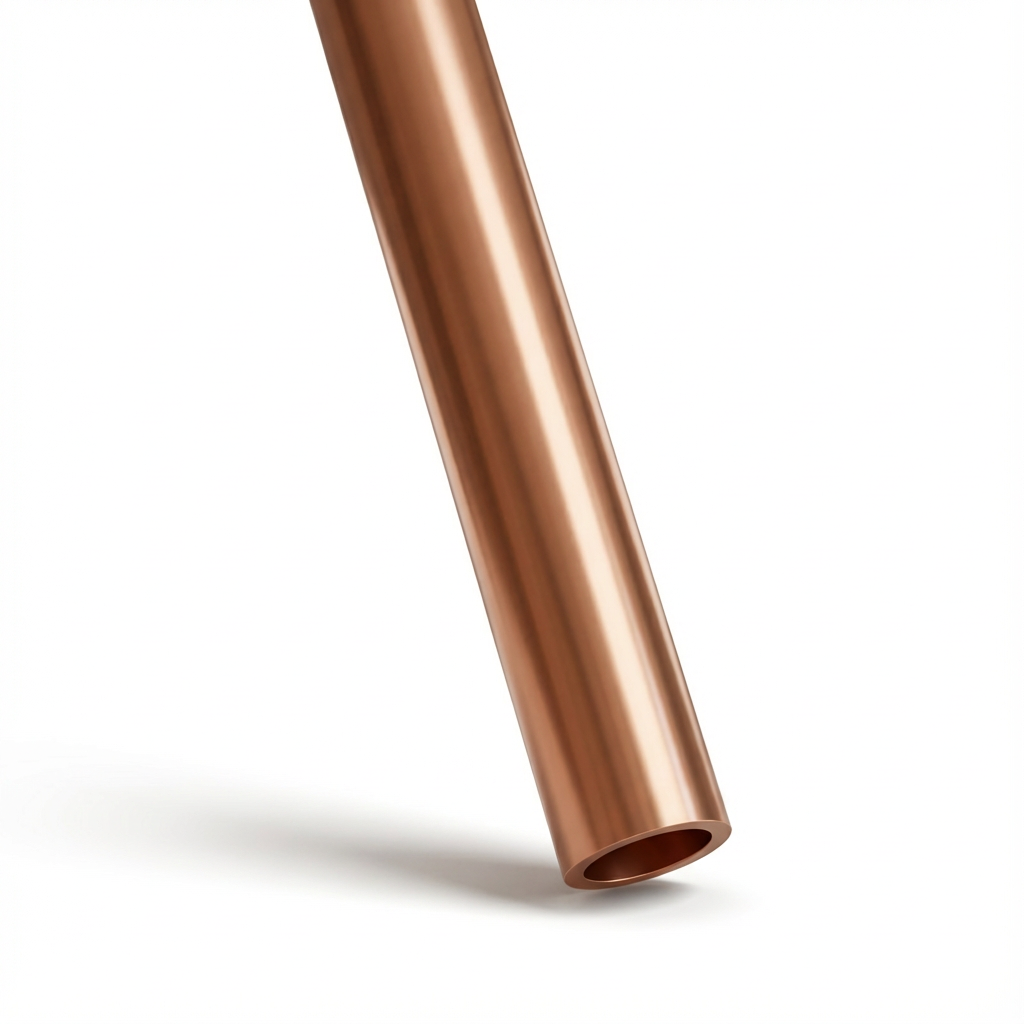
Standard refrigeration copper tube with an outer diameter of 12-28mm is made of high-quality TP2 copper (C12200/DHP), specifically designed for HVAC s...
See Details
Brass is an alloy of copper and zinc. It has good processing and mechanical properties, so it is widely used in the manufacture of tubes.Because it ha...
See Details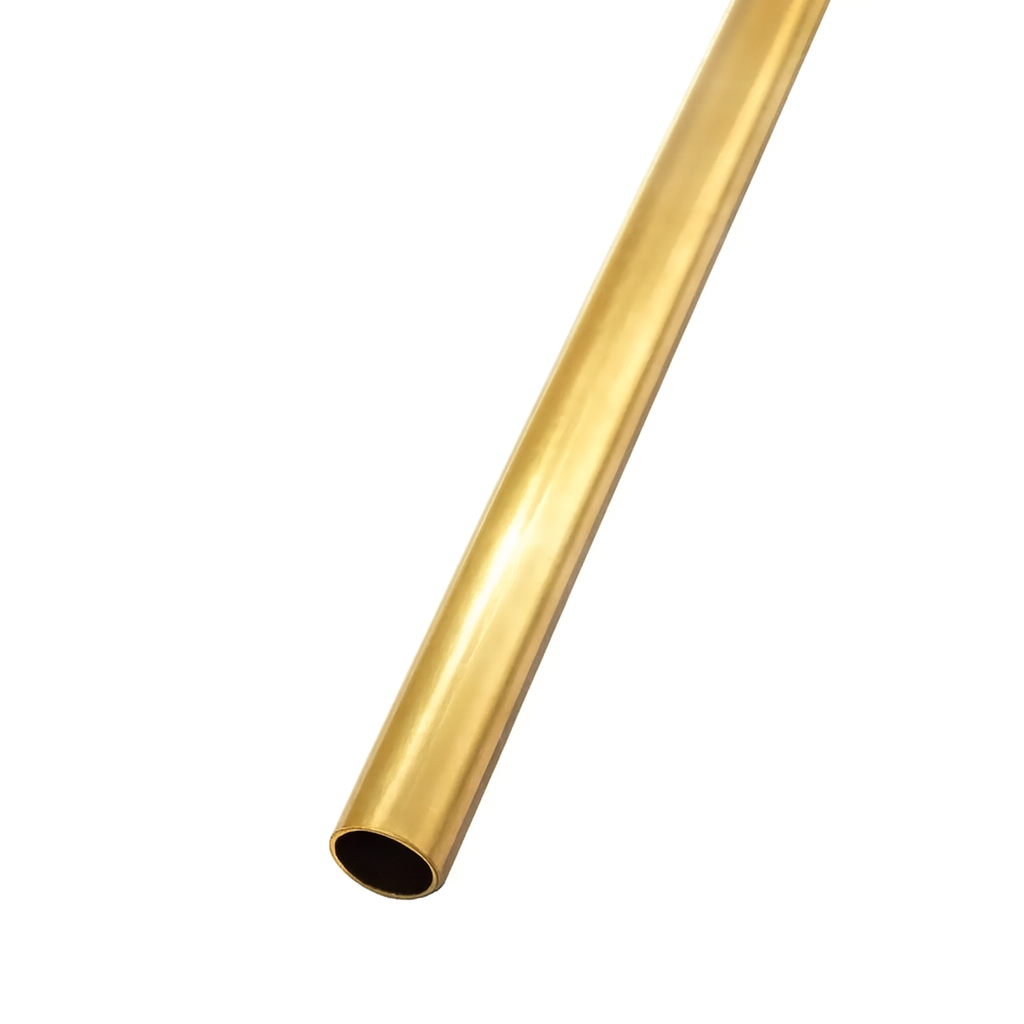
H62 (T27600) Brass Tube is a brass alloy with a copper content of 62% and a zinc content of 38%. Due to its balanced performance in terms of strength ...
See Details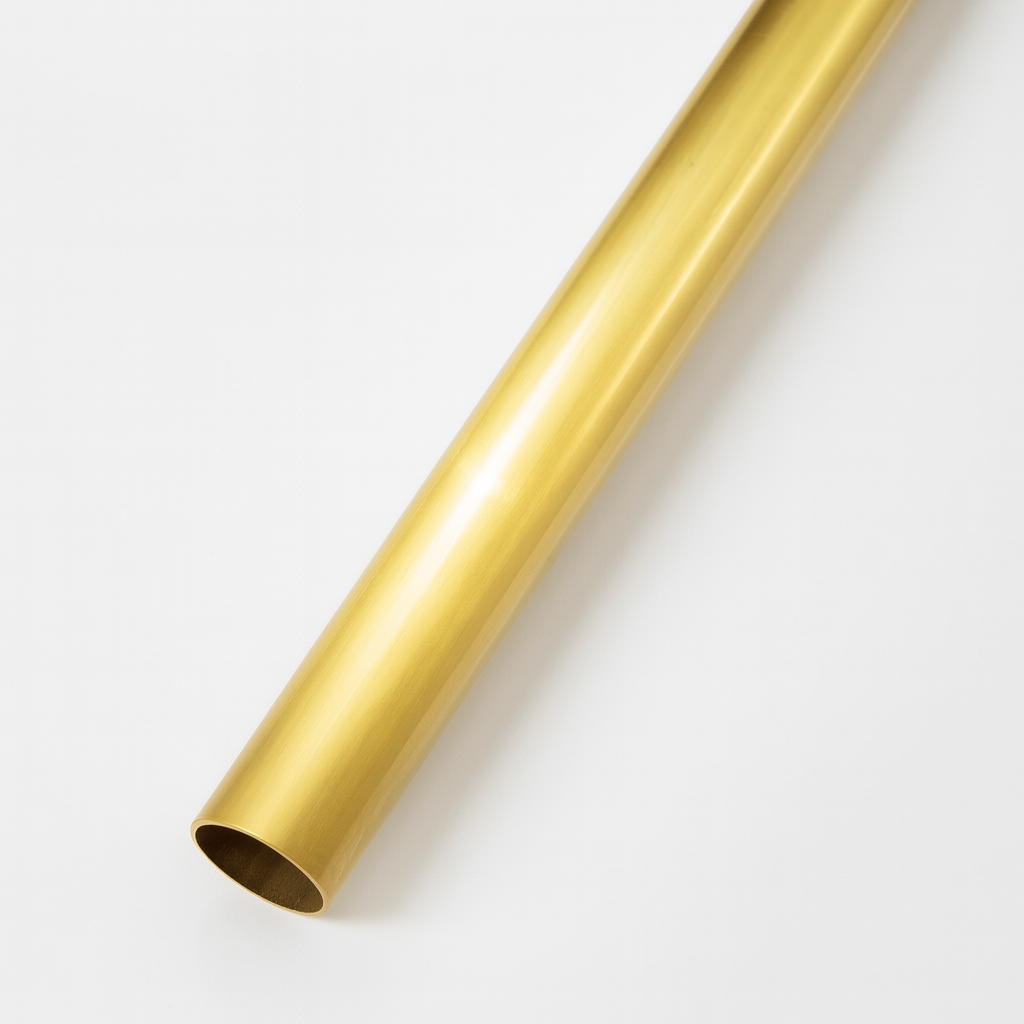
H63 (T27300) Brass Tube is a high-performance brass alloy tube with a copper content of 63% and a zinc content of 37%. Its excellent mechanical proper...
See Details
H65 (C27000) Brass Tube is a brass alloy with approximately 65% copper and 35% zinc content. Its properties fall between those of H68 and H62 brass ...
See Details
 Tangpu Industrial Zone, Shangyu District, Shaoxing City, Zhejiang Province, China
 +86-13567501345
© Zhejiang Jingliang Copper-Tube Products Co., Ltd All rights reserved.

