 English
 Español
 中文
中文News
Home / News / Industry News / How Do Compression Fittings Work on Copper Pipe? A Complete Guide for Plumbers
Compression fittings are one of the most practical ways to join copper pipe, especially when soldering is not an option. Whether you are connecting a shut-off valve under a sink, running a water line to a refrigerator, or repairing a heating system, compression fittings get the job done with just two wrenches and a few minutes of effort. But how do compression fittings work on copper pipe, exactly? Understanding the mechanism behind the seal will help you install them correctly, avoid leaks, and choose the right components for your project.
As a copper tube manufacturer with over thirty years in the industry, we have seen compression fittings used across countless plumbing, heating, and refrigeration installations. In this guide, we will share the practical knowledge that comes from working with copper every day.
A compression fitting is a mechanical connector that forms a watertight seal by squeezing a soft metal ring against the outside of a copper pipe. Unlike soldered joints, which fuse the pipe and fitting together with molten metal, a compression joint relies entirely on physical pressure. This makes it an excellent choice for repairs, accessible connections, and any situation where an open flame is impractical or unsafe.
Every compression fitting consists of three components that work together to create the seal:
The ferrule is the real hero of the assembly. Most ferrules are made of brass or copper, materials that are soft enough to conform to the pipe surface yet strong enough to hold their shape under system pressure.
| Component | Typical material | Function in the joint |
|---|---|---|
| Fitting body | Brass | Provides the threaded socket and supports the ferrule |
| Compression nut | Brass | Pushes the ferrule and locks the joint |
| Ferrule (olive) | Copper or brass | Deforms against the pipe and body to create the seal |
The mechanics of a compression fitting are elegantly simple. When you tighten the nut, it travels along the threads of the fitting body and presses against the tapered face of the ferrule. This forces the ferrule to compress radially: inward against the copper pipe and outward against the fitting body.
Because the ferrule is made from a ductile metal, it yields rather than cracks. It flows into the micro-irregularities of the pipe surface, effectively creating a custom-fit seal around the circumference of the pipe. The result is a joint that can withstand normal water pressures, thermal expansion, and even some vibration without leaking.
A properly installed compression fitting actually creates three sealing points:
This triple seal is why compression fittings have remained popular for more than a century. The physics is simple, but the reliability is impressive.
Installing a compression fitting correctly is about preparation as much as torque. Follow these steps, and the joint will hold for years.
Over-tightening is the most common cause of failure. The ferrule only needs enough compression to deform slightly. If you crush the pipe or crack the nut, the joint will leak and require a complete redo.
Compression fittings and soldered sweat joints both produce durable connections on copper pipe, but they suit different situations. Here is a practical comparison from our perspective as a manufacturer.
| Factor | Compression fitting | Soldered joint |
|---|---|---|
| Tools required | Two wrenches | Torch, solder, flux |
| Skill level | Beginner-friendly | Requires practice |
| Time per joint | A few minutes | Several minutes plus cooling |
| Removable and reusable | Yes | No |
| Open flame required | No | Yes |
| Typical cost | Slightly higher per fitting | Lower material cost |
| Suitability for tight spaces | Good, no fire risk | Difficult where flammable materials are near |
Soldered joints are generally preferred for permanent, concealed plumbing where maximum strength and longevity matter. Compression fittings, on the other hand, are ideal for valves, appliance connections, and situations where you may need to disassemble the joint in the future. They are also the go-to choice for DIY plumbing because the skill barrier is much lower.
The quality of the copper pipe matters just as much as the fitting itself. Compression fittings work best on clean, round, smooth tubing with consistent wall thickness. A pipe with deep scratches, dents, or an oval cross-section will struggle to create a uniform seal.
Wall thickness is also worth considering. Type L copper pipe, with its thicker wall, provides a firmer grip for the ferrule and better resistance to accidental over-tightening. Type M is lighter and cheaper but requires a lighter touch. For most indoor plumbing applications, both can work with properly sized compression fittings, but Type L is the safer choice.
This is where starting with good material pays off. At our factory, we produce copper water tube with the dimensional accuracy and clean surface finish that compression fittings rely on. When the pipe is manufactured to tight tolerances, the installer's job becomes much easier and the finished joint is far more predictable.
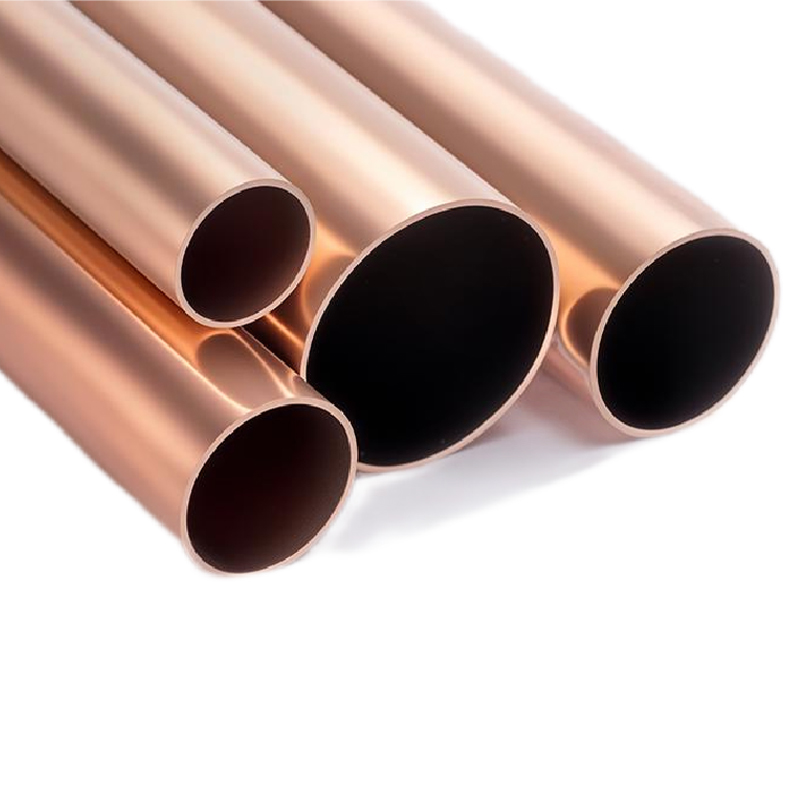 Copper Water TubeThe Copper Water Tube produced by our company is a high-performance copper tube suitable for hot and cold water systems and heating applications. It has significant ad...View Product →
If you are planning a plumbing project and need everything from the tubing to the connectors, explore our copper fittings and connectors and plumbing copper solutions to build a fully compatible system.
Even experienced hands can run into trouble with compression fittings. These are the mistakes we see most often, along with the simple ways to avoid them:
Avoid these pitfalls, and your compression joints will be every bit as reliable as a soldered connection.
Compression fittings have been connecting copper pipe for over a century, and they remain one of the most practical solutions in plumbing and HVAC work. They are easy to install, require no heat, and can be taken apart again when needed. The key to a leak-free joint is understanding how the ferrule, nut, and body work together, then following the installation steps with care.
Whether you are a homeowner making your first repair or a professional installer specifying components for a commercial project, the fundamentals are the same. Choose quality copper pipe, match the correct fitting size, prepare the pipe end properly, and tighten with restraint. That is the formula for a compression joint that will hold for decades.
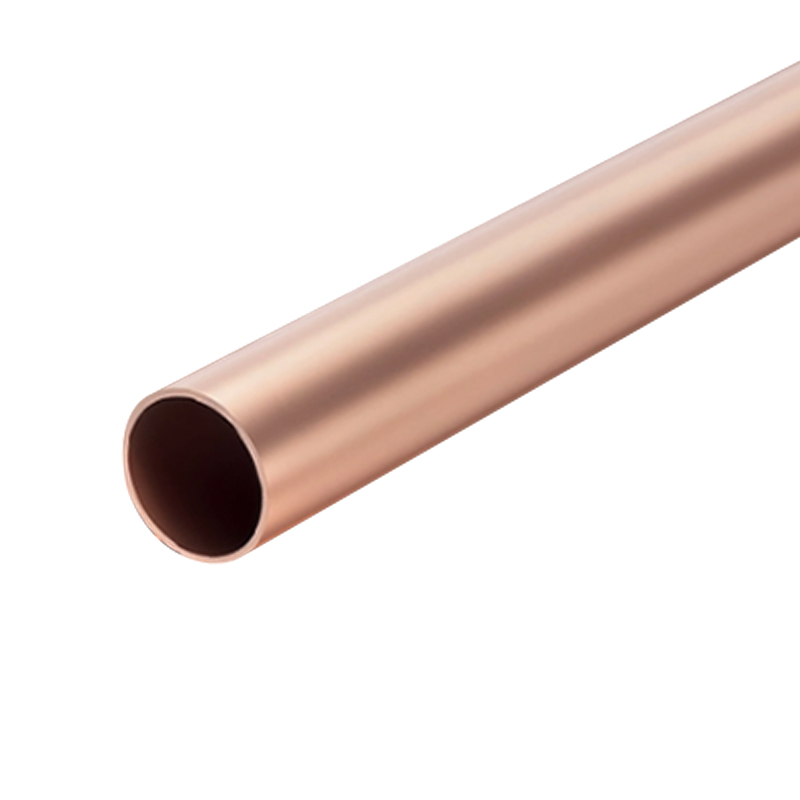 Copper TubeCopper Tube is made of high-purity copper material with a copper content of not less than 99.9%. The main material codes are T11050 and C12200(DHP), and it has physica...View Product →
And if you are in the market for the copper tube itself, we would be glad to help you find the right product for your application, whether you need straight lengths, coils, or custom sizes, all made with the consistency that good fittings deserve.

Copper Tube is made of high-purity copper material with a copper content of not less than 99.9%. The main material codes are T11050 and C12200(DHP), a...
See Details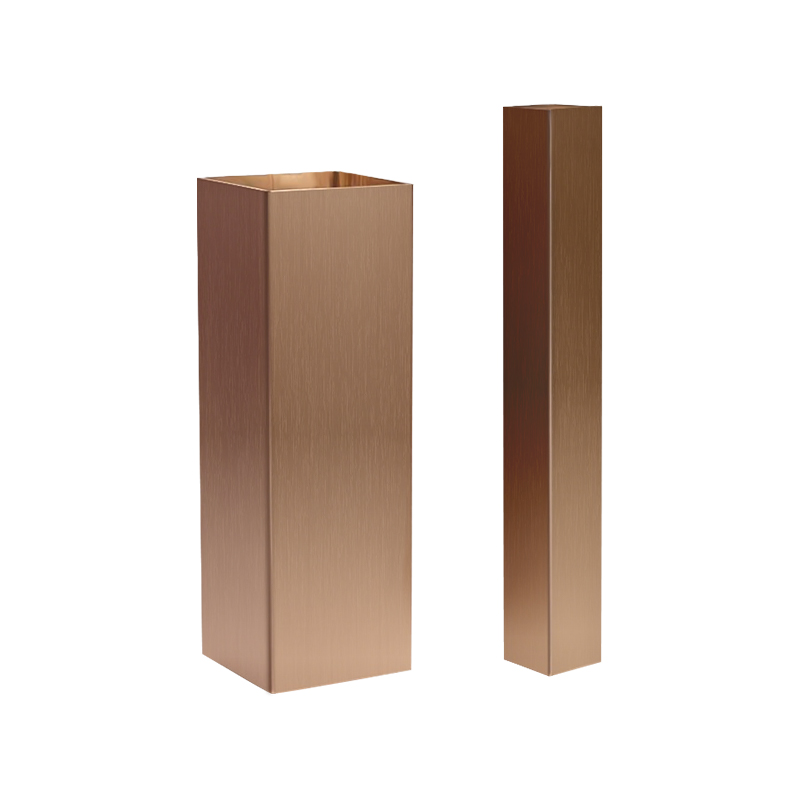
Copper square tube is a metal tube with a hollow square cross-section. It is made of high-purity copper or copper alloy materials through multiple pre...
See Details
The Copper Water Tube produced by our company is a high-performance copper tube suitable for hot and cold water systems and heating applications. It h...
See Details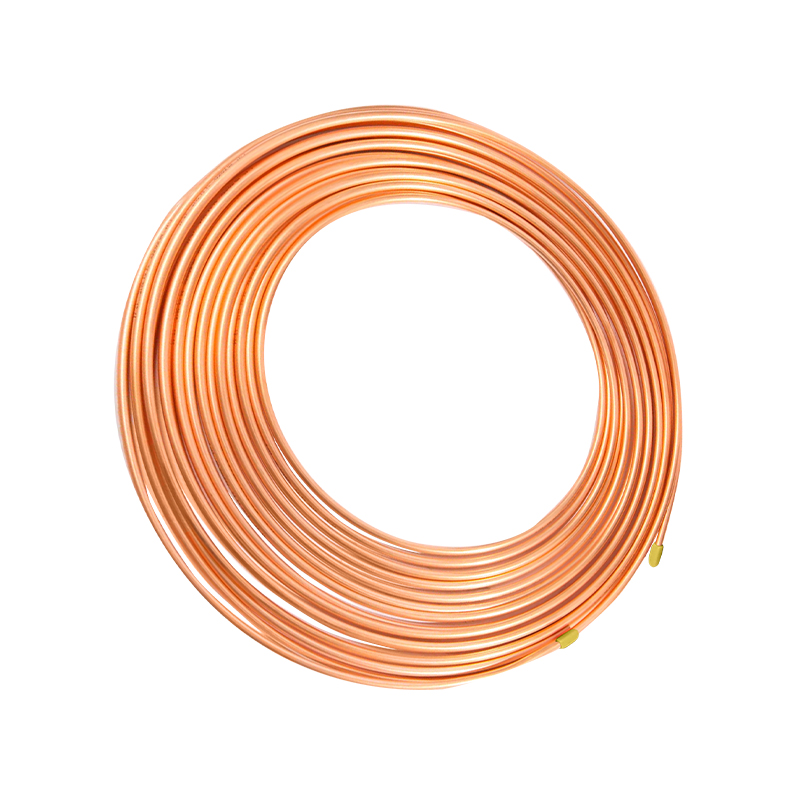
Copper capillary tube is usually manufactured by precision machining, and its dimensional accuracy can reach one thousandth of an inch. This ultra-hig...
See Details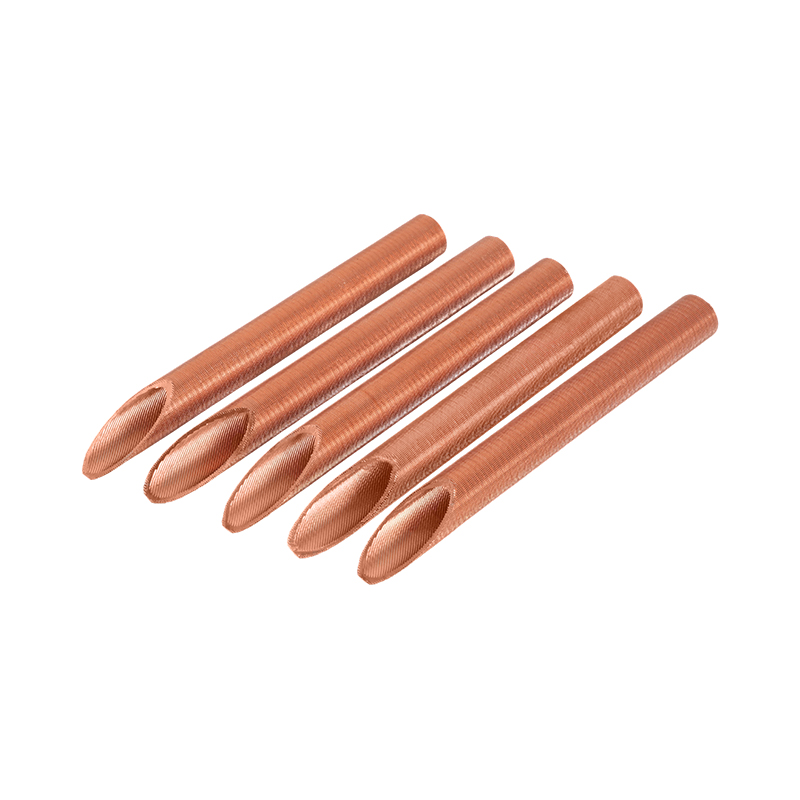
The condenser copper tube adopts a proprietary design independently developed by the company, and the ends of the fins are provided with radial and ax...
See Details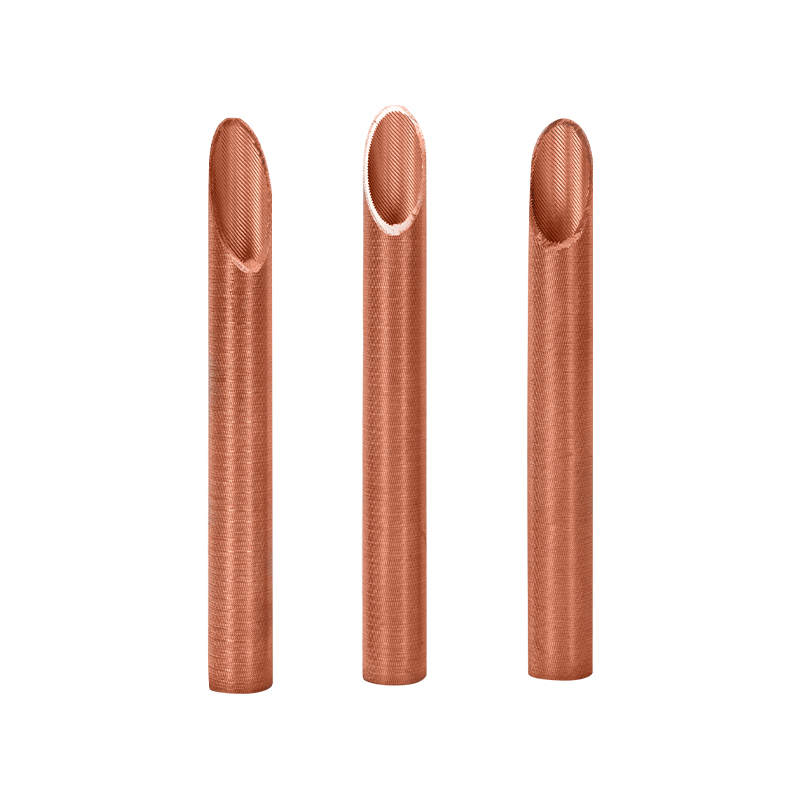
The copper evaporator tube adopts a unique fin design, and the external fins are equipped with specially designed interconnected channels, so that eac...
See Details
 Tangpu Industrial Zone, Shangyu District, Shaoxing City, Zhejiang Province, China
 +86-13567501345
© Zhejiang Jingliang Copper-Tube Products Co., Ltd All rights reserved.

