 English
 Español
 中文
中文News
Home / News / Industry News / How Copper Capillary Tube Manufacturers are Meeting Growing Demand in Medical Devices
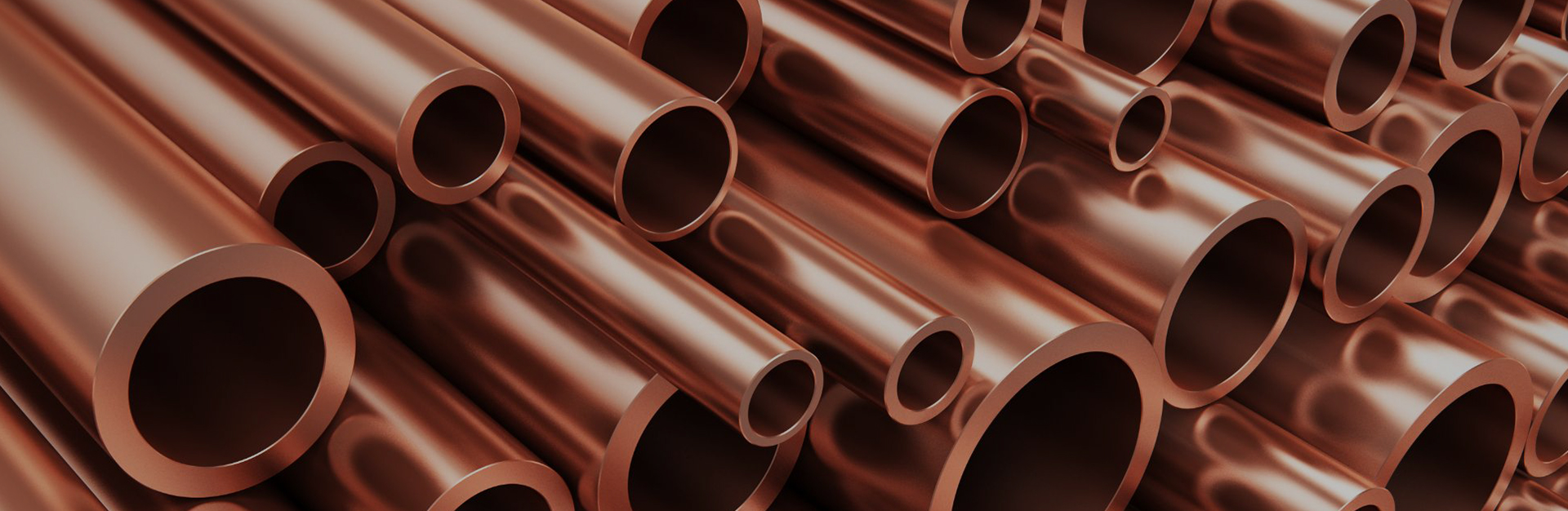
In recent years, the medical device industry has experienced a significant surge in demand, driven by technological advancements, an aging population, and an increased focus on healthcare solutions. Within this rapidly evolving landscape, copper capillary tubes have emerged as a critical component in various medical applications, from precision diagnostics to life-saving therapies. Copper’s unique properties, including its excellent thermal and electrical conductivity, biocompatibility, and corrosion resistance, make it an ideal material for medical devices. As a result, copper capillary tube manufacturers are ramping up production and innovation to meet the growing needs of the medical sector.
Copper capillary tubes are thin, hollow tubes that are often used to transport fluids or gases in systems where precise control of temperature or pressure is necessary. These tubes are typically used in applications such as thermocouples, blood glucose monitors, intravenous (IV) systems, and medical cooling systems for equipment like MRI machines and lasers. Copper is favored in these applications due to its excellent heat conductivity and its ability to maintain performance in high-pressure environments.
In addition, copper capillary tubes play an important role in the development of minimally invasive medical procedures. They are used in devices like catheters and endoscopes, which are essential in diagnosing and treating diseases with minimal disruption to the body. As the medical industry shifts toward more patient-friendly, less invasive technologies, the demand for high-performance copper capillary tubes continues to rise.
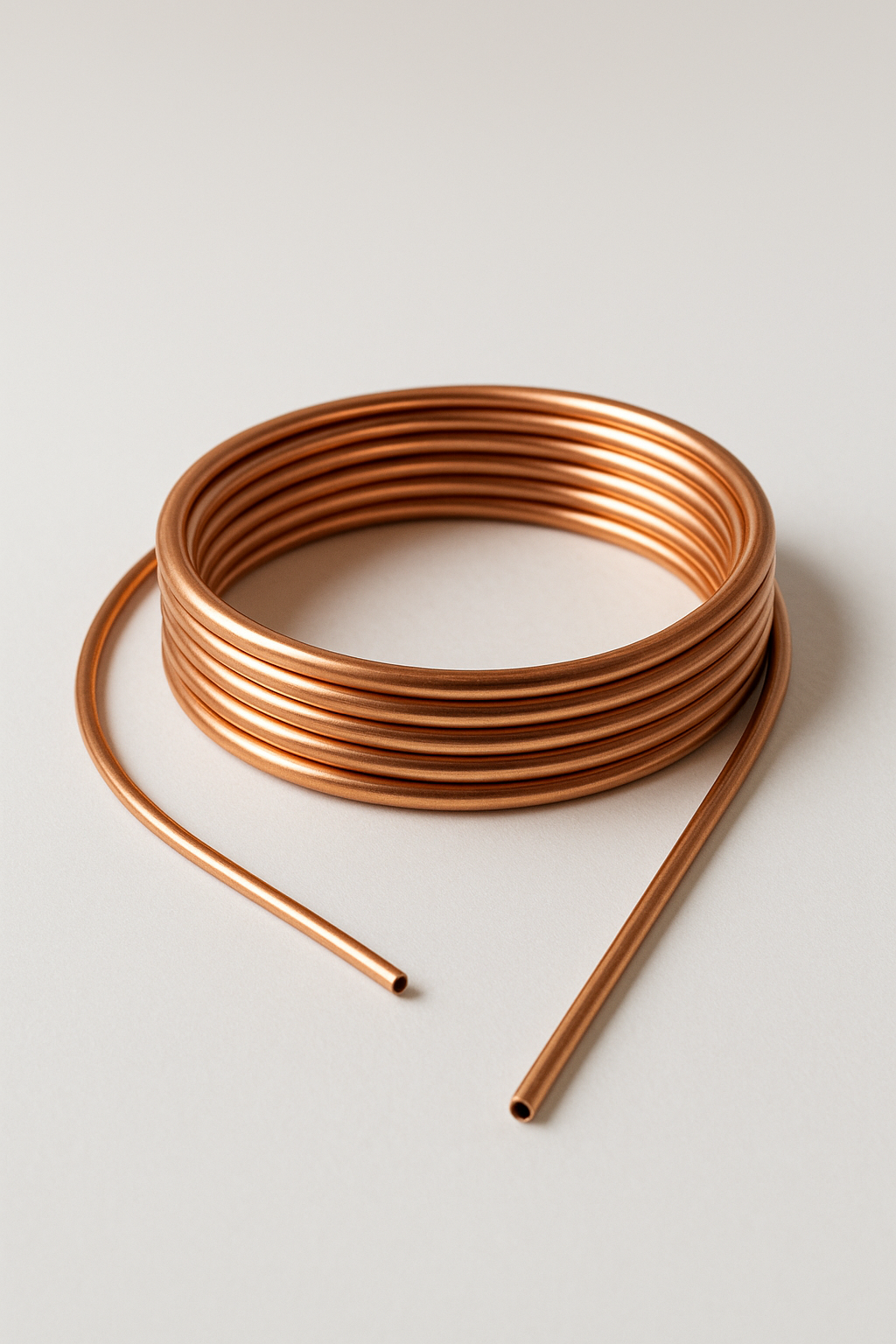
Given the increasing demand for copper capillary tubes in medical devices, manufacturers are employing various strategies to enhance production capabilities and innovation. Below are some key approaches that leading manufacturers are using to meet this growing need:
To keep pace with the high demand for copper capillary tubes in the medical sector, manufacturers are investing in cutting-edge technologies. The traditional methods of manufacturing capillary tubes, which involved manual drawing and extrusion processes, are being replaced or complemented by automated systems. These systems offer superior precision, faster production times, and the ability to produce larger volumes without sacrificing quality.
Automated machines equipped with advanced sensors and robotics allow for better control of the tube diameter, wall thickness, and overall consistency. Manufacturers can also employ laser-based cutting and welding techniques, which ensure high-precision joints and a smooth, uniform finish, crucial for medical applications where even the smallest imperfections can lead to failures.
|
Aspect |
Traditional Method |
Advanced Manufacturing |
|
Production Speed |
Slower, manual labor-intensive |
Faster, automated processes |
|
Precision |
Moderate, limited by human skill |
High, with advanced sensors and robotics |
|
Quality Control |
Relies on manual inspection |
Automated inspection systems with high accuracy |
|
Production Volume |
Limited output due to manual processes |
High-volume output with minimal errors |
|
Cost Efficiency |
Higher labor costs, slower production times |
More cost-effective for large-scale production over time |
The medical device industry is highly diverse, with unique needs across various sectors. As such, manufacturers of copper capillary tubes are increasingly focusing on customization to meet the specific requirements of different medical applications. For instance, in diagnostic devices such as blood glucose monitors, the copper capillary tubes must be produced with very tight tolerances to ensure accurate fluid flow measurements.
Similarly, in applications like IV therapy, the copper tubes must be designed to withstand high pressures while maintaining flexibility and durability. Some manufacturers are offering tailored solutions, working closely with medical device companies to design capillary tubes that meet specific dimensional, mechanical, and performance standards.
This level of customization has also led to the development of new alloys and coatings, which enhance the properties of copper for specific uses. For example, some manufacturers are experimenting with copper alloys that improve resistance to corrosion in medical environments, while others are applying biocompatible coatings that reduce the risk of adverse reactions when the tubes are in contact with body fluids.
|
Medical Application |
Required Tube Properties |
Customization Focus |
|
Blood Glucose Monitors |
Tight tolerances, precise fluid transport |
High precision manufacturing, small diameters |
|
IV Therapy Systems |
Durability, high pressure resistance, flexibility |
Enhanced material strength, biocompatibility |
|
Catheters/Endoscopes |
Small diameter, flexibility, corrosion resistance |
Flexible, thin-walled tubes with uniform thickness |
|
Thermal Management Systems |
High thermal conductivity, resistance to high temperatures |
Copper alloys with improved heat resistance |
Quality assurance is critical in the medical device sector, where even minor defects can have life-threatening consequences. Copper capillary tube manufacturers must adhere to stringent industry standards and regulatory requirements to ensure their products are safe and reliable for use in medical applications. These standards include ISO 13485, which governs the quality management systems for medical devices, and the FDA’s 21 CFR Part 820, which regulates medical device manufacturing processes.
To meet these requirements, manufacturers are implementing robust testing protocols at every stage of production. This includes testing for mechanical properties such as tensile strength and flexibility, as well as ensuring the tubes meet tight dimensional tolerances. Additionally, manufacturers conduct rigorous biocompatibility testing to ensure the tubes do not cause any harmful reactions when used in the human body.
Some companies are also adopting automated inspection systems that use high-resolution cameras and sensors to identify defects or deviations from the required specifications. This minimizes the risk of human error and ensures that only the highest-quality copper capillary tubes reach the market.
|
Test Type |
Purpose |
Importance in Medical Devices |
|
Tensile Strength |
Measures the ability to resist breaking under tension |
Ensures durability in high-pressure medical systems |
|
Dimensional Tolerance |
Ensures tubes meet precise size requirements |
Prevents leaks or malfunctions in sensitive medical devices |
|
Corrosion Resistance |
Tests resistance to degradation in various environments |
Essential for devices in contact with body fluids or harsh conditions |
|
Biocompatibility Testing |
Ensures no harmful reactions with body fluids |
Crucial for medical applications where tubes come into contact with human tissue |
Sustainability is becoming increasingly important in the manufacturing industry, and copper capillary tube manufacturers are no exception. Copper is a naturally abundant and recyclable metal, and many manufacturers are exploring ways to reduce their environmental impact by improving energy efficiency and minimizing waste.
Some manufacturers are adopting greener manufacturing processes, such as using renewable energy sources to power their facilities or reducing water consumption during production. Additionally, efforts are being made to recycle scrap copper and reuse it in new products, reducing the need for virgin copper mining, which can be harmful to the environment.
Moreover, copper’s inherent recyclability makes it an attractive material for medical devices that may need to be disposed of after use. Manufacturers are also exploring ways to design medical devices with a longer lifespan, reducing the frequency of replacements and the environmental footprint of these products.
|
Initiative |
Description |
Environmental Benefit |
|
Renewable Energy |
Powering production facilities with solar, wind, or hydroelectric energy |
Reduces carbon footprint and reliance on non-renewable resources |
|
Recycling Copper Scrap |
Reusing scrap copper from production or other industries |
Minimizes waste and reduces need for mining virgin copper |
|
Water Usage Reduction |
Reducing water consumption in the manufacturing process |
Helps conserve water resources, especially in water-scarce regions |
|
Design for Durability |
Designing products that have a longer service life and can be reused |
Reduces waste and lowers the frequency of device replacements |
The global demand for medical devices continues to grow, particularly in emerging markets. As healthcare infrastructure improves and access to medical technology expands in developing countries, the need for high-quality medical devices, including those that utilize copper capillary tubes, is also increasing. To meet this demand, manufacturers are expanding their production capacities both domestically and internationally.
Some manufacturers are establishing new production facilities in regions with growing healthcare markets, such as Asia and Latin America, where they can supply local markets more efficiently and cost-effectively. These regional expansions also allow manufacturers to better serve the needs of diverse medical markets and navigate the regulatory landscape in different countries.

Despite these innovations, copper capillary tube manufacturers face several challenges in meeting the growing demand in the medical device sector. One of the primary challenges is the volatility of raw material prices. Copper is a commodity metal, and its price can fluctuate significantly based on market conditions. This can make it difficult for manufacturers to predict costs and maintain consistent pricing for their customers.
Additionally, supply chain disruptions—such as those caused by geopolitical events or natural disasters—can impact the availability of raw materials and delay production timelines. To mitigate these risks, manufacturers are looking into diversifying their supply chains and forming stronger relationships with copper suppliers.
Another challenge is the increasing pressure to innovate while maintaining cost-effectiveness. The medical device market is highly competitive, and manufacturers must constantly develop new technologies and improve existing products to remain relevant. This requires significant investment in research and development, which can strain resources, especially for smaller companies.
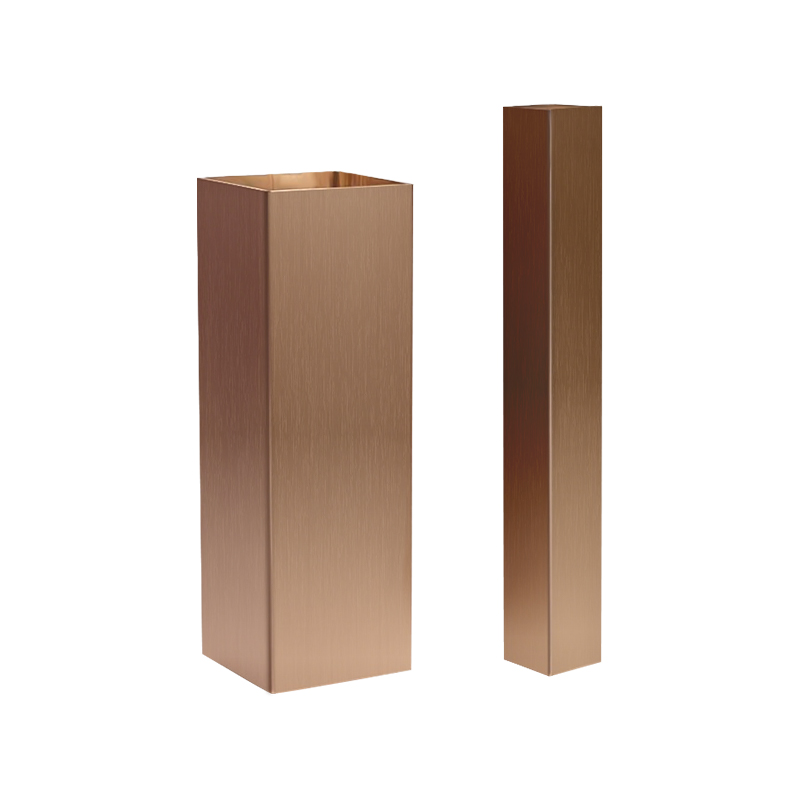
Copper square tube is a metal tube with a hollow square cross-section. It is made of high-purity copper or copper alloy materials through multiple pre...
See Details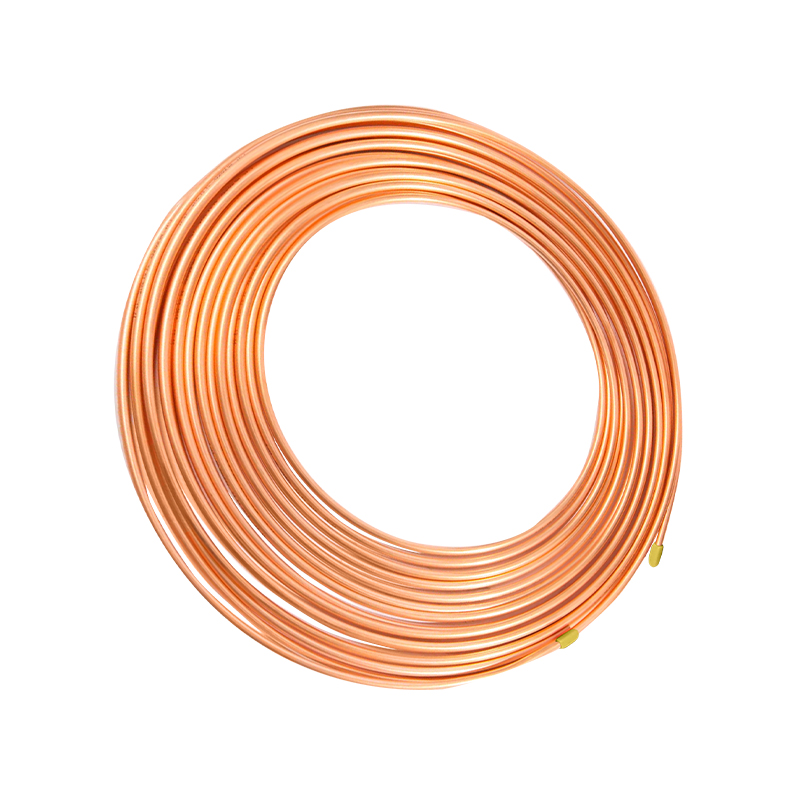
Copper capillary tube is usually manufactured by precision machining, and its dimensional accuracy can reach one thousandth of an inch. This ultra-hig...
See Details
Copper Tube is made of high-purity copper material with a copper content of not less than 99.9%. The main material codes are T11050 and C12200(DHP), a...
See Details
The Copper Water Tube produced by our company is a high-performance copper tube suitable for hot and cold water systems and heating applications. It h...
See Details
The copper evaporator tube adopts a unique fin design, and the external fins are equipped with specially designed interconnected channels, so that eac...
See Details
Fin copper tube is a highly efficient heat exchange element. Its structural feature is that uniform fins are formed on the outer wall of the copper tu...
See Details
 Tangpu Industrial Zone, Shangyu District, Shaoxing City, Zhejiang Province, China
 +86-13567501345
© Zhejiang Jingliang Copper-Tube Products Co., Ltd All rights reserved.

