 English
 Español
 中文
中文News
Home / News / Industry News / How Are Plumbing Fittings Measured? A Complete Guide to Pipe and Thread Sizing
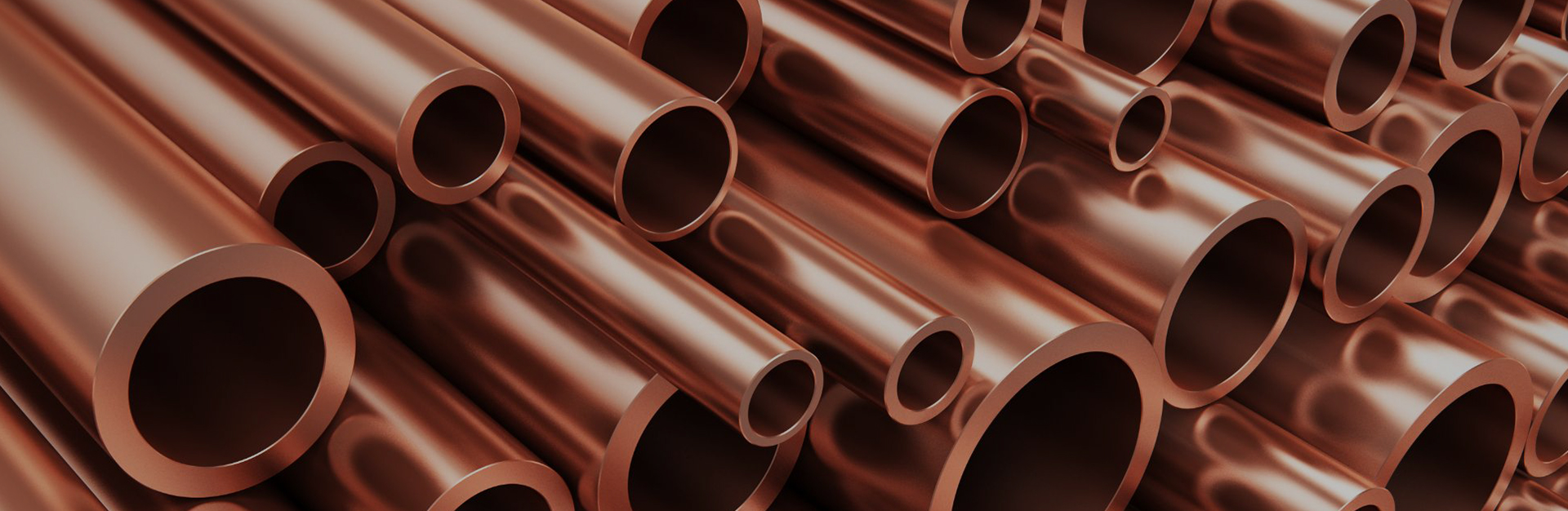
If you have ever stood in a supply house holding a fitting that looks right but refuses to seal, you already know that plumbing measurements have their own language. At our copper tube factory, we talk with plumbers, HVAC contractors, and facility engineers every day about why a half-inch fitting does not measure half an inch anywhere on the part. The answer comes down to how plumbing fittings are measured: nominal size, outside diameter, inside diameter, wall thickness, and thread specification all work together.
This guide walks through the measurements that matter, the tools that give reliable numbers, and the common traps that lead to leaks, returns, and callbacks.
The first surprise for many installers is that nominal pipe size is a label, not a dimension. A fitting marked 1/2 inch is designed to connect to a pipe or tube that has a 1/2-inch nominal size, but the actual outside diameter of that copper tube is 5/8 inch. For steel pipe, the outside diameter is standardized so that threads can be cut, while the inside diameter changes with wall thickness. For copper tube, the outside diameter stays fixed for a given nominal size, and the inside diameter changes depending on whether you are using Type K, L, or M.
That is why you cannot simply measure one number and assume you have the whole story. A fitting might match the outside diameter of a tube but have the wrong thread pitch, the wrong seat depth, or the wrong pressure rating. Good measurement means matching the fitting to the system, not just to the hole.
Before you reach for a caliper, decide which of these dimensions actually controls the connection. For soldered copper joints, the outside diameter and wall thickness matter most. For threaded connections, you need outside diameter and thread pitch. For compression and push-to-connect fittings, the outside diameter and tube material must match the fitting manufacturer’s specification.
Outside diameter is the measurement across the outside of the tube or fitting. On copper water tube, OD is the true controlling dimension for soldered and compression fittings. A 1/2-inch nominal copper tube has an OD of 0.625 inches, and a 3/4-inch tube measures 0.875 inches. If your caliper reads something else, you are probably holding a different material or a fitting designed for a different standard.
Inside diameter tells you about flow capacity, not usually about whether a fitting will slip on. Two tubes with the same OD can have different IDs because of wall thickness. Type L copper has a thicker wall than Type M, so its ID is smaller. When replacing a section of tube, matching the ID helps preserve flow and pressure performance.
Wall thickness is often overlooked, yet it affects both strength and fit. A fitting designed for thin-wall tube may not have enough engagement on a heavy-wall tube, and a fitting for thick-wall tube may not clamp down properly on thin-wall tube. Measure wall thickness with a tube micrometer or by comparing the tube to a known sample.
Threaded fittings require two measurements: outside diameter and threads per inch. National Pipe Taper (NPT) threads are tapered, so the diameter changes along the thread length. Use a thread pitch gauge or a known matching fitting to confirm the thread count. A 1/2-inch NPT fitting has 14 threads per inch, while a 1-inch NPT fitting has 11.5 threads per inch. Mixing thread standards is a fast route to leaks.
Follow this sequence to avoid guessing. It works for copper, brass, and most metal fittings.
If you are working with copper tube and want to see how nominal sizes map to actual dimensions, our plumbing copper solutions page is a useful starting point.
The table below shows common nominal copper tube sizes alongside their actual outside diameter, a typical inside diameter for Type L, and the matching NPT thread pitch. Use it as a sanity check, not as a substitute for measuring the specific parts in front of you.
| Nominal Size | Actual OD (inches) | Typical ID, Type L (inches) | NPT Threads per Inch |
|---|---|---|---|
| 1/2 | 0.625 | 0.545 | 14 |
| 3/4 | 0.875 | 0.785 | 14 |
| 1 | 1.125 | 1.025 | 11.5 |
| 1-1/4 | 1.375 | 1.265 | 11.5 |
| 1-1/2 | 1.625 | 1.505 | 11.5 |
| 2 | 2.125 | 1.985 | 11.5 |
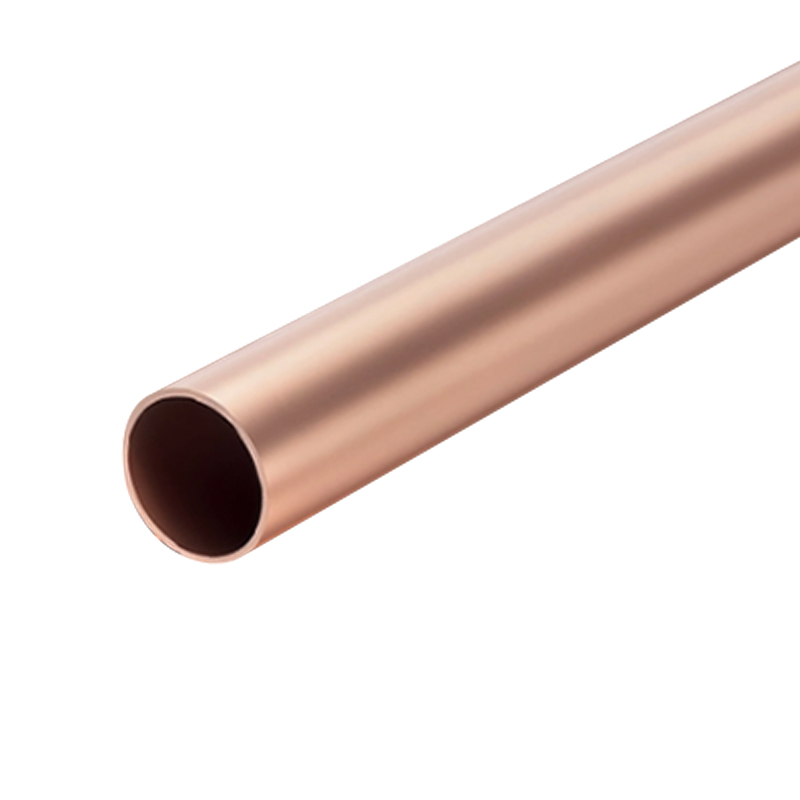 High-Purity Copper Tube for Plumbing and Heat ExchangeThis product page details copper tube specifications, including dimensions from 1.8mm to 80mm and customizable options, useful for verifying tube sizes before selecting threaded or compression fittings.View Product →
Not every fitting is measured the same way. A threaded copper adapter is sized by nominal pipe size and thread pitch. A compression fitting is sized by the outside diameter of the tube it accepts. A push-to-connect fitting is sized by a combination of outside diameter and tube material, because the internal grab ring and O-ring are designed for a specific surface hardness and diameter tolerance.
When you are selecting fittings for a potable water system, remember that lead-free requirements and material compatibility also come into play. The measurement gets you the right mechanical connection; the material and certification keep the system safe and code-compliant. If you need to match a fitting to a specific tube, our copper fittings and connectors overview explains the common connection styles and where each one is typically used.
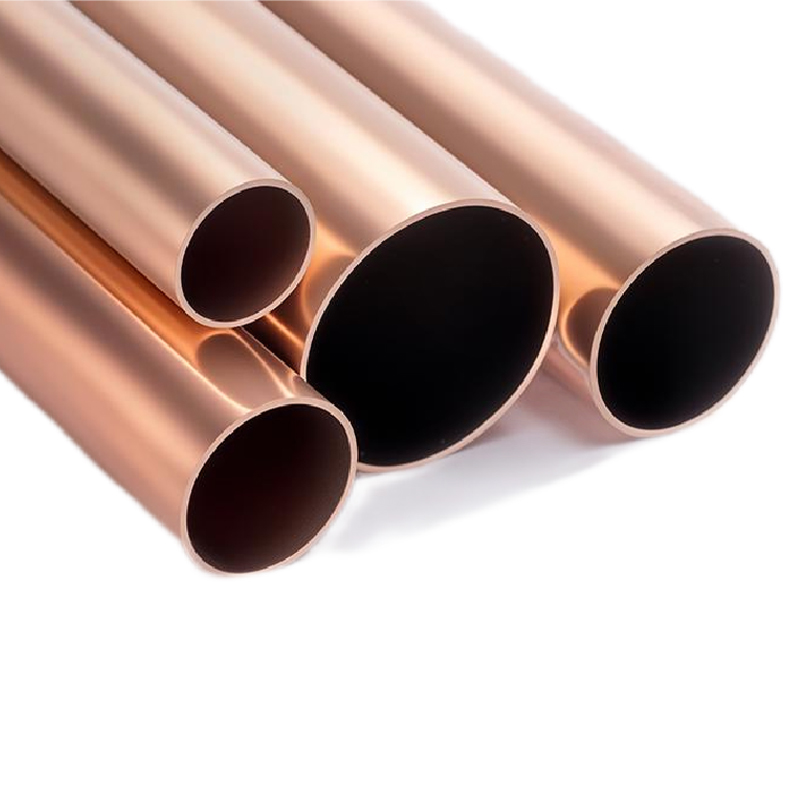 Antibacterial Copper Water Tube for Potable SystemsReview this page for Type K/L/M wall thickness comparisons and antibacterial claims, relevant when choosing fittings for potable water lines where material certification matters.View Product →
Copper water tube comes in three common wall thicknesses: Type K, Type L, and Type M. All three share the same outside diameter for a given nominal size, but their inside diameters and pressure ratings differ. Type K has the thickest wall and is often used underground or in high-pressure applications. Type L is the standard choice for most residential and commercial plumbing. Type M has the thinnest wall and is typically used for lower-pressure indoor work where code allows.
Because the outside diameter is the same across types, a soldered fitting that fits Type L will also slip onto Type K or Type M of the same nominal size. However, the fitting’s pressure rating must match the system, and the tube’s wall thickness affects how much solder or how much compression the joint can take. Always check the tube marking before you cut and fit.
Even experienced installers slip into these traps. A few seconds of care can save hours of rework.
Measuring plumbing fittings is a skill built on a simple habit: measure the actual part instead of trusting the label. Outside diameter, inside diameter, wall thickness, and thread pitch cover most situations, and the nominal size is only a starting point for the conversation. Once you know how to read those dimensions, you can match copper tube, brass fittings, and threaded adapters with confidence.
At our copper tube mill, we produce tube to tight outside-diameter tolerances so that fittings from different manufacturers still assemble correctly. If you are sourcing copper tube for a plumbing or HVAC project, start with our plumbing copper solutions and check the nominal size against the actual dimensions before you place your order.
Standard refrigeration copper tube with an outer diameter of 12-28mm is made of high-quality TP2 copper (C12200/DHP), specifically designed for HVAC s...
See Details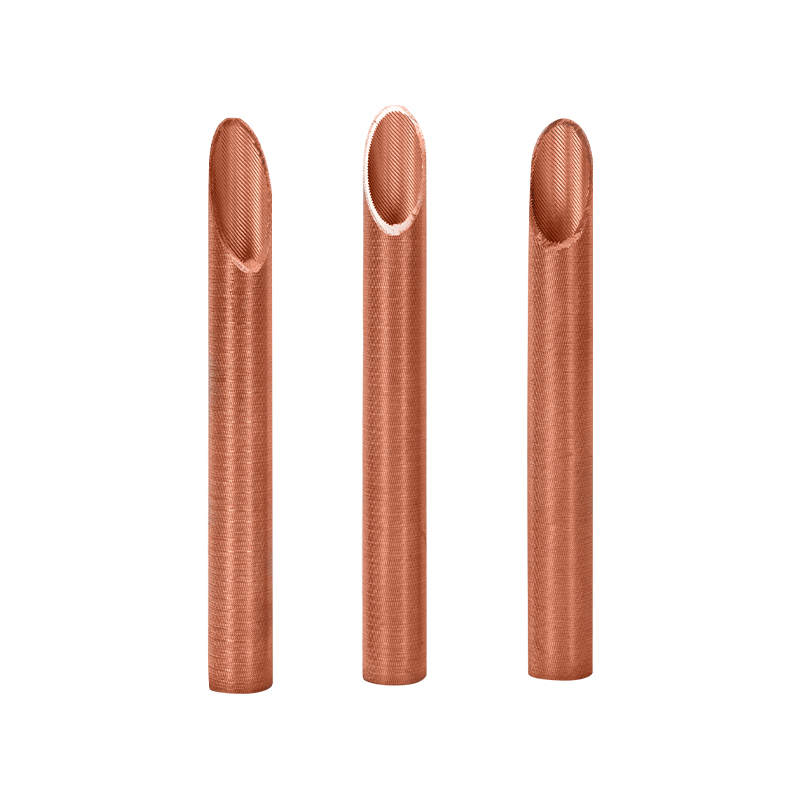
The copper evaporator tube adopts a unique fin design, and the external fins are equipped with specially designed interconnected channels, so that eac...
See Details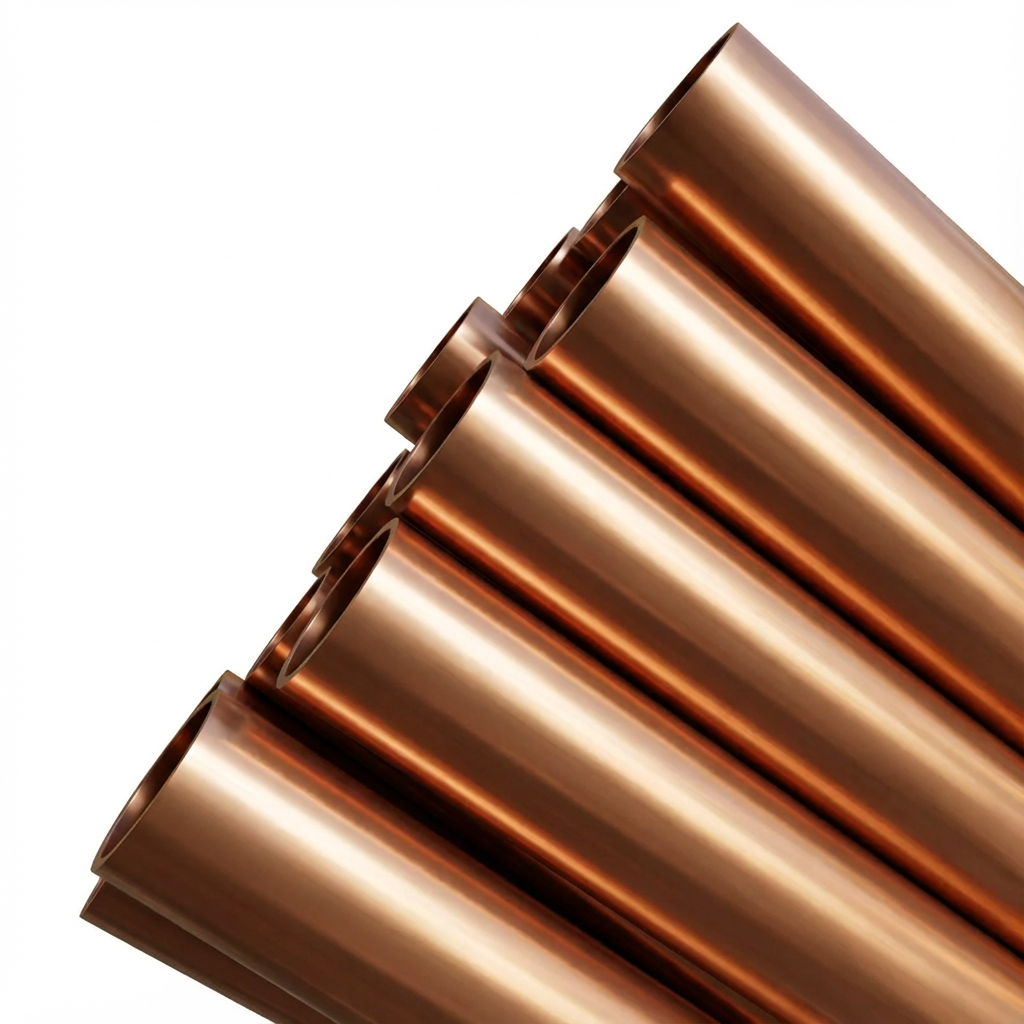
Extra-large diameter copper tube with an outer diameter > 54mm (outer diameter > 54mm, customizable up to 100mm) are mostly customized products ...
See Details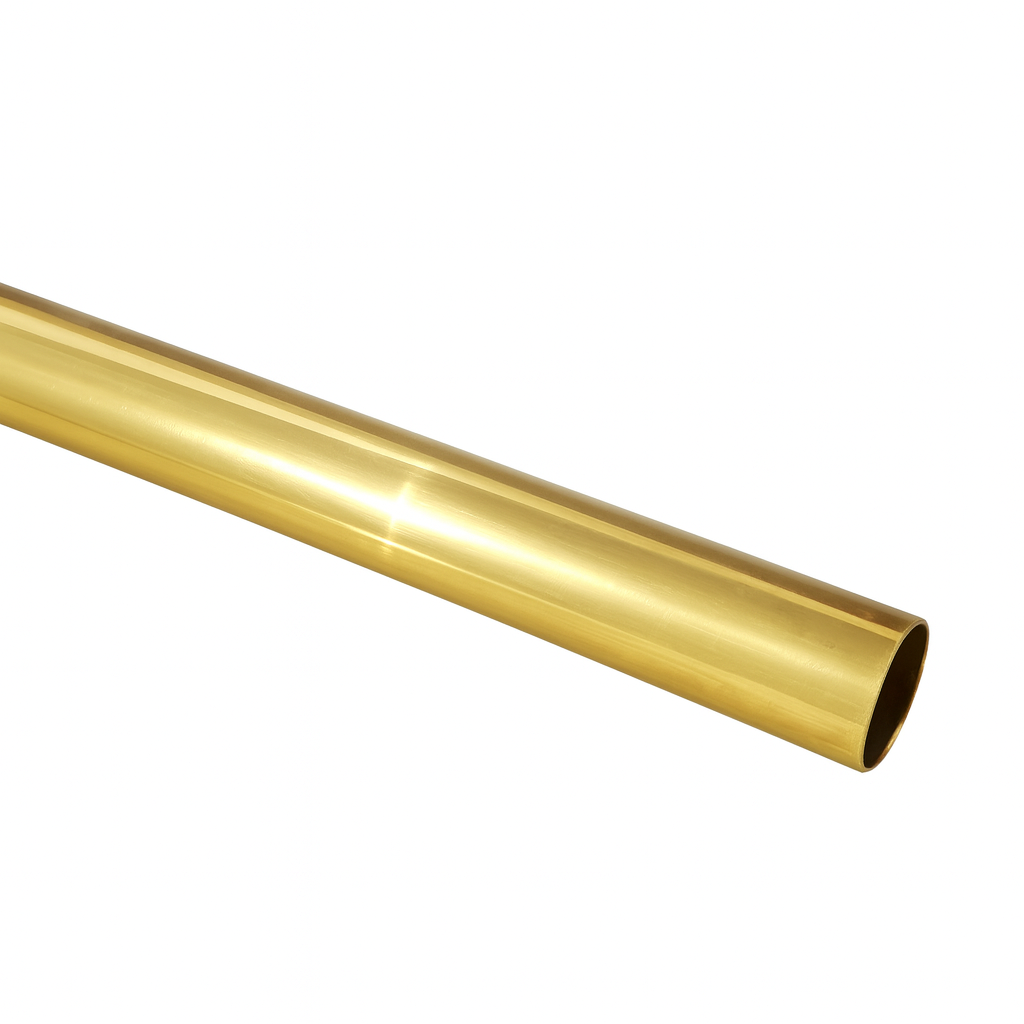
H65 (C27000) Brass Tube is a brass alloy with approximately 65% copper and 35% zinc content. Its properties fall between those of H68 and H62 brass ...
See Details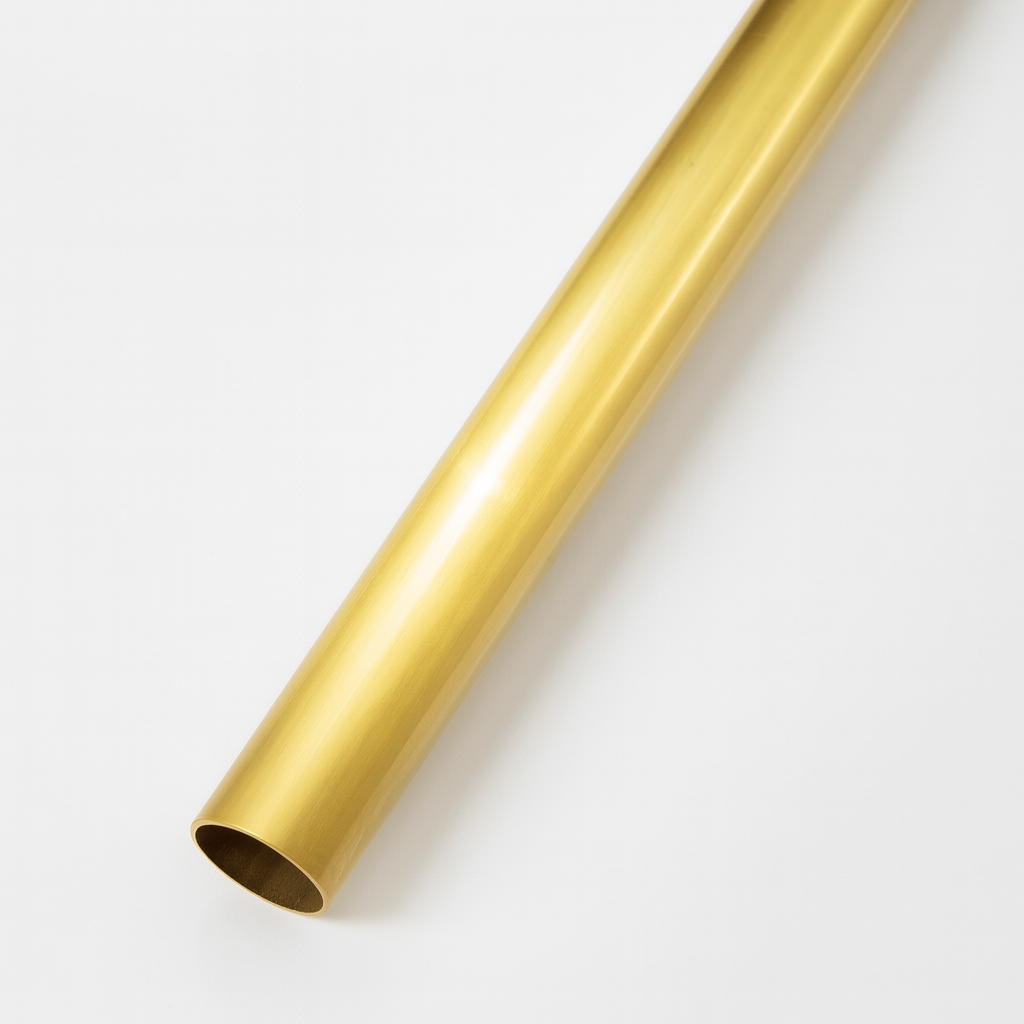
H63 (T27300) Brass Tube is a high-performance brass alloy tube with a copper content of 63% and a zinc content of 37%. Its excellent mechanical proper...
See Details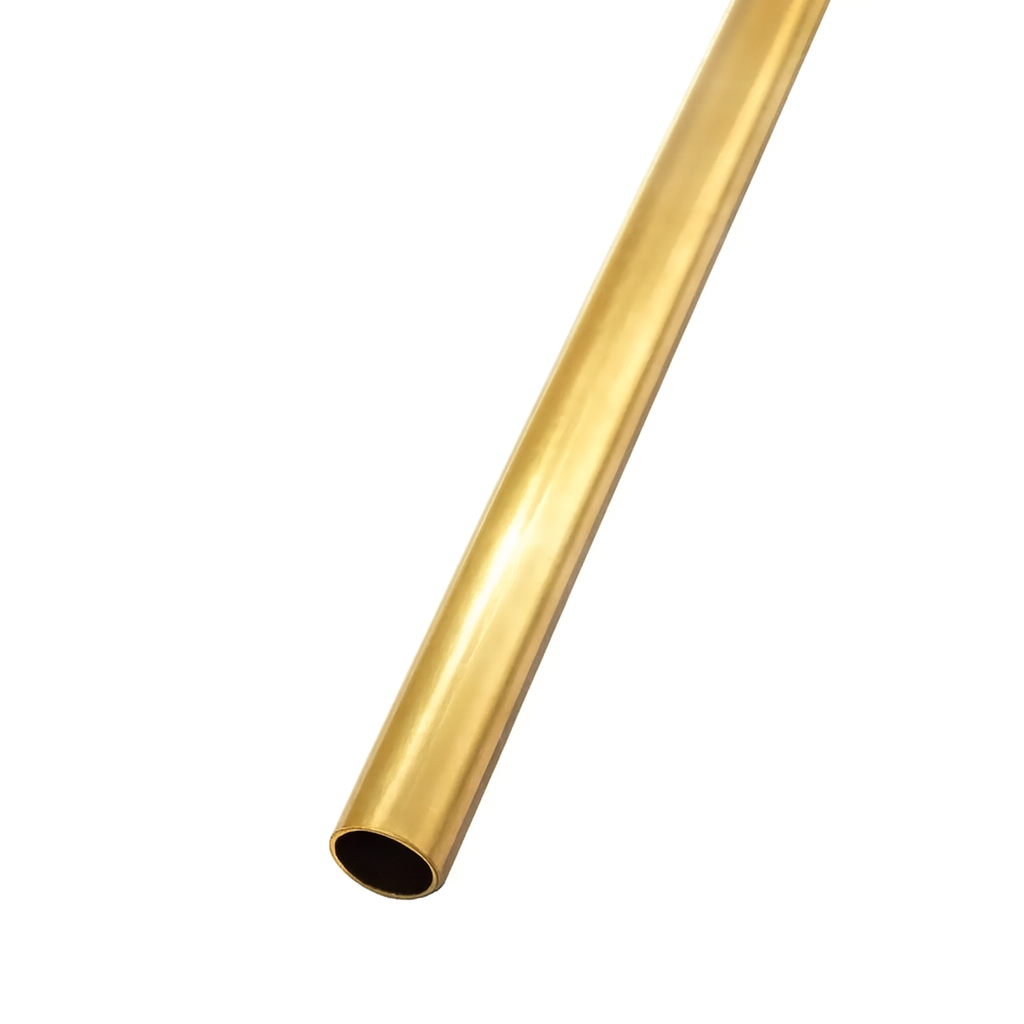
H62 (T27600) Brass Tube is a brass alloy with a copper content of 62% and a zinc content of 38%. Due to its balanced performance in terms of strength ...
See Details
 Tangpu Industrial Zone, Shangyu District, Shaoxing City, Zhejiang Province, China
 +86-13567501345
© Zhejiang Jingliang Copper-Tube Products Co., Ltd All rights reserved.

