 English
 Español
 中文
中文News
Home / News / Industry News / Copper Tube Buying Guide: Types, Standards, and How to Choose the Right Supplier
Two copper tubes can look identical on a warehouse shelf—same outer diameter, same wall thickness, same bright, clean surface—and still perform very differently in service. One is drawn from a tightly controlled alloy charge and finished to a documented tolerance. The other has no chemical analysis and no traceable inspection record. The difference rarely appears during installation. It shows up later, as a brazing joint full of oxide scale, as a pinhole leak in a condenser circuit, or as a temperamental capillary that starves a thermostat of refrigerant. This guide explains what actually defines copper tube quality, how to read size and standard designations, and what a serious buyer should verify before placing an order.
Copper tube is not one product. The base material is almost always a specific alloy grade, and that grade controls how the tube behaves in bending, brazing, pressure service, and corrosive environments. The most common choice for air conditioning, refrigeration, and general plumbing is C12200, a phosphorus-deoxidized copper often called DHP. The phosphorus addition lowers oxygen content, which keeps the metal sound during brazing and produces a clean, workable tube.
For applications that demand maximum electrical conductivity, oxygen-free copper grades such as Cu-OF are specified. When the fluid side is seawater or brackish water, copper-nickel alloys such as 70/30 CuNi take over because of their resistance to biofouling and localized corrosion. Brass tubes—H62, H65, H68, and similar grades—bring higher strength and lower cost for mechanical and structural applications. Silver-copper alloys fill a smaller niche where strength retention and corrosion resistance at elevated temperatures matter.
Importers and traders sometimes sell “copper tube” without naming the grade. That omission is a warning. A reputable manufacturer can state the standard it works to and back it with a mill certificate. If the alloy is not declared, the tube's behavior under pressure and heat is effectively a guess.
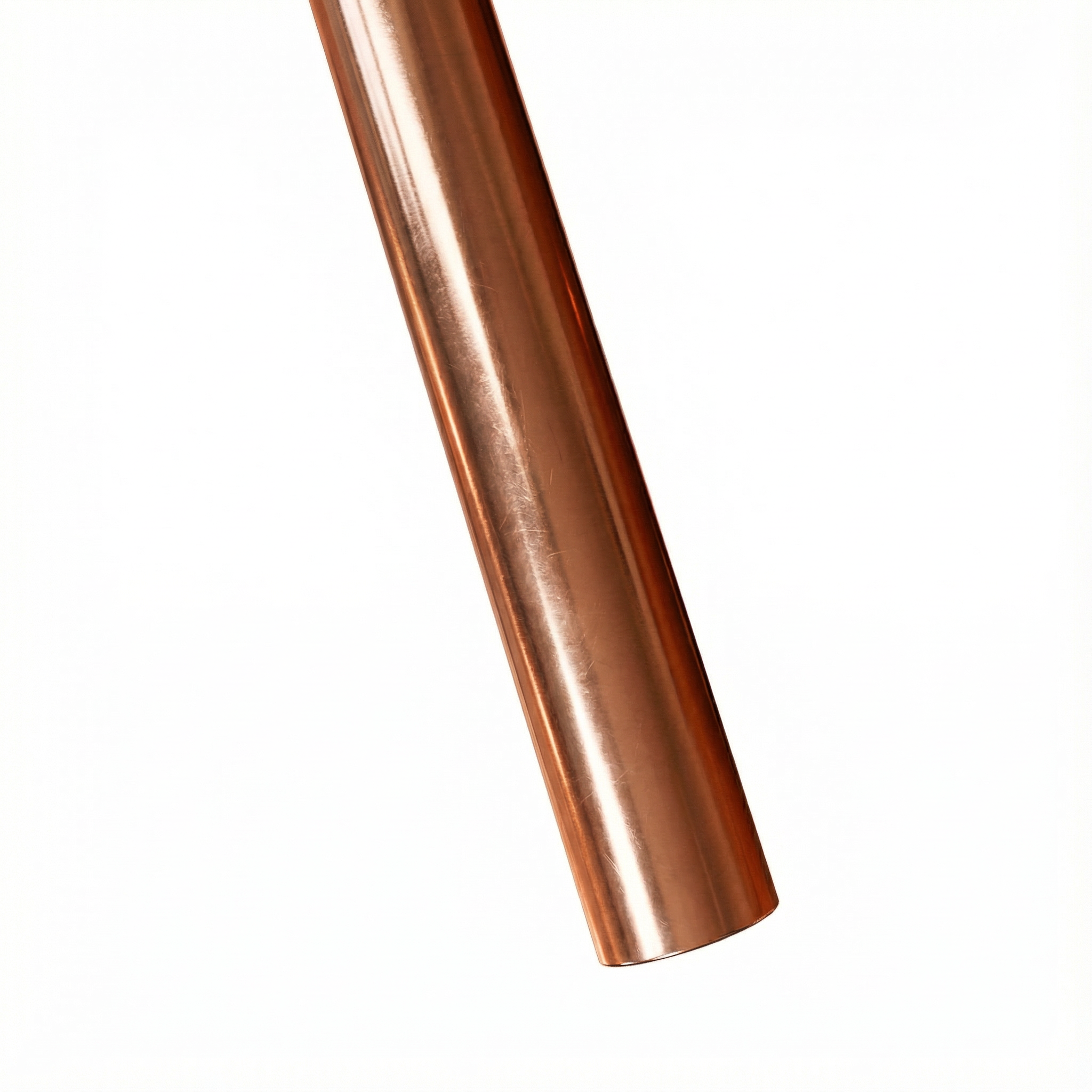 Corrosion-Resistant Phosphorus Deoxidized Copper Tube TP1/TP2This phosphorus-deoxidized copper tube offers weldability, cold bending, and corrosion resistance for refrigeration and heat exchanger systems, with declared grades and mill certification that reassure buyers about material quality.View Product →
Copper tube quality is decided on the factory floor long before final polishing. The full route is melting, extrusion, cold drawing, precision rolling, and annealing. A manufacturer that controls every step can trace a batch problem to its source and correct it. A workshop that only draws purchased mother tubes can sort out scrap after the fact, but it cannot prevent the defect from forming in the first place.
Extrusion determines the initial wall distribution. Drawing and rolling set the outer diameter tolerance, wall thickness uniformity, and surface finish. Annealing controls temper: hard-drawn tube is rigid and holds its shape, while annealed soft tube is the ductile material needed for bending, flaring, and expanding. A tube that is supposed to be soft but arrives hard will crack during flaring; a tube that is supposed to be hard but arrives soft can collapse under clamping pressure.
Surface cleanliness is just as important as mechanical properties. Residual oil, drawing lubricant, or oxide inside the bore can contaminate refrigerant circuits, clog capillary tubes, or compromise medical gas lines. The best defense is a process that ends with thorough cleaning, internal drying, and proper end protection before packing.
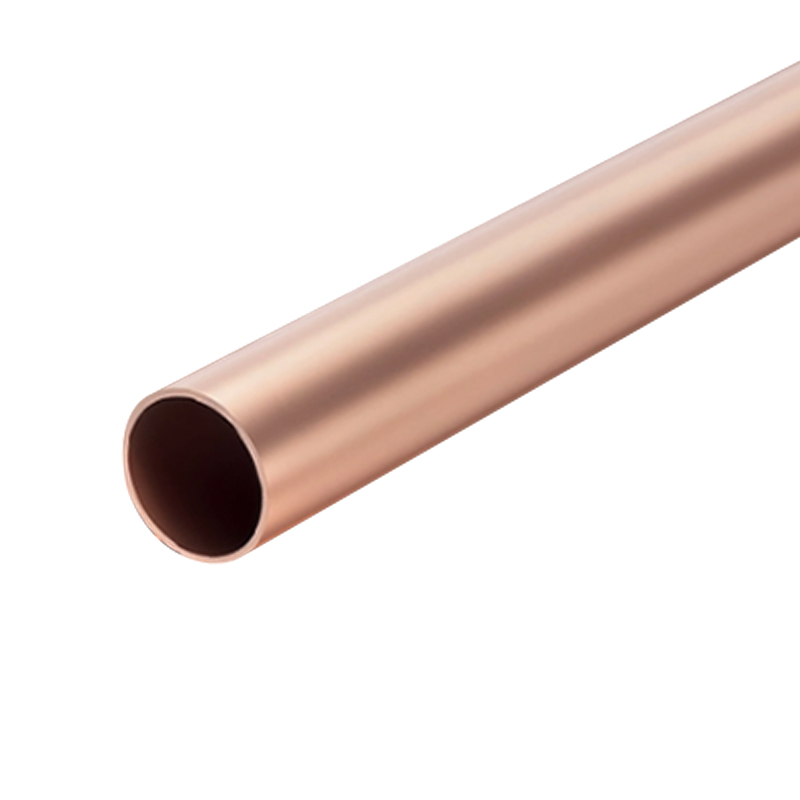 High-Purity Copper Tube with Customizable DimensionsMade from copper with at least 99.9% purity and available in outer diameters from 1.8mm to 80mm, this versatile tube suits water, medical gas, and refrigeration applications while supporting consistent production across large orders.View Product →
An integrated production line—from melting to finished coil—is also the only realistic way to hold tight tolerances across large orders. When thousands of kilograms move through one plant under the same process control, the tenth batch matches the first. That consistency, not any single impressive machine, is what makes a supplier reliable.
Copper tube is typically classified by outer diameter, and each size band has natural applications. The table below summarizes the common categories used in the industry.
| Category | Outer Diameter | Typical Applications |
|---|---|---|
| Ultrafine tube | Up to 5 mm | Capillaries, thermostats, precision instruments |
| Small-diameter tube | 5 to 12 mm | Control lines, medical gas, sensing circuits |
| Standard refrigeration tube | 12 to 28 mm | AC and refrigeration circuits, heat pumps |
| Large-diameter tube | 28 to 54 mm | Condensers, evaporators, industrial heat exchangers |
| Extra-large tube | Above 54 mm | Water distribution, heavy industrial pipework |
Size, however, is only one axis. The same diameter can be delivered as a straight length, a pancake coil, or a level-wound coil, and the choice affects handling, installation speed, and scrap loss. Long coil runs permit continuous tubing lines in HVAC systems, while straight lengths are easier to store and cut in workshop environments. Custom cut lengths reduce waste on repetitive assembly lines.
Application-specific variants add another layer of choice. Inner-grooved tubes increase heat transfer in evaporators and condensers. Finned tubes are used where external surface area drives thermal performance. Capillary tubes control refrigerant flow in small circuits. Phosphorus-deoxidized and copper-nickel tubes serve corrosive duties. Buying from a range that covers all of these means one qualified supplier can support several product lines at once.
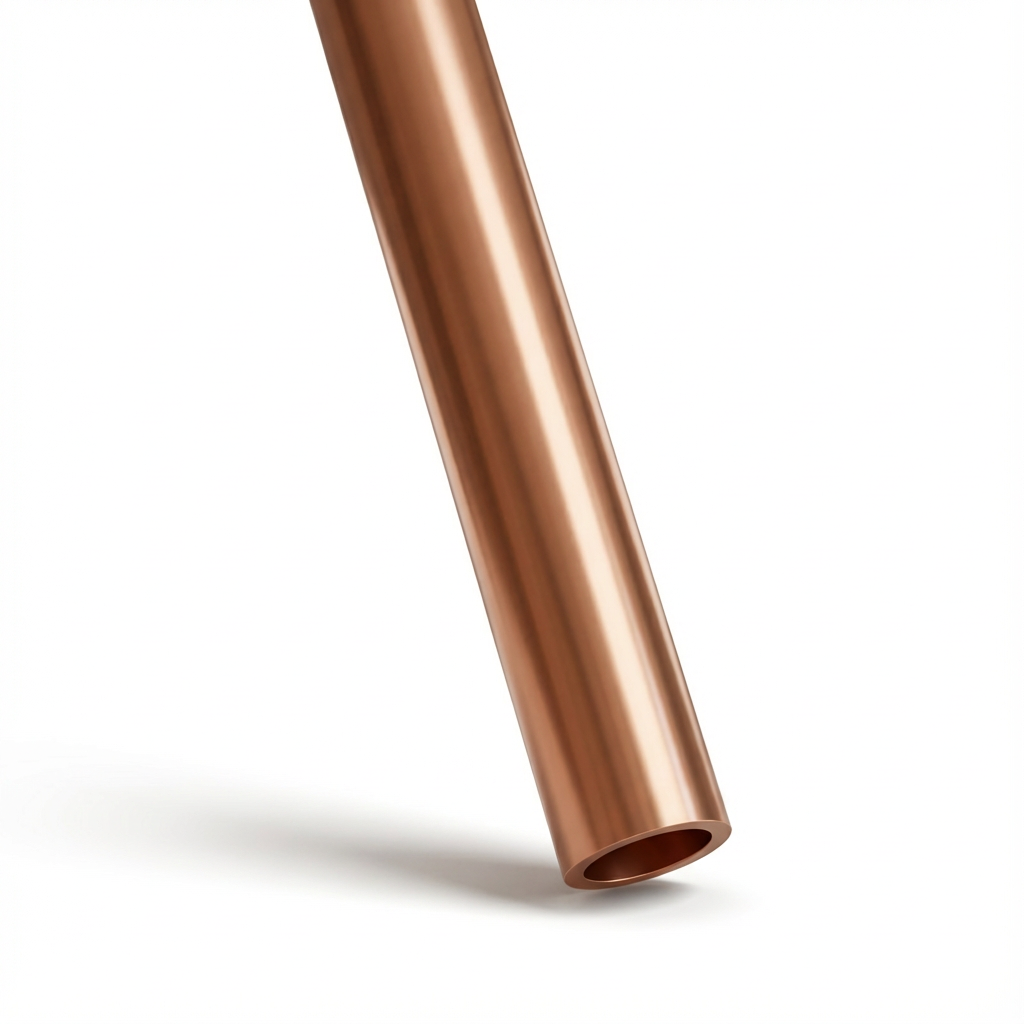 Standard Refrigeration Copper Tube 12-28mm TP2Designed for HVAC and large refrigeration systems, this TP2 copper tube balances strength and formability for high-pressure refrigerant lines, while its standard outer diameter range meets common industry specifications for reliable connections.View Product →
When a project specifies ASTM B280, EN 12735, JIS H3300, or AS 1432, it is not bureaucracy. It is shorthand for dimensional tolerances, temper, cleanliness, and pressure performance. ASTM B280, for example, is the common benchmark for air-conditioning and refrigeration field tubing. It sets limits on wall thickness variation, internal cleanliness, and dew point, so tubes from different suppliers can be treated as equivalent when installed.
Standard compliance is also a procurement shield. A tube ordered to a named standard can be checked, tested, and rejected if it does not measure up. A tube ordered only as “copper tube” has no objective acceptance criteria, which makes quality disputes almost impossible to win. For this reason, experienced buyers ask suppliers which standards they manufacture to before they ask about price.
Certifications add a third layer. An independent inspection body such as SGS can verify that a factory consistently ships material that matches its declared grade and standard. An ASTM B280 compliant supplier will normally provide test certificates that list the lot number, the chemical composition, and the mechanical test results for each batch. If those documents are unavailable, the true quality of the tube is unknown.
Price per kilogram is the easiest number to compare and the least reliable one. A low quote usually reflects a weaker specification, a thinner wall tolerance, or a supplier that cannot document its process. A fair quote reflects the cost of the alloy, the process route, inspection, cleaning, packaging, and the flexibility to deliver the form you actually need.
Start with the factory's own scope of production. Does the plant melt its own ingots and run the full route through extrusion, drawing, and annealing? If it does, it can control composition and traceability. If it only resells or redraws finished tubes, the metallurgical history of the material is outside its control. The following checks are worth applying to every candidate:
Buying directly from a factory with a complete copper tube program tends to simplify the whole process: one approval, one quality system, one delivery schedule, and consistent material traceability across all copper components. For companies that consume copper tubing in volume, a direct factory relationship—such as a bulk copper tube wholesale program—also opens the door to stable pricing arrangements and closer cooperation on application support.
The measurable success of a copper tube purchase is not the per-kilogram price on the invoice. It is whether the tube arrives on grade, on standard, on dimension, and on schedule—and whether it behaves exactly the same from the first coil to the last. Alloy grade, manufacturing process, standards compliance, and delivery form are the four variables a buyer actually controls. Ask every potential supplier the same questions on those four points, compare the answers, and the right choice becomes far less mysterious.
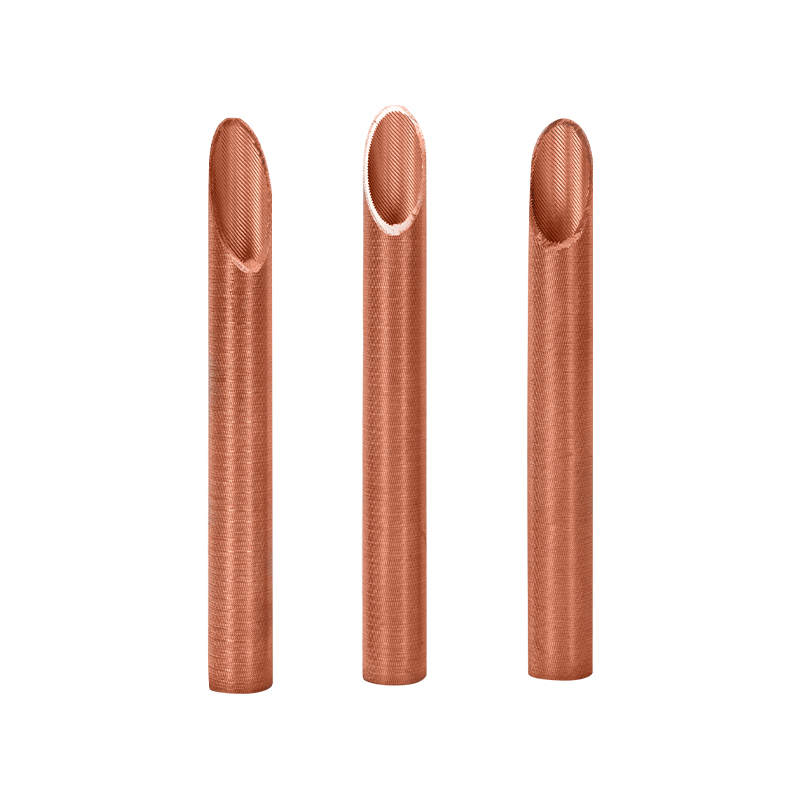
The copper evaporator tube adopts a unique fin design, and the external fins are equipped with specially designed interconnected channels, so that eac...
See Details
Copper Tube is made of high-purity copper material with a copper content of not less than 99.9%. The main material codes are T11050 and C12200(DHP), a...
See Details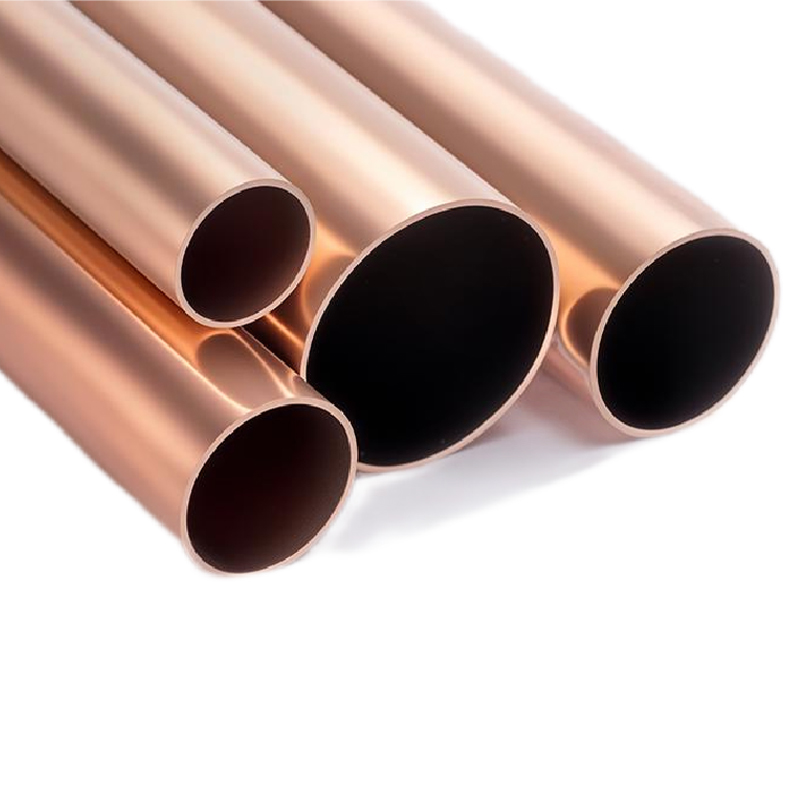
The Copper Water Tube produced by our company is a high-performance copper tube suitable for hot and cold water systems and heating applications. It h...
See Details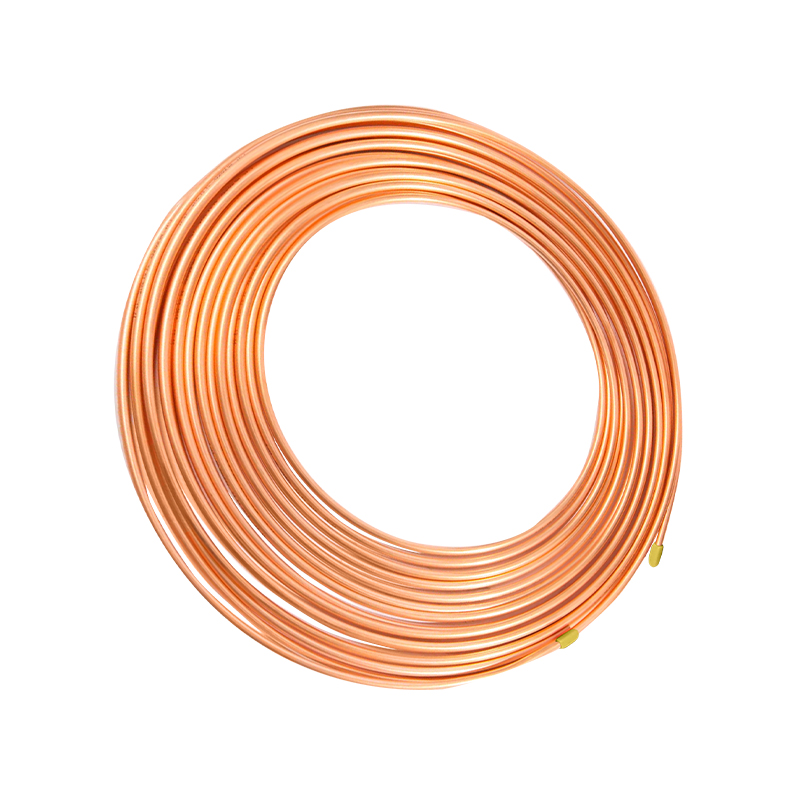
Copper capillary tube is usually manufactured by precision machining, and its dimensional accuracy can reach one thousandth of an inch. This ultra-hig...
See Details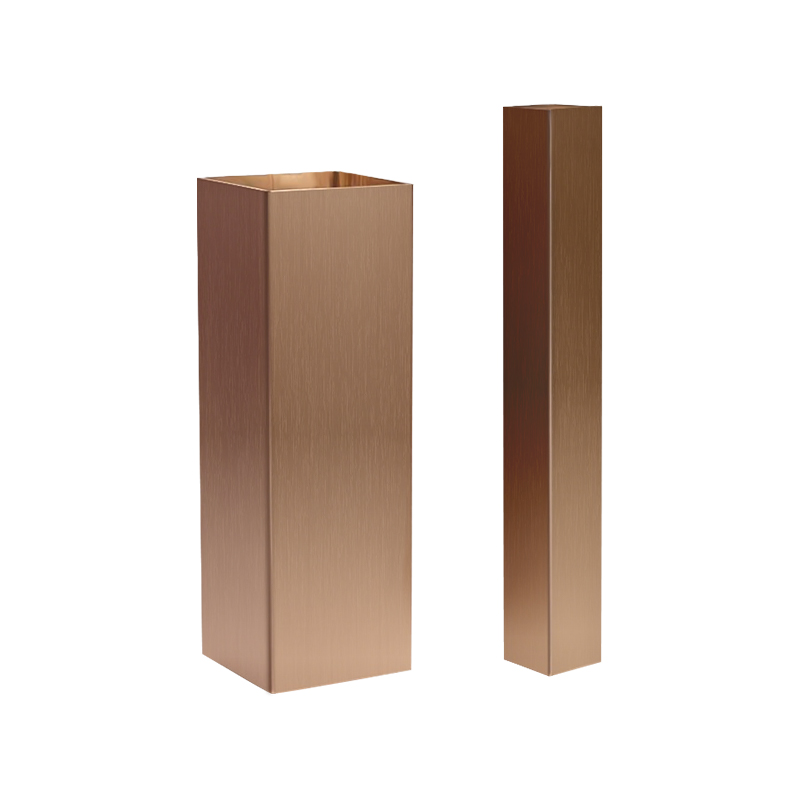
Copper square tube is a metal tube with a hollow square cross-section. It is made of high-purity copper or copper alloy materials through multiple pre...
See Details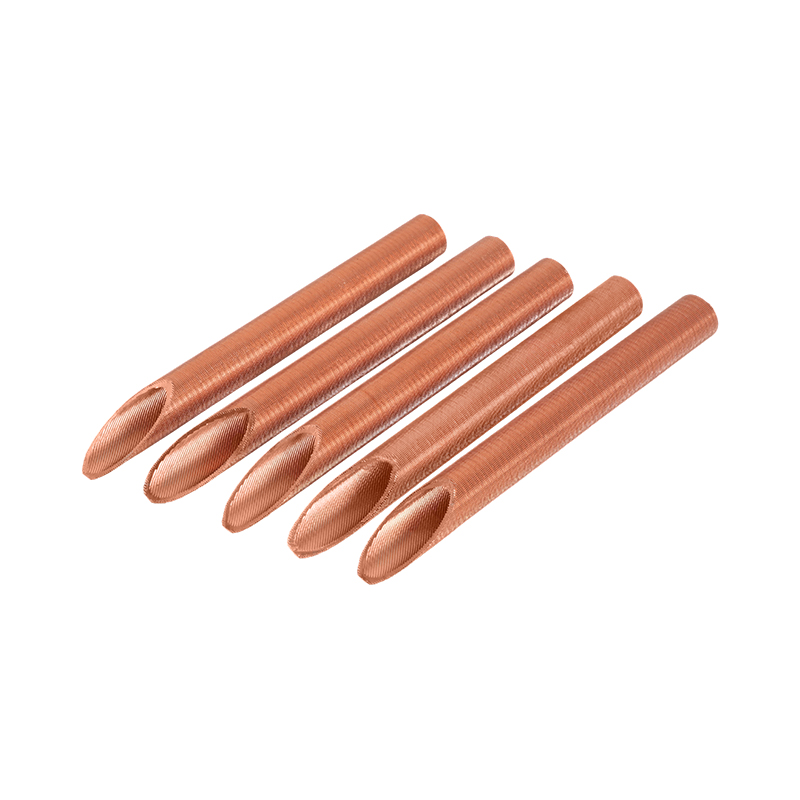
The condenser copper tube adopts a proprietary design independently developed by the company, and the ends of the fins are provided with radial and ax...
See Details
 Tangpu Industrial Zone, Shangyu District, Shaoxing City, Zhejiang Province, China
 +86-13567501345
© Zhejiang Jingliang Copper-Tube Products Co., Ltd All rights reserved.

