 English
 Español
 中文
中文News
Home / News / Industry News / Copper Tube Busbars: How Is the 'Silent Revolutionary' in Power Transmission Redefining Energy Infrastructure Efficiency?
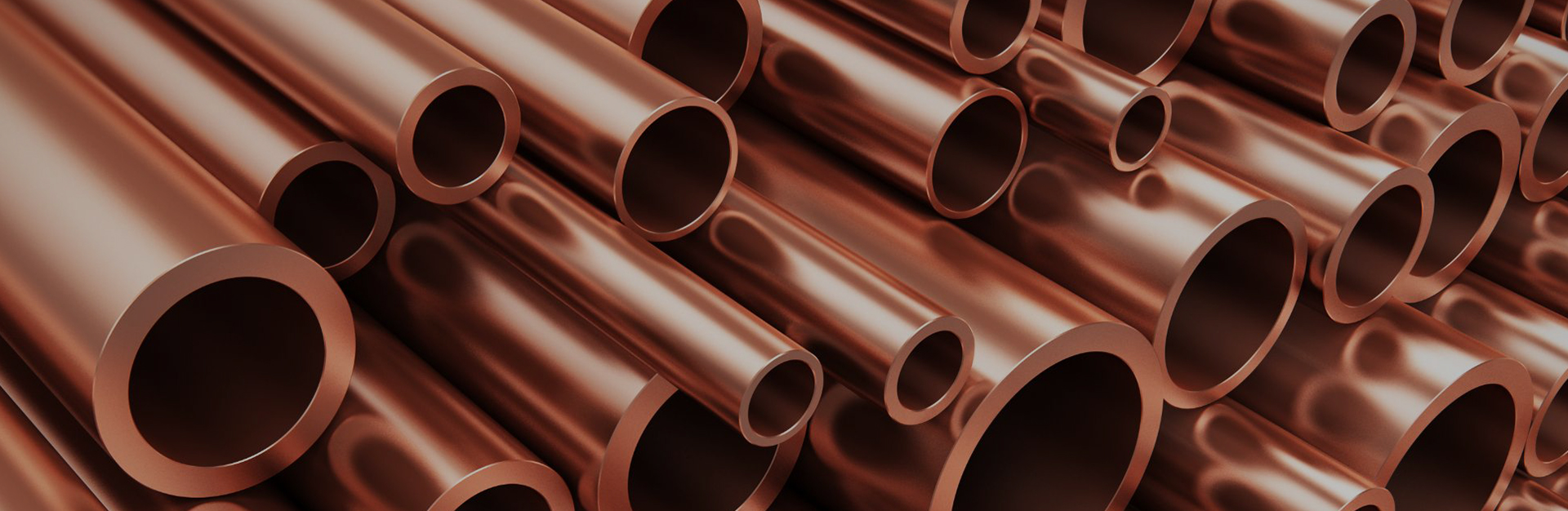
Subtitle: While traditional rectangular busbars occupy significant space and exhibit notable losses in ultra-high-voltage substations, a hollow tubular copper tube busbar—with a 40% reduction in AC resistance and a 60% improvement in heat dissipation efficiency—is quietly becoming a key driver of the global energy transition. Why is this niche product, representing only 3% of total copper tube demand, achieving a 200% annual growth rate in the new energy sector?
In 2025, upgrades in global energy infrastructure are driving explosive growth in the copper tube busbar market. Although this category accounts for only 2%–3% of total copper tube demand, its application in ultra-high-voltage substations, data centers, and new energy power stations is growing at a rate of over 200% annually. Compared to traditional rectangular busbars, the core competitiveness of copper tube busbars lies in the physical advantages of their hollow tubular structure: it expands the conductor surface area by 3–5 times, ensures current distributes uniformly along the tube wall, reduces the skin effect coefficient to below 0.8, and lowers AC resistance by 40% compared to rectangular busbars of the same cross-sectional area.
This structural revolution directly addresses the pain points of ultra-high-current transmission. In 750kV gas-insulated switchgear (GIS), a Φ100×5mm copper tube busbar can carry a current of 4000A, with a current density of only 2.68A/mm². In contrast, equivalent rectangular busbars require multiple stacked layers, leading to a loss increase of over 30%. More critically, the mechanical strength of copper tube busbars is four times that of rectangular busbars. Under a short-circuit current impact of 50kA, the suspended span reaches 9 meters, and the supported span extends to 13 meters, significantly reducing the need for substation steel structures.

(This image was generated by AI.)
Table: Performance Comparison of Copper Tube Busbars vs. Traditional Rectangular Busbars (2025)
|
Performance Indicator |
Traditional Rectangular Busbars |
Copper Tube Busbars |
Improvement |
|
AC Resistance |
Baseline |
40% reduction |
Efficiency leap |
|
Heat Dissipation Efficiency |
Relies on external heat sinks |
Natural convection in inner cavity + optimized outer wall |
60% improvement |
|
Space Occupancy |
Multiple stacked layers occupy large space |
Single-tube replacement, compact structure |
25% savings |
|
Short-Circuit Withstand |
Prone to deformation, requires reinforcement |
Mechanical strength increased by 4 times |
Safety breakthrough |
|
Installation Cost |
Multiple connectors, complex construction |
Modular splicing, labor time halved |
Economic optimization |
The value of copper tube busbars is being redefined in the new energy sector. In ultra-high-voltage direct current (HVDC) transmission, replacing traditional cables with fully insulated copper tube busbars in ±800kV converter stations reduces system losses by 18% and annual operational costs by 4 million yuan. This advantage is particularly pronounced in long-distance transmission: for distances exceeding 100 kilometers, the resistance advantage of copper tube busbars can lower the total lifecycle cost by over 25%.
Even more revolutionary applications are emerging in new energy power stations. At the 330kV booster station in Gansu Jiuquan Wind Power Base, copper tube busbars operate stably in extreme cold of -40°C. Their UV-resistant coating extends outdoor service life to 30 years, far exceeding the 15-year cycle of traditional cables. In photovoltaic power stations, the modular design of copper tube busbars increases installation efficiency by 50%, making them particularly suitable for rapidly deployable distributed energy projects.
Rail transit is another growth area. After Shanghai Metro Line 14 adopted Φ120×8mm copper tube busbars, the efficiency of traction converters increased to 98.5%, and train energy consumption decreased by 7%. Their vibration resistance reduces contact failure rates by 90%, significantly enhancing operational reliability. The expansion of these application scenarios elevates copper tube busbars from mere conductive materials to core determinants of system energy efficiency.
Facing the challenge of copper resource scarcity, the industry achieves "copper reduction and efficiency enhancement" through structural innovation. Using a Φ28×3mm copper tube to replace a 20mm solid copper rod reduces copper usage by 33% under a 630A current-carrying requirement, while maintaining thermal stability. A gradient wall thickness copper tube busbar developed by one enterprise further reduces material consumption through a central thin-wall design, cutting copper consumption by 22% and costs by 15% under 10kV/3150A conditions.
Green manufacturing technologies are also accelerating their application. Jiangxi Naile Copper's closed-loop water cooling system reduces water consumption in the copper tube busbar production process from 28 cubic meters per ton to 16 cubic meters per ton, a 43% reduction. Meanwhile, Guangdong Longfeng Precision Copper Tube uses 5G+Industrial Internet technology to build a digital twin factory, optimizing energy consumption in real-time and reducing comprehensive energy consumption per unit product by 30%. These innovations not only lower production costs but also help products qualify for exemptions under the EU's Carbon Border Adjustment Mechanism (CBAM), enhancing international competitiveness.
The most cutting-edge innovations are occurring in the field of intelligence. Smart copper tube busbars integrated with optical fiber sensors can monitor temperature, stress, and partial discharge in real-time. After being deployed at a steel enterprise, they achieved a 92% accuracy rate in equipment fault prediction and reduced unplanned downtime by 65%. This intelligent transformation shifts copper tube busbars from being passive conductive components to active energy management nodes.
Digital twin technology further amplifies this value. By constructing virtual models of copper tube busbars and simulating their performance under different operating conditions, enterprises can provide early warnings for potential faults. In one data center project, this predictive maintenance reduced operational costs by 40% and increased system reliability to 99.999%. With the introduction of AI algorithms, smart copper tube busbars can even automatically adjust operating parameters to optimize the energy efficiency distribution of the entire power system.
Next-generation copper tube busbar technology is advancing toward superconducting breakthroughs. The copper-superconductor composite busbar developed by the German Max Planck Institute achieves zero-resistance power transmission at -196°C in liquid nitrogen, increasing current density by five times. Although costly, it shows application potential in specific high-value scenarios. A more practical innovation is aluminum silicon carbide composite material, which has 1.5 times the thermal conductivity of copper and only one-third of its weight, and is already being trialed in some new energy applications.
System integration is another key direction. Tesla's energy department developed an integrated "cooling-conduction" busbar that combines heat dissipation and power transmission functions, reducing the volume of EV supercharging piles by 40% and increasing charging efficiency by 30%. This cross-functional integration represents the future direction of copper tube busbars—they are no longer single-function conductive components but core carriers of comprehensive energy solutions.
The rise of copper tube busbars represents a quiet revolution in the energy infrastructure sector: while industry attention focuses on star technologies like photovoltaics and wind power, this seemingly traditional niche is quietly elevating the efficiency baseline of the entire energy system through materials science and structural innovation. Over the next five years, as the global energy transition accelerates, the copper tube busbar market will maintain an annual growth rate of over 25%, becoming the most promising profit growth point in the copper tube industry.
For enterprises, the key to competition no longer lies solely in cost control but in the ability to provide system solutions—integrating material innovation, intelligent management, and application scenarios deeply to deliver end-to-end energy efficiency improvement solutions. As one industry expert stated, "The future winners will not be companies selling copper tubes, but companies selling 'efficiency'".
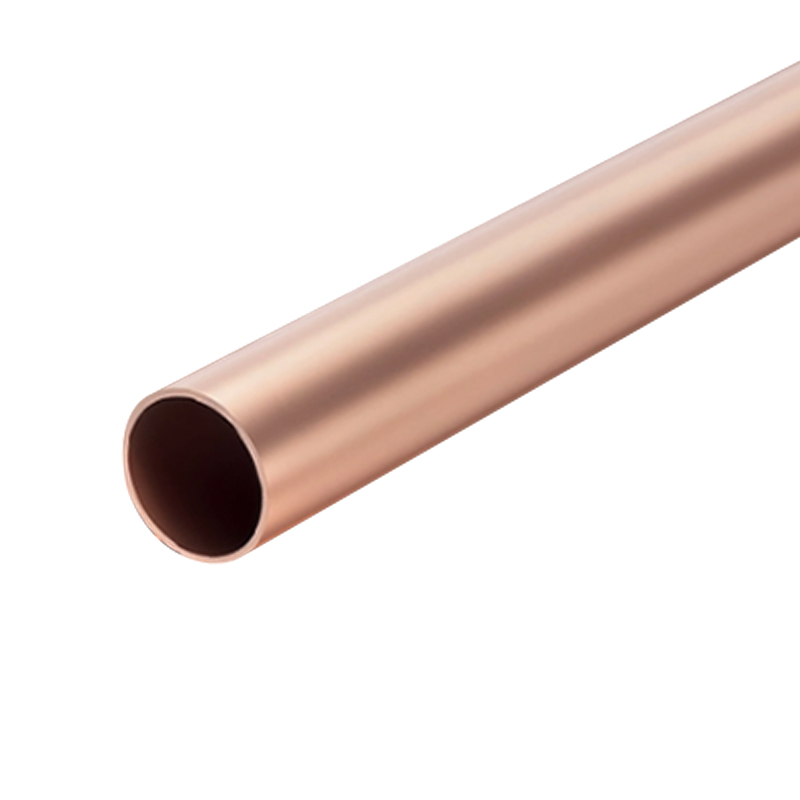
Copper Tube is made of high-purity copper material with a copper content of not less than 99.9%. The main material codes are T11050 and C12200(DHP), a...
See Details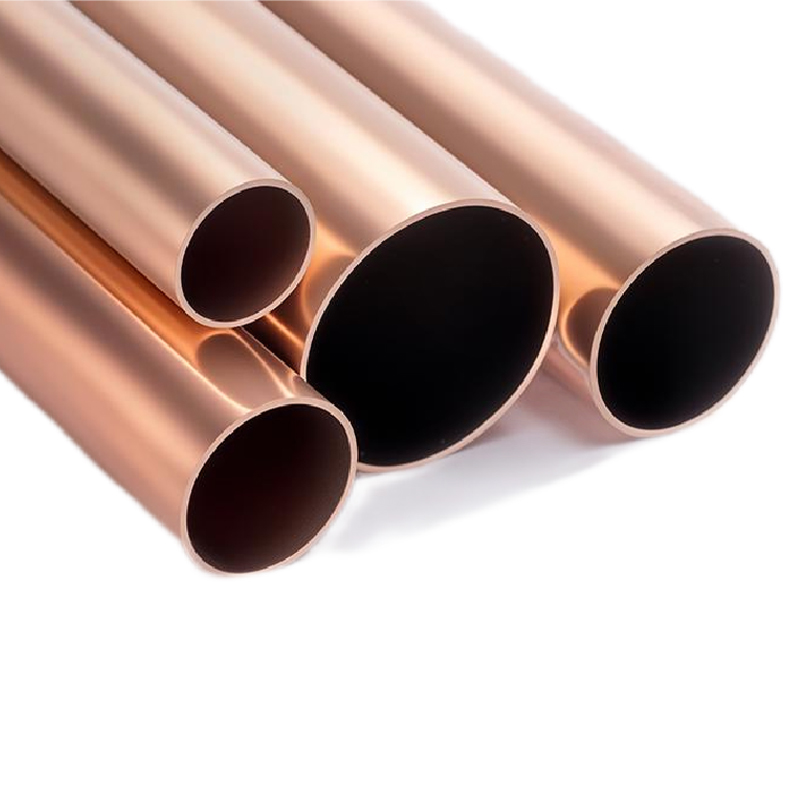
The Copper Water Tube produced by our company is a high-performance copper tube suitable for hot and cold water systems and heating applications. It h...
See Details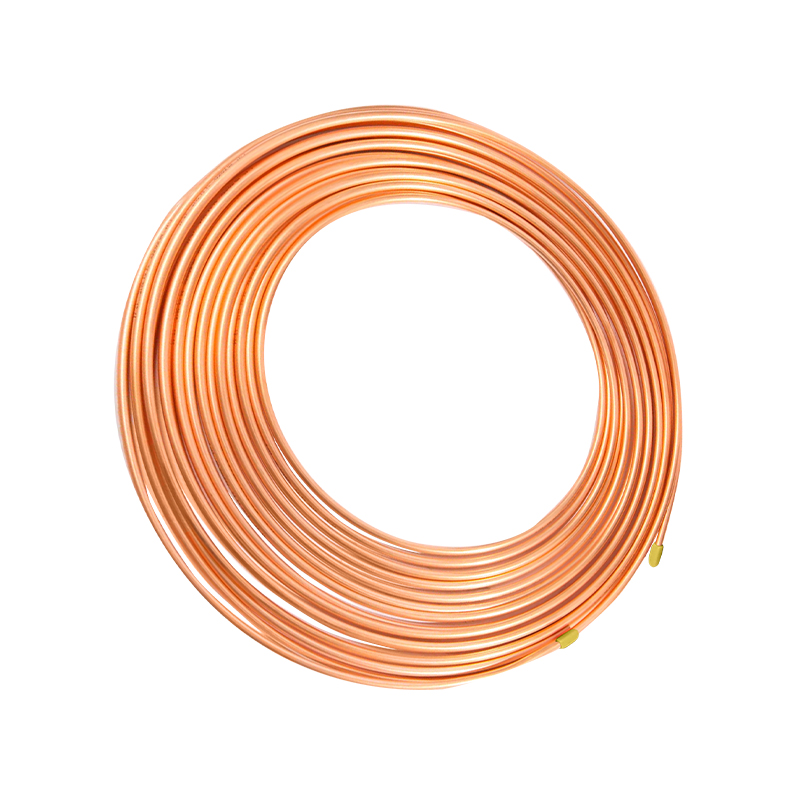
Copper capillary tube is usually manufactured by precision machining, and its dimensional accuracy can reach one thousandth of an inch. This ultra-hig...
See Details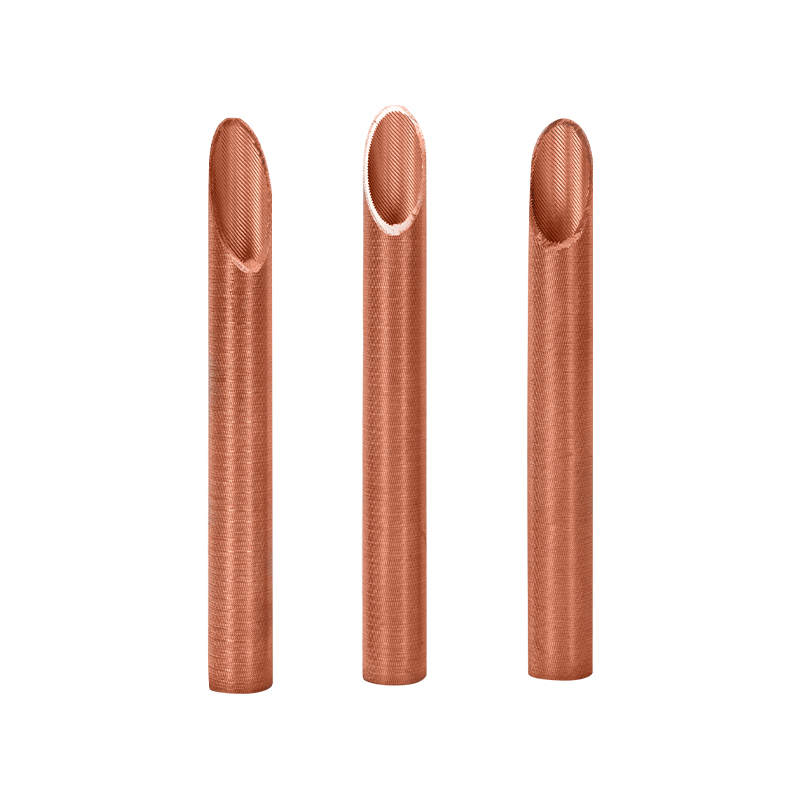
The copper evaporator tube adopts a unique fin design, and the external fins are equipped with specially designed interconnected channels, so that eac...
See Details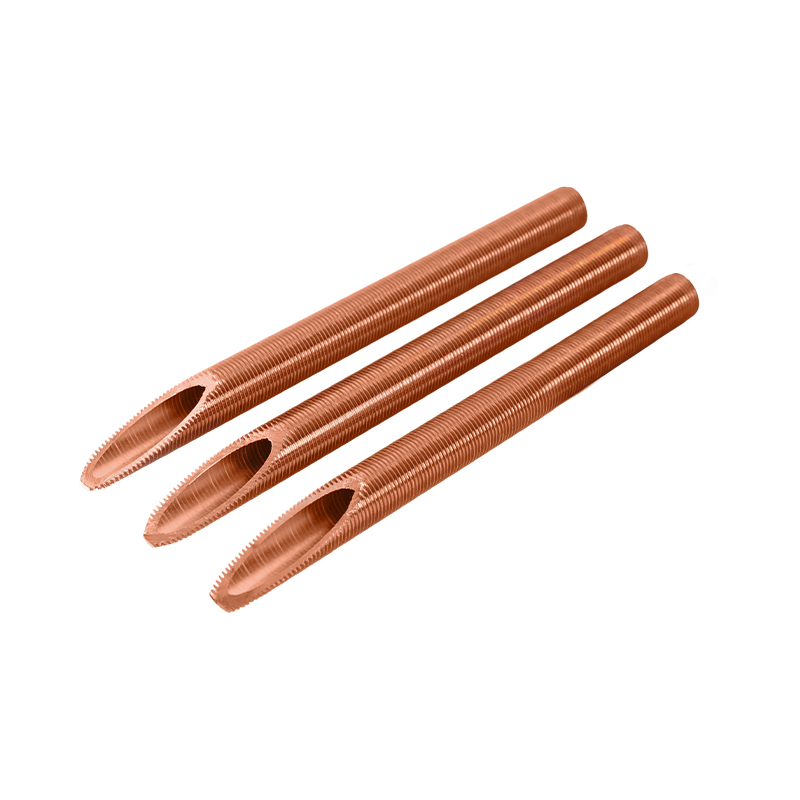
Fin copper tube is a highly efficient heat exchange element. Its structural feature is that uniform fins are formed on the outer wall of the copper tu...
See Details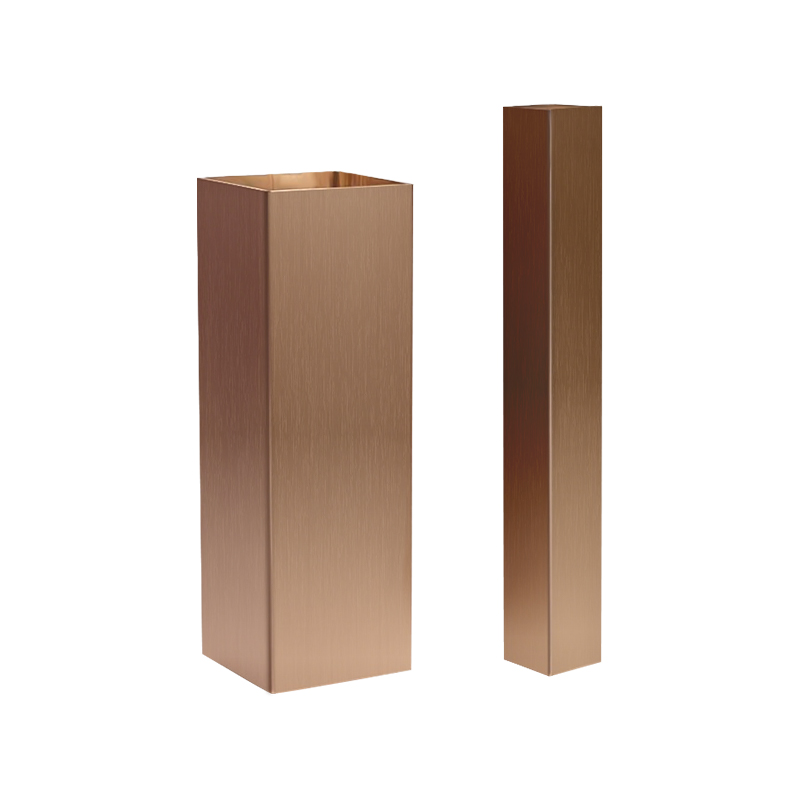
Copper square tube is a metal tube with a hollow square cross-section. It is made of high-purity copper or copper alloy materials through multiple pre...
See Details
 Tangpu Industrial Zone, Shangyu District, Shaoxing City, Zhejiang Province, China
 +86-13567501345
© Zhejiang Jingliang Copper-Tube Products Co., Ltd All rights reserved.

