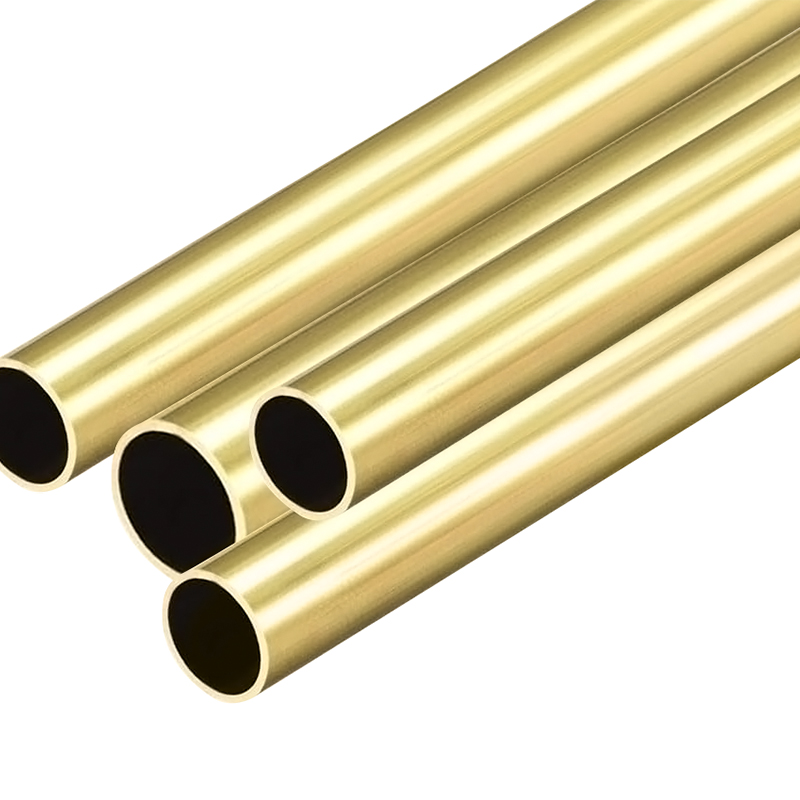
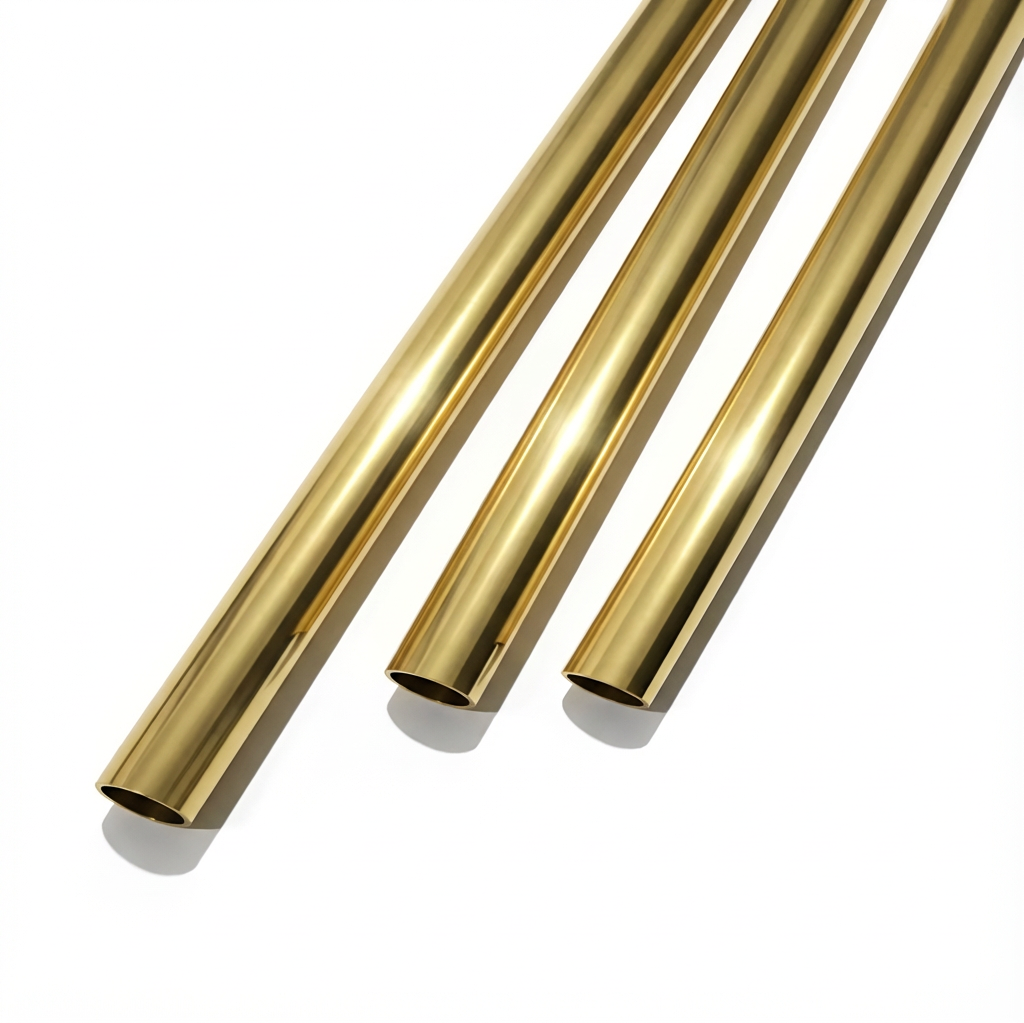
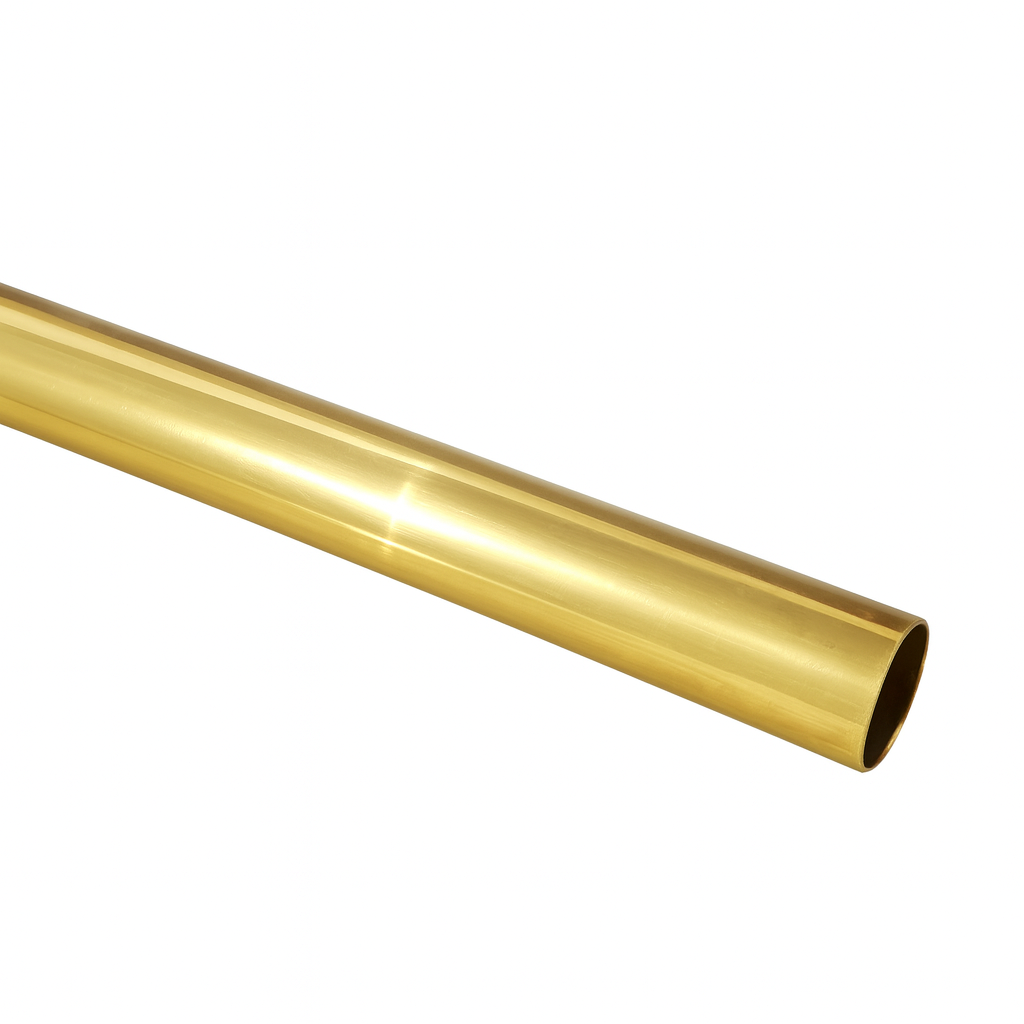
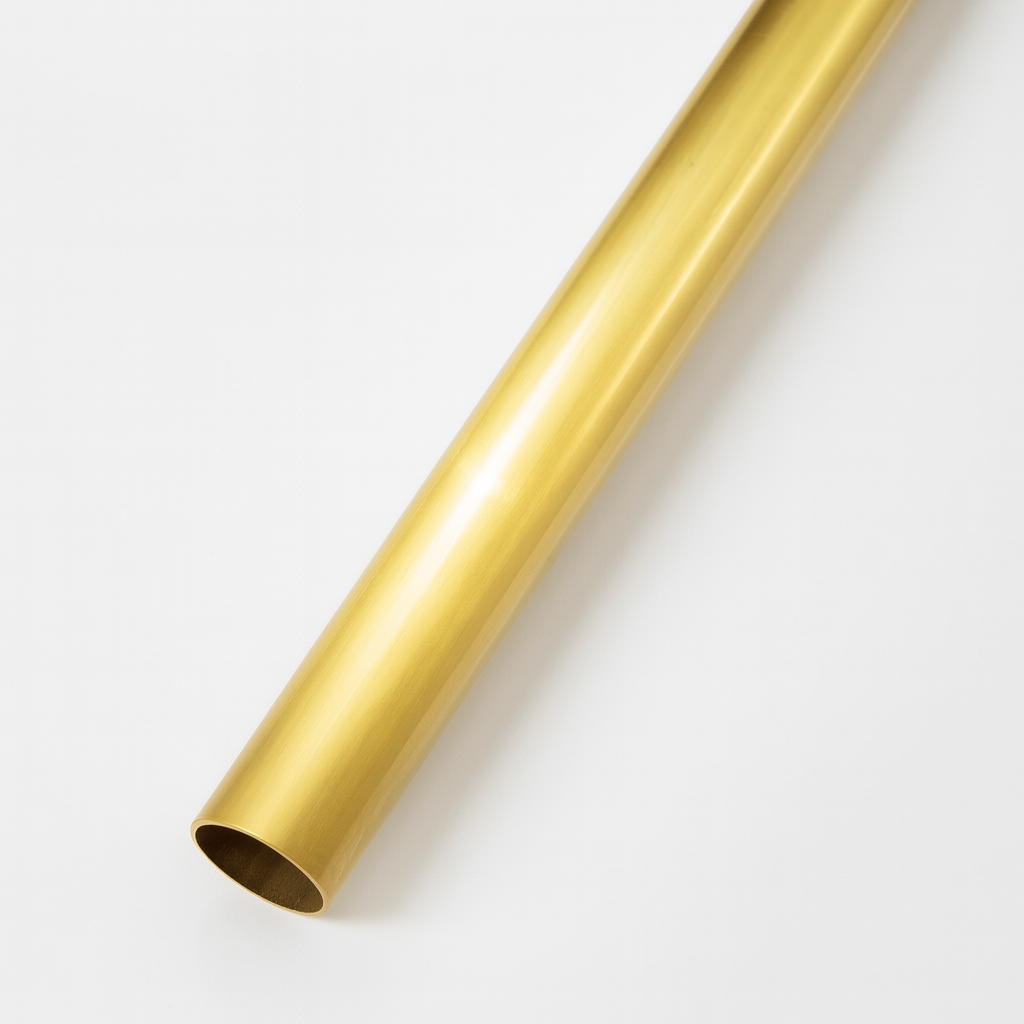
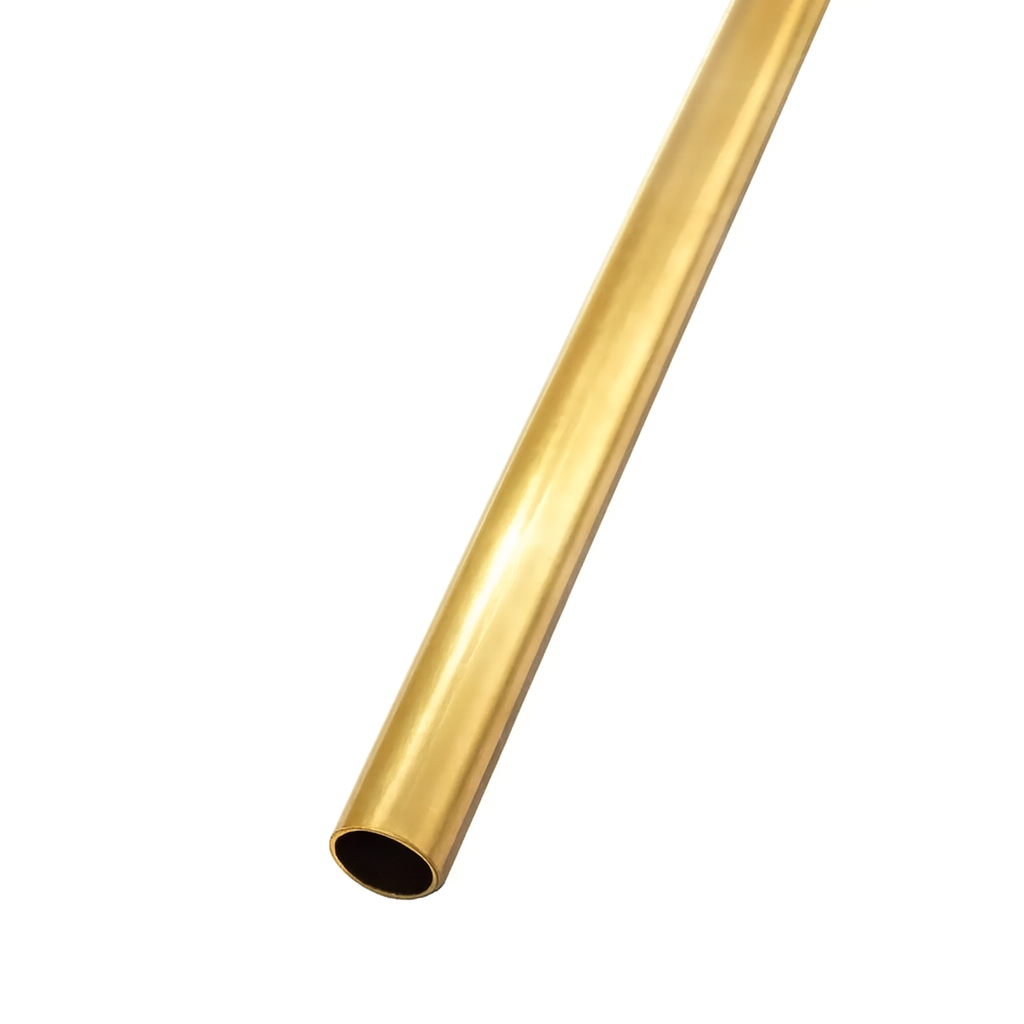
If you're sourcing brass tubes for industrial, plumbing, decorative, or precision engineering applications, the single most important decision is choosing the right factory — not just the right product. The factory determines alloy consistency, dimensional accuracy, lead times, and long-term reliability. This guide cuts through the complexity and gives you a practical, data-backed framework for evaluating brass tube manufacturers, understanding product specifications, and avoiding costly sourcing mistakes.
Not all brass tube factories offer the same product range. Understanding what a factory specializes in helps you match your needs to their core capabilities. Most factories produce tubes in one or more of the following categories:
Drawn seamless tubes typically achieve OD tolerances of ±0.05 mm, while standard extruded tubes may only reach ±0.2 mm. If your application involves press-fits, tight assemblies, or precision machining, always confirm the manufacturing method before ordering.
The alloy grade defines corrosion resistance, machinability, strength, and compliance with industry standards. Most reputable factories stock and certify several standard grades. Below is a comparison of the most common ones:
| Alloy (UNS) | Copper % | Key Property | Typical Application |
|---|---|---|---|
| C26000 (Cartridge) | 70% | Excellent cold workability | Precision tubes, ammunition casings |
| C28000 (Muntz Metal) | 60% | Hot workability, lower cost | Large structural tubes, heat exchangers |
| C36000 (Free Cutting) | 61.5% | Best machinability | Machined fittings, valves |
| C44300 (Admiralty) | 71% | Superior corrosion resistance | Marine, condenser tubes |
| C68700 (Aluminum Brass) | 77% | High erosion resistance | High-velocity water systems |
Always request a mill test certificate (MTC) from the factory confirming chemical composition per ASTM, EN, or JIS standards. Factories that cannot provide batch-level MTCs are a significant quality risk.
Quality capability is the most critical factor when shortlisting suppliers. A well-equipped brass tube factory should demonstrate control at every production stage.
Ask specifically what testing equipment the factory operates. A credible facility should have at minimum:
Factories that rely solely on manual calipers and visual inspection are not suited for precision or high-volume supply contracts.
Pricing and logistics terms vary significantly between factories based on their size, automation level, and inventory model. Here's what to expect:
Brass tube pricing is primarily driven by the London Metal Exchange (LME) copper price plus a fabrication premium. When requesting quotes, always ask for a breakdown of:
As a benchmark, C26000 seamless drawn tube in standard sizes typically ranges from $6 to $12 per kg depending on wall thickness, OD, and order volume — but this fluctuates with copper prices.
Whether you conduct a physical audit or a virtual factory tour, watch for these warning signs that indicate unreliable manufacturing practices:
Many buyers confuse trading companies with actual manufacturers. Both have legitimate roles in the supply chain, but understanding the difference is essential for managing quality and cost.
| Factor | Direct Manufacturer | Trading Company |
|---|---|---|
| Price | Lower (no middleman margin) | 5–15% higher typically |
| Custom specifications | Fully negotiable | Limited by their source factory |
| MOQ flexibility | Higher MOQs often required | More flexible for small orders |
| Quality control | Direct, auditable | Indirect, harder to verify |
| Product range | Focused on their capabilities | Wider range across sources |
| Traceability | Full heat-level traceability | May lack full documentation |
For high-volume, repeat orders of consistent specifications, a direct manufacturer relationship is almost always preferable. For small trial orders or sourcing across multiple alloys, a reputable trading company can save procurement time.
One of the most frequent sourcing errors is under-specifying dimensional tolerances. Factories default to their standard tolerance class if not instructed otherwise — and standard may not be tight enough for your application.
Key dimensions to specify explicitly on your purchase order:
Failing to specify tolerance class can result in a 15–30% reject rate during in-house machining or assembly — a cost far exceeding any upfront savings from a cheaper supplier.
Before committing to a long-term supply agreement, follow a structured qualification process:
This process typically takes 6–10 weeks but prevents supply chain failures that can cost 10–50 times more to resolve after the fact.
Content
Brass is an alloy of copper and zinc. It has good processing and mechanical properties, so it is widely used in the manufacture of tubes.Because it ha...
See Details
H68 (T26300) Brass Tube is a brass alloy with approximately 68% copper and 32% zinc. It stands out among many brass alloys due to its excellent overal...
See Details
H65 (C27000) Brass Tube is a brass alloy with approximately 65% copper and 35% zinc content. Its properties fall between those of H68 and H62 brass ...
See Details
H63 (T27300) Brass Tube is a high-performance brass alloy tube with a copper content of 63% and a zinc content of 37%. Its excellent mechanical proper...
See Details
H62 (T27600) Brass Tube is a brass alloy with a copper content of 62% and a zinc content of 38%. Due to its balanced performance in terms of strength ...
See Details
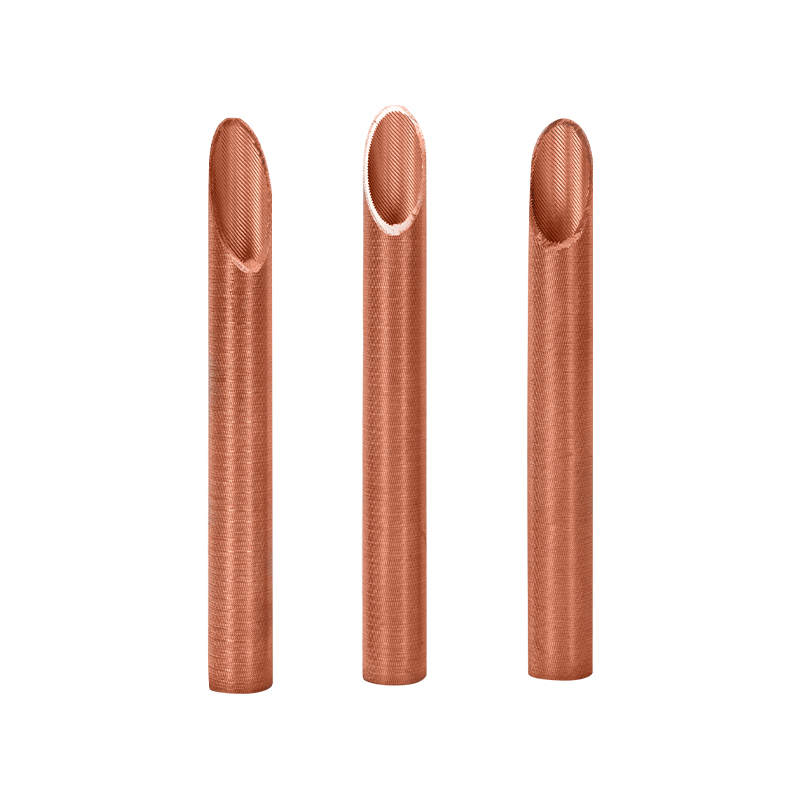
The copper evaporator tube adopts a unique fin design, and the external fins are equipped with specially designed interconnected channels, so that eac...
See Details