English
 Español
 中文
中文News
Home / News / Industry News / The Ultimate Guide to TP2 Copper Tubes: Properties, Applications, and Industry Standards
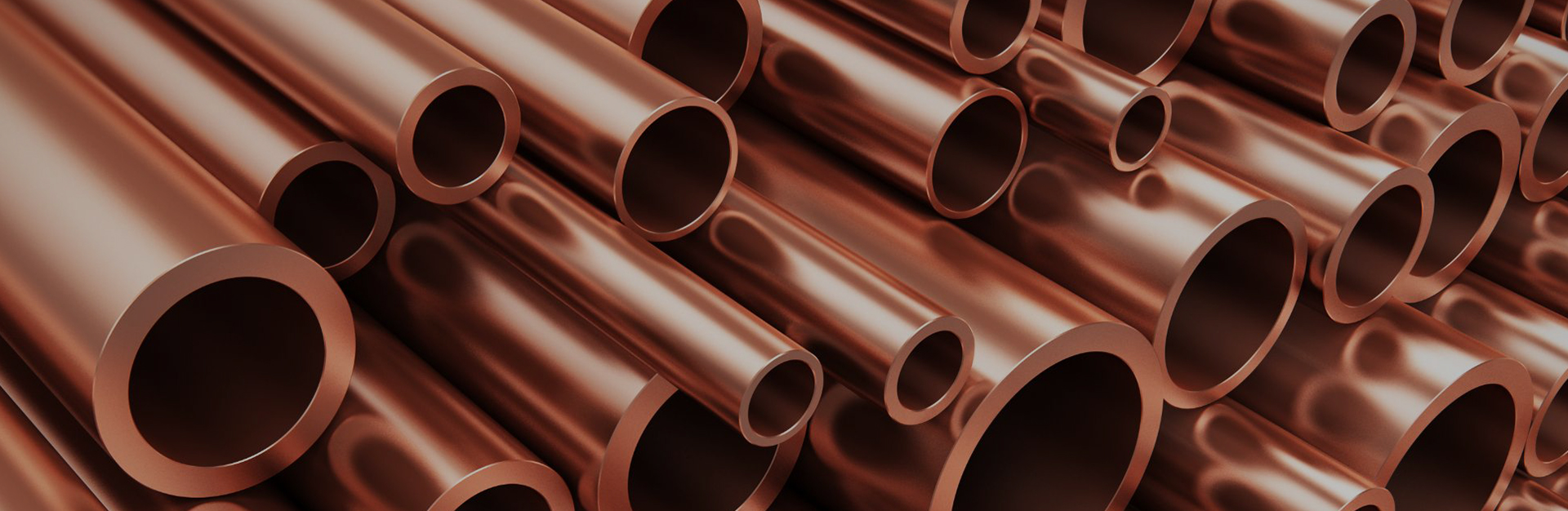
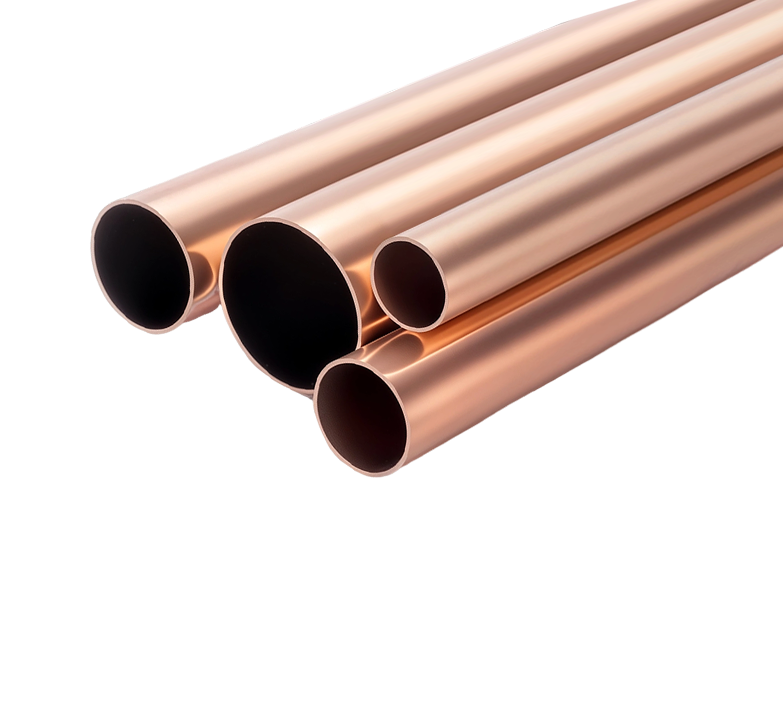
TP2 Copper is a phosphorus-deoxidized copper with a high residual phosphorus content. In the realm of metallurgy, it is classified under the Chinese standard GB/T 1527, which is functionally equivalent to the internationally recognized ASTM C12200 (Cu-DHP).
The “P” in TP2 stands for Phosphorus, which is added during the smelting process to remove oxygen. By “deoxidizing” the copper, manufacturers create a material that is significantly more reliable for industrial applications than standard pure copper, particularly when heat and welding are involved.
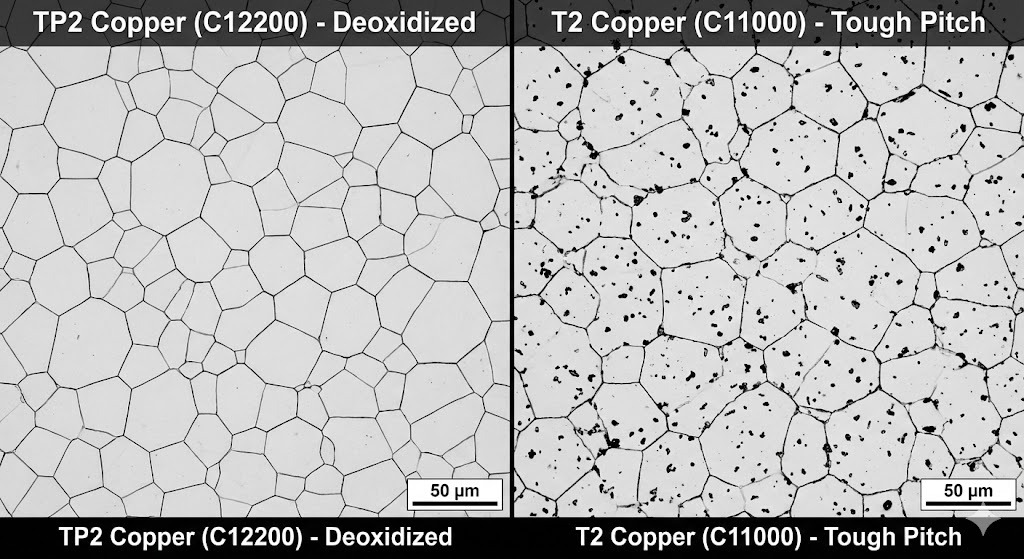
The primary significance of TP2 copper lies in its weldability. Traditional “tough pitch” copper (like T2) contains trace amounts of oxygen. When T2 is heated or welded in a hydrogen-rich atmosphere, it suffers from “hydrogen embrittlement,” leading to microscopic cracks and structural failure.
TP2 solves this problem. Because the phosphorus has already bonded with and removed the oxygen, TP2 copper tubes can be brazed and welded safely, ensuring leak-proof joints. This makes it the “gold standard” for systems that must hold high-pressure gases or liquids for decades.
While both are phosphorus-deoxidized, the choice between them often comes down to a trade-off between thermal/electrical conductivity and joining reliability:
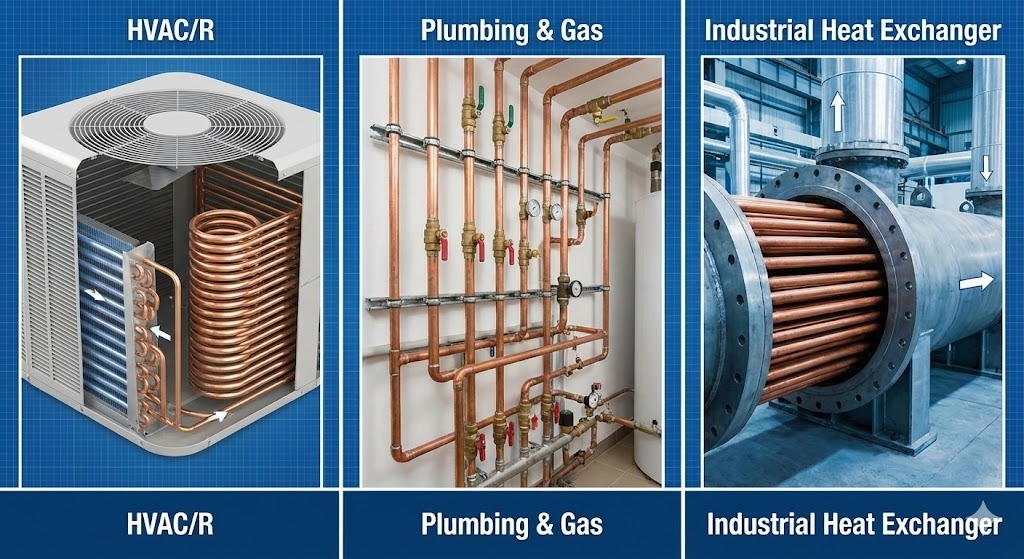
TP2 copper tubes are the “circulatory system” of modern infrastructure. Due to their unique blend of corrosion resistance and thermal efficiency, they are indispensable in:
When purchasing or specifying TP2 copper tubes, it is vital to use the correct international nomenclature to ensure quality.
| Region | Standard | Designation |
|---|---|---|
| China | GB/T 1527 | TP2 |
| International (ISO) | ISO 1190 | Cu-DHP |
| USA (ASTM) | ASTM B280 / B68 / B75 | C12200 |
| Europe (EN) | EN 12735 / EN 1057 | CW024A |
| Japan (JIS) | JIS H3300 | C1220 |
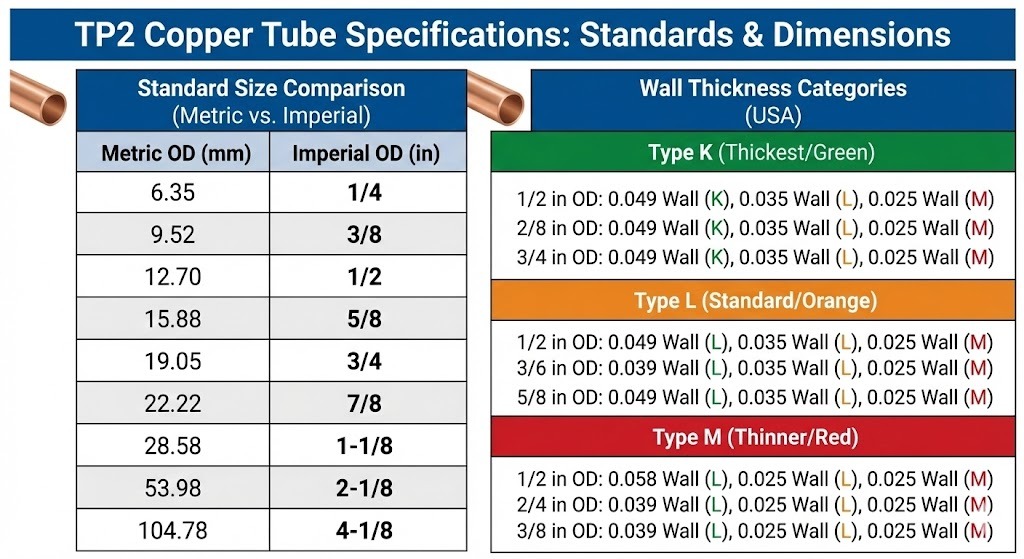
TP2 tubes are available in a vast range of sizes, but they are generally categorized by:
The performance of TP2 copper is dictated by its high purity and the precise control of phosphorus. According to standard specifications (such as GB/T 5231 or ASTM C12200), the composition is strictly regulated:
| Element | Content (%) | Function |
|---|---|---|
| Copper (Cu + Ag) | >=99.90% | Provides the base for high conductivity and corrosion resistance. |
| Phosphorus § | 0.013% to 0.050% | Acts as the deoxidizing agent; prevents hydrogen embrittlement. |
| Impurities | <=0.1% | Minimized to ensure material consistency and ductility. |
Why the 0.013% - 0.050% Range?
If phosphorus is below 0.013%, deoxidation may be incomplete, risking brittle joints during welding. If it exceeds 0.050%, the thermal and electrical conductivity drops significantly, reducing the efficiency of heat exchangers.
TP2 copper tubes are prized for their “soft” strength—they are strong enough to hold high pressures but ductile enough to be bent into complex coils without cracking.
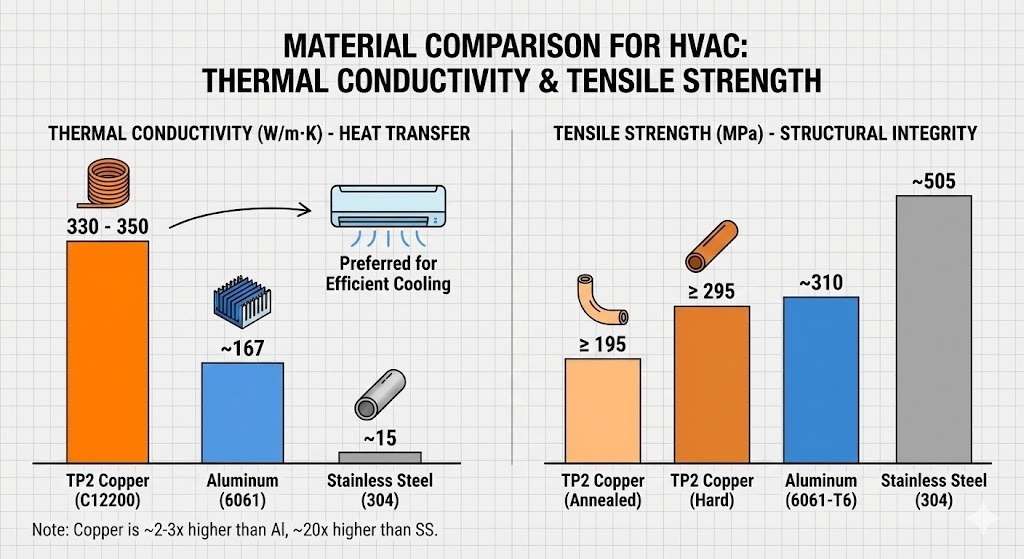
Tensile strength depends on the “temper” (hardness) of the tube:
This measures the material’s ability to stretch before breaking. TP2 copper typically has an elongation rate of >= 35% - 40% (in annealed state). This high ductility is what allows the tube to be expanded, flared, or swaged without fracturing.
While the addition of phosphorus reduces conductivity compared to pure copper, TP2 still remains a leader among metals:
| Property | Value |
|---|---|
| Density | 8.94 g/cm3 |
| Melting Point | 1083°C |
| Coefficient of Thermal Expansion | 17.7 x 10^-6 /K |
| Modulus of Elasticity | 115 GPa |
The production of TP2 copper tubes is a journey from high-heat smelting to high-precision cold working. Most premium TP2 tubes are produced as seamless tubes, which eliminates the risk of weld-seam failure.
To ensure TP2 tubes meet international standards like ASTM B280, manufacturers employ rigorous testing:
Why is TP2 the “industry darling”? Its benefits extend beyond simple conductivity.
TP2 copper forms a natural, protective patina layer when exposed to the elements. Unlike steel, it does not rust. In plumbing and HVAC, this means the tube will not thin out or develop “pinhole leaks” easily over a 20-30 year lifespan.
As noted in the properties section, TP2’s thermal conductivity is exceptional. In a heat exchanger, this allows for faster heat transfer in a smaller footprint, enabling the design of compact, high-efficiency air conditioning units.
Because TP2 is phosphorus-deoxidized, it is the most user-friendly copper for brazing and soldering. Technicians can join tubes quickly using a torch without worrying about the metal becoming brittle or the joint failing under vibration.
TP2 copper can be easily bent, expanded, or “swaged” without specialized heavy machinery. This flexibility is vital for installing refrigerant lines in tight spaces or creating complex evaporator coils.
Copper is a “permanent” material. TP2 copper tubes can be recycled indefinitely without any loss in performance. In an era of ESG (Environmental, Social, and Governance) goals, using copper is a sustainable choice for green building certifications.
This is the most dominant sector for TP2 copper. Modern refrigerants operate at high pressures, requiring the seamless reliability that TP2 provides.
In many high-end residential and commercial buildings, TP2 copper is the preferred choice for water systems due to its longevity and health benefits.
Beyond standard buildings, TP2 copper handles the “heavy lifting” in manufacturing plants.
While TP2 has slightly lower conductivity than pure T2 copper, its superior strength and corrosion resistance make it useful for specific electrical roles:
The reliability of a copper system depends heavily on the quality of its joints. Because TP2 is deoxidized, it offers the widest range of joining options without the risk of material degradation.
This is the most common method for TP2 tubes in HVAC and plumbing.
For environments where an open flame is not permitted (like “no-torch” zones in hospitals or high-tech factories), mechanical options are used:
To make an informed decision, it is helpful to see the “pros and cons” summarized.
While TP2 copper is a “set it and forget it” material, following these tips ensures it lasts for decades:
TP2 copper tubes represent the perfect balance of metallurgy and practicality. By adding phosphorus to deoxidize the copper, engineers have created a material that is not only highly efficient at transferring heat but also incredibly reliable to install and join.
Whether it is in the air conditioning units that keep our homes comfortable, the plumbing that delivers safe water, or the cooling systems in the next generation of electric vehicles, TP2 remains the foundational material for modern thermal and fluid management. When choosing a material for high-pressure, high-temperature, or high-efficiency applications, TP2 (C12200) stands as the proven industry benchmark.
To conclude the article, here are some of the most common questions regarding TP2 copper tubes:
Q1: Can TP2 copper tubes be used for drinking water?
A: Yes. TP2 (C12200) is widely used in plumbing systems globally. It is naturally antimicrobial and meets the safety standards for potable water in most jurisdictions.
Q2: What is the main difference between TP1 and TP2?
A: The primary difference is the Phosphorus content. TP2 has a higher phosphorus range (0.013% to 0.050%), making it superior for heavy-duty welding and brazing, while TP1 (0.005% to 0.012%) offers slightly better thermal/electrical conductivity.
Q3: Why is TP2 preferred over T2 for HVAC applications?
A: T2 copper contains trace oxygen which causes “hydrogen embrittlement” during welding, leading to cracks. TP2 is deoxidized, meaning it can be brazed and welded repeatedly without losing structural integrity.
Q4: Are TP2 tubes compatible with new green refrigerants like R-32?
A: Yes. TP2 seamless tubes are designed to handle the higher operating pressures associated with modern eco-friendly refrigerants, provided the wall thickness is specified correctly.
This table serves as a quick reference for engineers to choose the right grade of copper for their specific project.
| Material | Key Feature | Best For… | Welding/Brazing |
|---|---|---|---|
| T2 (Pure Copper) | Max Conductivity | Electrical Busbars, Grounding | Poor (Risk of cracking) |
| TP1 (Low-P) | High Thermal + Ductility | Precision Radiators, Heat Fins | Good |
| TP2 (High-P) | Maximum Reliability | HVAC, Plumbing, Gas Lines | Excellent (Industry Standard) |
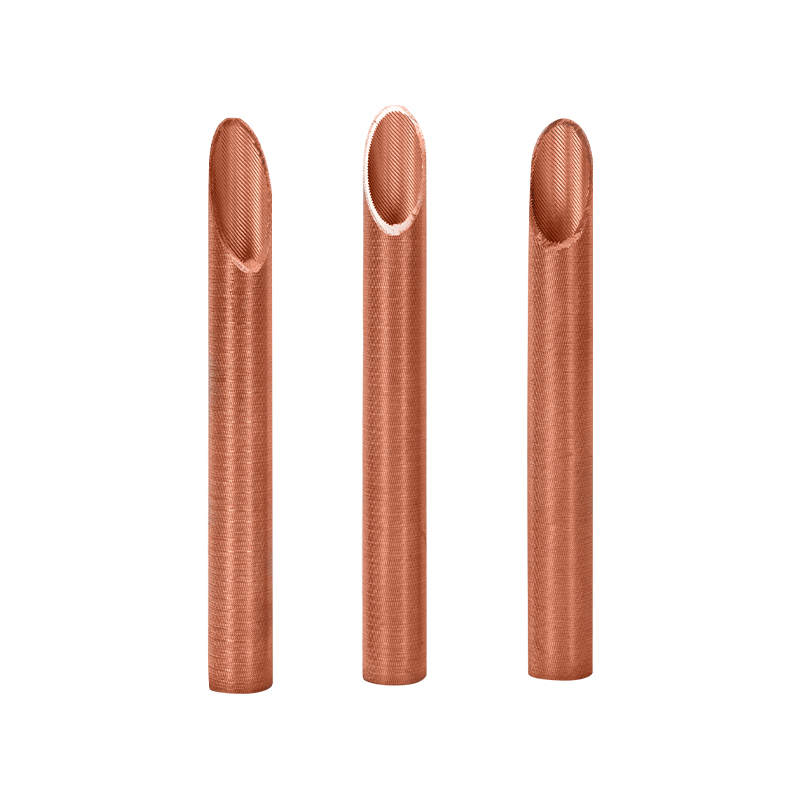
The copper evaporator tube adopts a unique fin design, and the external fins are equipped with specially designed interconnected channels, so that eac...
See Details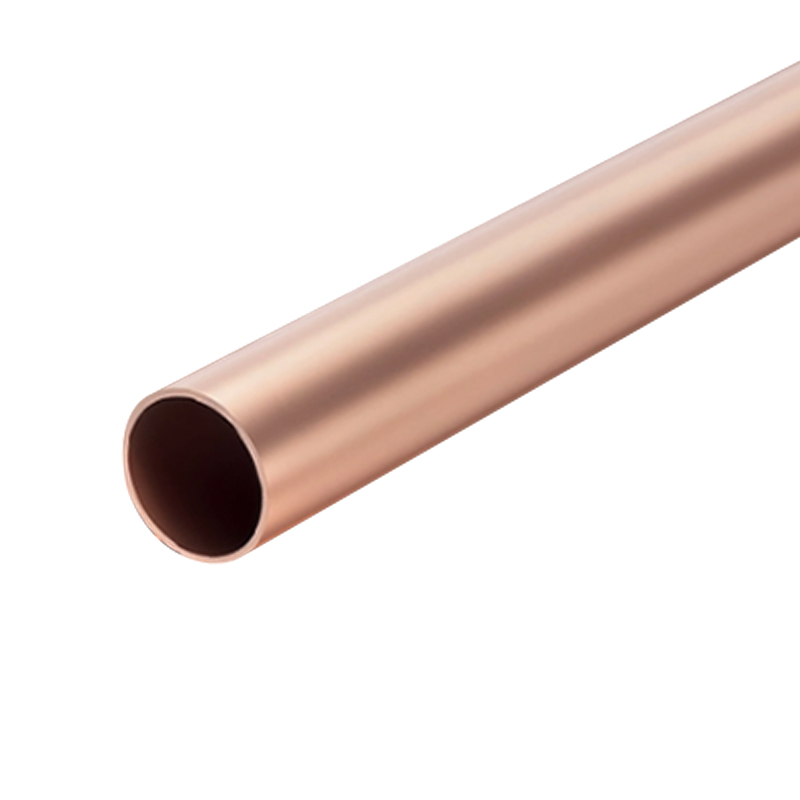
Copper Tube is made of high-purity copper material with a copper content of not less than 99.9%. The main material codes are T11050 and C12200(DHP), a...
See Details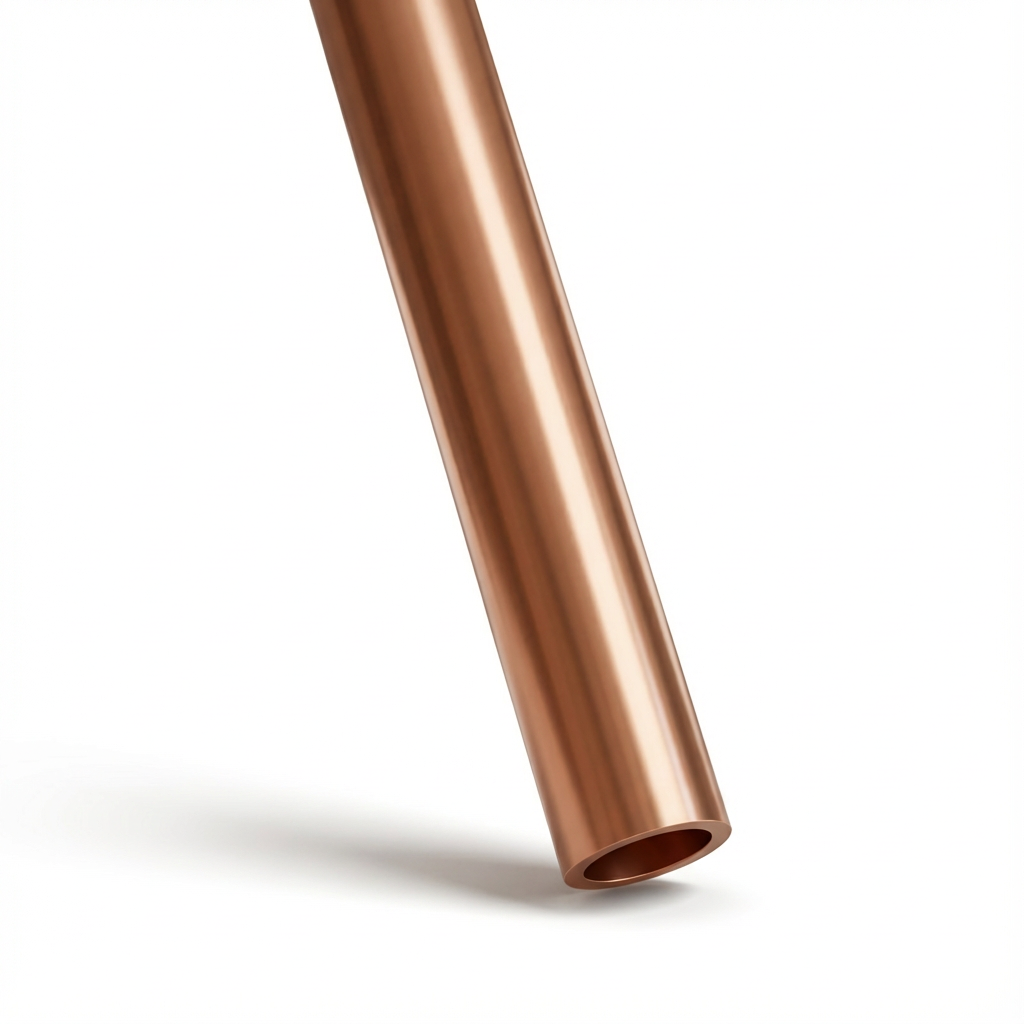
Standard refrigeration copper tube with an outer diameter of 12-28mm is made of high-quality TP2 copper (C12200/DHP), specifically designed for HVAC s...
See Details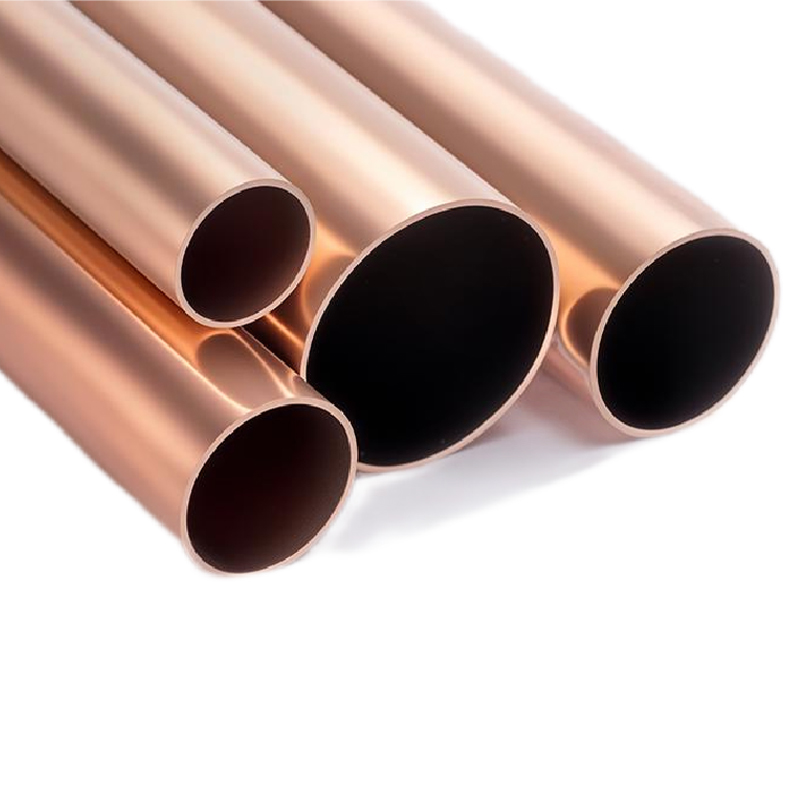
The Copper Water Tube produced by our company is a high-performance copper tube suitable for hot and cold water systems and heating applications. It h...
See Details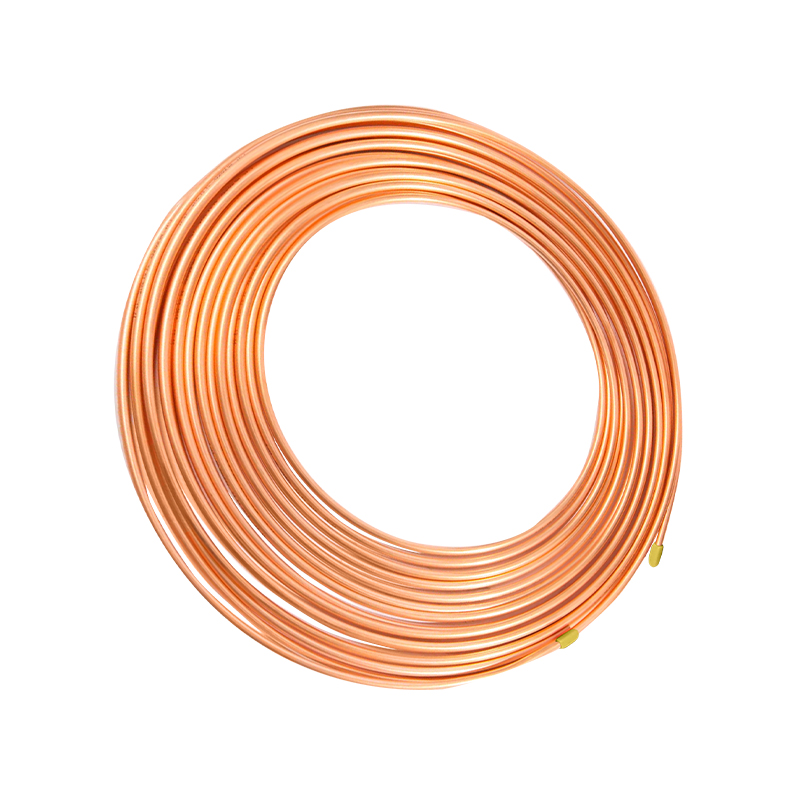
Copper capillary tube is usually manufactured by precision machining, and its dimensional accuracy can reach one thousandth of an inch. This ultra-hig...
See Details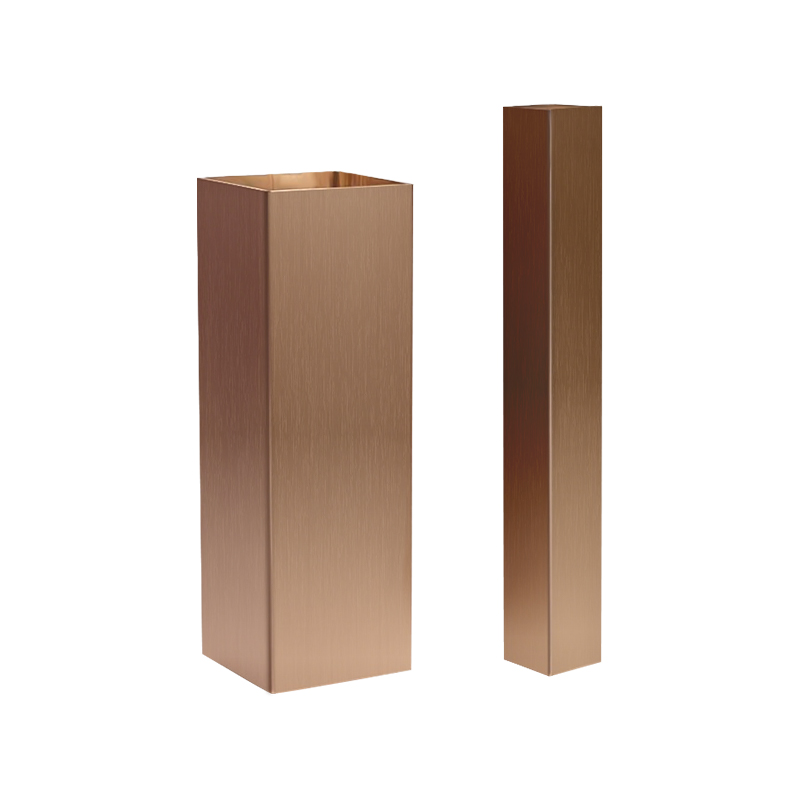
Copper square tube is a metal tube with a hollow square cross-section. It is made of high-purity copper or copper alloy materials through multiple pre...
See Details
 Tangpu Industrial Zone, Shangyu District, Shaoxing City, Zhejiang Province, China
 +86-13567501345
© Zhejiang Jingliang Copper-Tube Products Co., Ltd All rights reserved.