 English
 Español
 中文
中文News
Home / News / Industry News / The Ultimate Guide to Copper Capillary Tubes: Everything You Need to Know
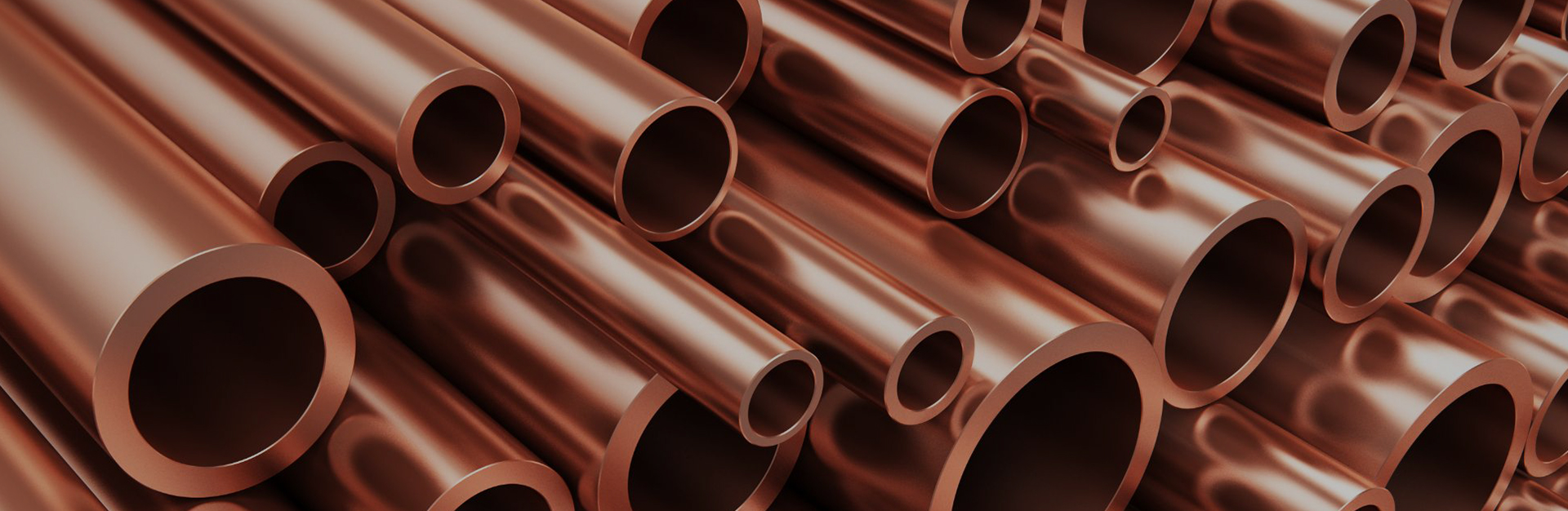
In the world of HVAC, refrigeration, and precision instrumentation, success is often measured in millimeters. At the center of these complex systems lies a small but mighty component: the copper capillary tube.
A copper capillary tube is a high-precision, narrow-bore tube characterized by an extremely small internal diameter (ID). Unlike standard copper piping used for plumbing, these tubes are engineered with rigorous dimensional accuracy. Typically made from high-grade phosphorus-deoxidized copper (such as C12200 or TP2), they are designed to handle high-pressure environments while maintaining consistent flow rates.
The primary role of a copper capillary tube is to act as a throttling device. In a refrigeration cycle, it serves as the critical bridge between the high-pressure side (condenser) and the low-pressure side (evaporator). By creating a calculated resistance to the flow of refrigerant, it causes a precise pressure drop that allows the liquid to expand and cool.
Beyond cooling, these tubes are also indispensable for pressure transmission. Their ability to convey fluid or gas pressure with minimal volume displacement makes them the gold standard for industrial pressure gauges and remote sensing thermometers.
Selecting the wrong capillary tube can lead to system inefficiency, compressor failure, or inaccurate readings. To help you make an informed decision, this article provides a deep dive into:
Not all capillary tubes are created equal. For high-performance systems, the quality of the tube is defined by three pillars: material purity, dimensional precision, and internal cleanliness.
The industry standard for capillary tubing is Phosphorus-Deoxidized Copper (DHP), commonly known as C12200 or TP2. This specific grade is chosen for several reasons:
In a capillary tube, the Internal Diameter (ID) is the most important dimension. Even a microscopic variation in the ID can lead to significant changes in flow resistance.
One of the most common causes of refrigeration system failure is a "capillary clog." High-quality tubes must undergo specialized cleaning processes to ensure the inner wall is free from:
Professional Note: Leading manufacturers utilize bright annealing in a controlled atmosphere to ensure the interior remains shiny, smooth, and free of oxidation without the need for harsh chemical pickling.
To ensure compatibility and reliability, copper capillary tubes must adhere to strict geometric and metallurgical standards. Whether you are designing a compact domestic freezer or a complex industrial sensor, understanding these specifications is key.
While custom dimensions are often required for specific engineering needs, the industry generally follows a standardized range for capillary tubing:
Compliance with international standards ensures that the mechanical properties and chemical composition of the copper are consistent. The most recognized standards include:
The "Temper" of the copper refers to its hardness and flexibility, which is determined during the annealing process. Choosing the right temper is vital for your assembly process:
| Temper | Characteristics | Typical Applications |
| Soft / Annealed | Highly flexible; can be easily bent by hand without kinking. | Coiled evaporators, residential AC units, and complex plumbing layouts. |
| Half-Hard | A balance of strength and moderate flexibility. | General instrumentation and pressure gauge connections. |
| Hard Drawn | Rigid and maintains its shape; high structural integrity. | Straight-line applications and high-vibration industrial environments. |
Beyond dimensions, high-spec tubes undergo several tests to ensure performance:
Because of their ability to control fluid flow with extreme accuracy, copper capillary tubes are found in everything from household appliances to life-saving medical equipment.
The most common use for copper capillary tubing is in the HVAC (Heating, Ventilation, and Air Conditioning) industry. It acts as the primary metering device in small-to-medium scale cooling systems.
In industrial settings, the capillary tube isn't just about flow—it’s about information.
As technology shrinks, the need for microscopic fluid and heat management grows.

(This image was generated by AI.)
Choosing the correct copper capillary tube is a balancing act between physics and environment. Selecting a tube that is slightly too long or has an internal diameter (ID) that is slightly too narrow can drastically reduce system efficiency.
The performance of a capillary tube is determined by the resistance it provides. This resistance is a result of two main factors: Internal Diameter and Length.
Beyond flow rates, you must consider the "real world" conditions where the tube will operate:
When sourcing from a manufacturer, don't just take their word for it. A professional supplier should provide a Mill Test Certificate (MTC) that includes:
Pro Tip: Always ask if the supplier performs a "Nitrogen Purge" during the annealing process. This ensures the inside of the tube remains free of black oxide scale, which is the #1 enemy of refrigeration compressors.
When sourcing components for high-stakes industries, the manufacturer's heritage and infrastructure are as important as the product itself. Zhejiang Jingliang Copper-Tube Products Co., Ltd, established in 1994, brings over three decades of specialized expertise to the production of high-precision copper capillary tubes.
Located in Tangpu Town—East China’s renowned “home of copper tubes”—Jingliang operates a complete, vertically integrated industrial chain. Our 20,000-square-meter facility integrates every critical stage of production:
As a "Top Ten Copper Tube Enterprise," we have transitioned toward Intelligent Manufacturing. In 2022 alone, our annual production exceeded 7,500 tons, with a value output of 450 million yuan. This scale allows us to serve as a preferred supplier for numerous listed groups and international clients.
Our quality assurance protocol is uncompromising:
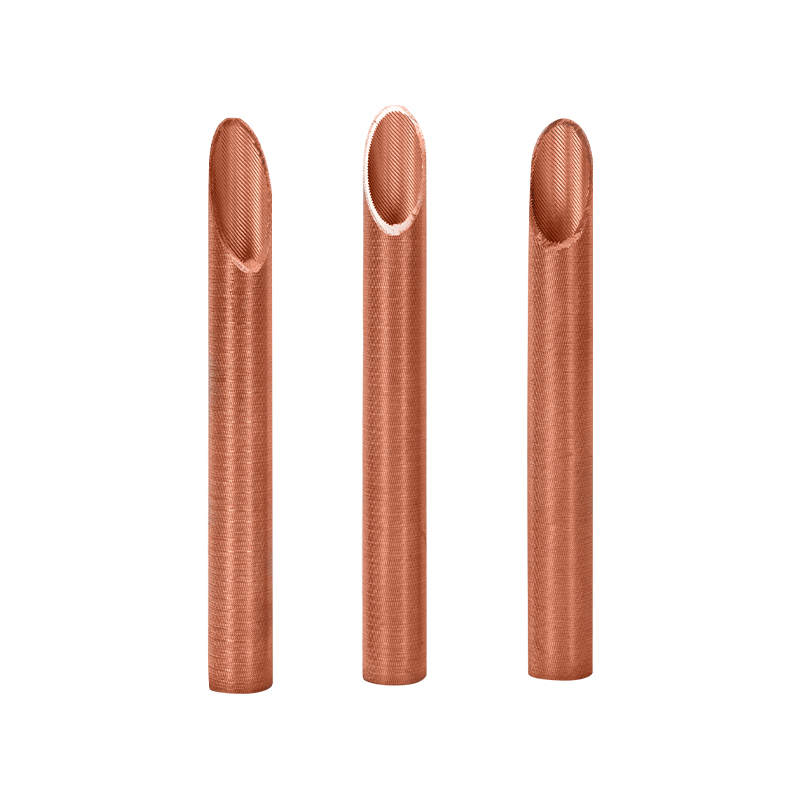
The copper evaporator tube adopts a unique fin design, and the external fins are equipped with specially designed interconnected channels, so that eac...
See Details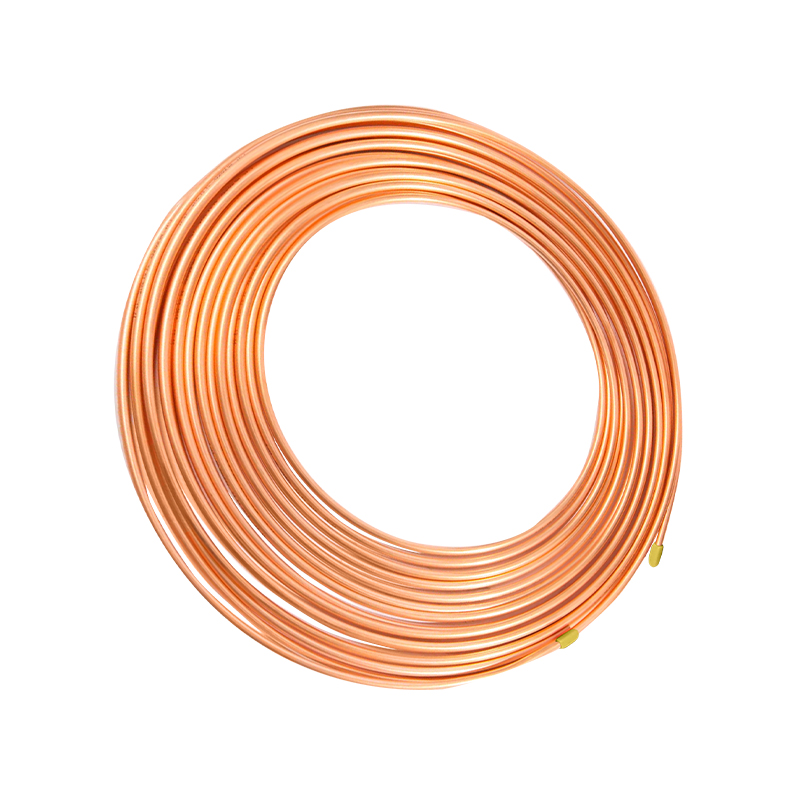
Copper capillary tube is usually manufactured by precision machining, and its dimensional accuracy can reach one thousandth of an inch. This ultra-hig...
See Details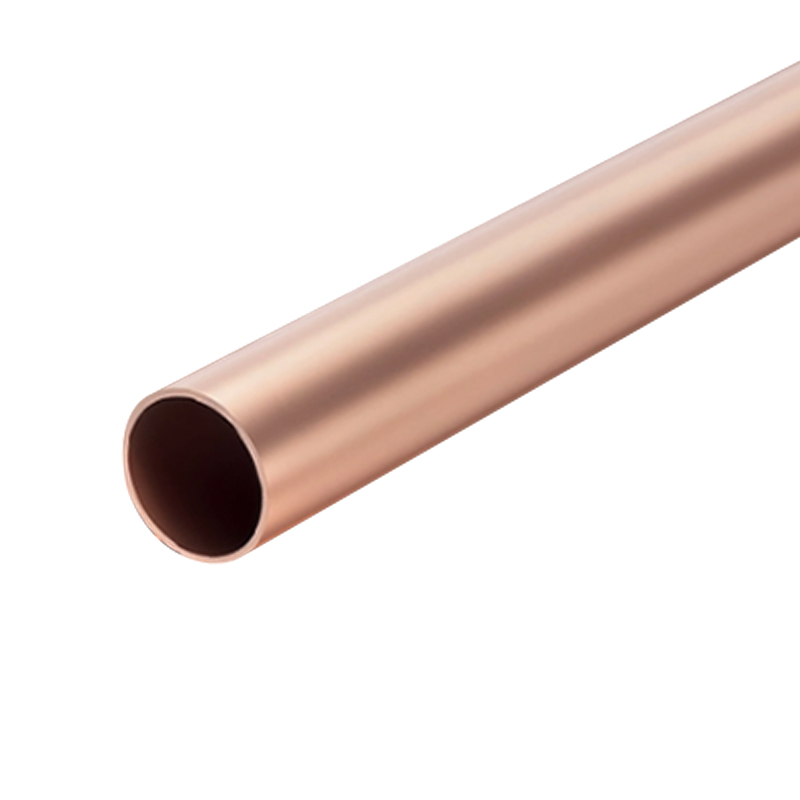
Copper Tube is made of high-purity copper material with a copper content of not less than 99.9%. The main material codes are T11050 and C12200(DHP), a...
See Details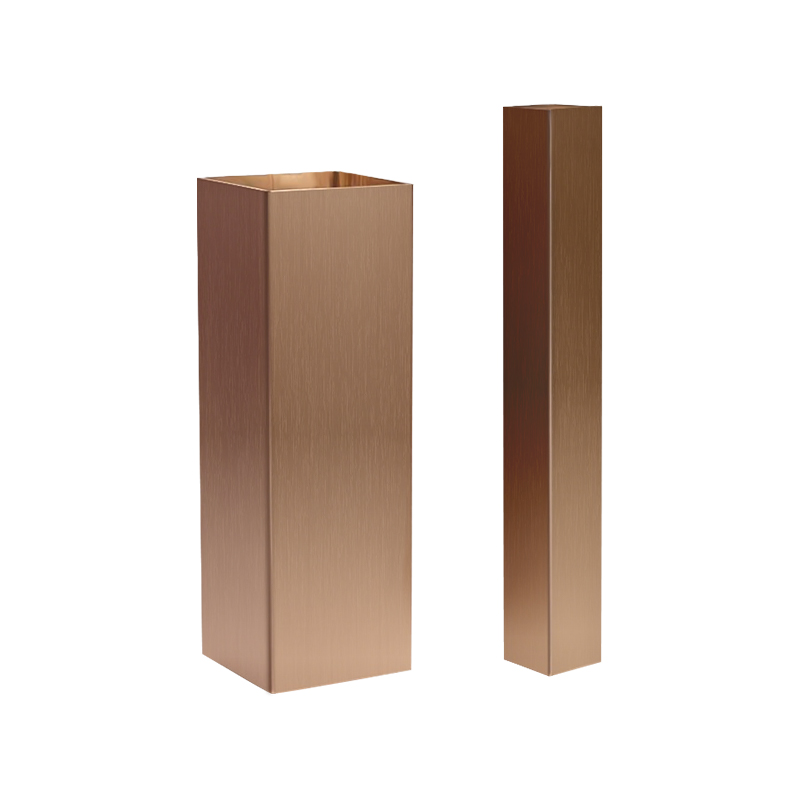
Copper square tube is a metal tube with a hollow square cross-section. It is made of high-purity copper or copper alloy materials through multiple pre...
See Details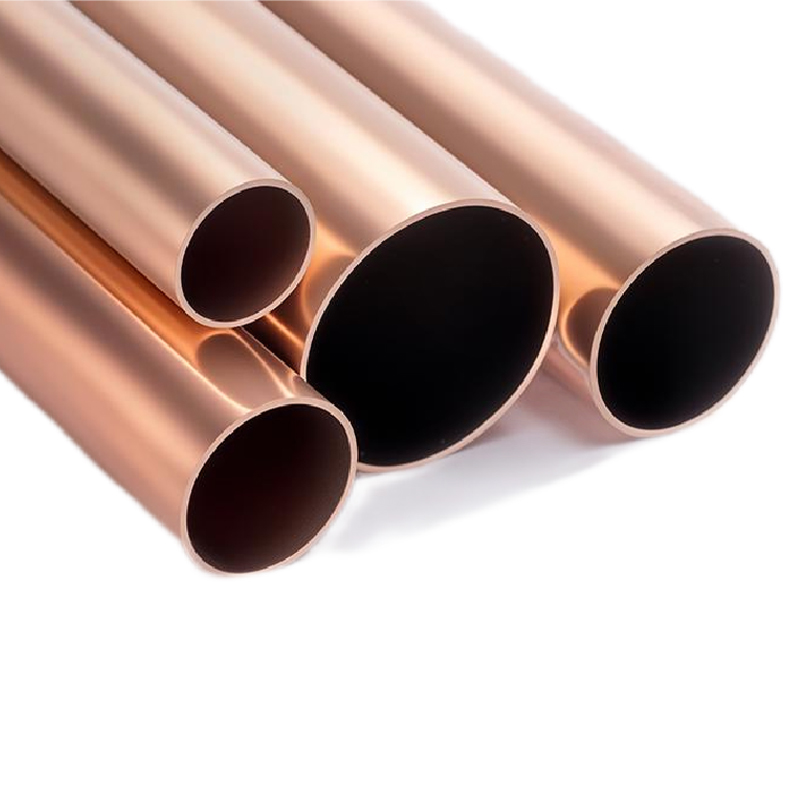
The Copper Water Tube produced by our company is a high-performance copper tube suitable for hot and cold water systems and heating applications. It h...
See Details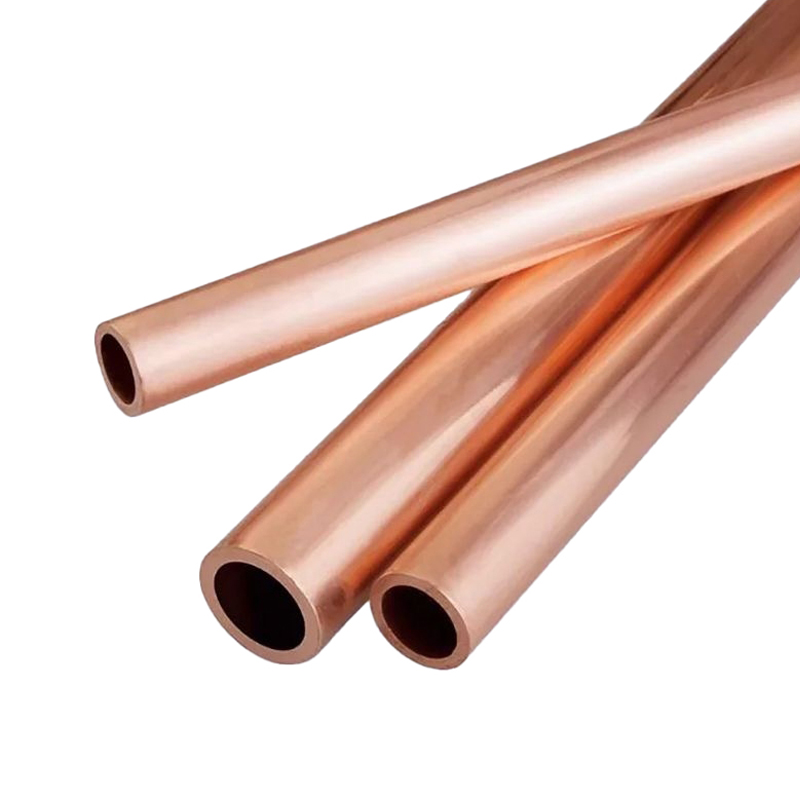
Thick-walled copper tubes are also called seamless thick-walled copper tubes. Thick-walled copper tubes are manufactured by a hot extrusion process, w...
See Details
 Tangpu Industrial Zone, Shangyu District, Shaoxing City, Zhejiang Province, China
 +86-13567501345
© Zhejiang Jingliang Copper-Tube Products Co., Ltd All rights reserved.

