In the veins of modern infrastructure, copper remains the undisputed "gold standard." From the intricate cooling coils of a high-efficiency HVAC system to the mission-critical oxygen lines in a municipal hospital, copper tube is the silent backbone of our built environment. But for professionals in the procurement and engineering sectors, a copper tube is far more than just a metal cylinder—it is a precision engineering project concerning durability, safety, and thermal efficiency.
The global preference for copper isn't merely traditional; it is rooted in its unique metallurgical properties that few synthetic alternatives can match:
Whether it’s HVAC (Heating, Ventilation, and Air Conditioning), Plumbing, or Medical Gas Systems, copper's reliability is backed by centuries of performance.
For high-volume buyers and project managers, "knowing your factory" is no longer a luxury—it is a strategic necessity. Transitioning from a general distributor to a Factory-Direct Sourcing model offers two transformative advantages:
Understanding what happens behind the factory gates is essential for any procurement professional. A high-quality copper tube is not just "shaped" metal; it is the result of a multi-stage thermal and mechanical transformation designed to ensure structural integrity and leak-proof performance.
Everything begins with Grade A Copper Cathodes (99.99% purity). In the furnace, these cathodes are melted at temperatures exceeding 1085°C.
The molten copper is cast into solid cylindrical billets. These billets are then reheated and forced through a high-pressure Extrusion Press. A steel mandrel pierces the center of the billet, transforming a solid block of copper into a hollow "Mother Tube."
Note: This process ensures the tube is seamless, meaning there are no welded joints that could act as potential leak points under high pressure.
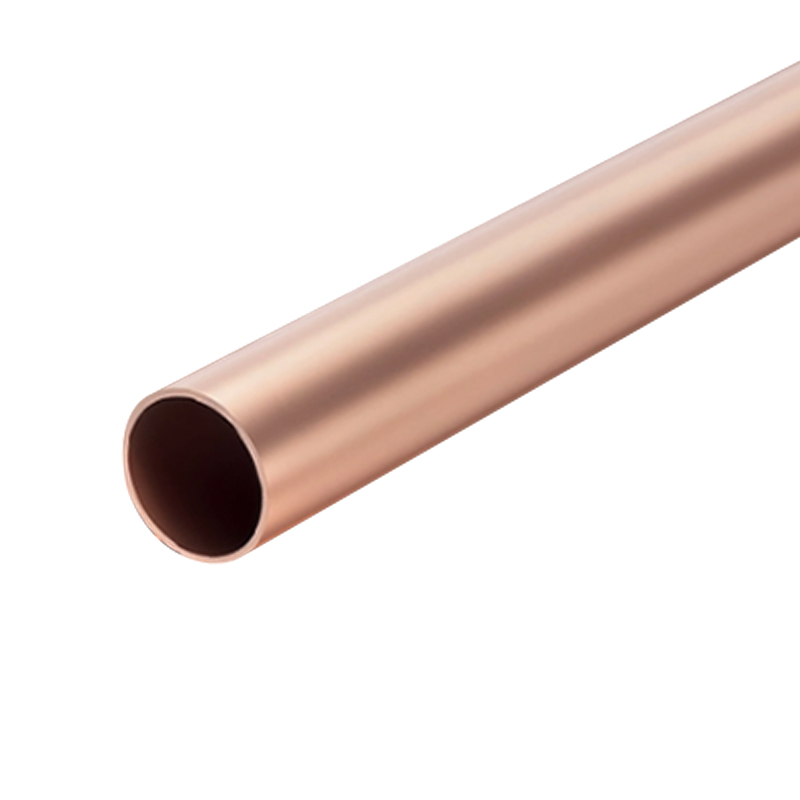
To reach the exact outer diameter (OD) and wall thickness (WT) required by standards like ASTM B88, the mother tube undergoes Cold Drawing.
The Process: The tube is pulled through progressively smaller tungsten carbide dies.
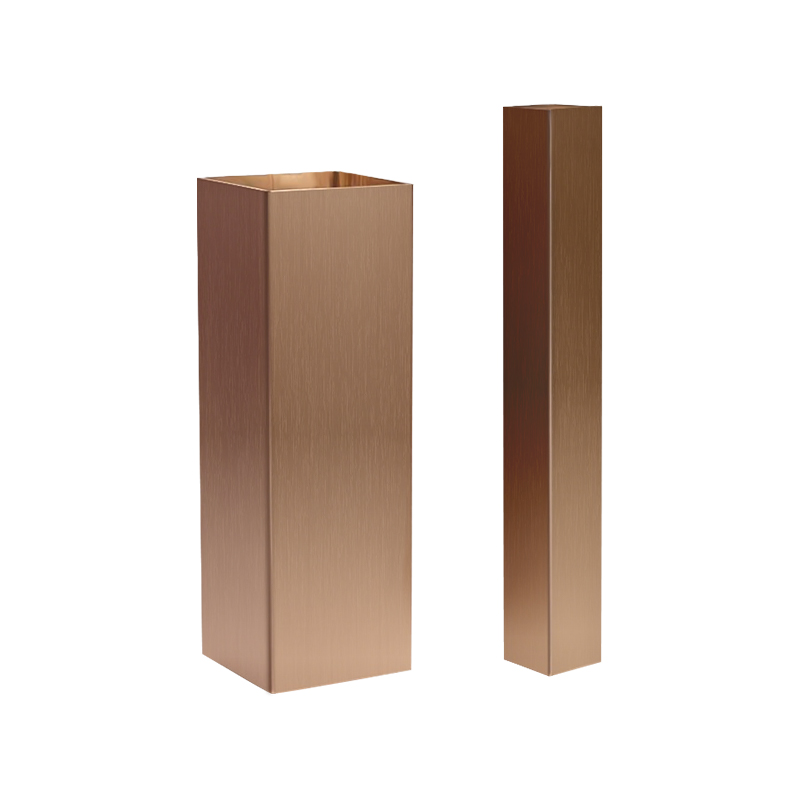
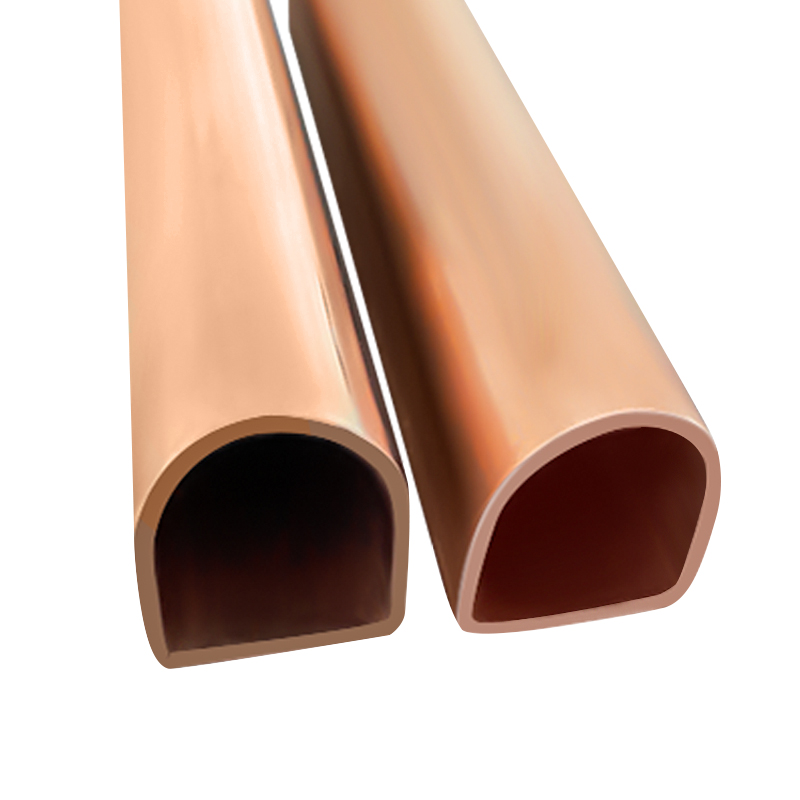
Form Factor Differentiation:
Drawing copper makes it naturally "work-hardened." To give the tube the specific flexibility a customer needs, it must pass through a Bright Annealing Furnace—a controlled atmosphere (usually nitrogen or hydrogen) that prevents oxidation.
For ACR (Air Conditioning and Refrigeration) and Medical Gas applications, the interior of the tube is more important than the exterior.
Factories use specialized solvent washing or high-pressure steam to remove all traces of drawing oils and carbon residues. This ensures that when the tube is used for refrigerants or life-saving oxygen, there are no contaminants that could cause system failure or health risks.
The final stage is where the factory applies its "birth certificate":
In the world of copper tube manufacturing, "quality" isn't a subjective term—it is defined by rigorous international benchmarks. A reputable copper tube factory must adhere to specific standards that dictate wall thickness, chemical purity, and internal cleanliness.
The American Society for Testing and Materials (ASTM) sets the global baseline for most construction and industrial projects.
If your project is outside North America, or if you are sourcing for a global supply chain, you will likely encounter these:
When you look at a factory's Material Test Report (MTR), you will see alphanumeric codes. Here is what they actually mean:
| Grade | Common Name | Key Characteristics | Typical Application |
| C12200 | DHP Copper | High Phosphorus Deoxidized. 99.9% Cu + 0.013-0.040% P. | The Standard. Excellent weldability and corrosion resistance. Used for 95% of plumbing and HVAC. |
| C11000 | ETP Copper | Electrolytic Tough Pitch. 99.9% Cu + Oxygen. | Electrical. Highest conductivity but prone to "hydrogen embrittlement" if welded. Used for busbars and electrical terminals. |
| C10200 | OF Copper | Oxygen-Free. 99.95%+ Purity. | High-End Electronics. Used in vacuum seals and specialized scientific equipment. |
Expert Tip: Always ask your factory for a Mill Test Certificate (EN 10204 3.1). This document proves that the batch you are buying actually meets the chemical and physical requirements of the ASTM or EN standard listed on the tube.
A copper tube factory doesn't just produce one "size" of tube. Instead, they manufacture different wall thicknesses and delivery formats to suit specific engineering stresses.
In the North American market (ASTM B88), copper tubes are categorized by their wall thickness. While the Outer Diameter (OD) remains the same for all three to ensure they fit standard fittings, the Inner Diameter (ID) changes based on the thickness of the copper.
| Type | Wall Thickness | Color Code | Typical Applications | Durability Level |
| Type K | Thickest | Green | Underground service lines, high-pressure steam, and commercial water mains. | Heavy Duty: Best for harsh environments or high-pressure burial. |
| Type L | Medium | Blue | Interior plumbing, fire protection, and HVAC systems. | Standard: The most common choice for residential and commercial plumbing. |
| Type M | Thinnest | Red | Domestic heating, light-duty water lines, and vacuum systems. | Light Duty: Used where cost is a factor and pressures are lower. |
ACR (Air Conditioning and Refrigeration) tubing is technically similar to Type L but follows the ASTM B280 standard.
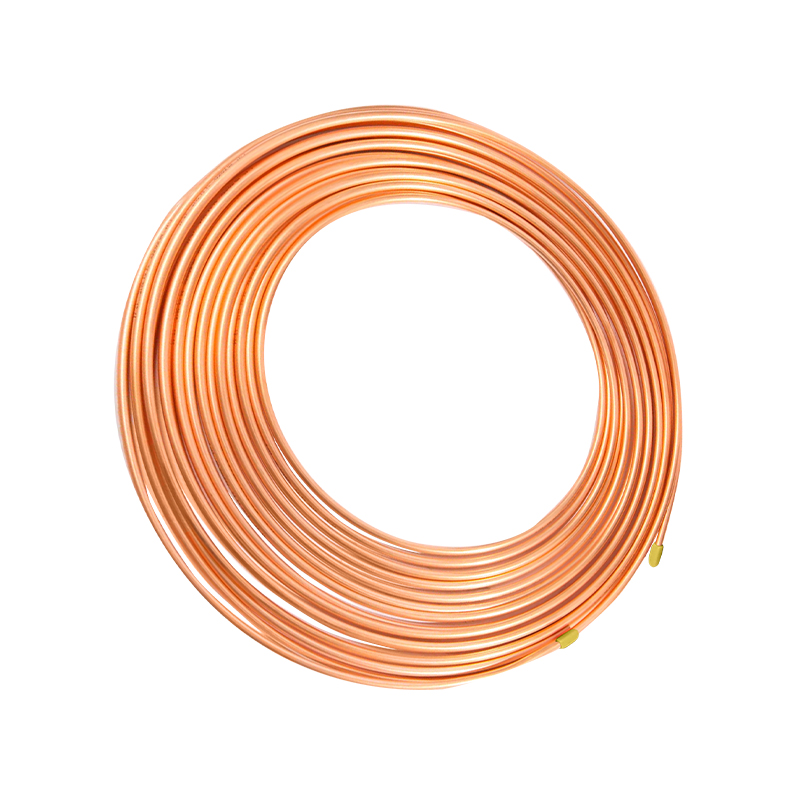
For HVAC manufacturers (OEMs) producing thousands of air conditioning units, pancake coils are too short.
With the global push for Net-Zero buildings, pre-insulated copper tubes are seeing a massive surge in demand.
These are the "standard-setters" of the industry, often involved in developing the very ASTM/EN codes used today.
These manufacturers focus on niche, high-precision applications.
This tier represents the "engine room" of the global copper supply chain. These factories offer the best balance of advanced technology, massive capacity, and cost-efficiency.
Established in 1994, Zhejiang Jingliang is a premier example of a Tier 3 manufacturer that has evolved into a global competitor. With over 30 years of deep industry immersion, they have transitioned from a local mill into a sophisticated "Smart Manufacturing" hub.
Why Jingliang Stands Out in the Global Market:
Comprehensive Industry Chain: Unlike many smaller mills, Jingliang operates a fully integrated production cycle. This includes Smelting, Extrusion, Drawing, Precision Rolling, and Annealing. This "all-under-one-roof" approach allows for superior quality control and more competitive lead times.
Diverse Product Portfolio: Their capability goes far beyond standard plumbing tubes. They specialize in high-value components including:
Massive Production Scale: Spanning over 20,000 square meters, the facility is a hive of industrial activity. In 2022 alone, their annual output exceeded 7,500 tons with a production value of 450 million yuan, proving they can handle high-volume orders for listed global groups.
Strategic Logistics: Located in Tangpu Town—the "Home of Copper Tubes" in East China—they are positioned just 70km from the major ports of Hangzhou and Ningbo. This ensures that international shipping is fast, reliable, and cost-effective.
Commitment to Smart Manufacturing: Jingliang is currently integrating "Intelligent Manufacturing" into its core strategy, refining its technology to produce more consistent, high-precision products that meet the trust of both domestic and international clients.
Summary for Buyers: While Tier 1 brands offer prestige, Tier 3 leaders like Zhejiang Jingliang offer the technical flexibility and economic scale required for large-scale OEM projects and high-volume distribution.
In the global copper trade, a "cheap" quote often hides a lack of testing or poor logistics. To protect your project from leaks, bursts, or oxidation, use the following four criteria to evaluate any copper tube factory.
A world-class factory must possess its own laboratory. You should look for two non-negotiable tests in their quality control (QC) protocol:
Never accept "generic" copper. A reliable supplier provides a Material Test Report (MTR) or a Mill Test Certificate (EN 10204 3.1) for every single batch.
Copper is a global commodity. A professional factory should have a transparent pricing formula:
Total Price = (LME/COMEX Copper Base Price) + (Fabrication/Premium Fee)
Copper is highly reactive to moisture and salt air. If you are importing from overseas, the factory's packaging must be "sea-worthy."
The future of copper manufacturing is defined by three pillars: Green Efficiency, Advanced Geometry, and Digital Precision.
Sustainability is no longer optional in global procurement.
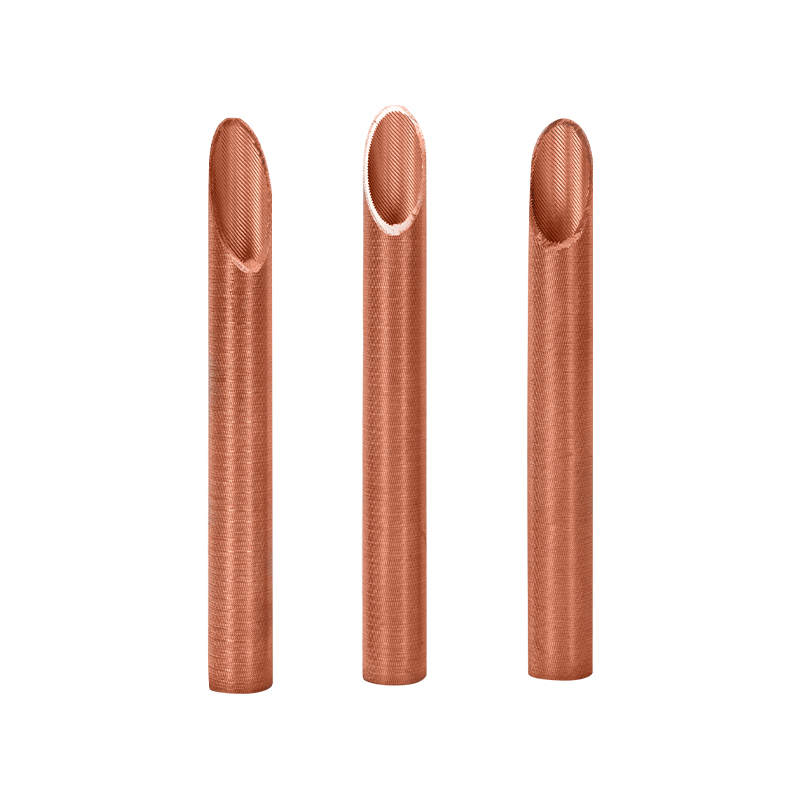
In the race to build more energy-efficient air conditioners, the "Inner Grooved" copper tube is the secret weapon.
The transition to "Smart Manufacturing" mentioned in Jingliang’s strategy is a game-changer for product reliability.
From the high-purity cathodes in the furnace to the precision-engineered micro-groove coils in a modern AC unit, the journey of a copper tube is one of rigorous standards and technological evolution.
Whether you are an engineer designing a medical gas system or a procurement officer for a global HVAC brand, success depends on choosing a partner that understands this complexity. Factories like Zhejiang Jingliang Copper-Tube Products Co., Ltd—with their 30-year legacy, integrated supply chain, and commitment to smart manufacturing—represent the ideal balance of tradition and innovation.
In an era of volatile metal prices and tightening environmental regulations, your choice of a copper tube factory is more than a purchase; it is a partnership for long-term project safety and efficiency.
A: C12200 (DHP Copper) is phosphorus-deoxidized, which makes it ideal for welding and brazing without hydrogen embrittlement. It is the global standard for plumbing and HVAC. C11000 (ETP Copper) has higher electrical conductivity but is prone to cracking when welded, making it more suitable for electrical busbars and terminals.
A: Copper is a volatile commodity traded on the London Metal Exchange (LME). To provide a fair price, factories like Zhejiang Jingliang use a transparent formula: the raw material cost (LME) fluctuates daily, while the "Fabrication Fee" covers the energy, labor, and technology required to manufacture the tube.
A: Generally, no. Most building codes require Type K (green label) for underground burial because its thicker wall can withstand soil pressure and external corrosion. Type M (red label) is thin-walled and primarily designed for indoor, low-pressure heating and domestic water lines.
A: Leading factories use a multi-stage ultrasonic or solvent degreasing process. After cleaning, the tubes are nitrogen-purged and immediately fitted with plastic end caps to prevent any moisture, dust, or oils from re-entering the tube during transit.
A: Tier 3 factories offer high manufacturing flexibility. They can produce custom specifications (like square tubes or specific capillary sizes) and provide a more competitive price point through lower overhead and direct-to-port logistics (near Ningbo/Hangzhou), all while maintaining ISO-certified quality standards.
A: When manufactured to ASTM B280 standards and installed correctly, copper tubing has a service life of 50 to 70 years. Its natural resistance to UV rays and thermal expansion makes it far more durable than plastic alternatives.
Content
What is a thick-walled copper tube? Thick-walled copper tube, also known as seamless thick-walled copper tube, is a high-performance metal tube made o...
See Details
Overview and Importance of Copper Capillary Tube In modern industrial equipment and precision control systems, miniaturization and high precision have...
See Details
What is a copper tube? Analysis of material composition and basic characteristics Definition of copper tube Copper tube is a tubular object made of co...
See Details
Understanding Copper Square Tubes: Composition, Grades, and Typical Applications Copper square tubes are specialized extrusions that combine the super...
See Details