If you work with refrigeration, air conditioning, or plumbing systems, flaring is one of the most practical skills you can master. A properly formed flare creates a dependable mechanical joint that can be opened again for service, which is why it appears so often in AC line sets, refrigerant circuits, and many water supply lines. In this guide, we explain how to flare copper pipe with the right tool and cover the small details that separate a joint you can trust from one that leaks.
At its core, flaring expands the end of a copper tube into a smooth, funnel-shaped opening. When the flare nut is tightened against a fitting, that funnel shape becomes the seal. Because the seal depends on how carefully the flare is made, the way you use your flaring tool matters more than the price of the tool. We have manufactured copper tubing for over thirty years, and in that time we have seen both excellent and failed flare connections. Here is the correct method.
Copper pipe flaring is a cold-forming process. A flaring tool presses a tapered cone into the end of the tube, widening it into a bell shape that matches the angle of a flare fitting. The flare nut then draws the expanded end tightly against the fitting seat, creating a metal-to-metal seal without solder, flux, or filler material.
Flare connections are widely used in refrigeration, air conditioning, and some plumbing systems because they tolerate vibration, allow quick disassembly for maintenance, and withstand pressure well. They are most commonly made on soft copper tube, which is ductile enough to form a clean flare without cracking. Hard-drawn copper can be flared as well, but it demands more care and a properly sized tool. If you are preparing refrigerant lines or AC line sets, annealed soft copper tubes are a reliable starting point.
Before you begin, assemble a small kit. None of these tools are exotic, but quality matters most in the flaring head itself.
| Tool | What it does |
|---|---|
| Tube cutter | Produces a square, clean cut without pinching the pipe |
| Deburring tool | Removes sharp burrs from the inside and outside of the edge |
| Flaring tool | Clamps the tube and presses the cone to form the flare |
| Wrench | Tightens the flare nut onto the fitting body |
| Lubricant | Reduces friction and protects the flare surface during forming |
The two most common designs are the cone-type tool and the eccentric, or spin, type. The cone-type tool uses a tapered cone that presses straight into the pipe end. It is simple, economical, and perfectly adequate for occasional work when the pipe is clamped at the correct height. The eccentric type uses a revolving cone on a bearing, which produces a smoother flare with less turning effort and centres itself more consistently. For technicians who flare pipe regularly, the eccentric design is usually worth the investment.
Follow these eight steps in order, and you will get consistent results every time.
Even experienced technicians make these errors from time to time. Keep them in mind when you flare copper pipe.
Flare connections have a clear advantage when you need a joint that can be taken apart later. They are ideal for serviceable systems such as split air conditioners, where the indoor and outdoor units are connected with field-made flares. Brazed joints are stronger and offer even lower leakage potential, but they are permanent and require heat, flux, and more skill.
Both methods depend on the consistency of the copper tube itself. Clean, round, well-annealed tubing makes flaring easier and brazing more reliable. When you are preparing refrigerant piping for an air conditioning or refrigeration system, choose tubing that meets the dimensional tolerances of the application. Our AC refrigeration copper tubing is supplied in the soft temper that technicians prefer for flaring.
A flaring tool can only do its job well when the pipe is consistent. In our own production line, we know that roundness, wall thickness, and cleanliness are decided long before the flaring step. If the tube arrives at your workbench with an oval cross-section, uneven wall thickness, or an oxidized inner surface, even the best flaring tool cannot fully compensate.
Choosing a dependable source of copper tube removes the most unreliable variable from the job. We manufacture a full range of refrigeration copper tubes, including standard sizes from 12 to 28 millimetres.
For plumbing systems where the flare will be exposed to water pressure, the alloy grade and temper of the pipe matter just as much. A dedicated copper water tube is designed for the cleanliness and corrosion resistance that those joints require.
With the right technique and the right tubing, a flared copper connection is neat, strong, and long-lasting. Practice on a short offcut before you flare the actual line, and always inspect your work after forming. A clean flare, made with patience and the proper tool, will serve you for many years.
Flaring becomes second nature to anyone who works with copper piping. Whether you are a service technician, an installer, or a maintenance engineer, mastering the flare tool is one of those small skills that makes every job easier and every connection safer.
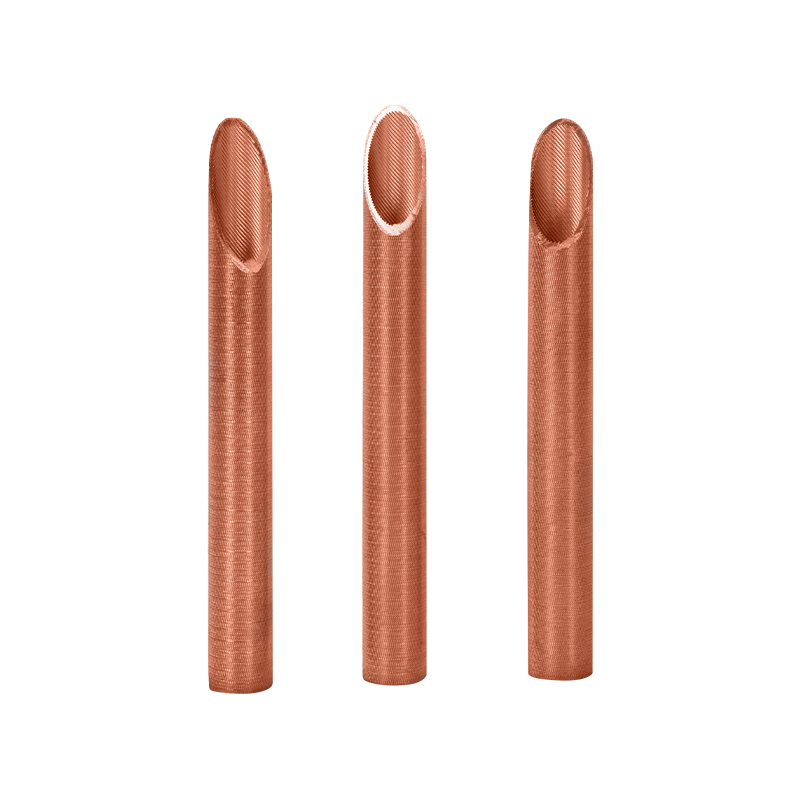
The copper evaporator tube adopts a unique fin design, and the external fins are equipped with specially designed interconnected channels, so that eac...
See Details
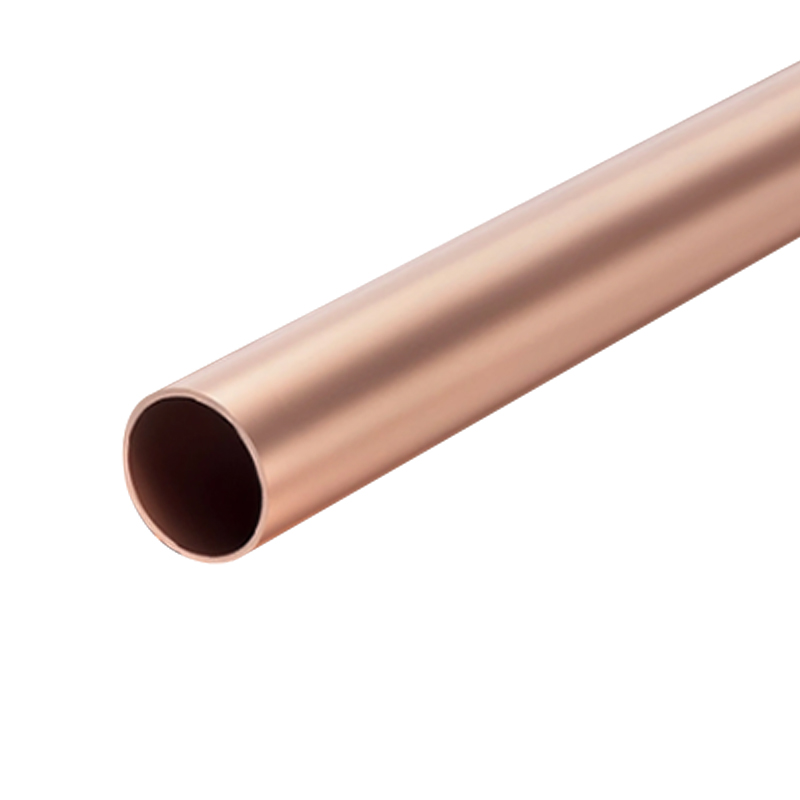
Copper Tube is made of high-purity copper material with a copper content of not less than 99.9%. The main material codes are T11050 and C12200(DHP), a...
See Details

Copper square tube is a metal tube with a hollow square cross-section. It is made of high-purity copper or copper alloy materials through multiple pre...
See Details
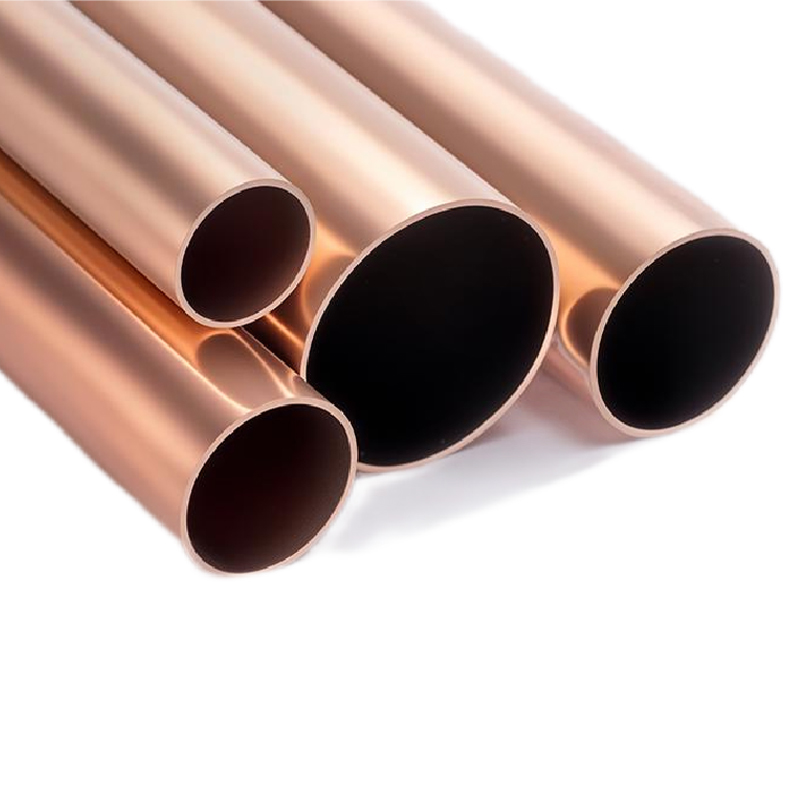
The Copper Water Tube produced by our company is a high-performance copper tube suitable for hot and cold water systems and heating applications. It h...
See Details
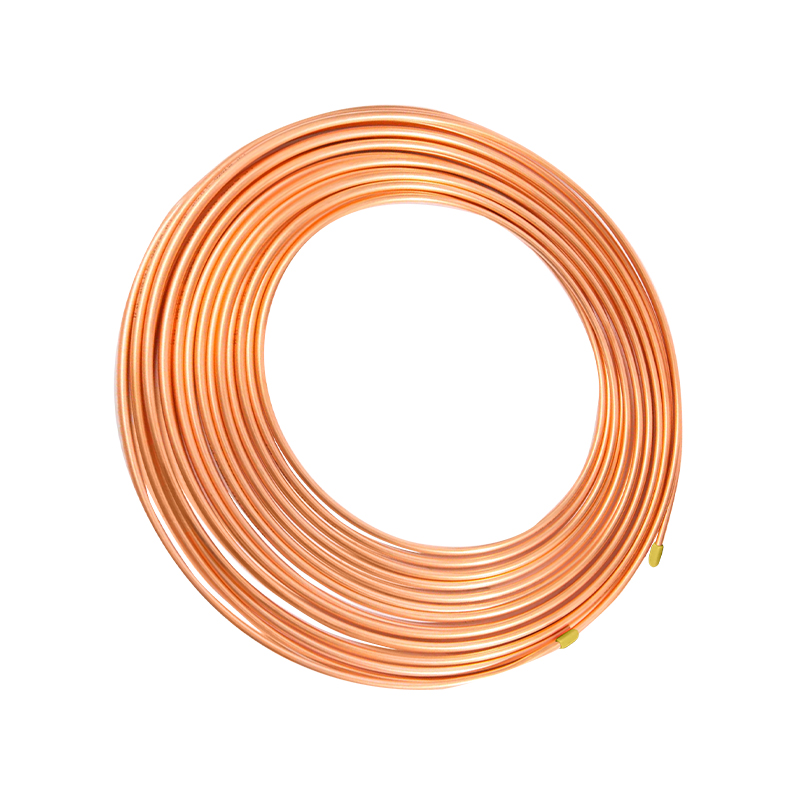
Copper capillary tube is usually manufactured by precision machining, and its dimensional accuracy can reach one thousandth of an inch. This ultra-hig...
See Details
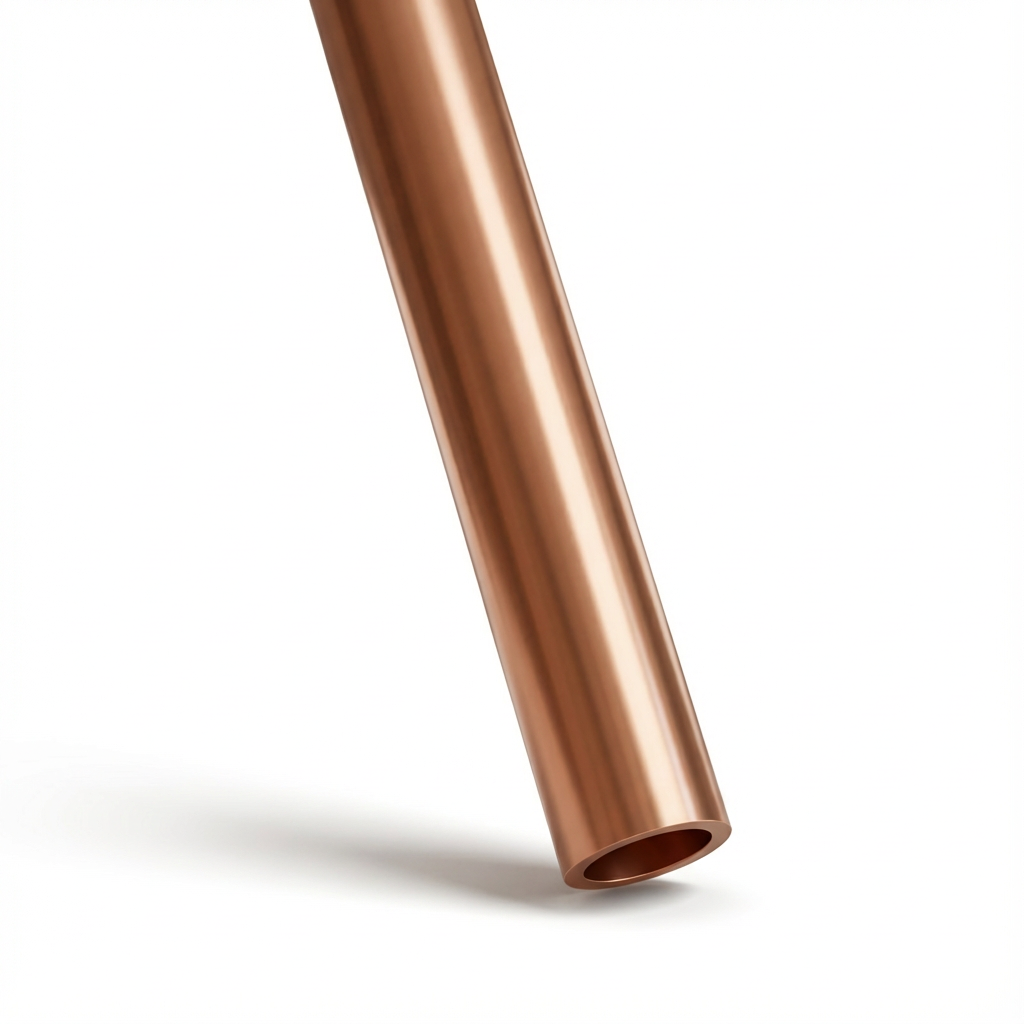
Standard refrigeration copper tube with an outer diameter of 12-28mm is made of high-quality TP2 copper (C12200/DHP), specifically designed for HVAC s...
See Details