 English
 Español
 中文
News
Home / News / Industry News / How Does Soldering Copper Pipe Work? A Copper Tube Maker Explains the Science
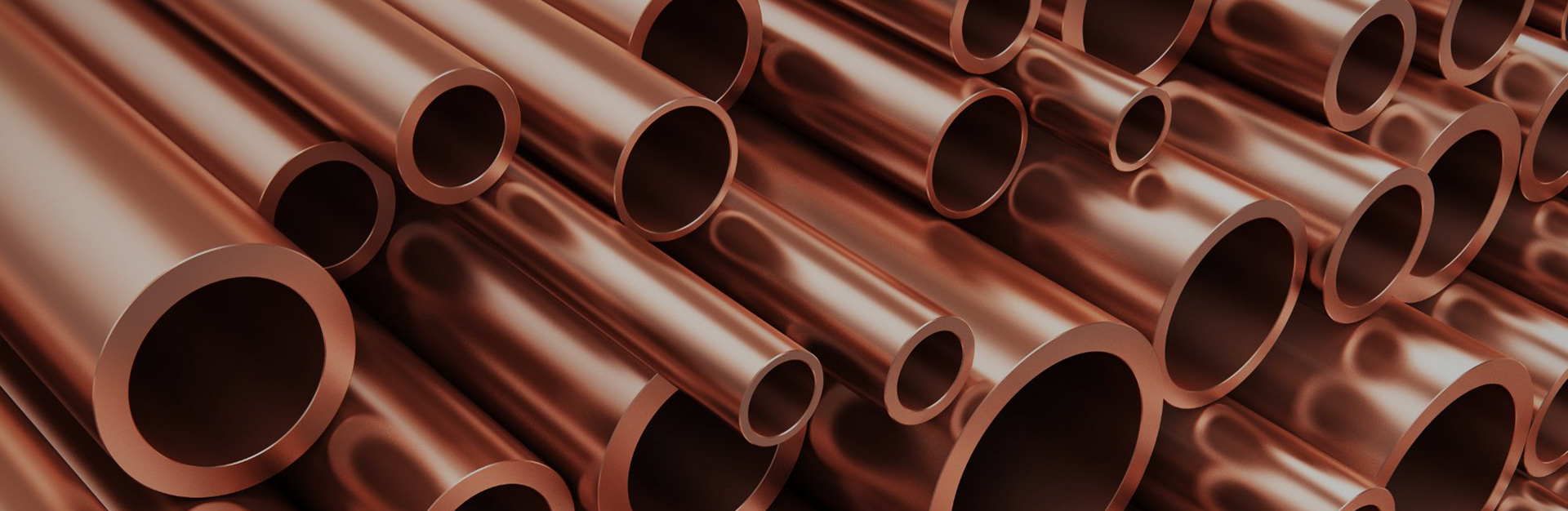
Walk past a workbench where copper pipes are being joined, and you will see a simple ritual: clean the metal, brush on flux, heat the fitting, feed in the solder. The solder melts in seconds and disappears into the joint. What actually happens inside that joint is a sequence of physical and metallurgical events — and once you understand them, soldering stops being a trick of the trade and becomes a process you can rely on.
At our copper mill in Tangpu, we have spent more than thirty years producing the tubes that go into those joints. Soldering happens on site, but the science begins much earlier — in the dimensional consistency, cleanliness and metallurgy of the tube itself. As a manufacturer, we have a practical reason to care about how soldering works: the better a tube is made, the more forgiving it is at the workbench.
At its core, soldering is a joining process in which a filler metal with a relatively low melting point — the solder — melts and flows between two closely fitted copper surfaces. The copper pipe and its fitting never melt. Copper melts at roughly 1,085°C, while plumbing solders melt between about 180°C and 240°C. When the joint cools, the solidified solder forms a continuous seal and a genuine metallic bond with the copper on both sides.
Soldering is not brazing, and it is not welding. Brazing uses filler metals that melt above 450°C; welding actually melts the base metal. Both produce much stronger joints. For water-carrying copper tube at normal working pressures, soldering is fast, economical, and perfectly reliable — provided the science behind it is respected.
To choose the right filler metal, it helps to know the melting range you are working with:
| Solder type | Melting range | Typical application |
|---|---|---|
| 50/50 tin-lead | 183–212°C | Legacy water and heating joints |
| 95/5 tin-antimony | 232–240°C | Lead-free water plumbing |
| Tin-copper (Sn97Cu3) | ~227°C | General lead-free soldered joints |
| Silver-bearing (SAC) | 217–221°C | Refrigeration and tighter clearances |
The lower the melting range, the less heat the surrounding pipework absorbs — which is one reason lead-free solders with silver have become so popular in tighter installations.
Why not simply melt solder onto a clean pipe? Because clean copper does not stay clean. As the metal heats, copper reacts with oxygen in the air and forms a copper oxide layer that solder will not wet. Molten solder on an oxidized surface behaves like water on a greasy plate: it beads up and refuses to spread. That is where flux comes in.
Flux performs two distinct jobs. First, it chemically dissolves the thin oxide film that forms on the copper surface. Second, it coats the metal and shields it from fresh oxidation while the joint is being heated. Once the oxide is removed, the surface becomes wettable — molten solder can spread over it and form a lasting bond.
Many tutorials say the flux "pulls" the solder into the joint. In reality, the pulling is done by capillary action; flux simply makes it possible by giving the molten solder a clean surface to act on. If the pipe and fitting are greasy, wet or heavily oxidized, flux can only do so much. That is why every experienced installer cleans both surfaces thoroughly before applying flux.
The gap between a copper pipe and its fitting is small — typically 0.002 to 0.005 inch (0.05 to 0.13 mm). That narrow annular space behaves like a capillary tube. When molten solder touches the heated joint, capillary action draws the liquid metal into the gap and distributes it evenly around the full circumference. This happens regardless of orientation: vertical joints, overhead joints and horizontal joints all fill for the same reason.
This is why dimensions matter so much. If the clearance is too wide, capillary action weakens and the gap may only fill partially. If it is too tight, solder cannot penetrate at all. At the factory, we control outer-diameter tolerance and ovality on every drawn tube, because we know that a few hundredths of a millimeter at our end often decides whether the joint holds for decades or leaks on the first pressure test.
Once the flame is lit, everything happens quickly — often in less than thirty seconds. The sequence is consistent, and each step sets up the next.
Each step depends on the ones before it. Skip the cleaning, and the flux cannot do its job. Heat too long, and the flux burns away, exposing the bare metal to oxidation. Move the pipe while the solder is still molten, and you tear the bond apart before it has formed. None of these failures is caused by bad solder or bad luck; they are all caused by interrupting the sequence.
From our side of the industry, most soldering failures are not a matter of technique alone. They start with poor tubing. A pipe that is out of round leaves an irregular gap, so capillary action fills some zones and starves others. A pipe with residual drawing oil or heavy oxide asks too much of the flux. A pipe with an un-reamed burr creates turbulence inside the line, which over time can contribute to erosion and pin-hole leaks.
The manufacturing discipline that prevents these problems is straightforward: draw the tube to a consistent diameter, keep the surface clean, and anneal it to a predictable temper. Our production lines follow exactly this sequence, and our customers feel the difference in the field. Whether a project calls for plumbing-grade copper water tube or a precision refrigeration line, the same rule holds — a reliable joint starts with a reliable tube.
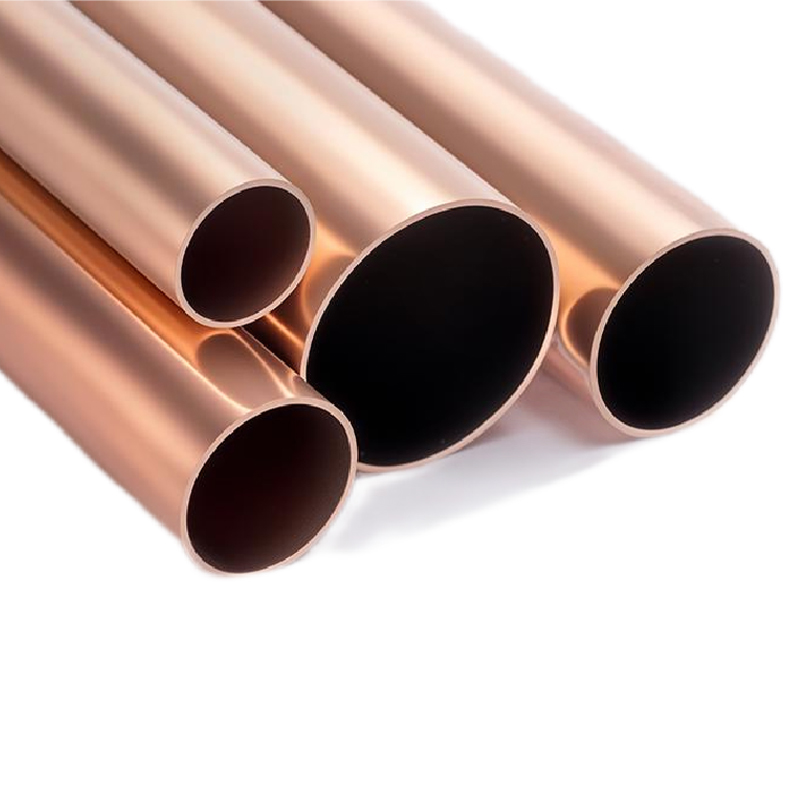 Copper Water Tube for Durable Plumbing and Refrigeration JointsThis high-performance copper tube combines corrosion resistance and a 100-year service life, making it a dependable base for leak-free soldered connections in demanding systems.View Product →
Soldering is not confined to water supply. Refrigeration and air-conditioning systems rely on the same principle: clean, flux, heat, and let capillary action fill the joint with a suitable filler metal. The lines are often smaller in diameter, and the joints must hold pressurised refrigerant without a single leak for years. For these applications, installers commonly choose silver-bearing lead-free solders or brazing alloys, depending on operating pressure and vibration.
Our refrigeration-grade tubing is supplied to equipment manufacturers across the industry, and joint-making behavior is one of the qualities they value most. A tube with tight outer-diameter control and a clean, bright surface gives the technician the best possible chance of a first-pass leak-free joint. We have also covered the practical side of the process in our step-by-step installation guide for those working on soldering jobs.
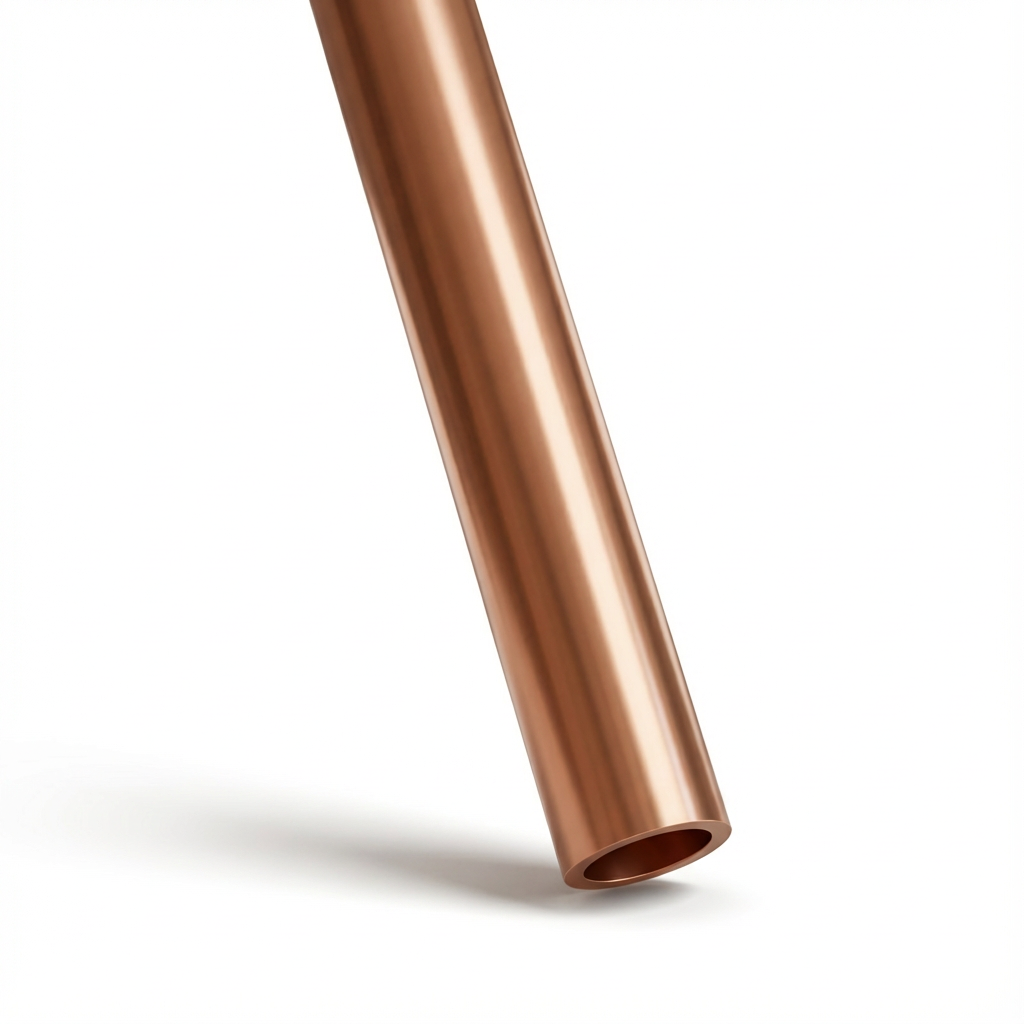 Precision Refrigeration Copper Tube for HVAC InstallationsWith tight diameter control and a clean surface, this TP2 copper tube helps technicians achieve first-pass leak-free joints, essential for pressurized refrigerant lines in cooling systems.View Product →
The next time you watch a plumber solder a joint, you will know what is hidden behind the flame: oxide removal, wetting, capillary flow, and a microscopically thin metallic bond. Understanding how soldering copper pipe works will not replace practice, but it will tell you exactly why every step matters — and why cutting corners so often ends in a drip.
At Zhejiang Jingliang Copper-Tube Products, we have spent more than three decades manufacturing the tubing that makes these steps reliable. When a soldered joint holds for decades, the pipe deserves part of the credit.
Copper Tube is made of high-purity copper material with a copper content of not less than 99.9%. The main material codes are T11050 and C12200(DHP), a...
See Details
The Copper Water Tube produced by our company is a high-performance copper tube suitable for hot and cold water systems and heating applications. It h...
See Details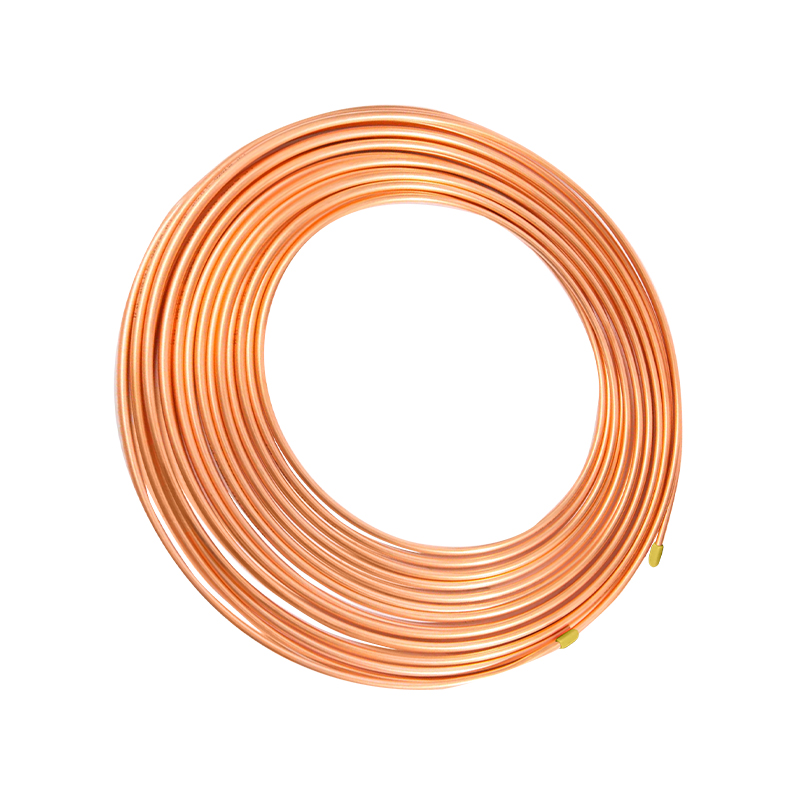
Copper capillary tube is usually manufactured by precision machining, and its dimensional accuracy can reach one thousandth of an inch. This ultra-hig...
See Details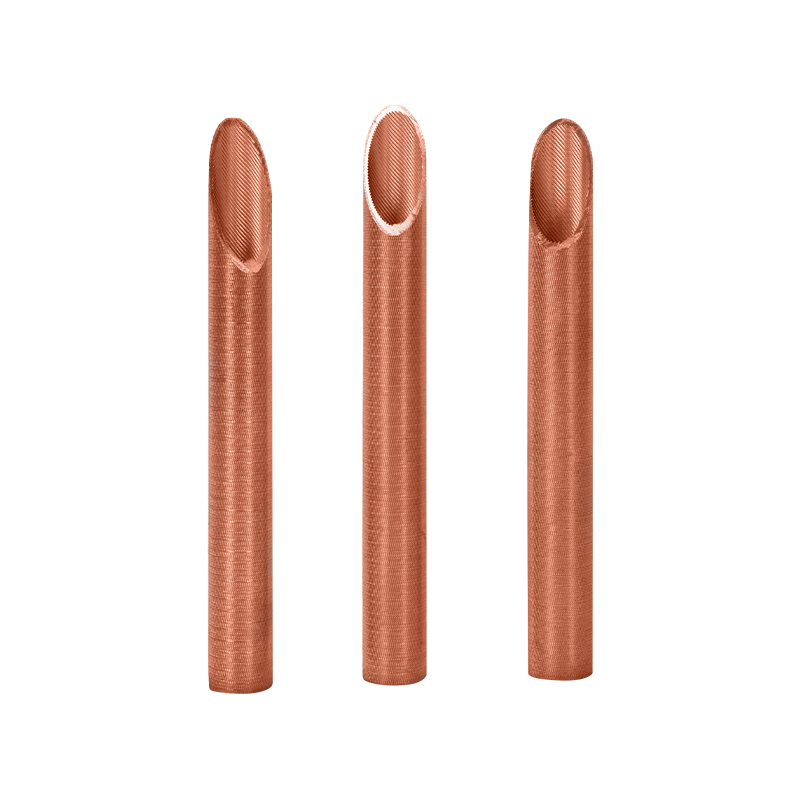
The copper evaporator tube adopts a unique fin design, and the external fins are equipped with specially designed interconnected channels, so that eac...
See Details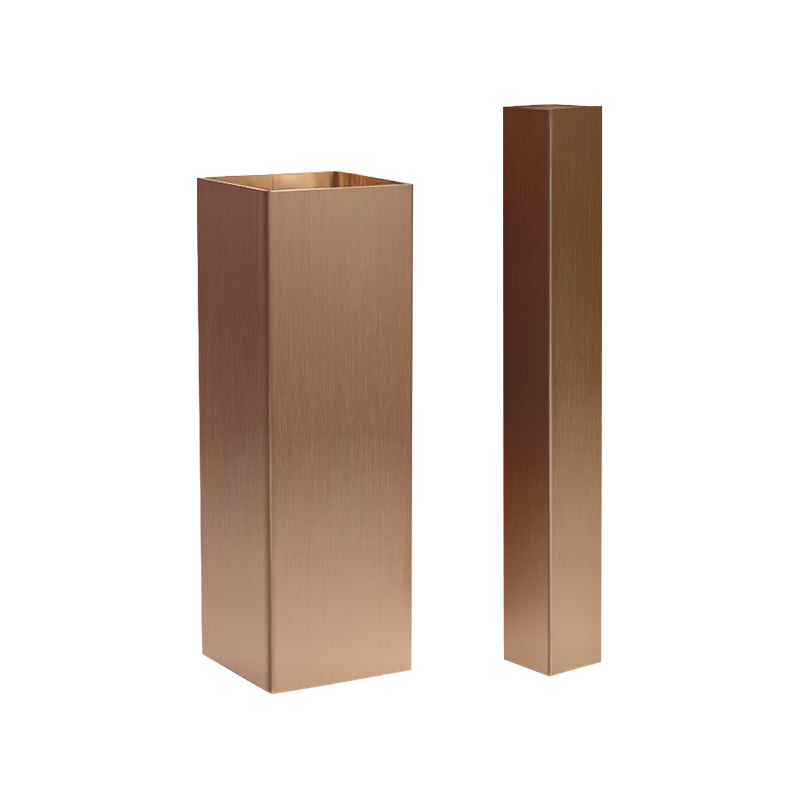
Copper square tube is a metal tube with a hollow square cross-section. It is made of high-purity copper or copper alloy materials through multiple pre...
See Details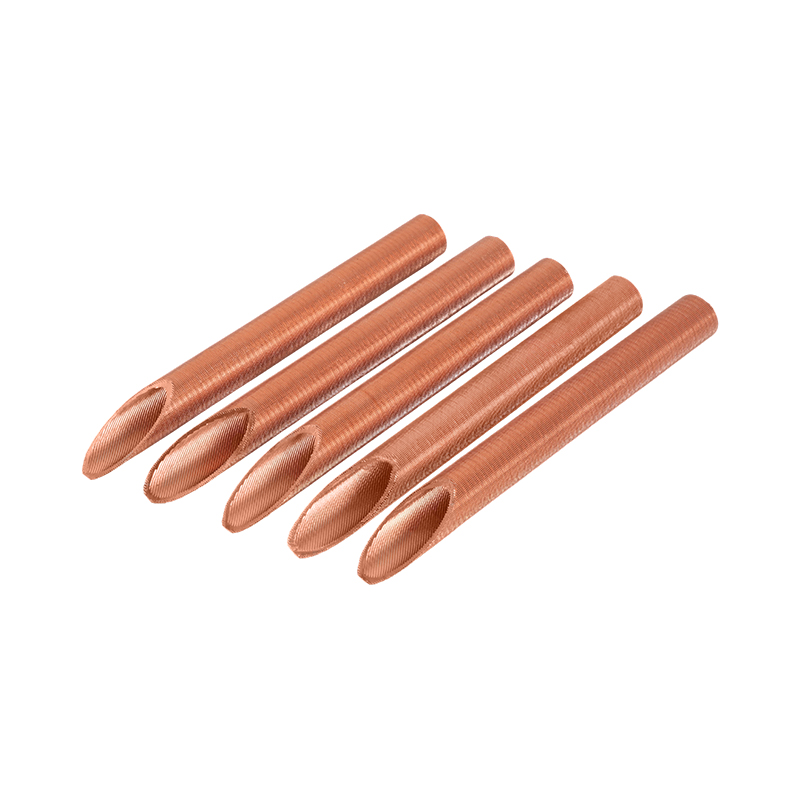
The condenser copper tube adopts a proprietary design independently developed by the company, and the ends of the fins are provided with radial and ax...
See Details
 Tangpu Industrial Zone, Shangyu District, Shaoxing City, Zhejiang Province, China
 +86-13567501345
© Zhejiang Jingliang Copper-Tube Products Co., Ltd All rights reserved.

