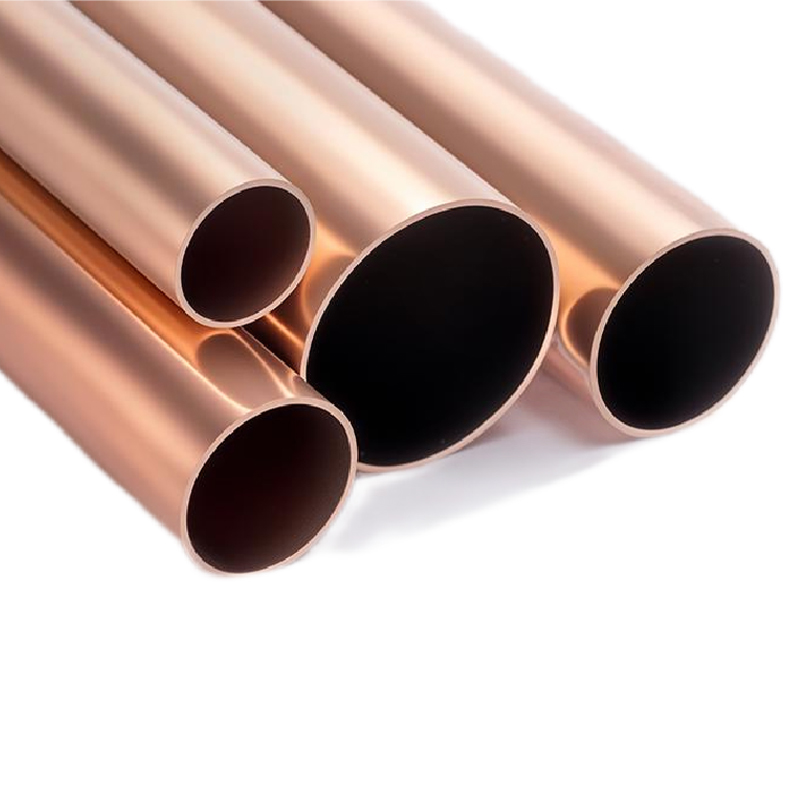
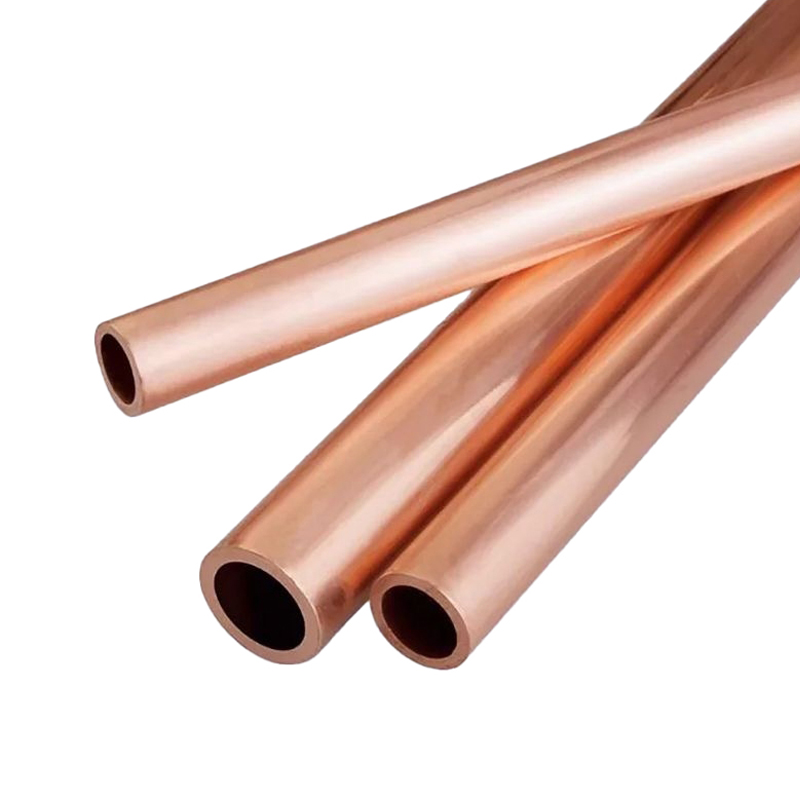
Installing copper tubing correctly means cutting cleanly, deburring thoroughly, and soldering with proper heat — done right, a copper tube joint lasts 50+ years with zero leaks. Whether you're replacing a water line or adding a gas supply, copper remains the gold standard for residential and commercial plumbing due to its durability, corrosion resistance, and proven track record. This guide walks you through every step, from selecting the right tube type to making a watertight solder joint, using techniques aligned with what copper tube factories engineer into the product itself.
Not all copper tubing is the same. Copper tube factories produce several grades, each engineered for specific applications. Choosing the wrong type is one of the most common and costly beginner mistakes.
| Type | Wall Thickness | Best Use | Flexibility |
|---|---|---|---|
| Type K | Thickest | Underground, municipal water | Rigid & flexible |
| Type L | Medium | Interior water supply, HVAC | Rigid & flexible |
| Type M | Thinnest | Residential water lines | Rigid only |
| Type ACR | Varies | Air conditioning, refrigeration | Flexible coil |
| DWV | Thinnest overall | Drain, waste, vent (above ground) | Rigid only |
For most home water supply projects, Type L copper tube is the recommended choice — it balances wall strength with workability and is widely stocked at hardware stores. Type M is acceptable in many jurisdictions for interior use but check your local building code first, as some areas mandate Type L minimums.
Gathering everything before you start prevents mid-job trips to the hardware store and ensures clean, professional results. Here is the complete list:
A clean, square cut is the foundation of a leak-free joint. Hacksaws leave rough edges; a rotary tube cutter produces the precise, perpendicular cut that copper fittings require.
Skipping the deburring step is a common mistake. Internal burrs create turbulence that erodes the tube wall over time and can cause joint failure. Copper tube factories engineer tube walls to precise tolerances — protect that geometry from the start.
Solder bonds to copper only when the surface is perfectly clean and chemically prepared. Oxides, oils, and contamination prevent proper bonding and cause pinhole leaks — often not discovered until months after installation.
Using emery cloth or a dedicated abrasive strip, polish the end of the copper tube for approximately 1 inch (the depth of the fitting socket). Polish until the copper is bright and uniformly shiny with no dark spots or dull patches.
Insert the correct-sized wire brush into the fitting socket and rotate it 3–5 times. The fitting interior should be bright and clean. Never touch the cleaned surfaces with bare hands — skin oils immediately contaminate the copper.
Apply a thin, even layer of lead-free flux paste to the outside of the tube end using a flux brush. Also apply flux to the inside of the fitting. Flux serves two purposes: it removes residual oxides during heating and it draws molten solder into the joint by capillary action. Use flux sparingly — excess flux is acidic and can corrode the joint over time.
Push the fitting firmly onto the tube, twisting slightly to distribute the flux evenly. The tube should seat fully into the socket — typically ½ to ¾ inch for standard fittings.
Soldering — called "sweating" in plumbing — is the most reliable method for joining copper tube, producing joints that can withstand pressures exceeding 200 PSI at normal operating temperatures when done correctly.
A properly soldered joint will show a continuous, shiny ring of solder around the full fitting socket with no gaps, drips, or dark burn spots.
Press-fit (push-to-connect) fittings have become increasingly popular as an alternative to soldering, particularly for repairs and retrofits where open flames near wood are risky. Brands such as SharkBite produce fittings compatible with Type L and Type M copper tube.
Press-fit fittings require the tube end to be cut square and deburred — the same preparation steps as soldering. Some codes require exposed press-fit fittings, so verify local requirements before enclosing them in walls.
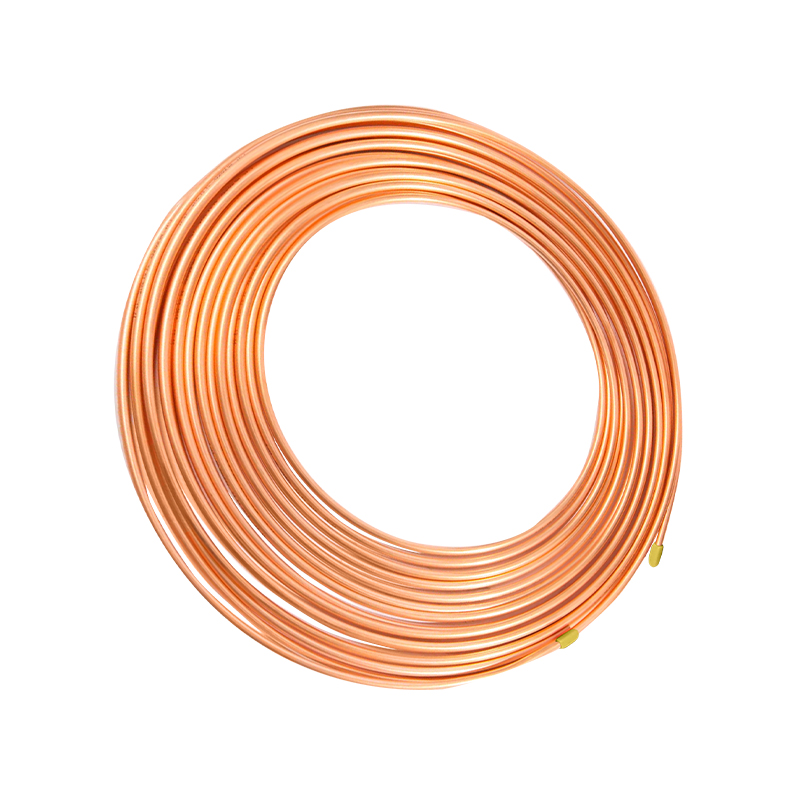
Flexible (annealed) copper tubing — typically sold in coils and used for refrigeration, HVAC, and final fixture connections — can be bent by hand or with a tube bender. Kinking collapses the tube wall and permanently restricts flow.
Unsupported copper tube vibrates, stresses joints, and produces annoying water hammer noise. Most building codes specify maximum hanger spacing based on tube diameter.
| Tube Diameter | Horizontal Max Spacing | Vertical Max Spacing |
|---|---|---|
| ½ inch | 6 ft (1.8 m) | 10 ft (3 m) |
| ¾ inch | 8 ft (2.4 m) | 10 ft (3 m) |
| 1 inch | 10 ft (3 m) | 10 ft (3 m) |
| 1½ inch and above | 12 ft (3.7 m) | 10 ft (3 m) |
Use copper or plastic-lined hangers — never bare steel, which causes galvanic corrosion where it contacts copper. Where copper passes through metal studs or joists, use plastic grommets to isolate the tube from the metal.
Never close up walls or cover work without pressure testing first. A leak found before drywall costs minutes; one found after costs thousands in water damage repairs.
Fill the system with water, pressurize to 1.5× working pressure (typically 75–100 PSI for residential supply), and hold for 15 minutes. Any drop in pressure indicates a leak. Inspect all joints visually and feel for moisture.
For systems not yet connected to fixtures, pressurize with compressed air to 50 PSI and apply soapy water to each joint. Bubbling indicates a failed solder joint that must be re-sweated after draining and drying the tube completely.
If a solder joint leaks, drain the system, dry the tube with a rag and brief torch heat, re-clean and flux the joint, and re-solder. Never try to add solder to a wet or pressurized joint — water in the tube prevents the fitting from reaching soldering temperature.
Understanding how copper tube is manufactured helps explain why proper installation technique matters. A copper tube factory produces tube to ASTM standards (ASTM B88 for water supply, ASTM B280 for ACR) — these specify wall thickness tolerances, temper, and surface quality to within fractions of a millimeter.
Choosing tube sourced from a reputable copper tube factory with documented ASTM compliance protects both the installation and the end user. Substandard tube with inconsistent wall thickness is one of the leading causes of premature pinhole corrosion failures.
Even experienced installers encounter problems. These are the most frequent errors and how to prevent them:
Content
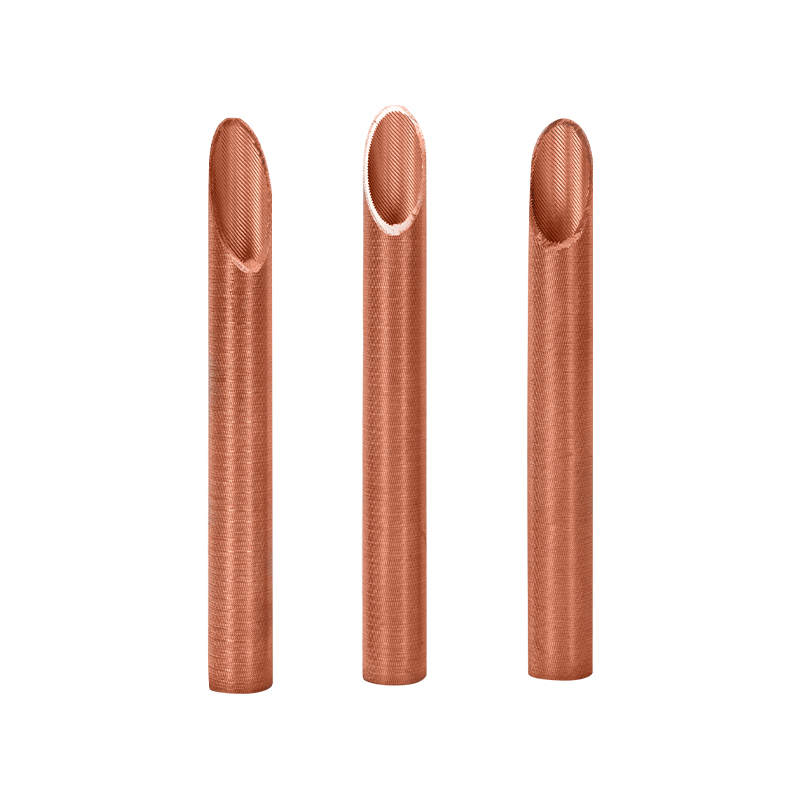
The copper evaporator tube adopts a unique fin design, and the external fins are equipped with specially designed interconnected channels, so that eac...
See Details
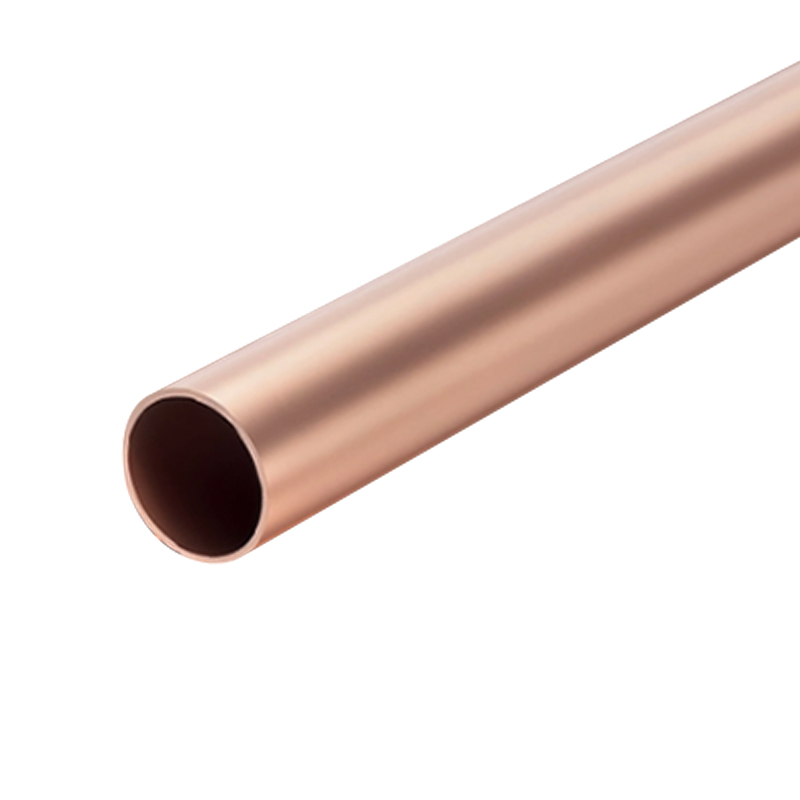
Copper Tube is made of high-purity copper material with a copper content of not less than 99.9%. The main material codes are T11050 and C12200(DHP), a...
See Details
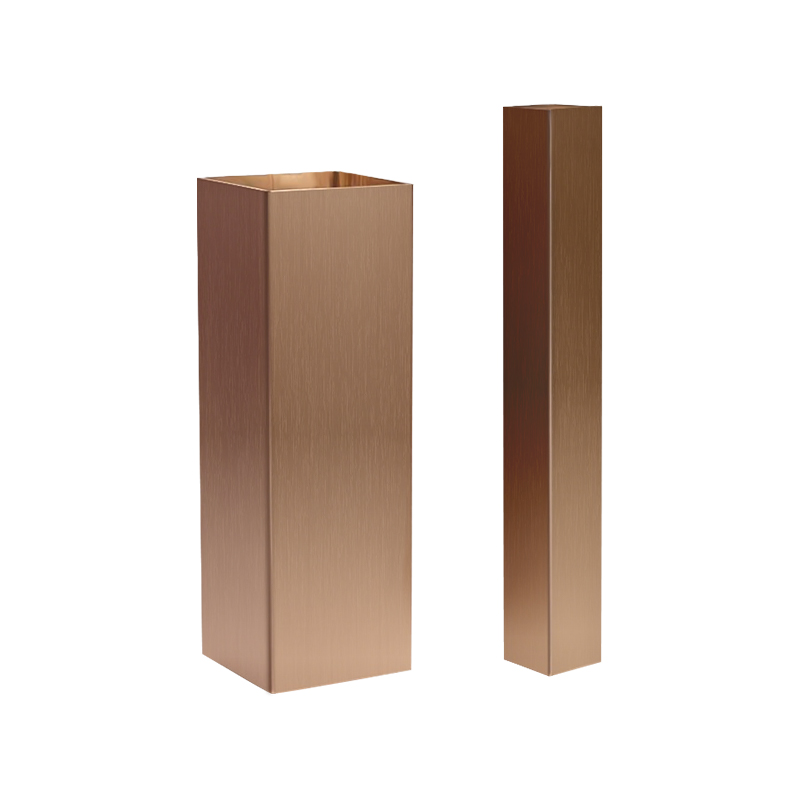
Copper square tube is a metal tube with a hollow square cross-section. It is made of high-purity copper or copper alloy materials through multiple pre...
See Details
The Copper Water Tube produced by our company is a high-performance copper tube suitable for hot and cold water systems and heating applications. It h...
See Details
Copper capillary tube is usually manufactured by precision machining, and its dimensional accuracy can reach one thousandth of an inch. This ultra-hig...
See Details
Thick-walled copper tubes are also called seamless thick-walled copper tubes. Thick-walled copper tubes are manufactured by a hot extrusion process, w...
See Details