 English
 Español
 中文
News
Home / News / Industry News / how does propress fittings work: Applications, Selection Criteria, and Practical Guidance
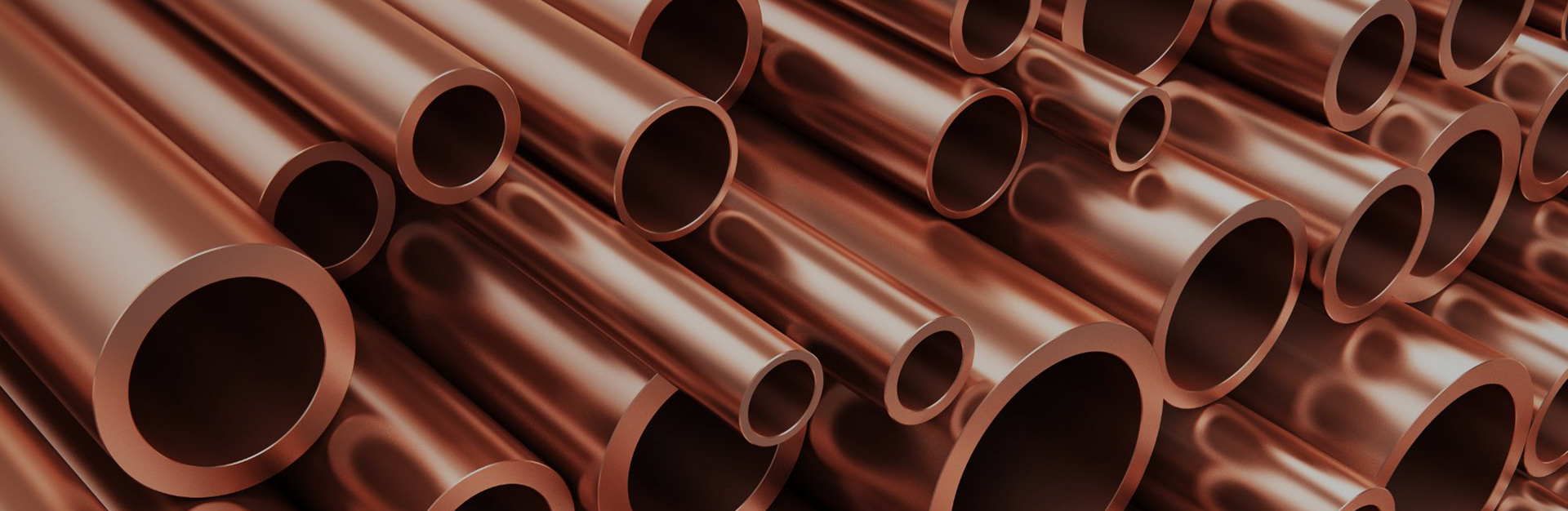
Copper tube has been at the center of our workshop for more than thirty years. Over that time, we've watched installation methods evolve from torch and solder to fast mechanical press systems. Few developments have changed everyday installation as much as ProPress fittings. If you've ever watched a plumber or HVAC technician press a fitting onto a piece of copper tube and move on within seconds, you know how efficient it looks. But how does ProPress actually work? Let's look at the hardware, the pressing sequence, and the tube quality issues that make the difference between a reliable joint and a hidden leak.
ProPress is a press-connect system for copper tubing. It uses a factory-assembled fitting with a built-in O-ring and a deformable press sleeve. The fitting body is typically made from copper or brass, while the O-ring is a specially formulated elastomer that forms the primary seal.
At its core, the idea is simple: insert a correctly prepared copper tube into the fitting, then use a battery-powered or electro-hydraulic press tool to squeeze the sleeve with controlled force. The sleeve compresses the fitting body around the tube, creating a tight metal-to-metal grip. At the same time, the O-ring compresses to form a watertight and gas-tight barrier.
Because no heat is involved, there is no fire risk, no molten solder, and no flux residue to clean. The mechanical compression is what makes the joint permanent. In that sense, ProPress is closer to a high-quality crimp than to traditional brazing.
A reliable press connection depends on doing the prep work in the same order every time. Here's the sequence we recommend:
The pressing cycle itself takes only a few seconds. That speed is a major reason why ProPress has become so popular in new construction and retrofit projects.
Press fittings work best when the copper tube is consistent in diameter, roundness, and surface condition. A tube with an oversized or undersized OD, heavy scratches, or out-of-round sections may not fully seat into the fitting, or the O-ring may not compress evenly. Even minor burrs on the cut edge can damage the O-ring as you insert the tube.
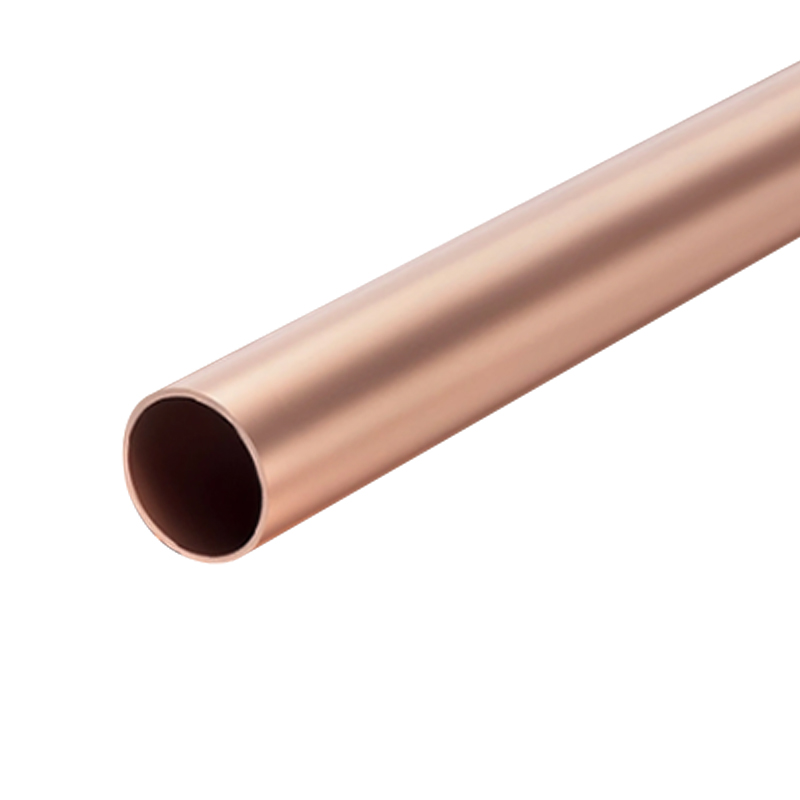 High-Purity Copper Tube for Consistent Press-Fit SealsThis tube meets tight dimensional tolerances and has a smooth surface, helping press fittings seat properly without O-ring damage.View Product →
At our mill, we have supplied copper tube for countless press-fit installations. The material that gives the best results is a straight, round tube with a smooth, clean surface and a factory-controlled temper. Using standards such as ASTM B280 helps ensure the tube's dimensions stay within the tolerances the fitting manufacturer expects. In our experience, both soft-tempered and hard-drawn tube can press successfully as long as the diameter and roundness are correct.
To understand the real advantages of ProPress, it helps to compare it with the traditional soldered joint. Both can create dependable connections, but they work differently in the field.
| Factor | ProPress | Soldering |
|---|---|---|
| Heat source | No flame required | Torch required |
| Skill level | Less manual skill | Consistent technique needed |
| Installation speed | Very fast per joint | Slower, especially on multiple joints |
| Fire risk | Low | High around combustibles |
| Sealing mechanism | O-ring plus compression | Solder wicking into joint |
| Removal | Must be cut out | Can be unsoldered, but tedious |
| Typical service life | O-ring rated for decades | Decades if properly installed |
The choice isn't about one method being universally better. For occupied buildings, tight spaces, and systems that can't be shut down for long, ProPress shines. For a very small repair on a tight budget, soldering can still make practical sense.
ProPress systems are used across residential, commercial, and industrial piping. In residential plumbing, they save time on copper water lines in walls and under floors. In large commercial buildings, they reduce fire watch requirements and let crews finish rough-ins faster. In HVAC and refrigeration, press fittings are used for refrigerant lines, condenser tubing, and other applications where a clean, leak-tight connection matters.
Plumbing copper tube needs to have consistent wall thickness, a clean surface, and a certified pressure rating to perform well in a press joint. Our copper water tube is manufactured with these requirements in mind.
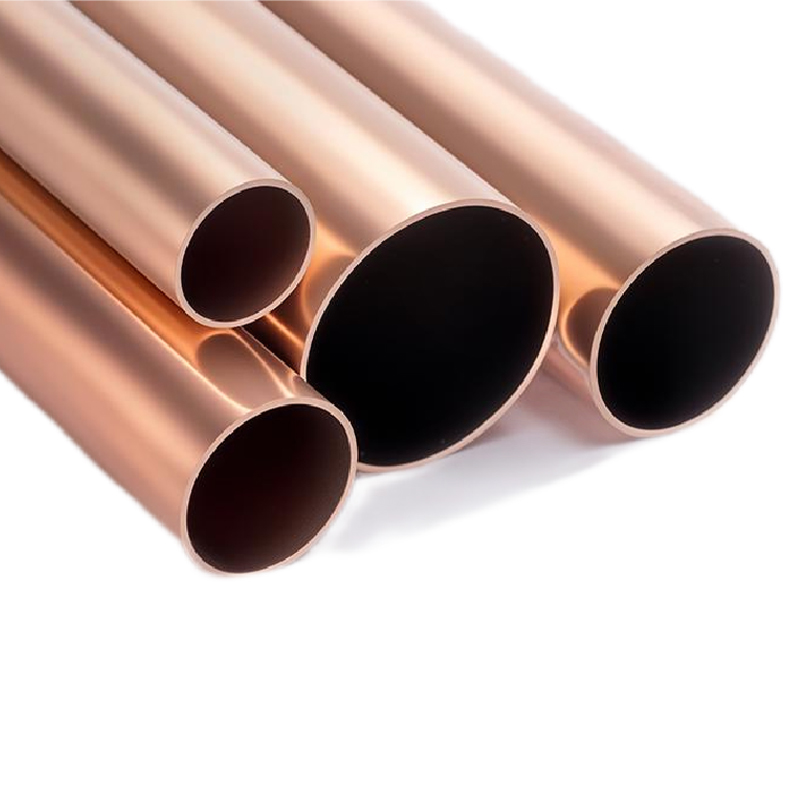 Copper Water Tube for Reliable Press-Fit PlumbingDesigned with consistent wall thickness and certified pressure rating, this tube suits hot and cold water systems and offers antibacterial benefits.View Product →
For air conditioning and refrigeration systems, the tube should be dehydrated, capped, and made to tight ACR standards. The refrigeration copper tube we supply is designed for clean, moisture-free installations, which also helps the press tool produce a reliable seal.
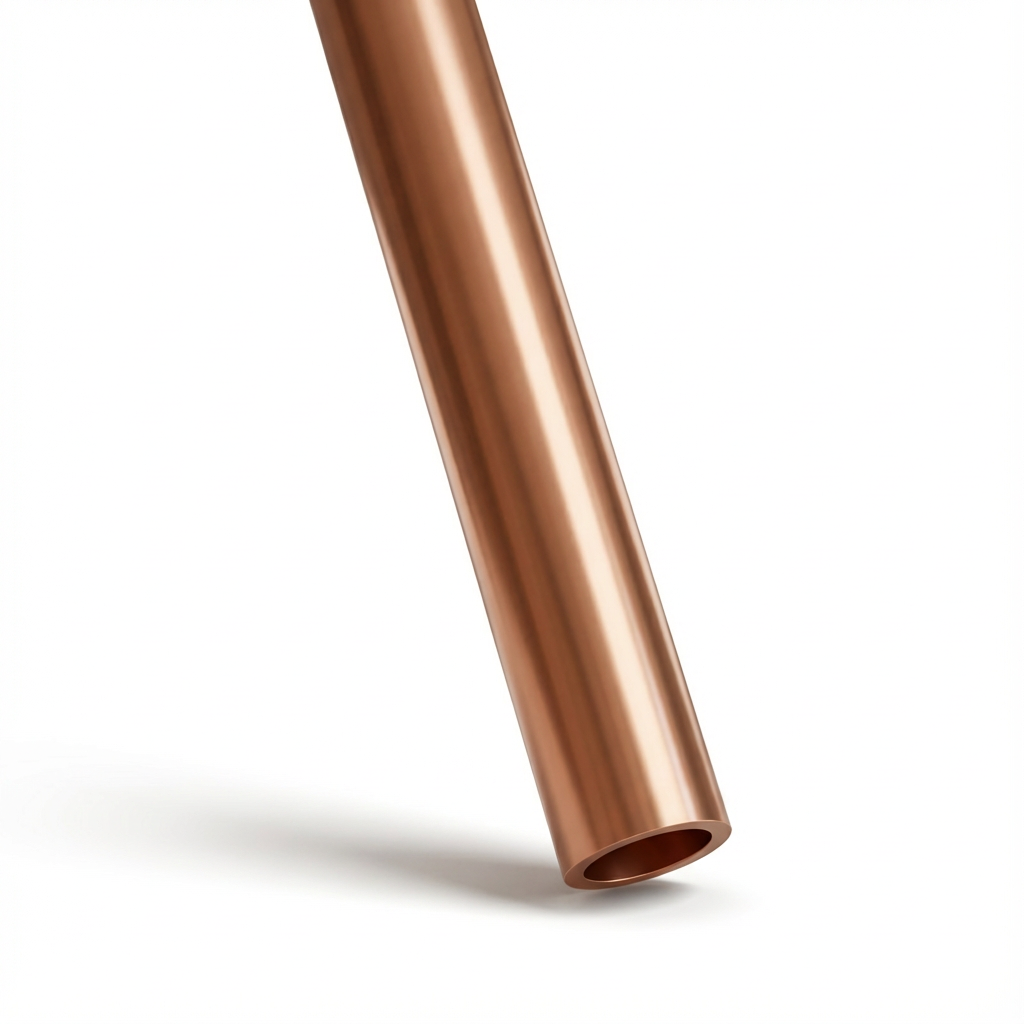 Refrigeration Copper Tube for Clean ACR InstallationsDehydrated and capped with tight ACR standards, this tube ensures moisture-free refrigerant lines, supporting reliable press-tool seals in HVAC systems.View Product →
In all cases, follow the fitting manufacturer's instructions for the specific application, pressure rating, and local code requirements.
After years of watching press fittings go into everything from residential water heaters to industrial condensers, we've collected a few field lessons worth sharing:
ProPress isn't a replacement for every joining method, but it is an excellent option when you need a fast, repeatable, leak-resistant connection on copper tube. Pair it with high-quality tube and careful prep, and the joint should serve you well for years.
Standard refrigeration copper tube with an outer diameter of 12-28mm is made of high-quality TP2 copper (C12200/DHP), specifically designed for HVAC s...
See Details
 Tangpu Industrial Zone, Shangyu District, Shaoxing City, Zhejiang Province, China
 +86-13567501345
© Zhejiang Jingliang Copper-Tube Products Co., Ltd All rights reserved.

