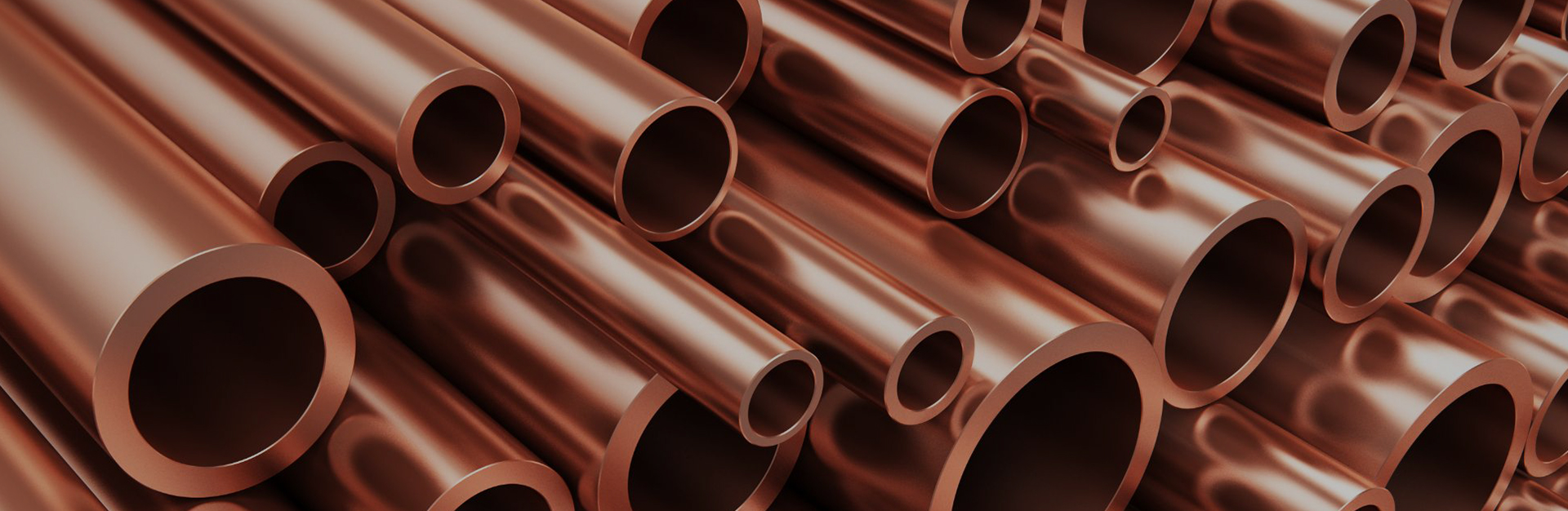
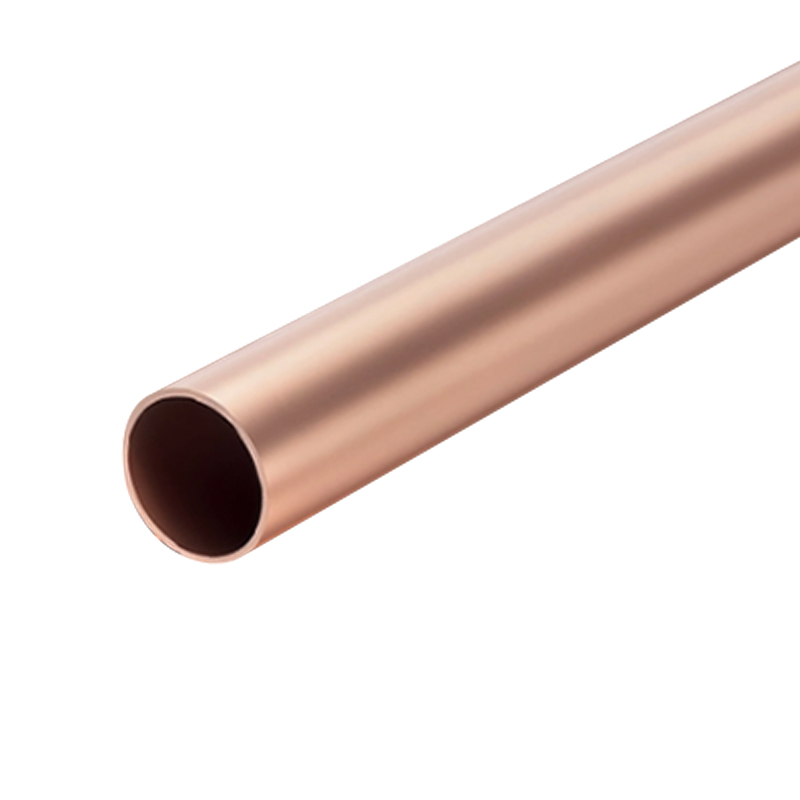
A copper tube factory is a specialized manufacturing facility that converts raw copper cathode or scrap copper into finished tubular products used in plumbing, HVAC, refrigeration, medical gas systems, and industrial applications. The quality, dimensional accuracy, and compliance of copper tube is determined almost entirely by the factory's process control, raw material sourcing, and quality management systems — not by the finished appearance of the product. Buyers sourcing copper tube directly from a factory need to evaluate production capability, alloy control, applicable standards certification, and traceability systems before placing volume orders.
Global copper tube production exceeds 2 million tonnes per year, with major manufacturing capacity concentrated in China, Europe (Germany, Sweden, Italy), the United States, and Japan. Understanding how a factory operates — from melting through finishing — is essential for specifying the right product and auditing a potential supplier.
The primary feedstock for copper tube manufacturing is either electrolytic tough pitch (ETP) copper cathode (designated Cu-ETP or C11000) or recycled copper scrap of verified composition. The choice of raw material directly affects the chemical purity of the finished tube and its suitability for sensitive applications.
ETP copper cathode has a minimum copper purity of 99.90% and an oxygen content of approximately 0.02–0.04%. It is the standard input material for high-quality plumbing, medical, and refrigeration tube where impurity levels must be tightly controlled. Cathode is supplied in full plates weighing 100–125 kg each and is traceable to the smelter of origin, providing a clear chain of custody for certified products.
For applications requiring higher purity — medical gas pipelines, semiconductor fabrication, and some defense applications — factories use oxygen-free copper (Cu-OF or C10200) with oxygen content below 0.001% and copper purity of at least 99.95%. OFC is produced under controlled atmospheric conditions to prevent oxygen pickup during melting.
Many factories blend virgin cathode with Grade 1 bare bright copper scrap (No. 1 copper scrap per ISRI specifications) to reduce raw material cost. Legitimate copper tube factories using scrap inputs must operate spectrometric analysis systems on every melt to verify that alloy composition remains within specification before casting. Factories that cannot demonstrate per-heat chemical certification from scrap melts represent a quality risk for critical applications.
Copper tube manufacturing follows a defined sequence of steps. The specific process route varies by factory technology, product type, and target dimensions, but the core stages are consistent across the industry:
Copper cathode is melted in a shaft furnace or induction furnace at approximately 1,085°C (the melting point of copper is 1,083°C, so minimal superheat is required). The melt is held in a holding furnace where temperature and oxygen content are controlled before being fed into a continuous casting machine. Most modern copper tube factories use upward continuous casting (UCC) or horizontal continuous casting to produce hollow billets (also called tubes or shells) directly from the melt, bypassing the need for extrusion in some product lines.
In the conventional extrusion route, cast billets are heated to 750–900°C and pushed through a die and mandrel assembly using a hydraulic press — typical press capacities range from 10 MN to 35 MN. The extruded tube, called a "mother tube" or "parent tube," has a relatively large diameter and thick wall. It is then processed through cold drawing to reach final dimensions.
Cold drawing is the precision stage that defines the final outer diameter, wall thickness, and surface finish of the copper tube. The extruded or cast shell is pulled through a tungsten carbide or steel draw die while a mandrel or plug inside controls the inner diameter. Each drawing pass reduces the cross-section by 20–40%. Multiple passes with intermediate annealing cycles between passes are used to reach small final dimensions — for example, reducing from a 50 mm extruded tube down to a 12 mm finished plumbing tube may require 4–6 drawing passes.
Cold working hardens copper through work hardening (strain hardening), increasing hardness but reducing ductility. Annealing — heating to 300–650°C in a controlled atmosphere or bell furnace — recrystallizes the microstructure, restoring ductility for further drawing or producing the soft (annealed) temper required for plumbing and HVAC coil applications. The annealing atmosphere (typically nitrogen or nitrogen/hydrogen mixtures) prevents surface oxidation and maintains the bright copper finish.
Finished tube is passed through a rotary straightener to achieve the straightness tolerances required by standards (typically ≤1 mm per meter for straight lengths). Tube is then cut to standard lengths — most commonly 3 m, 5 m, or 6 m for straight lengths — or coiled. End facing removes burrs. Final inspection, marking, and packaging complete the process.
A full-range copper tube factory typically produces several distinct product families, each with its own dimensional standards, temper requirements, and application markets:
| Product Type | Typical OD Range | Temper | Primary Application | Key Standard |
|---|---|---|---|---|
| Plumbing tube (straight) | 6–108 mm OD | Half-hard (R250) | Hot/cold water, gas | EN 1057, ASTM B88 |
| Plumbing tube (coil) | 6–28 mm OD | Soft (R220) | Underfloor heating, flexible connections | EN 1057 |
| ACR tube (A/C & refrigeration) | 3.175–54 mm OD | Soft / hard drawn | Air conditioning, refrigeration circuits | ASTM B280, EN 12735 |
| Medical gas tube | 6–54 mm OD | Soft / half-hard | Hospital O₂, N₂O, vacuum pipelines | EN 13348, ASTM B819 |
| Internally grooved tube | 5–19 mm OD | Soft | Heat exchanger coils (enhanced heat transfer) | ASTM B743, EN 12735 |
| Capillary / instrumentation tube | 0.5–6 mm OD | Hard drawn | Refrigeration capillary, instruments | ASTM B360, EN 12735 |
| Finned tube / heat exchanger | 7–25 mm OD | Soft | Condensers, evaporators, boilers | ASTM B111, EN 12449 |
The quality of copper tube is defined by dimensional tolerance, mechanical properties, internal cleanliness, and freedom from defects. Reputable factories operate multiple in-line and off-line quality control systems throughout the production process:
Every heat of copper is analyzed by optical emission spectrometry (OES) before casting to confirm copper purity and the absence of harmful tramp elements. For ETP copper (Cu-ETP per EN 1977), the minimum copper content including silver is 99.90%. For medical gas tube (Cu-OF per EN 1977), minimum purity is 99.95%. The chemical certificate (material test report) from each heat must accompany the finished product for traceability.
Outer diameter and wall thickness are checked at multiple points along each tube using laser gauges (non-contact) or precision micrometers. EN 1057 tolerances for plumbing tube specify OD tolerances of ±0.05 mm for tube up to 22 mm OD and ±0.1% for larger sizes. Wall thickness tolerance is typically ±10% of nominal. Factories supplying to tight-tolerance markets (ACR, medical) operate laser measurement systems with 100% in-line coverage.
Tensile strength and elongation are tested from samples taken from finished tube. For half-hard plumbing tube (R250 per EN 1057), minimum tensile strength is 250 MPa with minimum elongation of 30%. Hardness (Vickers HV) is measured as a rapid production check. Results must fall within the ranges specified for the declared temper.
Samples from each production batch are tested to a minimum hydrostatic proof pressure calculated from the formula P = 2S·t / (D – t), where S is the allowable stress, t is wall thickness, and D is outer diameter. For ACR tube per ASTM B280, factory test pressures are specified based on size — for example, a 1/4" ACR tube (6.35 mm OD) must withstand a minimum test pressure of 10.3 MPa (1,500 psi) without leakage or visible deformation.
High-quality factories run 100% of finished tube through eddy current inspection systems that detect surface and near-surface discontinuities — cracks, laps, pits, and seams — that would be invisible to visual inspection. Eddy current testing is mandatory under EN 13348 for medical gas tube and ASTM B819, and is increasingly specified for ACR and premium plumbing tube. Systems operating at frequencies of 50–500 kHz can reliably detect defects as small as 0.1 mm depth.
For ACR and medical tube, residual hydrocarbon contamination inside the tube from drawing lubricants is a critical quality parameter. Factories measure residual oil content by solvent extraction and gravimetric analysis. ASTM B280 limits residual oil to 66 mg/m² (approximately 6 mg/foot) for ACR tube. Medical gas tube standards (EN 13348) specify maximum residual contamination of 75 mg/m². Clean tube factories operate continuous washing lines with heated alkaline solutions followed by hot air drying to meet these specifications.
A copper tube factory supplying international markets must hold certification to the applicable standards for each product line. The major standards are:
| Standard | Product Covered | Region | Key Requirements |
|---|---|---|---|
| EN 1057 | Copper tubes for water and gas in sanitary and heating installations | Europe / International | Dimensions, mechanical properties, pressure test |
| ASTM B88 | Seamless copper water tube (Types K, L, M, DWV) | North America | Dimensions by type, hydrostatic test, temper |
| ASTM B280 | Seamless copper tube for ACR field service | North America / Global | Residual oil ≤66 mg/m², dehydration, pressure test |
| EN 12735 | Copper tubes for ACR and refrigeration | Europe | Dimensions, cleanliness, mechanical properties |
| EN 13348 | Copper tubes for medical gases and vacuum | Europe | OFC material, eddy current NDT, residual ≤75 mg/m² |
| ASTM B819 | Seamless copper tube for medical gas systems | North America | Oxygen-free copper, eddy current, residual oil ≤66 mg/m² |
| ASTM B111 | Copper and copper-alloy seamless condenser tubes | North America / Global | Alloy composition, dimensions, hydrostatic test |
| GB/T 18033 | Seamless copper tube for water and gas (China) | China | Aligned with EN 1057; mandatory for Chinese market |
A copper tube factory's claims about product compliance are only meaningful if supported by verifiable third-party certification. The following approvals are the minimum due diligence for sourcing decisions:
Sourcing copper tube directly from a factory — rather than through a distributor — offers cost advantages and supply chain transparency, but requires thorough supplier qualification. The following evaluation framework covers the areas that matter most:
Verify the factory's annual production capacity for the specific product you require. A factory producing 20,000 tonnes per year of mixed copper tube products may allocate only a fraction of that to any one product type. Confirm whether the factory holds finished goods inventory or operates to order, and establish realistic lead times — typically 4–8 weeks ex-works for standard products from a well-organized factory, longer for special dimensions or alloys.
For critical applications (medical, ACR, pressure systems), each delivery must be accompanied by a mill test certificate (MTC) / material test report (MTR) traceable to the specific heat and production batch. The MTC should state: heat number, chemical analysis results, mechanical test results, dimensions, applicable standard and temper designation, and test pressures. Factories that cannot provide heat-traceable MTCs should not be qualified for these applications.
Most copper tube factories set minimum order quantities (MOQs) by weight — commonly 500 kg to 2,000 kg per size and temper for standard products. Custom dimensions, special alloys, or non-standard lengths typically carry higher MOQs of 2,000–5,000 kg and may require tooling costs for new draw dies.
Copper tube must be protected from mechanical damage, moisture, and contamination during transport. Standard packaging includes plastic end caps on all tube ends, polyethylene wrapping per bundle, and bundling on wooden pallets with steel or plastic strapping. ACR and medical tube factories additionally seal tube ends with nitrogen purge to prevent internal oxidation and contamination during long-distance shipping.
The copper tube market includes manufacturers with widely varying quality management standards. The following indicators signal potential quality or compliance risk:
Copper tube manufacturing has a meaningful environmental footprint, but copper's exceptional recyclability gives it a life-cycle advantage over most competing materials. Key sustainability factors for buyers evaluating a copper tube factory include:
Content
Copper Tube is made of high-purity copper material with a copper content of not less than 99.9%. The main material codes are T11050 and C12200(DHP), a...
See Details
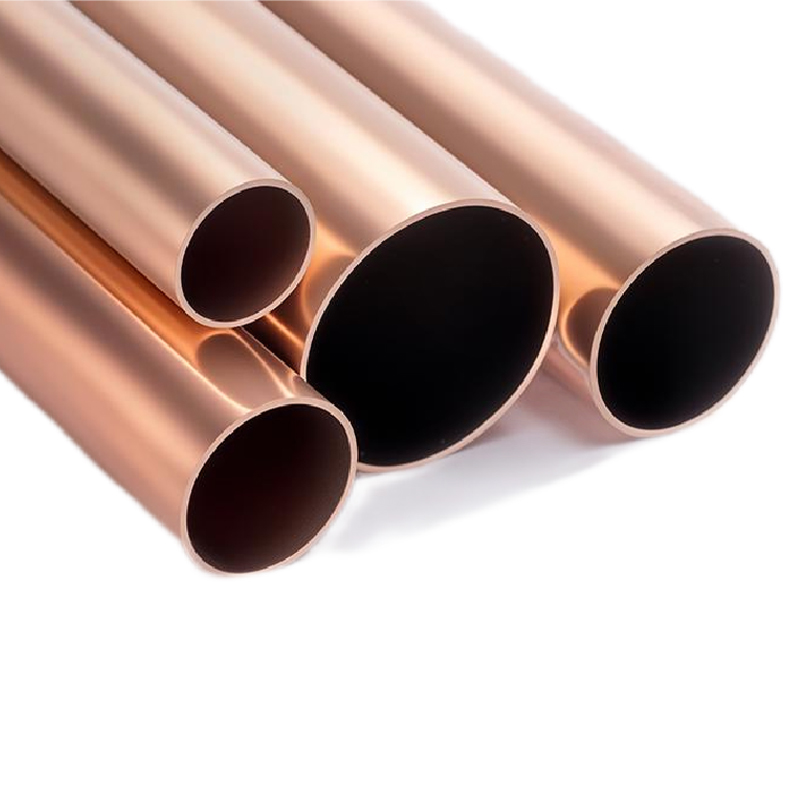
The Copper Water Tube produced by our company is a high-performance copper tube suitable for hot and cold water systems and heating applications. It h...
See Details
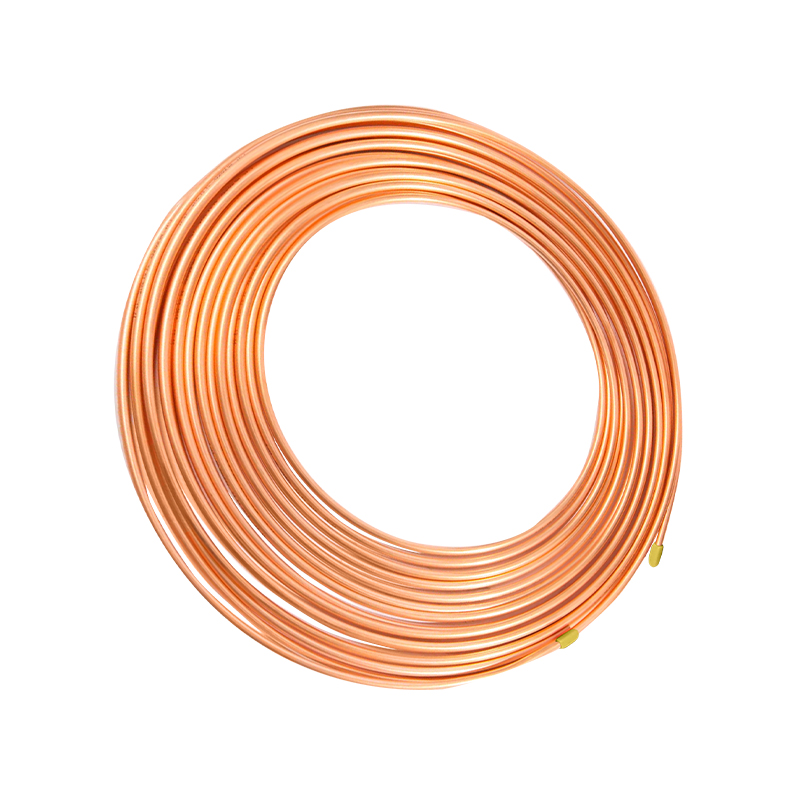
Copper capillary tube is usually manufactured by precision machining, and its dimensional accuracy can reach one thousandth of an inch. This ultra-hig...
See Details
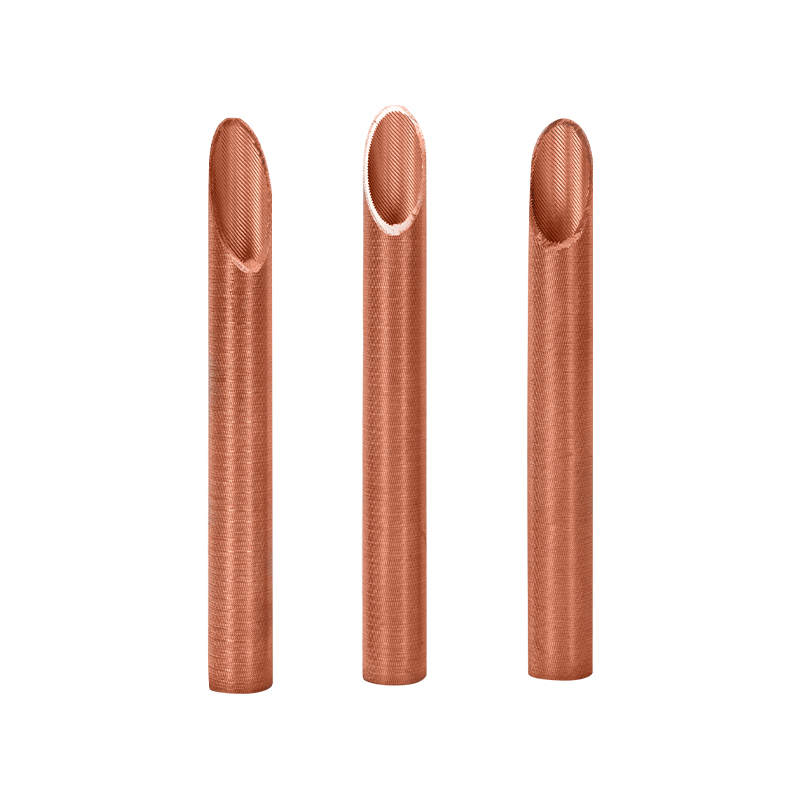
The copper evaporator tube adopts a unique fin design, and the external fins are equipped with specially designed interconnected channels, so that eac...
See Details
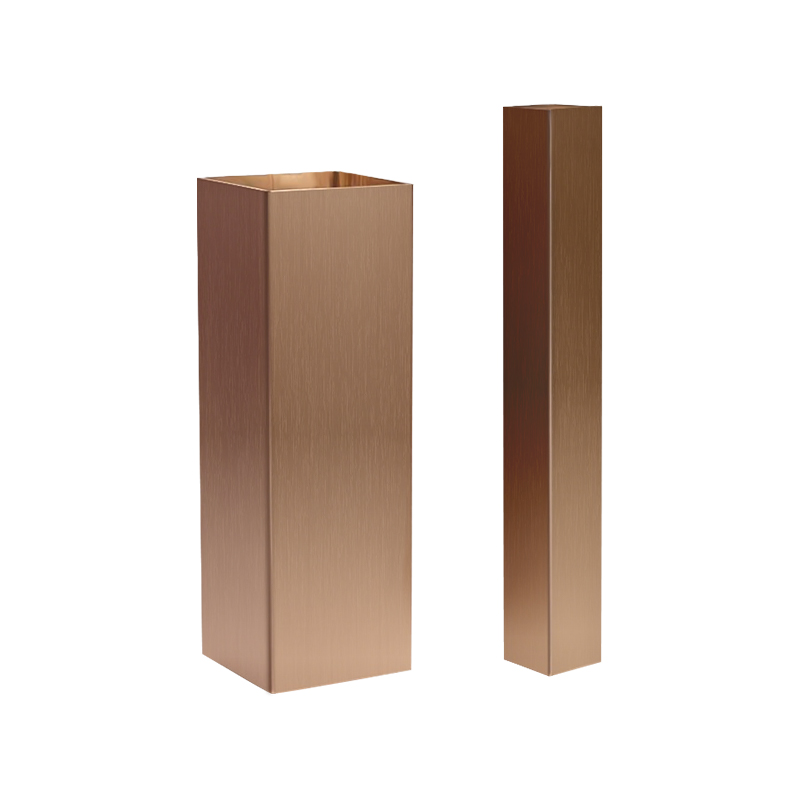
Copper square tube is a metal tube with a hollow square cross-section. It is made of high-purity copper or copper alloy materials through multiple pre...
See Details
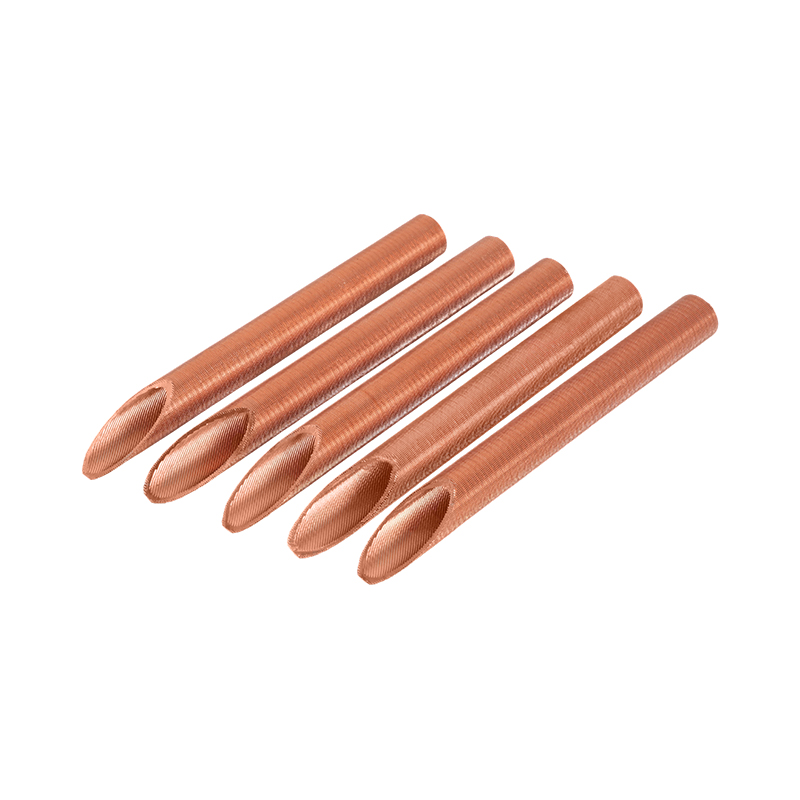
The condenser copper tube adopts a proprietary design independently developed by the company, and the ends of the fins are provided with radial and ax...
See Details