 English
 Español
 中文
News
Home / News / Industry News / Cast Iron vs Copper Pipes: Practical Material Guide for Plumbing and Industry
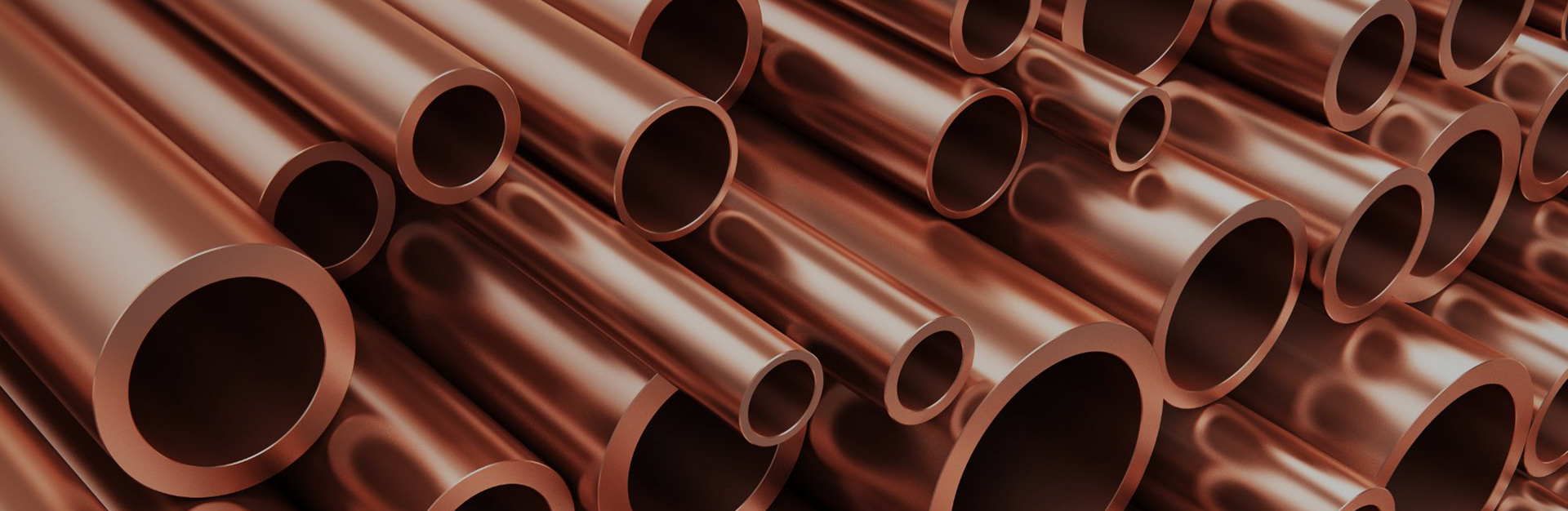
Cast iron and copper pipes share a long history in buildings, but they are not interchangeable. One is a heavyweight drainage material with roots in soil, waste, and vent systems; the other is a light, highly conductive tube used for drinking water, HVAC, heat exchange, and precision equipment. The right choice depends on service conditions, installation method, and expected service life.
This guide compares them from a practical, specification-minded angle: corrosion behavior, installation demands, cost patterns, and the applications where each material earns its place.
In plumbing, cast iron is usually chosen for gravity drainage and venting, especially in commercial, institutional, and multi-story buildings. Copper is more often chosen for pressurized water, hot-water circulation, refrigerant lines, and heat-transfer equipment. That split is not arbitrary. Cast iron offers mass, compressive strength, and noise damping. Copper offers corrosion resistance in many water conditions, low weight, reliable joining, and excellent thermal and electrical conductivity.
If someone asks which is “better,” the honest answer is that the question is incomplete. A cast iron soil pipe and a copper water tube are built for different service conditions. Comparing them without defining the application can lead to the wrong specification, the wrong installed cost, or both.
Cast iron pipe is dense and rigid. In drainage service, that density helps reduce the sound of flowing water and waste, which is a real advantage in hotels, hospitals, schools, and residential buildings where plumbing noise matters. It also has good compressive strength and performs well below grade where soil pressure and traffic loads are concerns. The weak point is corrosion. Cast iron can rust and scale over time, particularly when exposed to aggressive water, acid waste, or damaged coatings. Installation also requires more planning because of the weight, support needs, and structural coordination.
Copper pipe is comparatively light, ductile, and easy to route through tight spaces. It can be joined by soldering, brazing, or press fittings, depending on the system and local code. In potable-water service, copper has a long track record, and its smooth bore resists biofilm buildup better than many rougher materials. In HVAC and refrigeration, copper’s thermal conductivity and formability make it a natural choice for line sets, condenser and evaporator coils, and heat exchangers. Copper is not immune to failure, however. Aggressive water, excessive flux, poor soldering, vibration, and external contact with incompatible materials can all cause problems.
For projects that need a reliable copper water tube with familiar sizing and joining conventions, our copper water tube range is a practical starting point.
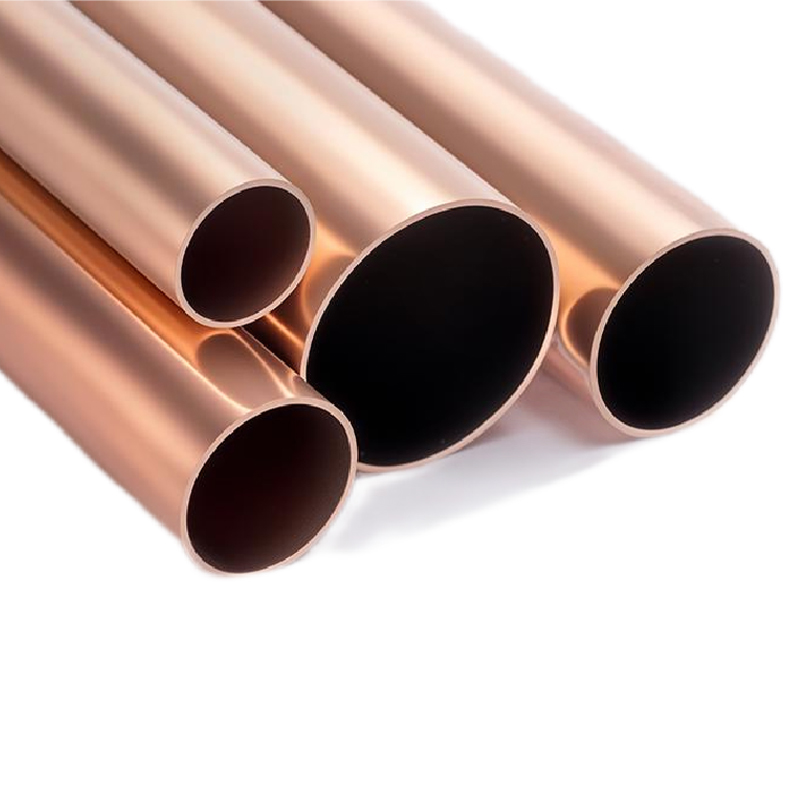 Copper Water Tube for Potable and HVAC SystemsA practical starting point for hot and cold water, heating, potable water and HVAC piping, with 6–54 mm diameters and annealed or hard temper options.View Product →
| Property | Cast Iron Pipe | Copper Pipe |
|---|---|---|
| Main use | Drainage, waste, vent, some industrial service | Potable water, HVAC, heat transfer, medical gas, electrical |
| Weight | Heavy; needs more support and handling labor | Light; easier to handle and route |
| Corrosion behavior | Can rust and scale; coatings and linings help | Generally resistant in many waters; aggressive water can still attack it |
| Noise control | Good acoustic damping due to mass | Lighter and more likely to transmit flow noise unless isolated |
| Thermal conductivity | Low relative to copper | Very high; valuable in heat exchange |
| Joining | Mechanical couplings, hub joints, restrained joints | Soldering, brazing, press fittings, flared connections |
| Best-fit applications | Soil and waste drainage, vent stacks, buried drainage | Water lines, refrigerant lines, coils, heat exchangers, medical gas |
The table points to a simple conclusion: cast iron wins where mass, drainage, and acoustic performance matter; copper wins where conductivity, clean water service, and lightweight routing matter.
Cast iron remains a credible choice for sanitary drainage in commercial buildings, hospitals, schools, airports, and multi-story residential projects. Its weight helps control noise from waste flow, and its compressive strength is useful in buried lines and areas subject to loading. In many jurisdictions, cast iron drainage also carries a strong fire-resistance reputation because the material does not burn and can help maintain compartment integrity when properly installed.
The catch is that cast iron is not a “fit and forget” material. Internal corrosion, scale buildup, coating damage, and joint integrity all need attention. If the drainage is aggressive or the building has long service-life expectations, the specification should include the right lining, coating, and support details from the start.
Copper is at its best when the job calls for clean water service, heat transfer, or compact routing. Potable-water distribution, hot-water circulation, HVAC refrigerant lines, condenser and evaporator tubes, solar thermal systems, medical gas lines, and automotive fluid lines all rely on copper for different reasons. In drinking-water systems, copper’s smooth interior and established joining methods support reliable long-term service when the water is compatible. In heat exchange, copper’s thermal conductivity is difficult to match with cast iron.
Copper also gives designers more freedom in tight mechanical rooms and retrofit work. The tube can be bent, cut, and joined with relatively small tools, and it takes up less structural space than a comparable cast iron drainage line. For projects moving toward prefabrication, copper assemblies can be fabricated off-site and installed with fewer field joints.
For plumbing and water-distribution projects, it helps to review a coordinated range of plumbing copper solutions rather than pick a single tube size in isolation. Where water quality is uncertain or corrosion resistance is a priority, corrosion-resistant copper tube options are worth comparing before the specification is locked.
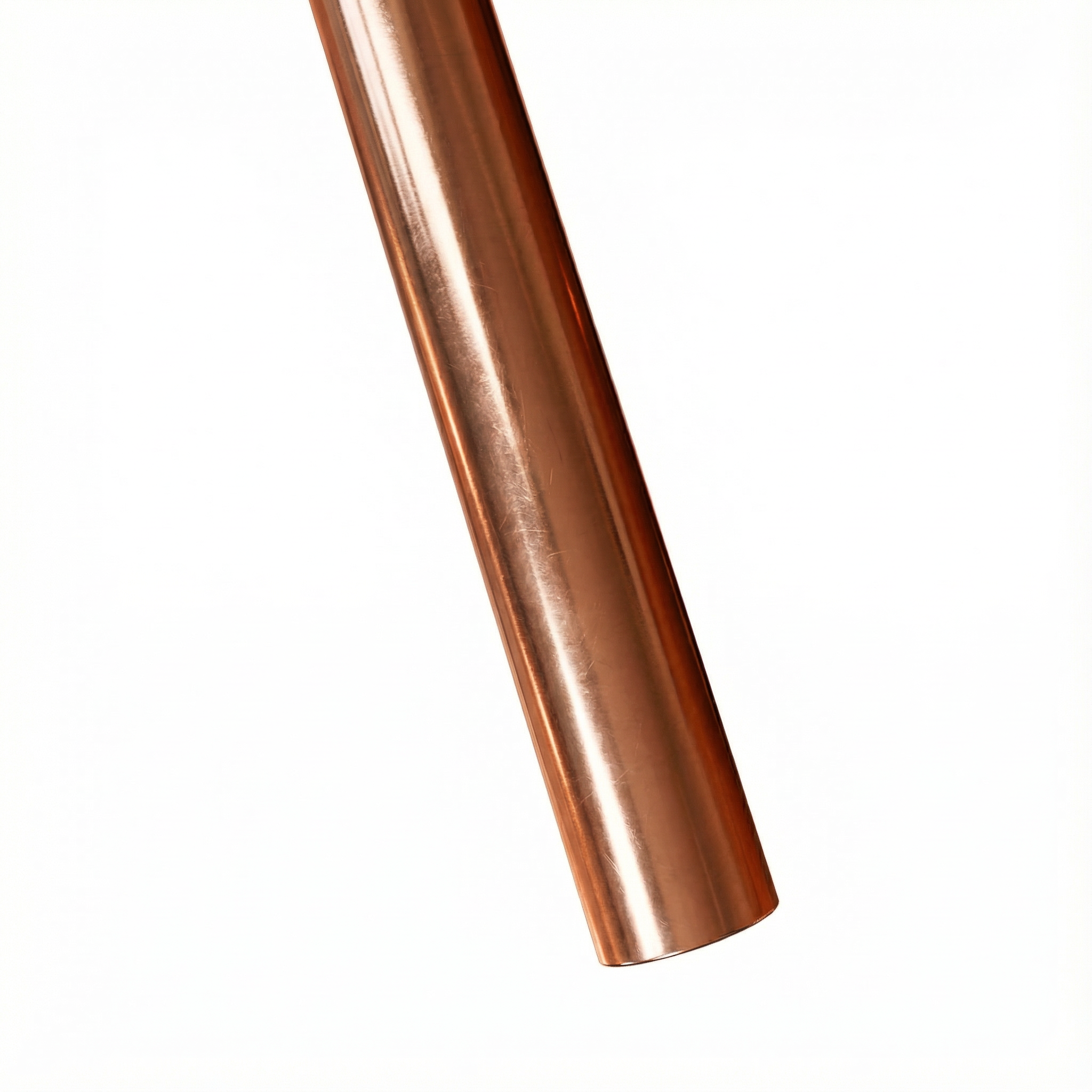 TP1 and TP2 Corrosion-Resistant Copper TubeCompare this TP1/TP2 phosphorus deoxidized tube for plumbing and water distribution where corrosion resistance matters, including refrigeration, HVAC and heat-exchanger piping.View Product →
Material price is only one part of the cost story. Cast iron usually costs more in handling and support because of its weight, and installation may need more coordination, lifting equipment, and structural planning. Copper often has a higher material price than plastic alternatives, but its installed cost can be competitive because it is light, easy to route, and fast to join with press or soldering methods. The real comparison should include labor, fittings, supports, firestopping, access, and expected service life.
Both materials can last for decades, but neither lasts forever under every condition. Cast iron drainage may suffer from internal corrosion or external rust if coatings fail. Copper water tube may fail from aggressive water, poor workmanship, vibration, or external corrosion. A fair lifespan comparison therefore starts with water chemistry, operating temperature and pressure, installation quality, and maintenance access. It also depends on the grade and wall thickness selected, not just the material name.
Cast iron joining methods vary by system and may involve mechanical couplings, restrained joints, or traditional hub details. Copper joining demands clean tube ends, correct flux, controlled heat, and suitable fitting selection. Press fittings reduce open-flame risk, but they still require the right tool, calibration, and insertion depth. In both cases, inspection matters more than marketing claims. Pressure testing, drainage testing, support checks, and documentation should be part of the closeout process.
Before choosing between cast iron and copper, run through the actual service conditions rather than comparing generic product descriptions.
This checklist usually resolves the cast iron versus copper question quickly. If the pipe is carrying gravity-fed sanitary drainage and noise control is important, cast iron deserves serious consideration. If the pipe is carrying pressurized water, refrigerant, or heat-transfer fluid, copper is usually the more natural fit.
Cast iron and copper pipes both have earned their place in building services. Cast iron brings mass, drainage strength, and acoustic performance. Copper brings corrosion resistance in suitable waters, light weight, dependable joining, and outstanding thermal conductivity. The right specification uses each material where its strengths line up with the service conditions, rather than treating one as a universal replacement for the other.
In our own copper tube work, we have seen how much performance depends on the details behind the material name: alloy, wall thickness, temper, surface condition, and the joining method used in the field. That is why a careful comparison is more useful than a simple “cast iron versus copper” verdict. Choose the material for the duty, verify the standard, and inspect the installation. That approach will serve the building far better than a slogan on a product brochure.
Copper Tube is made of high-purity copper material with a copper content of not less than 99.9%. The main material codes are T11050 and C12200(DHP), a...
See Details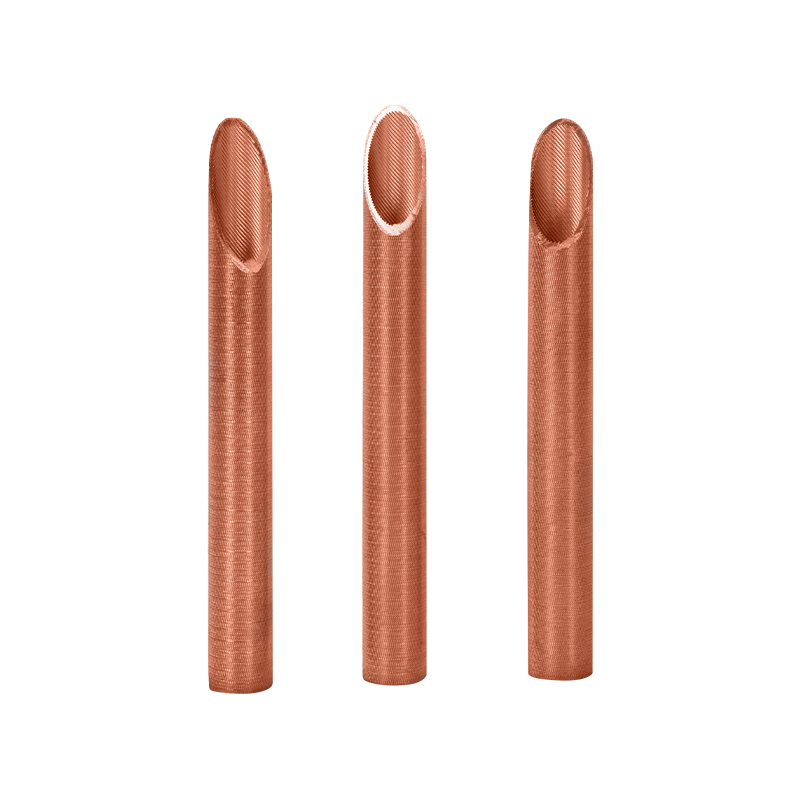
The copper evaporator tube adopts a unique fin design, and the external fins are equipped with specially designed interconnected channels, so that eac...
See Details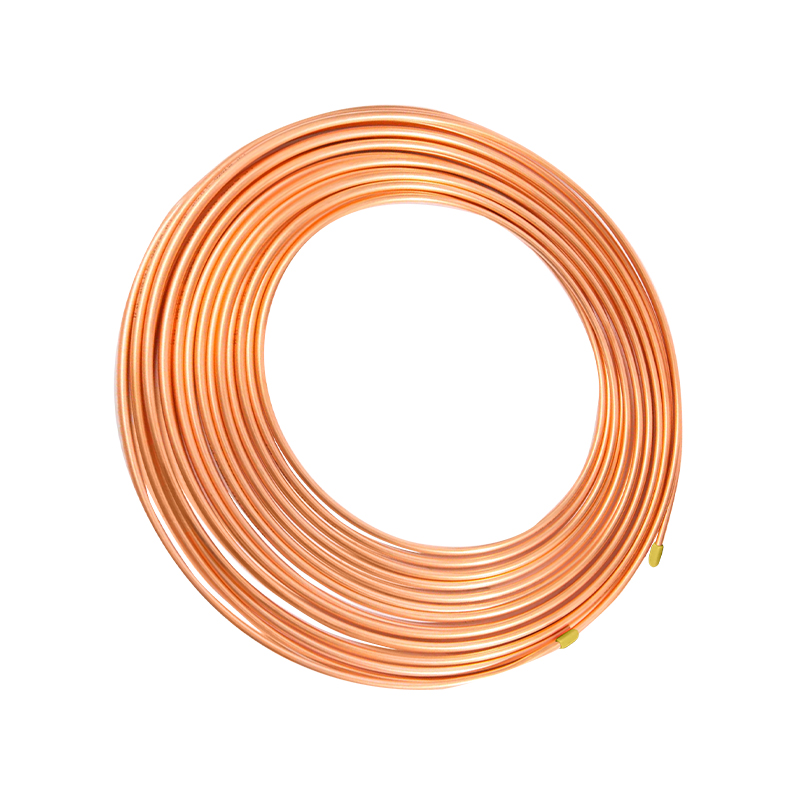
Copper capillary tube is usually manufactured by precision machining, and its dimensional accuracy can reach one thousandth of an inch. This ultra-hig...
See Details
The Copper Water Tube produced by our company is a high-performance copper tube suitable for hot and cold water systems and heating applications. It h...
See Details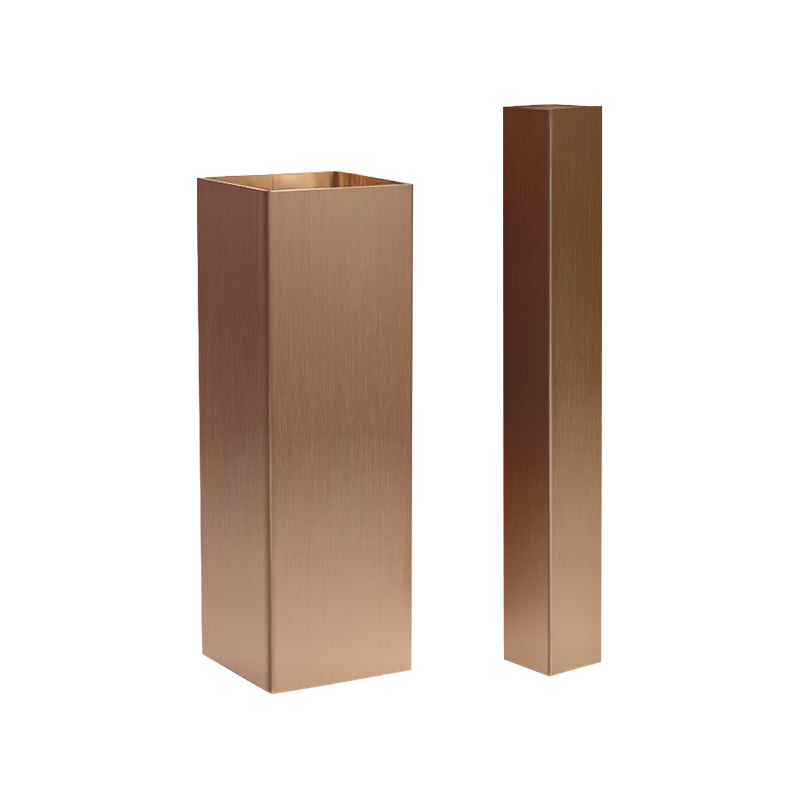
Copper square tube is a metal tube with a hollow square cross-section. It is made of high-purity copper or copper alloy materials through multiple pre...
See Details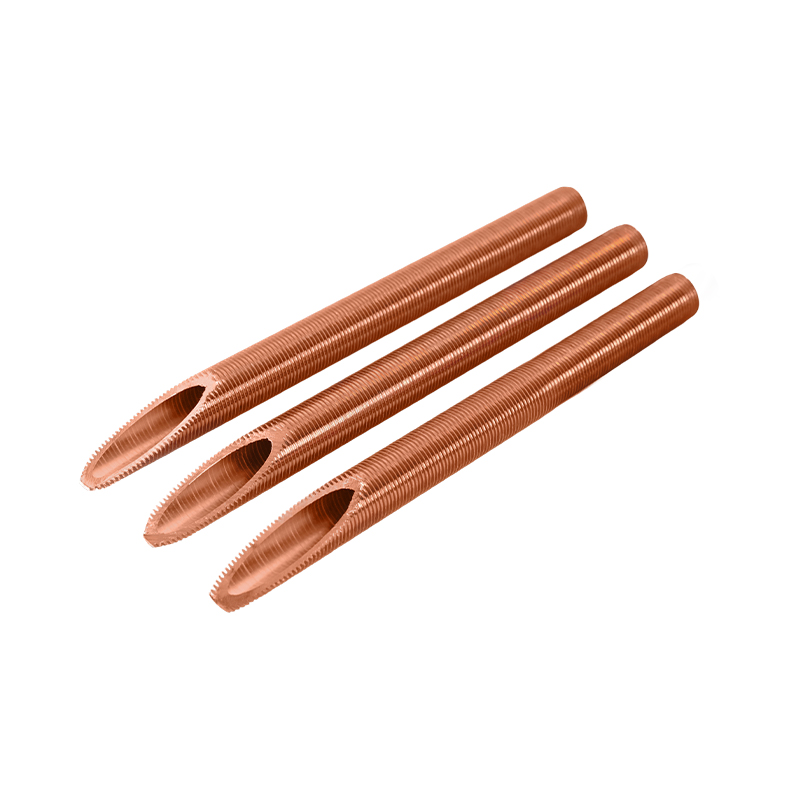
Fin copper tube is a highly efficient heat exchange element. Its structural feature is that uniform fins are formed on the outer wall of the copper tu...
See Details
 Tangpu Industrial Zone, Shangyu District, Shaoxing City, Zhejiang Province, China
 +86-13567501345
© Zhejiang Jingliang Copper-Tube Products Co., Ltd All rights reserved.

