The right choice between a brass tube factory and a copper tube factory depends on three factors: alloy performance for your application, verifiable certifications (ISO 9001, ASTM B135/B88, RoHS), and consistent dimensional tolerance across production batches. A factory that controls all three — and can document them with mill test certificates — is worth a premium of 5-10% over a cheaper, unverified supplier. The sections below break down how to evaluate these factors with concrete specifications and benchmarks.
A reliable factory is defined less by marketing claims and more by traceable process control. The most important indicators are raw material sourcing (virgin ingot vs. recycled scrap blends), in-house extrusion and drawing capability rather than outsourced subcontracting, and a documented quality management system.
Factories lacking any one of these typically show inconsistent wall thickness or surface oxidation issues after the third or fourth production run, even if the first sample passes inspection.
Brass and copper tubes are not interchangeable despite both being copper-based alloys. Copper tube (typically C12200, phosphorus-deoxidized) is chosen for high thermal conductivity and corrosion resistance in wet environments. Brass tube (commonly C26000 or C28000) is chosen for higher mechanical strength, machinability, and lower material cost where extreme conductivity is not required.
| Property | Copper Tube (C12200) | Brass Tube (C26000) |
|---|---|---|
| Thermal Conductivity | ~391 W/m·K | ~115 W/m·K |
| Tensile Strength | 220-250 MPa | 330-370 MPa |
| Corrosion Resistance | Excellent in water/refrigerant | Good, lower in saltwater |
| Typical Applications | HVAC, plumbing, heat exchangers | Fittings, instruments, decorative parts |
| Relative Material Cost | Higher (LME copper-linked) | 10-20% lower than pure copper |
For refrigeration and potable water lines, copper tube remains the industry default because of its proven hygiene and conductivity profile. For structural fittings, valve bodies, and decorative tubing, brass is the more cost-efficient choice.
Both brass and copper tubes follow a similar production sequence, though temperatures and die designs differ by alloy. Understanding this sequence helps buyers ask informed questions during a factory audit.
A factory that skips intermediate annealing to save time will produce tubes that crack during bending or flaring at the job site. Asking for the annealing schedule and the number of draw passes is one of the fastest ways to assess whether a supplier is cutting corners.
Certifications are only useful if they map to the standard your application actually requires. Many buyers accept a generic "ISO certified" claim without checking which product standard governs their specific tube dimensions.
| Standard | Applies To | Key Requirement |
|---|---|---|
| ASTM B88 | Seamless copper water tube | Wall thickness and pressure rating |
| ASTM B135 | Seamless brass tube | Alloy composition and tensile strength |
| EN 12449 | Copper alloy round tubes (EU) | Dimensional tolerance classes |
| RoHS / REACH | All alloys for EU import | Lead and hazardous substance limits |
Always request the mill test certificate (MTC) tied to the specific production lot, not a generic certificate from a previous order. A genuine MTC lists heat number, chemical composition, and mechanical test results.
Dimensional mismatches are the most common cause of rejected shipments. Confirm the following specifications in writing before production begins, not after the first batch arrives.
| Specification | Standard Tolerance |
|---|---|
| Outer Diameter (OD) | ±0.025mm to ±0.10mm |
| Wall Thickness | ±10% of nominal |
| Straightness | ≤1mm per meter of length |
| Temper | Annealed (soft) or hard-drawn, per drawing |
Tubes outside these tolerances often fail at the flaring or brazing stage, which is why specification sign-off should happen before tooling is set, not after sample approval.
Demand for both tube types spans several sectors, each with distinct dimensional and alloy requirements.
Pricing from any brass tube factory or copper tube factory is rarely fixed — it is tied to the daily LME price of copper and zinc, plus a processing premium. For standard alloys and stock dimensions, expect a minimum order quantity (MOQ) of 500-1,000kg, with custom alloys or non-standard diameters often requiring 2,000-3,000kg.
Lead times typically run 15-20 days for stock sizes already tooled at the factory, and 30-45 days for custom dimensions requiring new die fabrication. Any quote significantly below these timelines on a custom order is a sign the factory may be subcontracting production, which adds risk to quality consistency.
Certain patterns during negotiation reliably predict quality or delivery problems later in the relationship.
Running a small trial order before committing to a full container is the most reliable way to confirm that a brass tube factory or copper tube factory can replicate sample quality at production scale.
Content
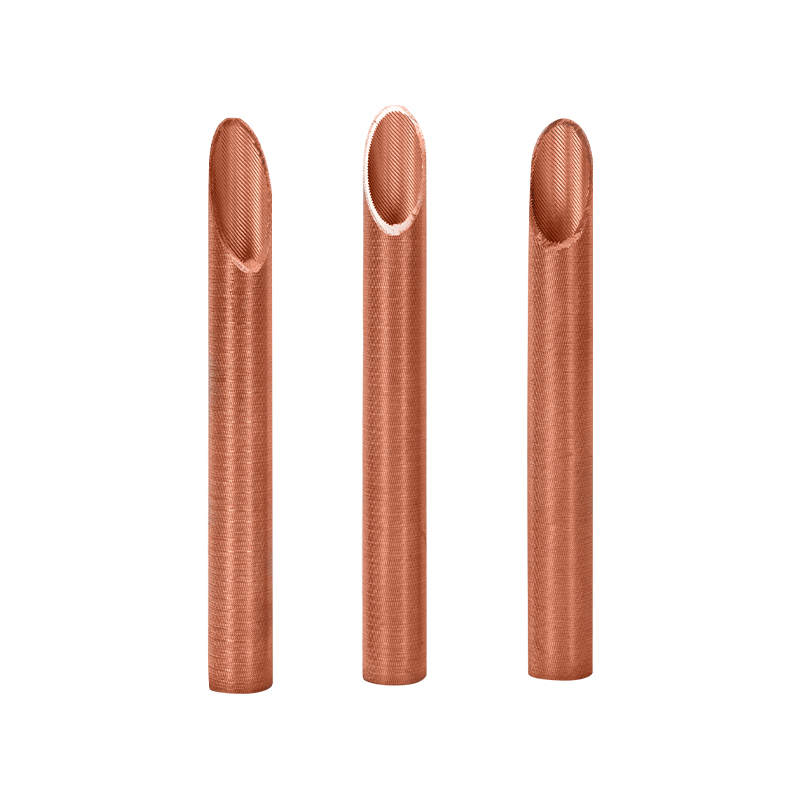
The copper evaporator tube adopts a unique fin design, and the external fins are equipped with specially designed interconnected channels, so that eac...
See Details
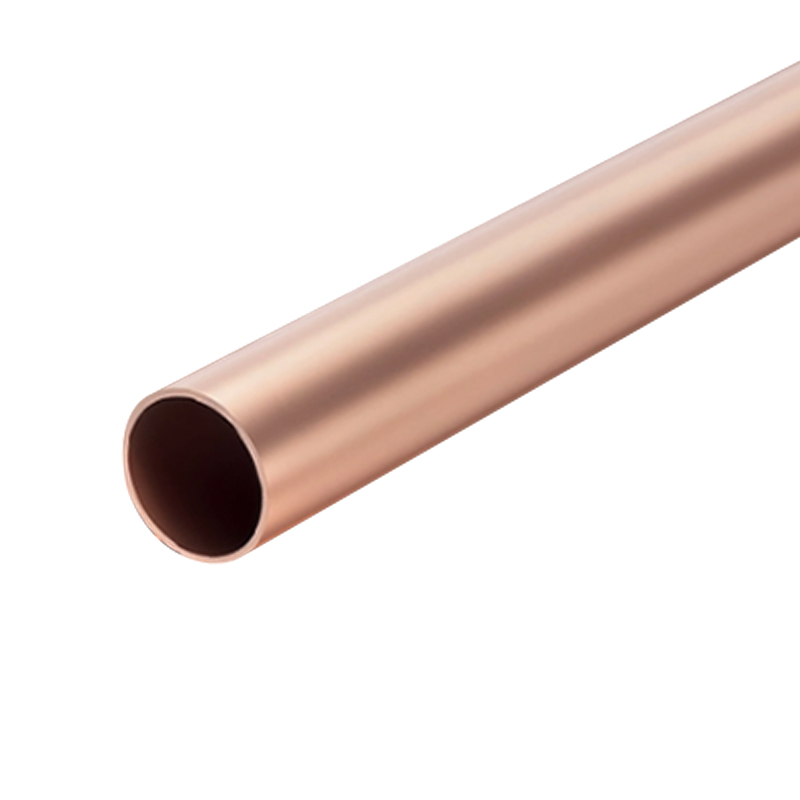
Copper Tube is made of high-purity copper material with a copper content of not less than 99.9%. The main material codes are T11050 and C12200(DHP), a...
See Details
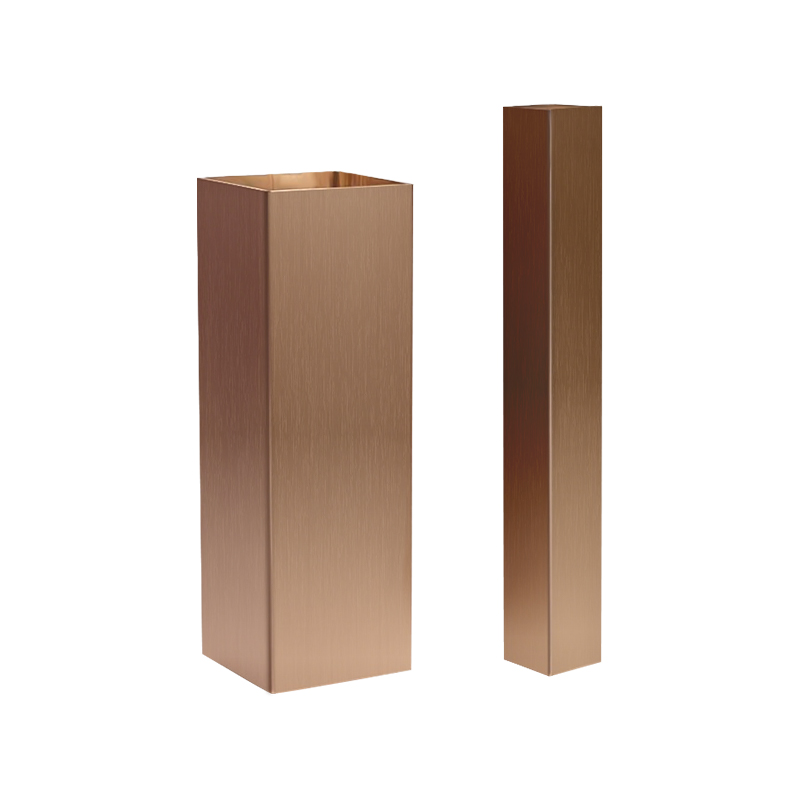
Copper square tube is a metal tube with a hollow square cross-section. It is made of high-purity copper or copper alloy materials through multiple pre...
See Details
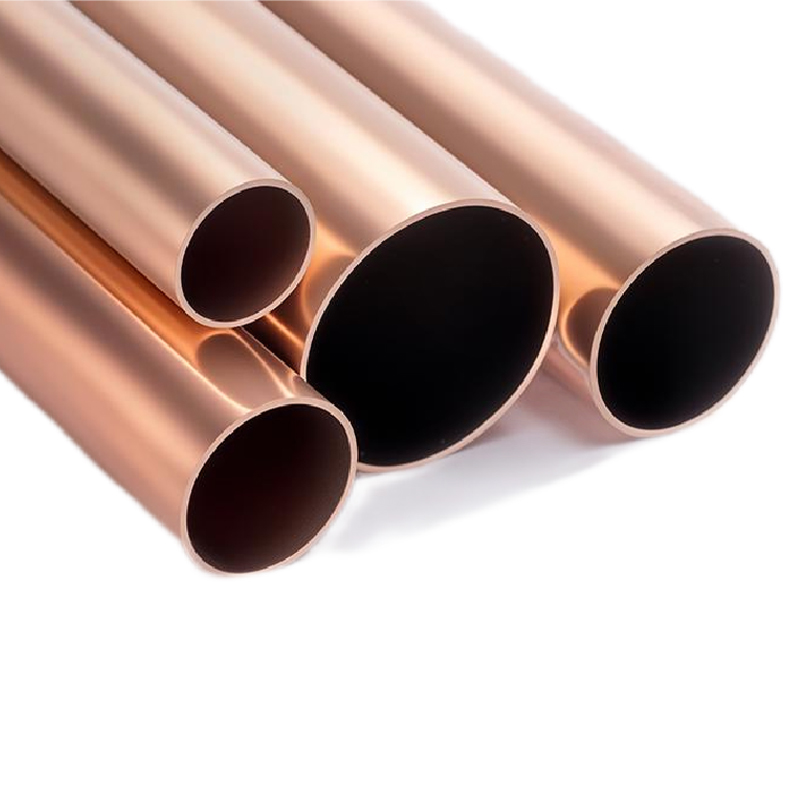
The Copper Water Tube produced by our company is a high-performance copper tube suitable for hot and cold water systems and heating applications. It h...
See Details
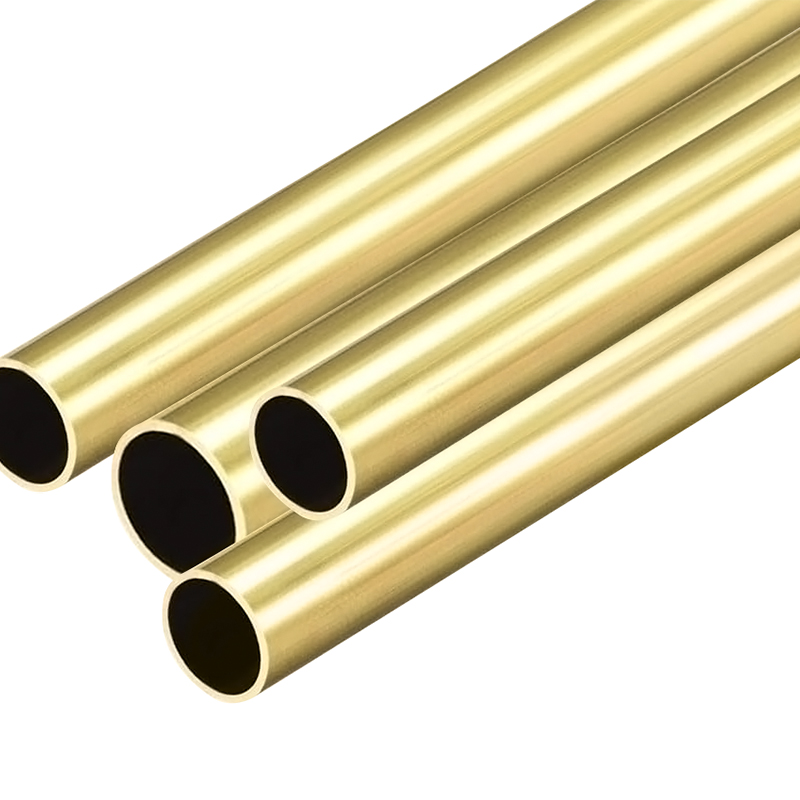
Brass is an alloy of copper and zinc. It has good processing and mechanical properties, so it is widely used in the manufacture of tubes.Because it ha...
See Details
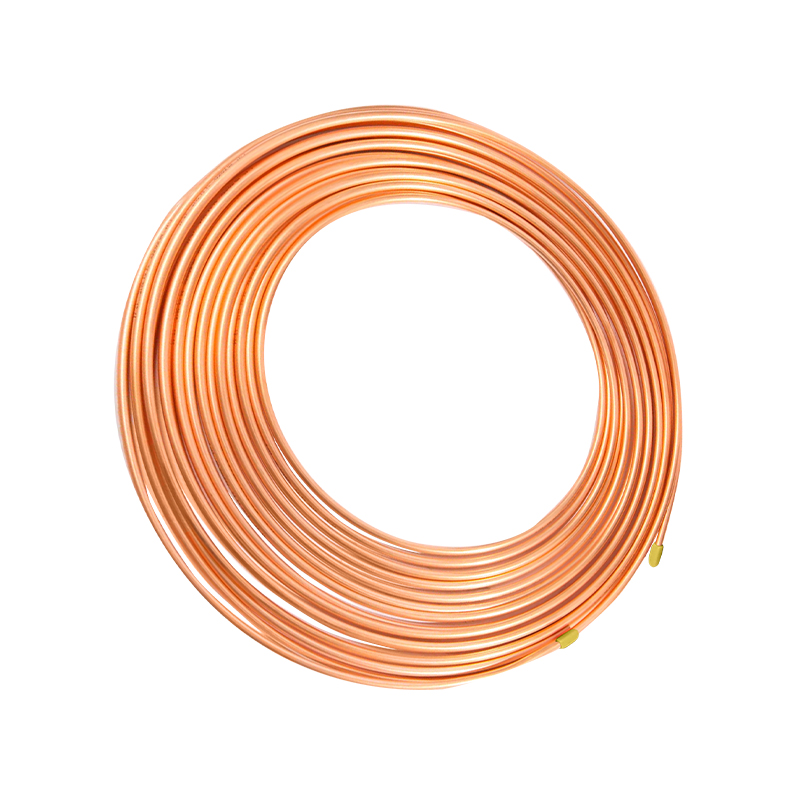
Copper capillary tube is usually manufactured by precision machining, and its dimensional accuracy can reach one thousandth of an inch. This ultra-hig...
See Details