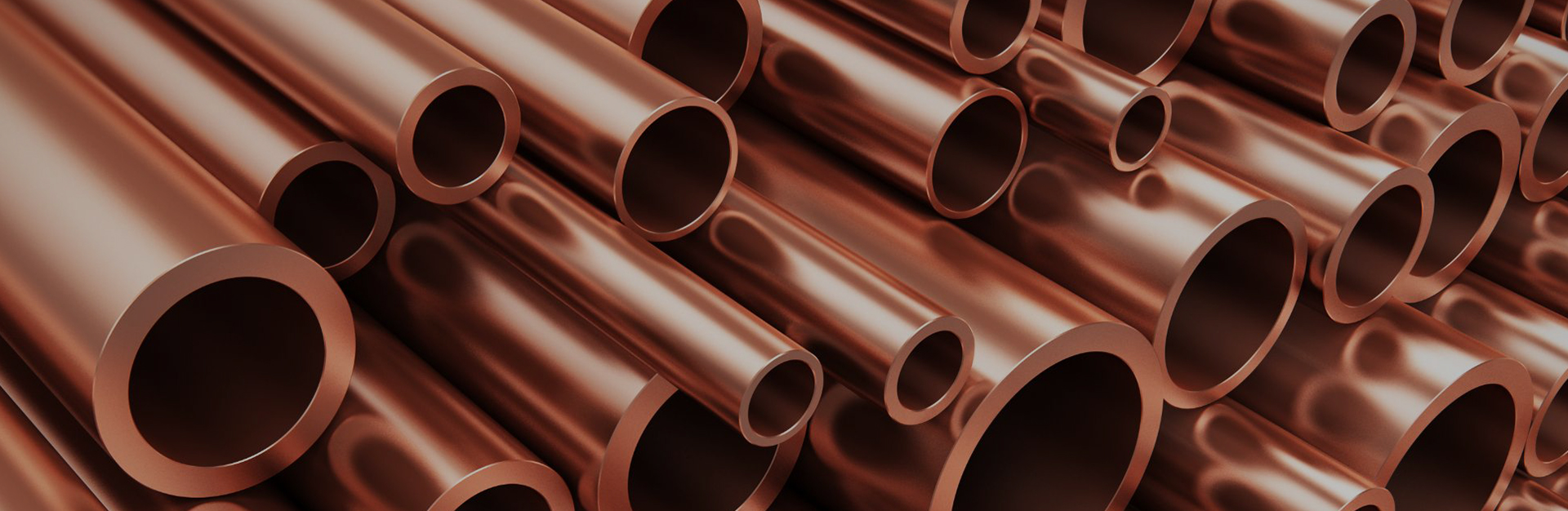
A silver copper tube is a copper tube whose surface has been electroplated with a thin layer of pure silver, typically 1 to 25 microns thick. The copper core still provides most of the mechanical strength and bulk conductivity, while the silver layer protects the surface from oxidation, lowers contact resistance, and improves solderability. It is not a silver-copper alloy tube. The silver exists only as a surface coating over a high-purity copper substrate, most commonly C11000 (ETP) or oxygen-free C10200 copper, known as T2 or TU1 grade under Chinese standards.
Manufacturers add the silver coating because bare copper reacts with air and forms cupric oxide, a poor conductor that gradually raises contact resistance over time. Silver also oxidizes, but silver oxide stays far more conductive than copper oxide, which is why a properly plated silver copper tube keeps its electrical performance stable for years instead of degrading the way bare copper tends to.
Silver has the highest electrical conductivity of any metal, around 63 MS/m, roughly 5 to 8 percent higher than annealed copper's IACS reference value of 58 MS/m (100% IACS). That gap looks modest on paper, but it matters more than the numbers suggest because of the skin effect: at higher frequencies, current concentrates in the outer few microns of a conductor, so a thin silver layer can carry the majority of the signal while the copper core beneath it does very little of the work. This is why silver copper tube performs disproportionately well in RF, microwave, and switching applications relative to how thin the plating actually is.
| Property | Bare Copper Tube | Silver-Plated Copper Tube |
|---|---|---|
| Surface conductivity over time | Declines as oxide builds up | Stays consistently high |
| Contact resistance | Rises with oxidation | Remains low and stable |
| Solderability | Needs stronger flux | Excellent, minimal flux needed |
| Best-suited use | Plumbing, HVAC, structural work | Electrical contacts, RF/microwave, switchgear |
| Relative unit cost | Baseline | 10 to 40 percent higher |
Because it combines copper's strength and formability with silver's surface conductivity, silver copper tube shows up wherever a stable, low-resistance contact matters more than raw material cost. Common applications include:
Vacuum interrupters illustrate why the coating earns its cost: the contacts inside a sealed chamber open and close thousands of times over the equipment's service life, and any rise in contact resistance shows up directly as heat and energy loss. A properly plated silver copper tube keeps that resistance low switch after switch, which is why most breaker manufacturers specify silver-plated contacts rather than bare copper.
Two specifications drive most of the performance and cost of a silver copper tube: the purity of the copper substrate and the thickness of the silver layer. Reputable factories test both on every batch and reference them against recognized standards such as ASTM B298 for silver coatings on copper conductors and MIL-DTL-45204 for silver electroplating.
| Plating Class | Typical Thickness | Typical Use |
|---|---|---|
| Flash / light | 1 to 2 microns | Anti-tarnish finish, low-current signal contacts |
| Standard | 3 to 8 microns | General connectors, general electrical contacts |
| Heavy-duty | 8 to 15 microns | Bus tube, switchgear contacts, moderate current |
| Extra heavy | 15 to 25+ microns | Vacuum interrupters, high-current contacts |
On the copper side, oxygen-free copper (C10200, or TU1/TU2 under Chinese standards) is generally the better substrate for plating because it contains fewer internal oxide inclusions than tough-pitch copper, which translates into better long-term plating adhesion. Tube dimensions are normally custom-ordered, with outer diameters commonly ranging from about 3mm to 60mm and wall thickness from 0.3mm to 3mm, though a capable copper tube factory can typically draw tube outside that range on request.
The production sequence at a copper tube factory follows a consistent order, and skipping or rushing any step is usually where quality problems start:
The cleaning and pickling step is easy to underestimate but has an outsized effect on quality. Even microscopic grease or oxide residue left on the copper surface before plating will cause the silver layer to blister or peel later, so surface preparation is one of the clearest indicators of a factory's process discipline.
Silver copper tube is a precision product, so the factory you choose matters as much as the specification you write. Before placing a bulk order, check the following:
| What to Check | Why It Matters |
|---|---|
| ISO 9001 certification | Confirms a documented quality management system, not just a claim |
| RoHS / REACH documentation | Required for most electronics exports into the EU and similar markets |
| In-house testing lab | Lets the factory catch thickness or adhesion problems before shipment |
| Mill test certificate per batch | Gives you traceable proof of copper purity and plating thickness |
| Sample availability | Lets you verify conductivity and adhesion before committing to volume |
| Customization range | Confirms the factory can match your exact diameter, temper, and plating spec |
A useful shortcut is to ask a prospective copper tube factory to walk you through how they test plating thickness and adhesion, rather than simply asking whether they test it. A factory that can name its test methods and standards without hesitation is almost always the one running them consistently.
A batch of silver copper tube can look identical to the eye and still perform very differently in service. The tests below catch the differences that matter:
| Test | What It Measures | Typical Method |
|---|---|---|
| Plating thickness | Silver layer thickness in microns | XRF coating thickness gauge |
| Adhesion | Bond strength between silver and copper | Bend and tape test, e.g. ASTM B571 |
| Conductivity | Electrical performance | Four-point probe or micro-ohmmeter |
| Corrosion resistance | Coating durability in harsh environments | Salt spray chamber, e.g. ASTM B117 |
| Porosity | Pinholes exposing bare copper | Ferroxyl or porosity test |
Four variables drive most of the price difference between silver copper tube quotes: the copper base price, the silver price combined with the plating thickness you specify, the tube's dimensions, and your order volume. Because silver is a precious metal, even a few extra microns of plating thickness can move the total cost noticeably at scale, so it is worth specifying the thinnest plating class that still meets your application's conductivity and durability needs rather than defaulting to the heaviest option.
In short, silver copper tube is bare copper tube upgraded with a thin, precisely controlled silver coating that keeps contact resistance low and stable over the product's service life. Its value shows up most clearly in electrical contacts, vacuum interrupters, and RF or microwave hardware, where a stable low-resistance surface matters more than raw material savings. Choosing the right copper tube factory ultimately comes down to verifiable certifications, a real in-house testing lab, and a willingness to hand over test data and samples before you commit to a bulk order.
Content
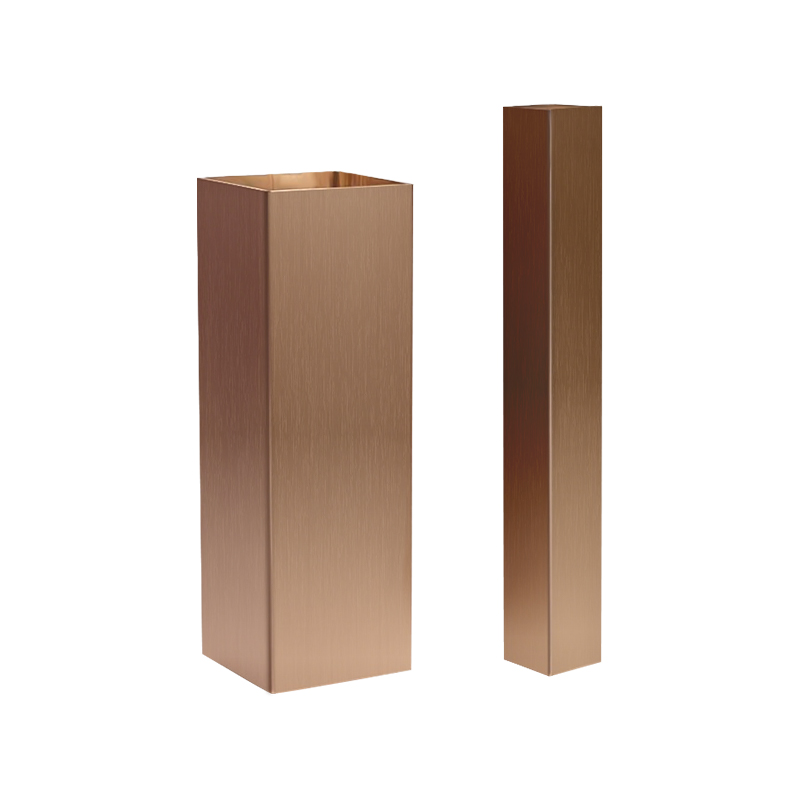
Copper square tube is a metal tube with a hollow square cross-section. It is made of high-purity copper or copper alloy materials through multiple pre...
See Details
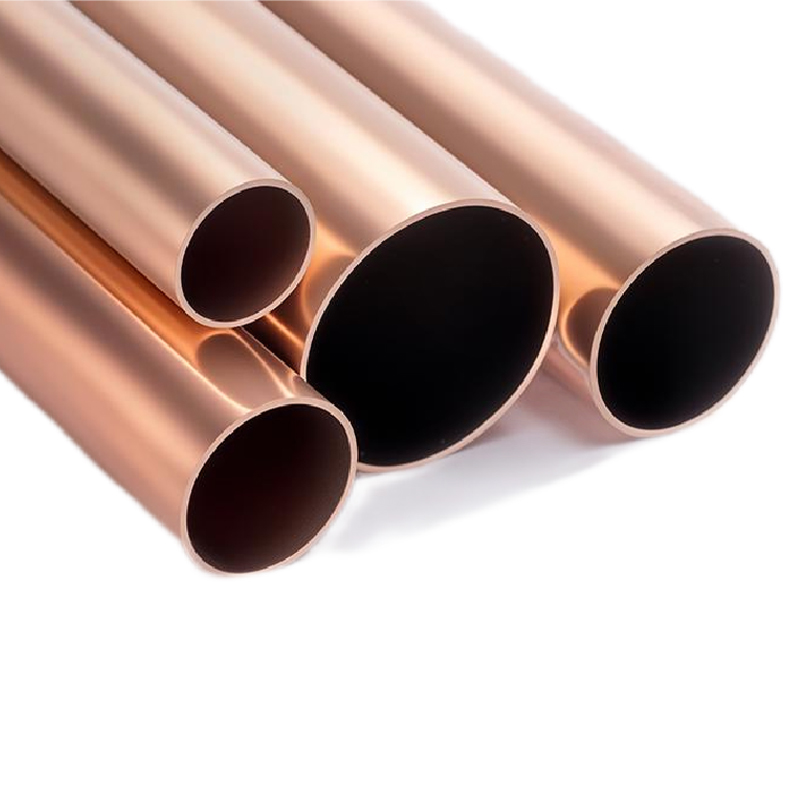
The Copper Water Tube produced by our company is a high-performance copper tube suitable for hot and cold water systems and heating applications. It h...
See Details
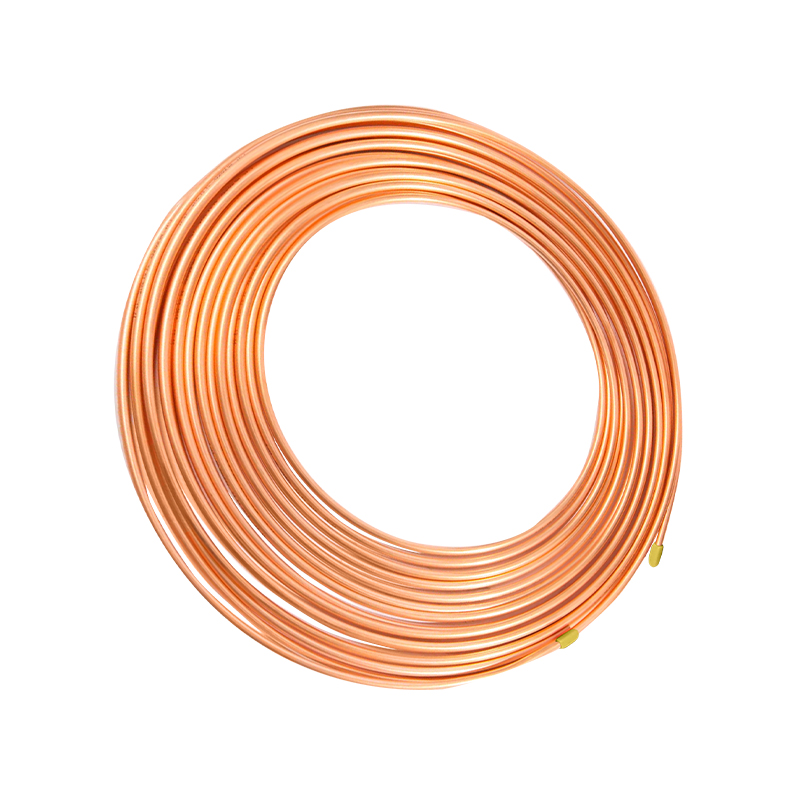
Copper capillary tube is usually manufactured by precision machining, and its dimensional accuracy can reach one thousandth of an inch. This ultra-hig...
See Details
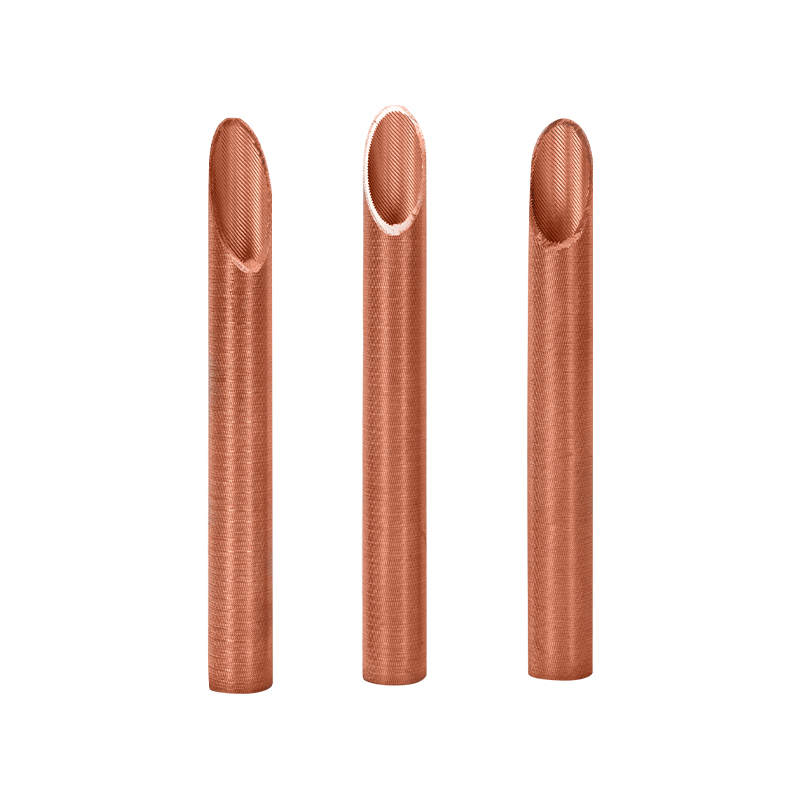
The copper evaporator tube adopts a unique fin design, and the external fins are equipped with specially designed interconnected channels, so that eac...
See Details
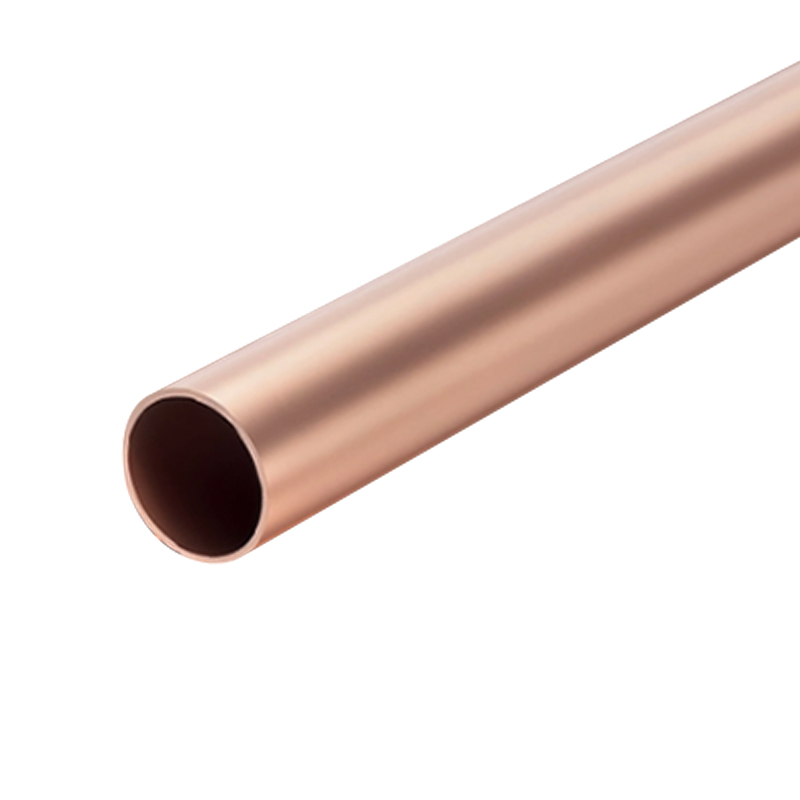
Copper Tube is made of high-purity copper material with a copper content of not less than 99.9%. The main material codes are T11050 and C12200(DHP), a...
See Details
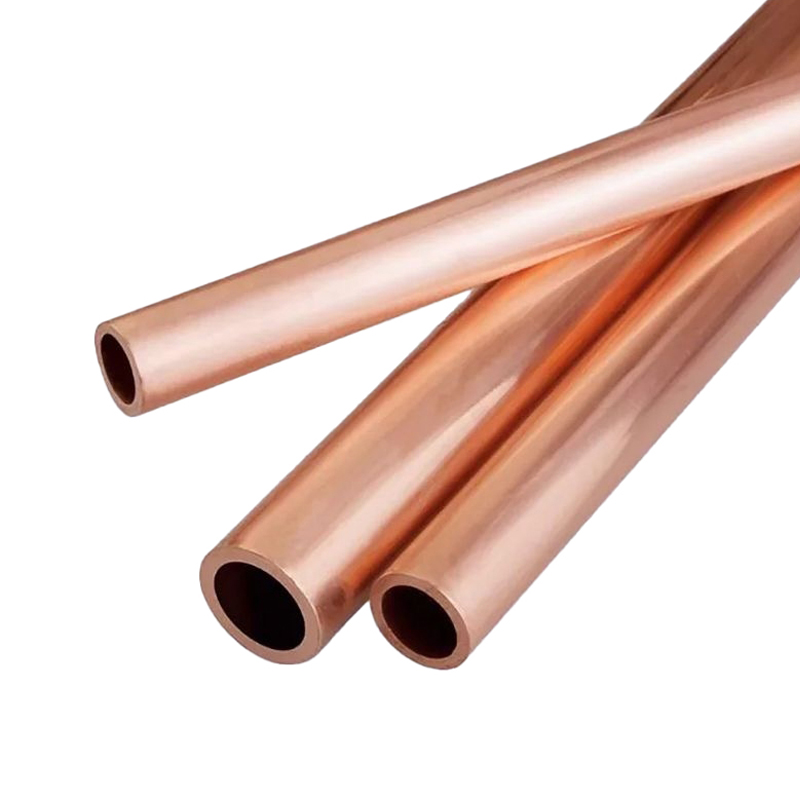
Thick-walled copper tubes are also called seamless thick-walled copper tubes. Thick-walled copper tubes are manufactured by a hot extrusion process, w...
See Details