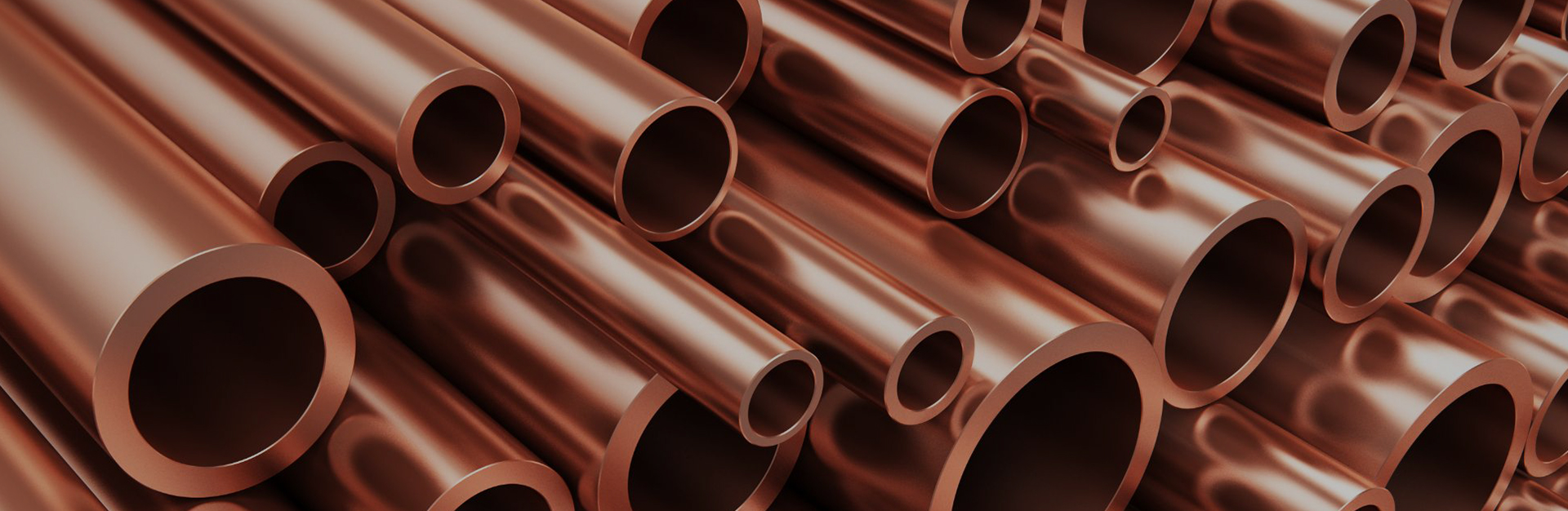
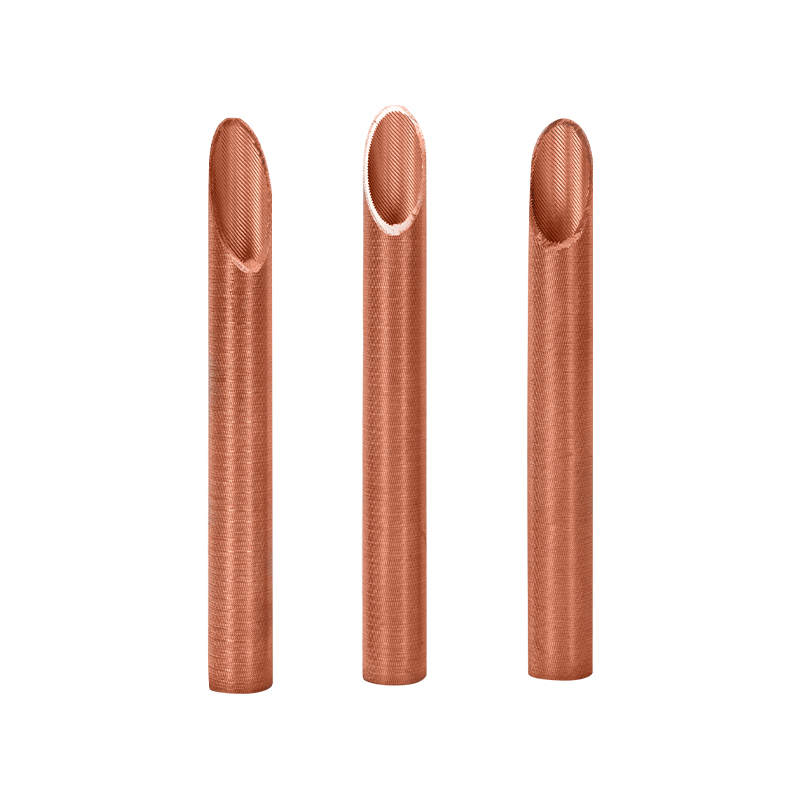
A copper evaporator tube is the coiled piping inside an air conditioner, refrigerator, or heat pump's evaporator coil that carries refrigerant as it absorbs heat from surrounding air, causing the refrigerant to change from liquid to gas. Copper is the dominant material choice for this application because of its exceptional thermal conductivity — roughly 401 W/m·K, about four times higher than aluminum's 237 W/m·K — which allows heat to transfer efficiently between the refrigerant inside the tube and the air passing over it. This efficiency directly affects system performance: a poorly conducting evaporator tube forces a compressor to work harder to achieve the same cooling output, increasing energy consumption over the equipment's lifespan.
This article explains how copper evaporator tubes function within a refrigeration cycle, the tube types and manufacturing methods used, common causes of failure, and what to look for when selecting or replacing evaporator coil tubing.
In a vapor-compression refrigeration system, liquid refrigerant enters the evaporator coil at low pressure and low temperature after passing through an expansion valve or capillary tube. As it flows through the copper evaporator tube, it absorbs heat from the air blown across the coil's fins, causing the refrigerant to boil and evaporate into a low-pressure gas.
This phase change is what actually removes heat from the air — the evaporation process itself absorbs significantly more heat than simply warming a gas would, which is why the evaporator coil is the component directly responsible for the cooling effect felt at a vent or inside a refrigerator cabinet. The now-gaseous refrigerant then travels to the compressor to begin the next stage of the cycle.
Several material properties make copper particularly well suited to evaporator applications:
Aluminum is sometimes used as a lower-cost alternative, particularly in mass-market residential air conditioners, but its lower thermal conductivity generally requires a larger surface area or thicker fin design to achieve comparable heat transfer, and it is more prone to certain corrosion patterns in humid environments.
| Property | Copper | Aluminum |
|---|---|---|
| Thermal Conductivity | ~401 W/m·K | ~237 W/m·K |
| Ductility for Coiling | Excellent | Good |
| Relative Material Cost | Higher | Lower |
| Joining Method | Soldering/brazing | Welding (specialized) |
| Common Failure Mode | Formicary (ant nest) corrosion | Galvanic and pitting corrosion |
The most basic tube design, featuring a plain internal surface. It is straightforward to manufacture and sufficient for lower-efficiency systems, but offers less internal surface area for refrigerant contact compared to enhanced designs.
These tubes feature spiral grooves machined into the inner wall, increasing internal surface area and promoting turbulent refrigerant flow. This enhancement can improve heat transfer efficiency by 20% or more compared to an equivalent smooth tube, which is why internally grooved copper tubing has become standard in most modern high-efficiency air conditioning and refrigeration coils.
Rather than modifying the tube's interior, this design attaches thin aluminum or copper fins to the tube's exterior, dramatically increasing the surface area exposed to airflow. Fin spacing and material are chosen based on the balance needed between heat transfer and airflow resistance for a given application.
Copper evaporator tubes are produced through a drawing process, where copper billets are progressively pulled through dies to achieve the required outer diameter and wall thickness, then annealed to restore flexibility for coiling. Tubes are generally classified by two key specifications:
Most HVAC-grade copper tubing meets ASTM B280 standards, which specify the purity, dimensional tolerances, and cleanliness requirements needed for refrigeration and air conditioning applications, including internal cleanliness limits that prevent contamination of the refrigerant circuit.
Understanding why evaporator tubes fail helps explain why certain maintenance and installation practices matter so much in the field.
This is the most widely reported failure mode specific to copper evaporator coils. Trace amounts of organic acids — often released by certain adhesives, sealants, or cleaning products used near the coil — react with copper in the presence of moisture and oxygen, forming a network of microscopic tunnels through the tube wall that resemble ant tunnels under magnification. Pinhole leaks from formicary corrosion often develop within just 2 to 5 years of installation in affected systems, well short of a coil's expected 10–15 year service life.
High-velocity refrigerant flow, particularly at bends or fittings, can gradually erode the protective oxide layer that normally shields copper from corrosion, accelerating wall thinning at specific points in the tube.
Tubing that isn't adequately supported near a compressor or fan motor can develop stress fractures from continuous vibration over time, particularly at joints and bends where the tube is already under some mechanical stress from forming.
Several installation and maintenance practices significantly reduce the risk of early evaporator tube failure:
Some manufacturers now offer coils with protective coatings, such as epoxy or hydrophilic finishes, specifically to guard against formicary corrosion in environments where VOC exposure can't be fully controlled.
Because evaporator coils are usually enclosed within an air handler cabinet, leaks aren't always visible directly. Common indirect signs include:
A copper evaporator tube's job is to move refrigerant through the evaporator coil efficiently enough for it to absorb heat and evaporate, and copper remains the material of choice because its thermal conductivity, ductility, and corrosion resistance outperform practical alternatives in most applications. Selecting the right tube type and wall thickness for the system's operating conditions, combined with installation practices that guard against formicary corrosion and vibration fatigue, is what allows a coil to reach its full expected service life instead of failing years ahead of schedule.
Content
The copper evaporator tube adopts a unique fin design, and the external fins are equipped with specially designed interconnected channels, so that eac...
See Details
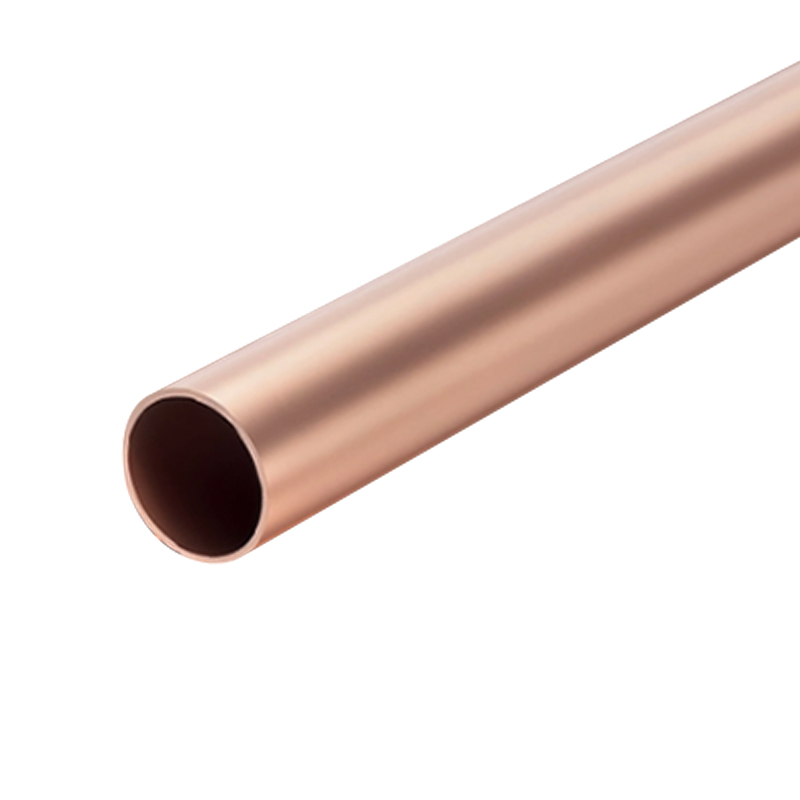
Copper Tube is made of high-purity copper material with a copper content of not less than 99.9%. The main material codes are T11050 and C12200(DHP), a...
See Details
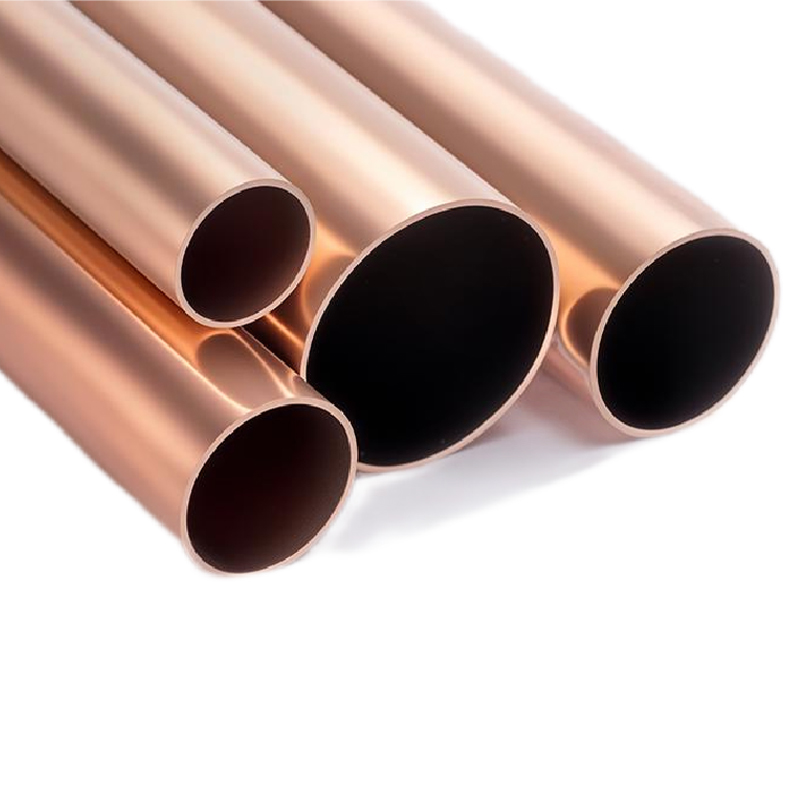
The Copper Water Tube produced by our company is a high-performance copper tube suitable for hot and cold water systems and heating applications. It h...
See Details
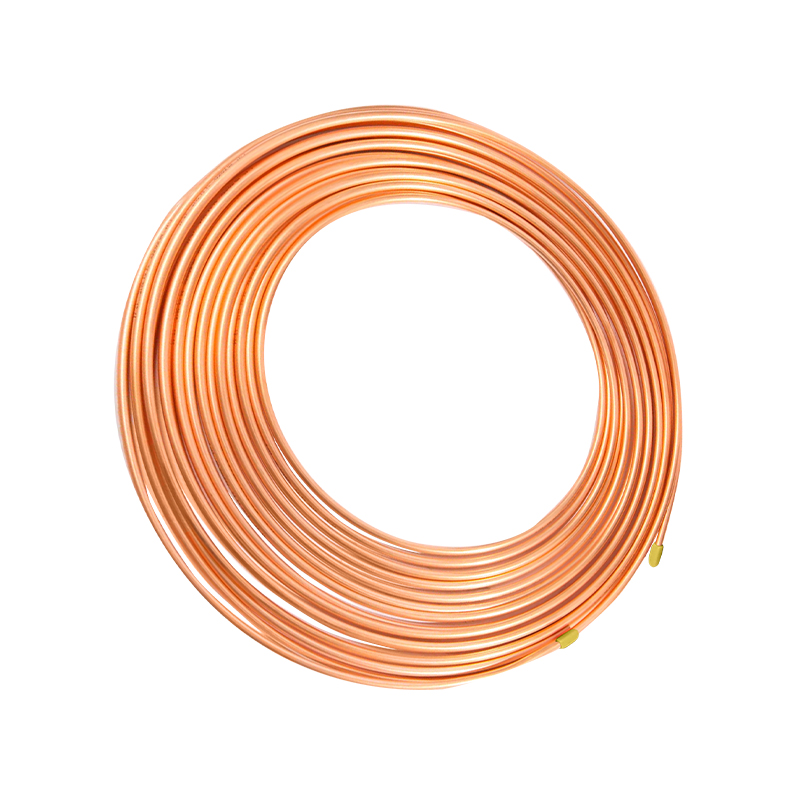
Copper capillary tube is usually manufactured by precision machining, and its dimensional accuracy can reach one thousandth of an inch. This ultra-hig...
See Details
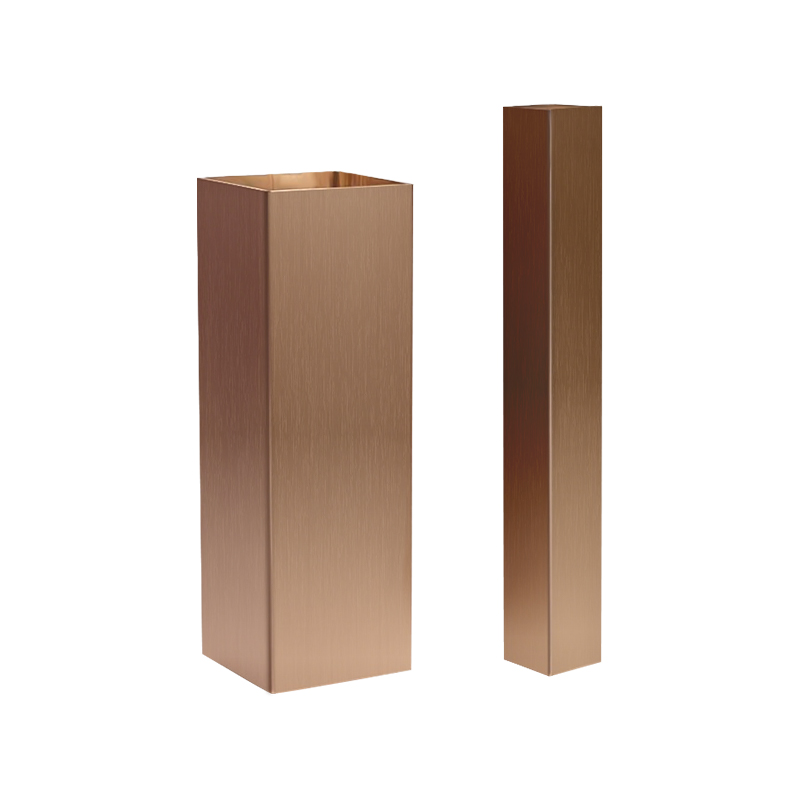
Copper square tube is a metal tube with a hollow square cross-section. It is made of high-purity copper or copper alloy materials through multiple pre...
See Details
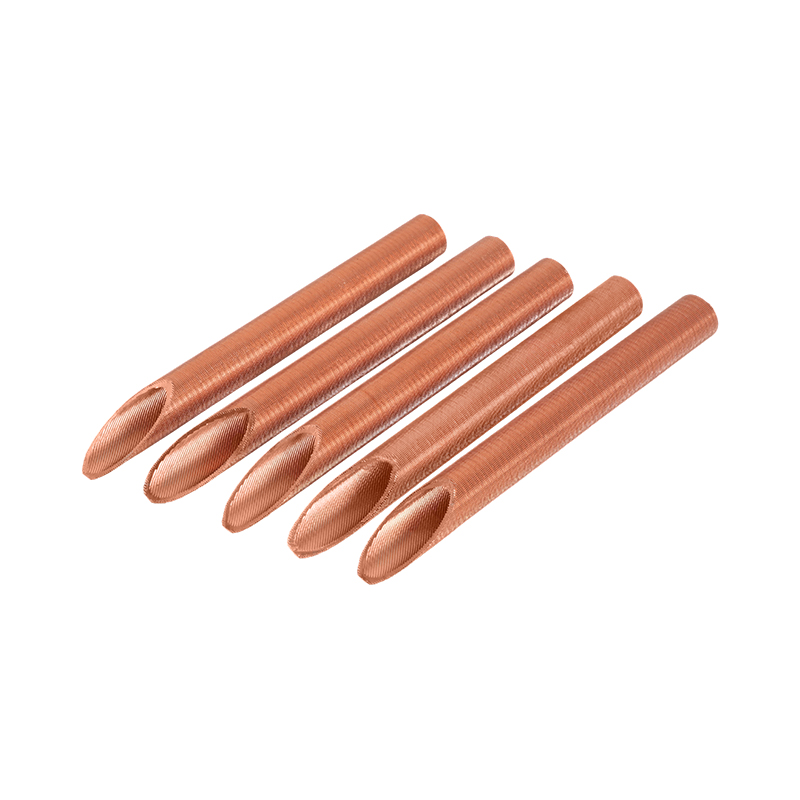
The condenser copper tube adopts a proprietary design independently developed by the company, and the ends of the fins are provided with radial and ax...
See Details