 English
 Español
 中文
News
Home / News / Industry News / How to Solder Copper Pipes and Fittings: A Practical Step-by-Step Guide
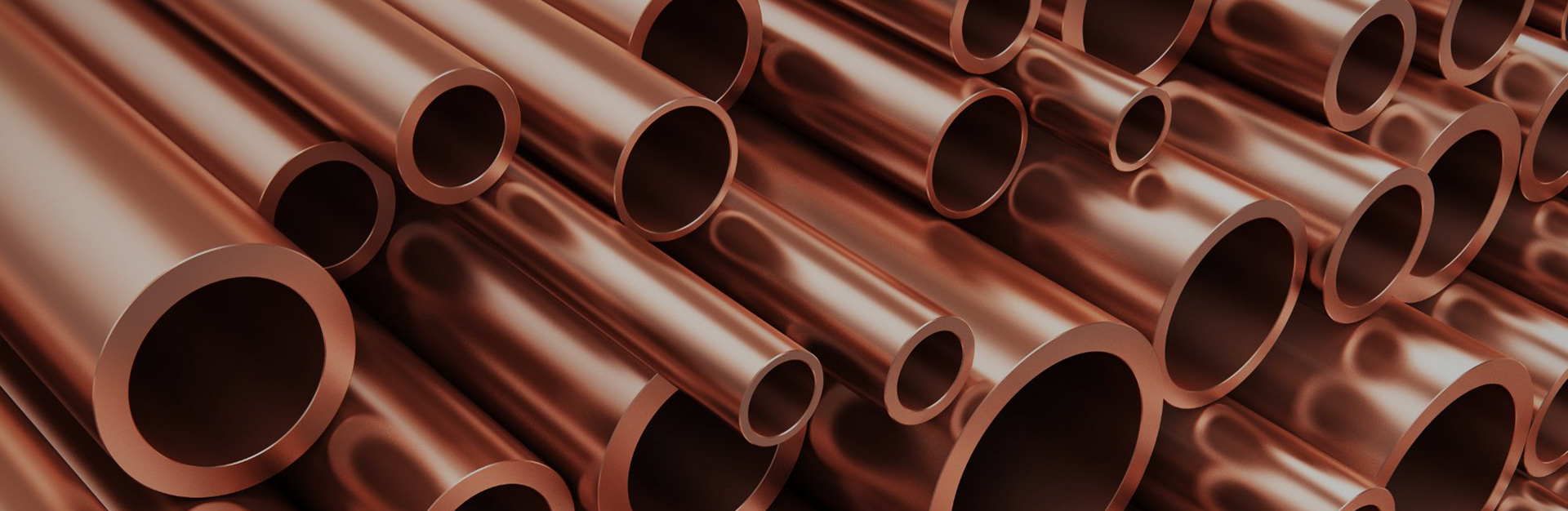
Soldering copper pipe looks simple until the torch is lit. A neat, leak-free joint comes from a handful of habits: clean metal, the right flux, even heat, and a little patience. As a copper tube manufacturer, we have seen plenty of joints fail for reasons that had nothing to do with the torch itself.
This guide walks through how to solder copper pipes and fittings for water, heating, and light refrigeration work. It covers the preparation, the flame, the cool-down, and the checks that matter most.
Not every copper tube is the same. Type L and Type M are common in water lines; Type L has a thicker wall and is often chosen where code or pressure demands it. Type M is lighter and common in lower-pressure residential work. Refrigeration and HVAC work may call for ACR tube, which is cleaned and capped at the factory. For potable water, use lead-free solder and a flux rated for potable water. Acid-based flux has its place in some trades, but it is not the right choice for drinking water lines.
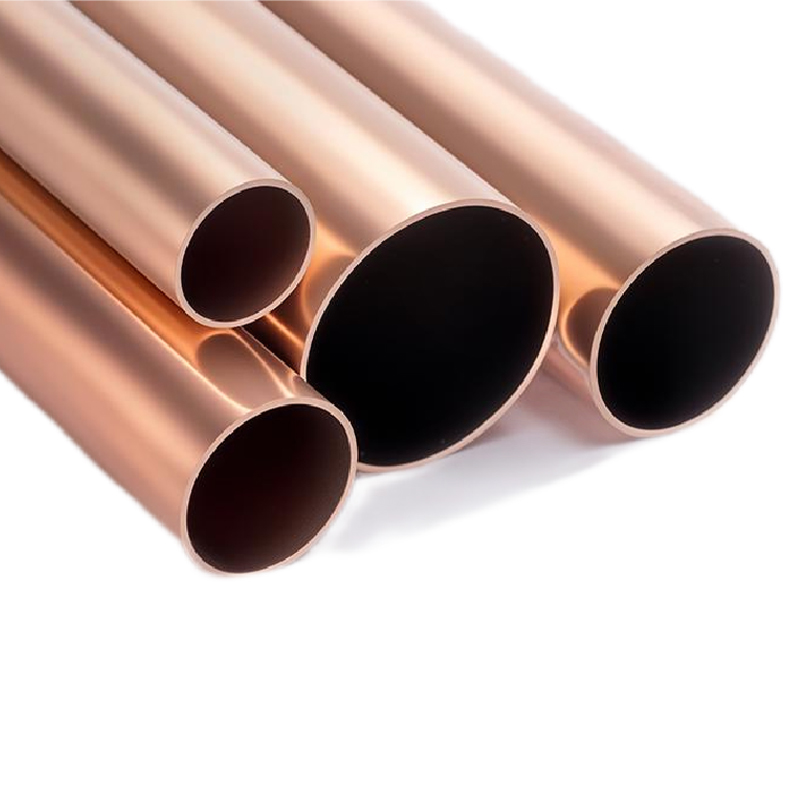 Copper Water Tube for Hot and Cold Water SystemsCopper tube intended for hot and cold water and heating systems, with customizable dimensions and standards; useful when choosing tube type and matching fittings.View Product →
If you need a hand matching a fitting to the tube, our copper fittings and connectors range is a good place to start. The main rule is simple: if the tube, fitting, or solder is not rated for the job, stop and get the right part.
Copper soldering is hot work. Work in a ventilated area, keep a fire extinguisher within reach, and use a heat shield near studs, insulation, or anything that can scorch. Wear eye protection and gloves. Drain water from the line and open a valve or fitting so steam can escape; trapped water turns to steam and can blow solder out of the joint. Never solder a closed, pressurized system.
The best joints are made before the flame appears. A square cut, a clean surface, and a thin film of flux do more for solder flow than a bigger torch.
Most failures come back to moisture, dirt, or too little heat. Use the table below as a quick diagnosis before you cut out a joint.
| Problem | Likely cause | What to do |
|---|---|---|
| Solder will not flow | Joint is too cold, dirty, or short of flux | Clean and re-flux, then heat the fitting body evenly |
| Solder balls up | Moisture, oxidation, or flame on the solder | Dry the line, clean to bright metal, and heat the fitting |
| Solder pulls away | Too much heat or burned flux | Cut out the joint and start fresh with a new fitting |
| Leak after testing | Too little solder or movement during cooling | Redo the joint; do not try to cap a leak with more solder |
| Green residue later | Flux left on the tube | Wash the joint with water and a soft brush after cooling |
Some jobs are better solved before the torch comes out. If you are building repeated assemblies, working in tight spaces, or dealing with a project where field soldering is risky, a brazed or pre-assembled copper tube section can save time and give a more consistent joint. For repairs in occupied buildings, press fittings or push-to-connect fittings may be code-approved and can avoid open flame. They are not a substitute for a proper soldered joint where solder is required, but they are worth asking about.
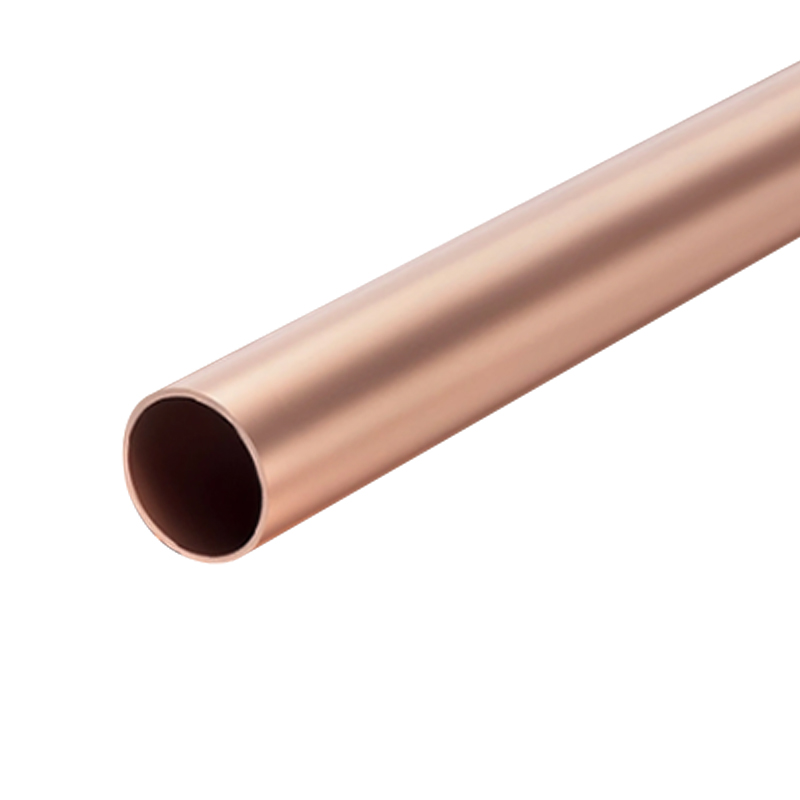 High-Purity Copper Tube for Water and RefrigerationHigh-purity copper tube with customizable dimensions and hardness, suitable for hot and cold water, medical gas, and refrigeration; supports forming and bending.View Product →
For larger projects, it also helps to standardize tube temper, length, and end finish. That is where a supplier who understands both the tube and the installation can make the specification stage easier.
Practice matters. Make a few sample joints on scrap tube before working on a live line. Keep your flame moving, keep the joint clean, and do not rush the cool-down. If you are sourcing copper tube for a plumbing, heating, or refrigeration project, our team can help match tube type, temper, and length to the job. You can also explore our plumbing copper solutions for a more complete view of the tube and fitting options.
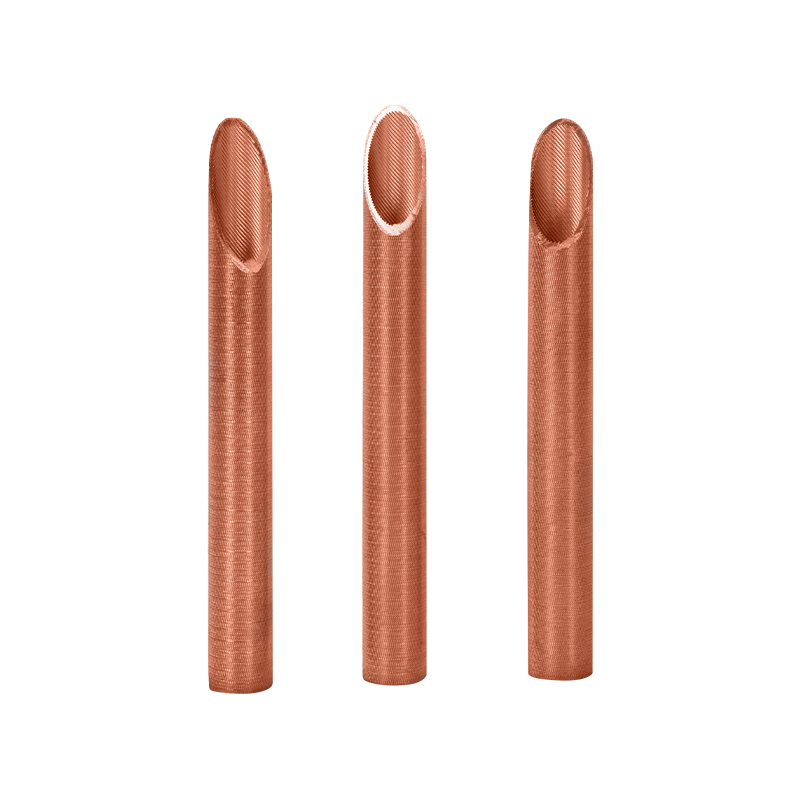
The copper evaporator tube adopts a unique fin design, and the external fins are equipped with specially designed interconnected channels, so that eac...
See Details
Copper Tube is made of high-purity copper material with a copper content of not less than 99.9%. The main material codes are T11050 and C12200(DHP), a...
See Details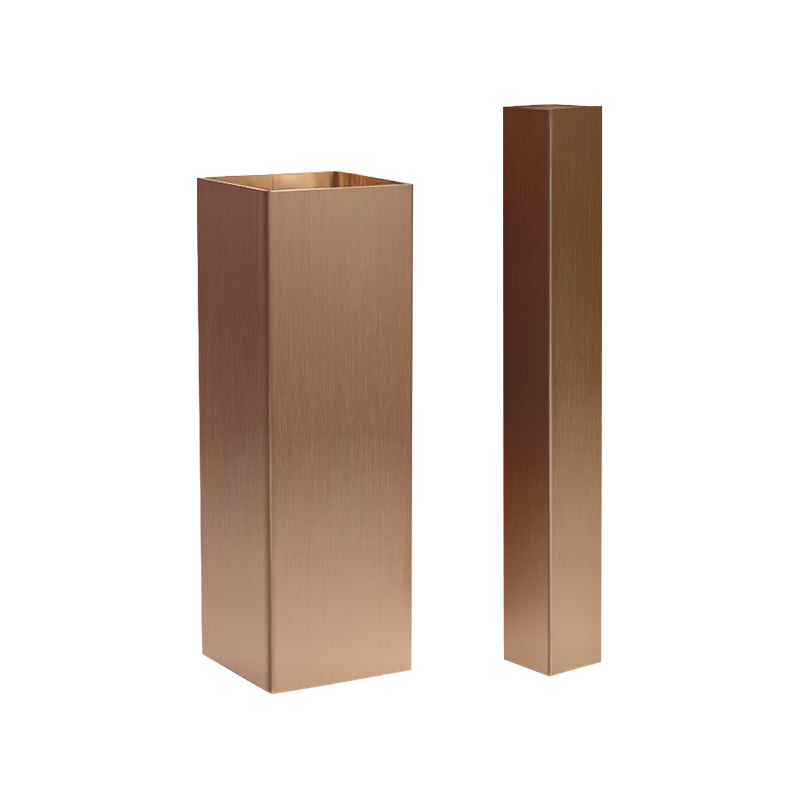
Copper square tube is a metal tube with a hollow square cross-section. It is made of high-purity copper or copper alloy materials through multiple pre...
See Details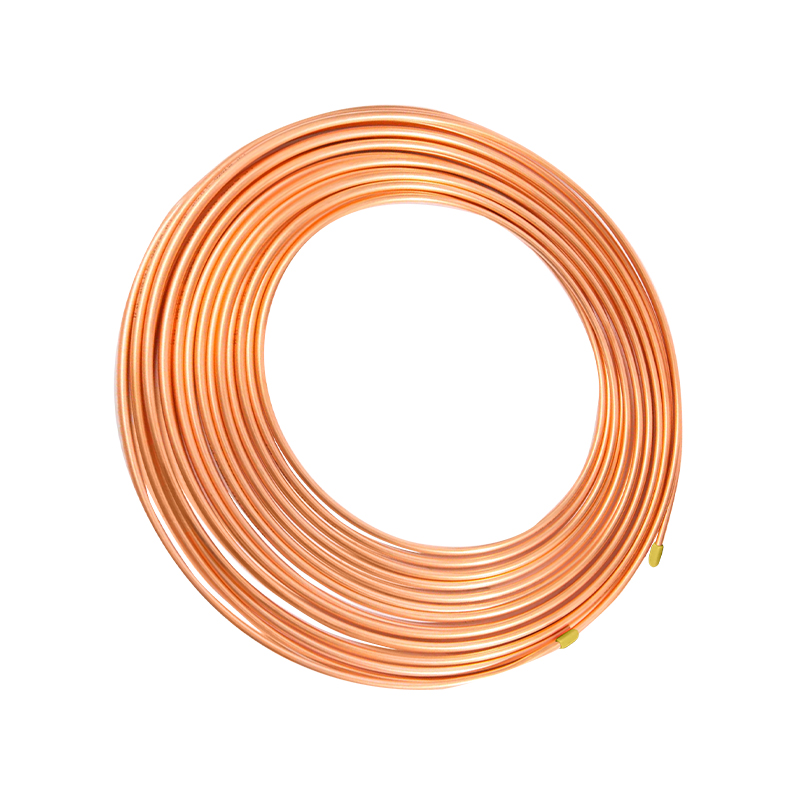
Copper capillary tube is usually manufactured by precision machining, and its dimensional accuracy can reach one thousandth of an inch. This ultra-hig...
See Details
The Copper Water Tube produced by our company is a high-performance copper tube suitable for hot and cold water systems and heating applications. It h...
See Details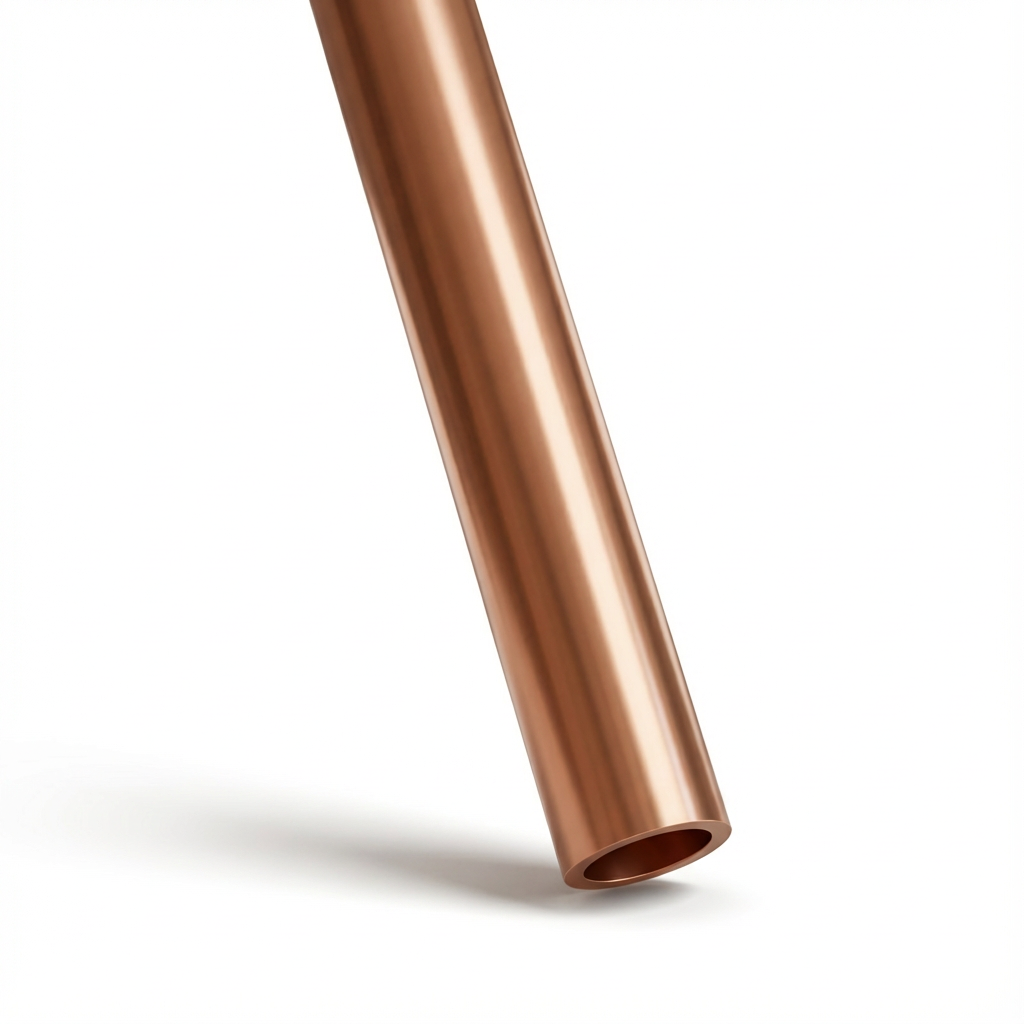
Standard refrigeration copper tube with an outer diameter of 12-28mm is made of high-quality TP2 copper (C12200/DHP), specifically designed for HVAC s...
See Details
 Tangpu Industrial Zone, Shangyu District, Shaoxing City, Zhejiang Province, China
 +86-13567501345
© Zhejiang Jingliang Copper-Tube Products Co., Ltd All rights reserved.

