Copper water pipe is measured by nominal diameter, not actual outer diameter. The most common sizes for residential plumbing are ½ inch, ¾ inch, and 1 inch nominal. For commercial and industrial applications, sizes range from ¼ inch up to 12 inches or larger. It is critical to understand that a "½-inch copper tube" does not have a ½-inch outer diameter — the actual OD is 0.625 inches (15.88 mm). This nominal sizing convention is universal across copper tube factories and plumbing standards worldwide.
The wall thickness — and therefore the inner diameter — varies by tube type (Type K, L, or M), which determines the application suitability and pressure rating of the pipe.
Understanding the difference between nominal size and actual dimensions is the first step to selecting the right copper water tube. The nominal size is a trade designation — a convenient reference number. The actual outer diameter (OD) is always ⅛ inch (3.175 mm) larger than the nominal size for most standard sizes. The inner diameter (ID) depends on the wall thickness defined by the tube type.
| Nominal Size (in) | Actual OD (in) | Type K ID (in) | Type L ID (in) | Type M ID (in) |
|---|---|---|---|---|
| ¼ | 0.375 | 0.305 | 0.315 | — |
| ½ | 0.625 | 0.527 | 0.545 | 0.569 |
| ¾ | 0.875 | 0.745 | 0.785 | 0.811 |
| 1 | 1.125 | 0.995 | 1.025 | 1.055 |
| 1¼ | 1.375 | 1.245 | 1.265 | 1.291 |
| 1½ | 1.625 | 1.481 | 1.505 | 1.527 |
| 2 | 2.125 | 1.959 | 1.985 | 2.009 |
The type designation of a copper water tube defines its wall thickness and, consequently, its working pressure capacity and intended application. Every reputable copper tube factory produces tubes in these standardized types, color-coded for easy identification in the field.
Type K has the thickest wall of all standard types and is color-coded green. It is used for underground water mains, service lines from the street to the building, and high-pressure applications. For a 1-inch nominal tube, the wall thickness is 0.065 inches, giving it a working pressure capacity exceeding 700 psi at room temperature.
Type L is color-coded blue and represents the most widely used copper water pipe in residential and commercial interior plumbing. Its wall thickness is moderate — 0.050 inches for 1-inch nominal — making it suitable for hot and cold supply lines, fire sprinkler systems, and HVAC applications. It balances cost efficiency with durability reliably.
Color-coded red, Type M has the thinnest wall among pressure-rated types — 0.035 inches for 1-inch nominal. It is permitted by most building codes for interior above-ground hot and cold water supply where pressures are moderate. It is the most economical option but is not suitable for underground burial or aggressive water chemistry environments.
Color-coded yellow, Type DWV (Drain, Waste, Vent) is not a pressure tube. It is used exclusively for gravity-drain systems, vents, and waste lines. Its wall is even thinner than Type M and it is not rated for pressurized water supply under any standard.
Selecting the correct pipe size depends on flow rate requirements, system pressure, and the number of fixtures served. Undersizing causes pressure drop and noise; oversizing wastes material cost. Here are the most common sizing guidelines used by professional plumbers:
As a practical rule, the International Plumbing Code (IPC) requires that flow velocity in copper water tube not exceed 8 feet per second (fps) for cold water and 5 fps for hot water to prevent erosion corrosion and noise.
Copper water tube is produced in two tempers: hard-drawn (rigid) and soft-drawn (flexible/annealed). Both are available from any established copper tube factory in the same type designations.
Sold in straight lengths of 10 or 20 feet, rigid copper is the standard choice for interior plumbing runs. It requires fewer supports than plastic pipe (support spacing: every 6–8 feet for ½–¾ inch; every 8–10 feet for 1 inch and above per most codes). Joints are made with sweat (solder), press-fit, or push-to-connect fittings.
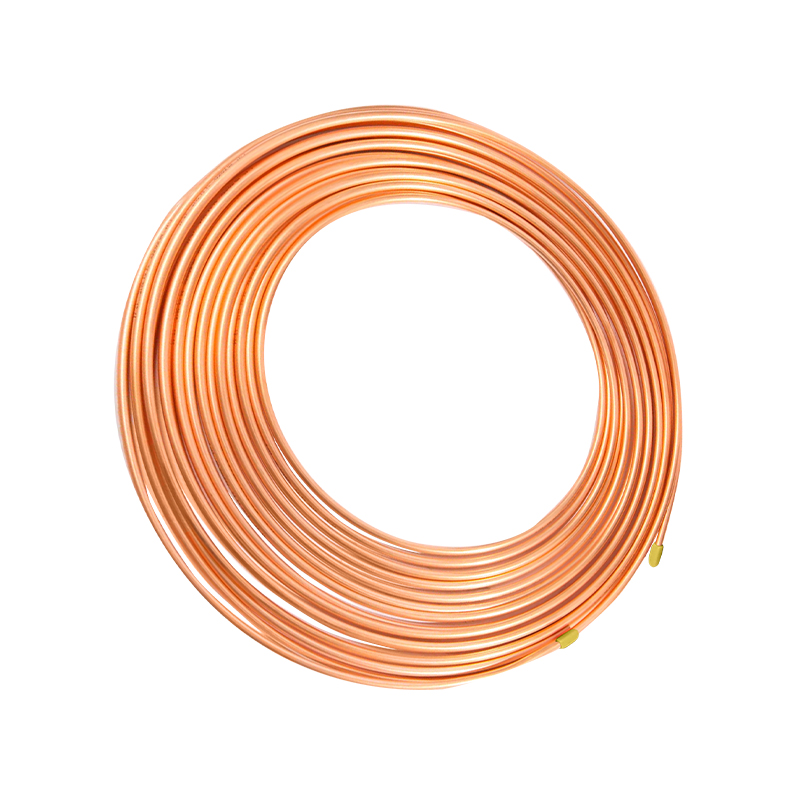
Sold in coils of 30, 60, or 100 feet, soft copper can be bent by hand with a tube bender, reducing the number of fittings needed. It is the preferred choice for underground service lines (Type K soft), refrigeration lines, and connections to water heaters or appliances where some flexibility is beneficial. Soft copper is more malleable but has slightly lower pressure ratings than the equivalent hard-drawn tube in the same type.
Whether sourcing from a domestic supplier or an overseas copper tube factory, the pipe must conform to recognized standards. The key standards are:
When importing copper tube from a factory abroad, always verify that the product carries the relevant standard marking and third-party certification. A reputable copper tube factory will provide mill test reports (MTRs) documenting the chemical composition (minimum 99.9% copper content for C12200 phosphorus-deoxidized copper) and mechanical property test results.
The manufacturing process at a modern copper tube factory directly determines the reliability of the final product. Understanding what a factory should offer helps buyers evaluate suppliers intelligently.
The base material for copper water tube is phosphorus-deoxidized copper (alloy C12200), with a copper content of 99.90% minimum and a phosphorus content of 0.015–0.040%. Phosphorus is critical — it eliminates oxygen that would otherwise cause hydrogen embrittlement during soldering. A factory that cannot confirm alloy composition through spectroscopic analysis is a red flag.
Quality copper water tube is manufactured by hot extrusion followed by cold drawing through dies to achieve precise dimensions. The seamless construction eliminates longitudinal weld seams, which are potential failure points. Factories producing welded tube for water applications should be avoided. Each drawing pass reduces the tube diameter and wall thickness incrementally, and intermediate annealing steps control grain structure and temper.
ASTM B88 specifies tight tolerances — for example, OD tolerance for drawn tube is ±0.001 inch for sizes up to ½ inch and ±0.0015 inch for larger sizes. The interior surface must be clean, smooth, and free from scale, pits, and drawing compounds that could contaminate potable water. A factory should perform 100% eddy current or hydrostatic pressure testing on finished tube.
Copper water pipe competes with CPVC, PEX, and galvanized steel in many applications. Understanding where copper outperforms alternatives helps justify material selection decisions.
| Property | Copper | PEX | CPVC | Galvanized Steel |
|---|---|---|---|---|
| Max Temperature | 250°F (121°C) | 180°F (82°C) | 200°F (93°C) | — |
| Lifespan | 50–100+ years | 25–40 years | 50+ years | 20–30 years |
| UV Resistance | Excellent | Poor | Poor | Excellent |
| Antimicrobial | Yes | No | No | No |
| Recyclability | 100% | Limited | Low | High |
| Material Cost | High | Low | Low–Medium | Medium |
Copper's natural antimicrobial properties are particularly valued in healthcare and food service facilities, where biofilm formation in water systems poses a genuine public health risk. Studies have shown that copper surfaces reduce bacterial contamination by over 99.9% within two hours of contact.
Even with premium-quality tube from a certified copper tube factory, improper installation leads to premature failure. The following are the most frequently observed errors:
Content
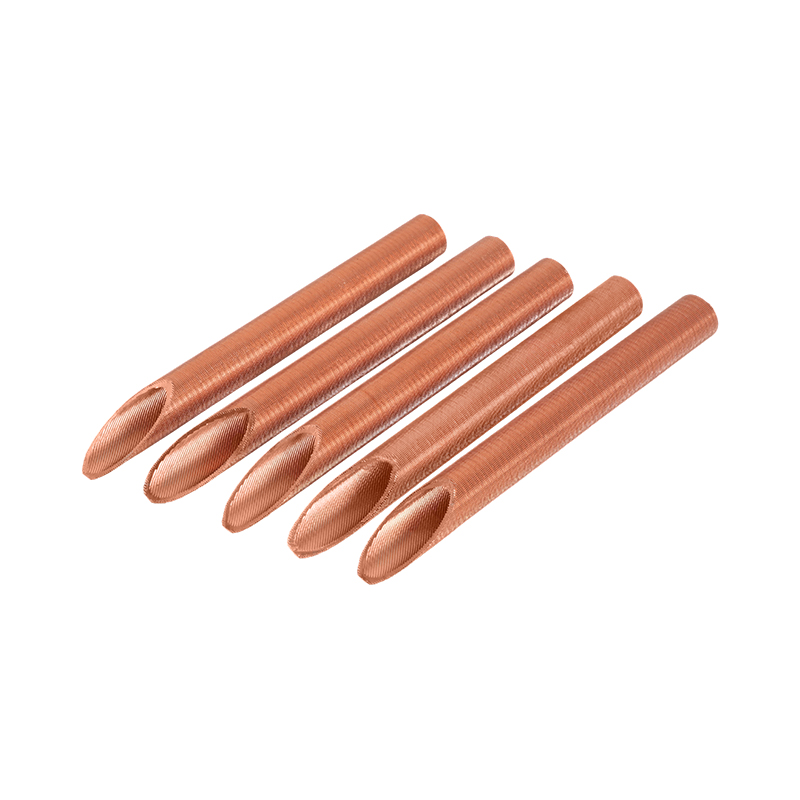
The copper evaporator tube adopts a unique fin design, and the external fins are equipped with specially designed interconnected channels, so that eac...
See Details
The Copper Water Tube produced by our company is a high-performance copper tube suitable for hot and cold water systems and heating applications. It h...
See Details
Copper Tube is made of high-purity copper material with a copper content of not less than 99.9%. The main material codes are T11050 and C12200(DHP), a...
See Details
Copper capillary tube is usually manufactured by precision machining, and its dimensional accuracy can reach one thousandth of an inch. This ultra-hig...
See Details
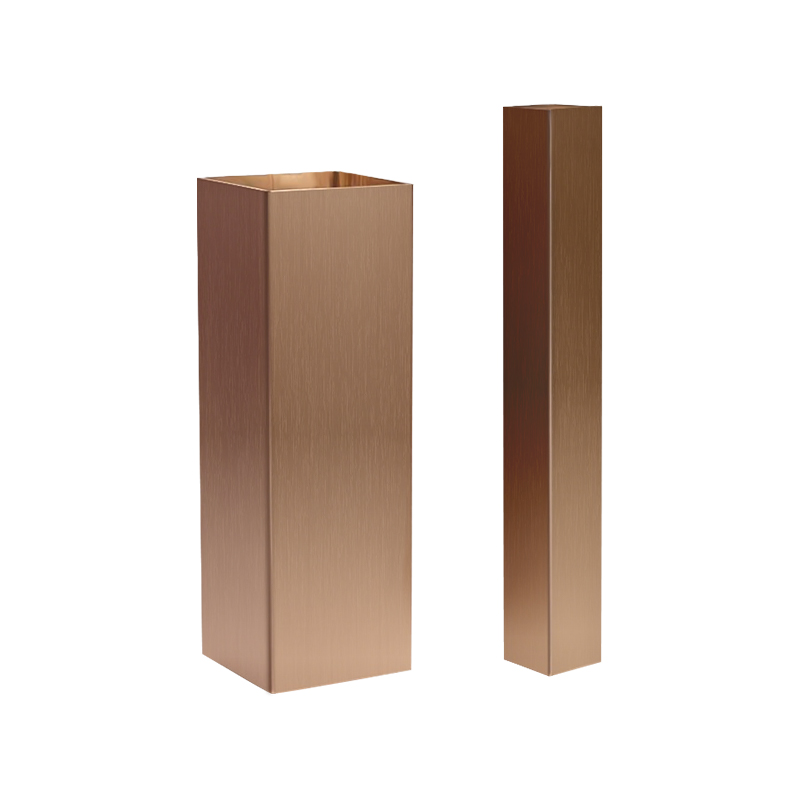
Copper square tube is a metal tube with a hollow square cross-section. It is made of high-purity copper or copper alloy materials through multiple pre...
See Details
The condenser copper tube adopts a proprietary design independently developed by the company, and the ends of the fins are provided with radial and ax...
See Details