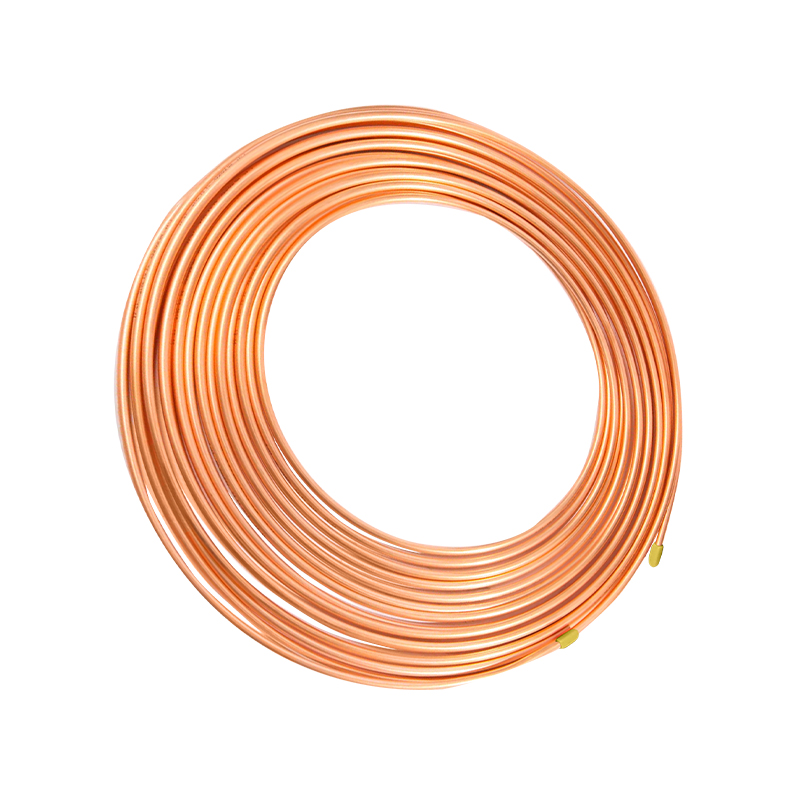
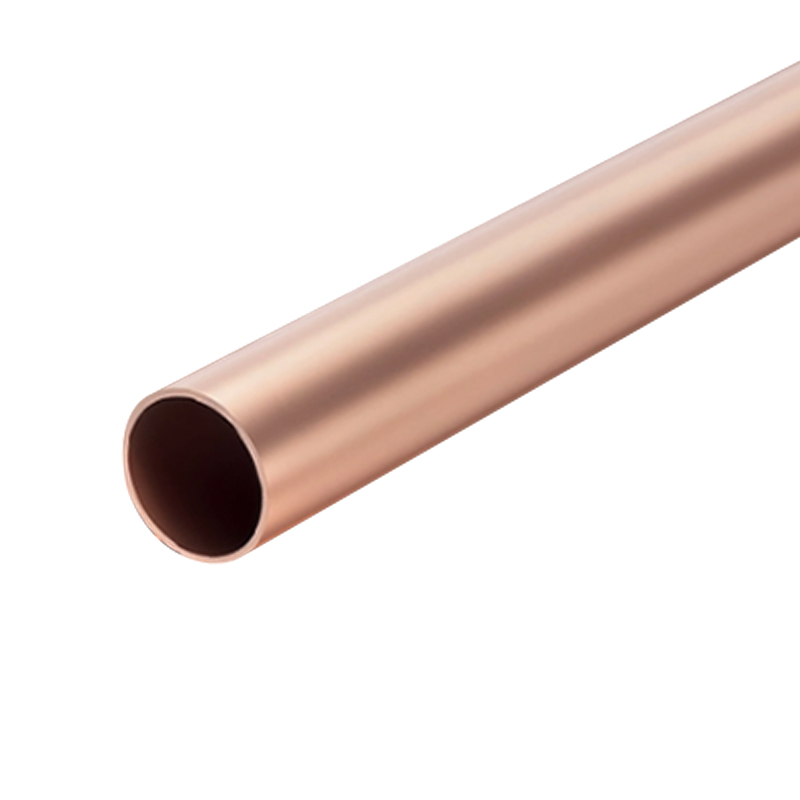
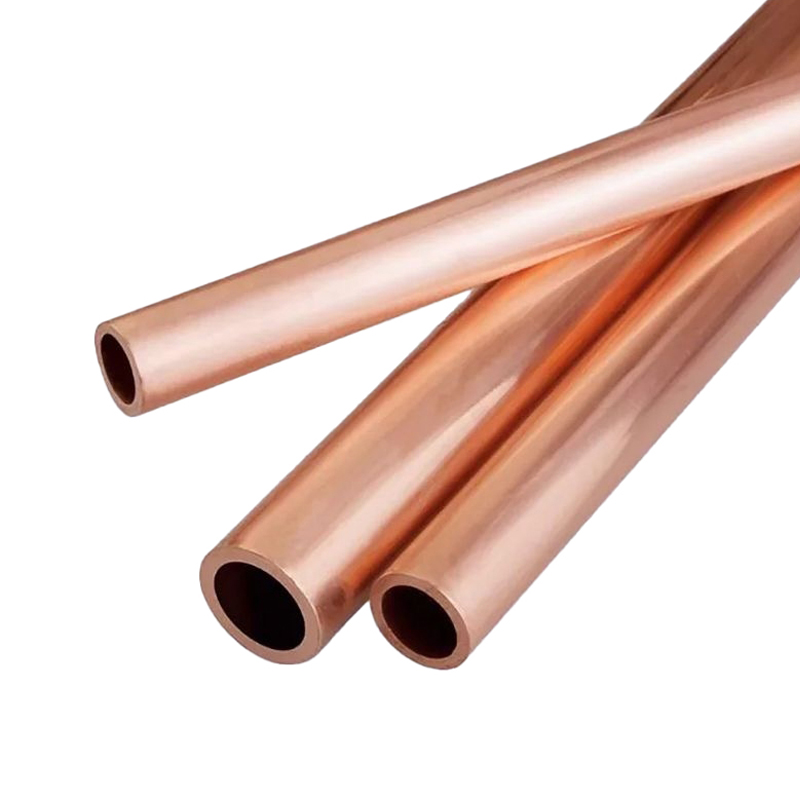
A reliable copper tube factory is one that operates under ISO 9001 quality management, tests every production batch against ASTM B88 or EN 1057 standards, and can document traceability from raw copper cathode to finished coil. If a supplier cannot provide mill test certificates, dimensional tolerance reports, and pressure-test records on request, that is a disqualifying red flag rather than a minor gap. The sections below explain how factories actually produce copper tube, which certifications matter, and what buyers should check before placing an order.
Copper tube production begins with 99.9% pure copper cathode, which is melted at roughly 1,085°C and cast into a continuous billet using an up-cast or horizontal continuous casting process. The billet is then hot-extruded into a hollow shell before moving through a series of cold-drawing passes that reduce wall thickness and outer diameter to precise final dimensions.
Between each drawing pass, tube walls can thin unevenly if die alignment drifts, which is why leading factories run automated laser micrometers at line speed rather than relying on periodic manual sampling. A factory that checks wall thickness only once per coil is statistically far more likely to ship out-of-tolerance material than one that checks continuously.
Copper tube quality is governed by a small set of internationally recognized standards, and the specific standard a factory certifies to determines which markets it can legally supply. ASTM B88 is the primary standard for plumbing tube in North America, while EN 1057 governs the European market and GB/T 18033 applies in China.
| Standard | Region | Typical Use | Wall Tolerance |
|---|---|---|---|
| ASTM B88 | North America | Plumbing, HVAC | ±0.0015 in |
| EN 1057 | European Union | Water, heating | ±0.04 mm |
| GB/T 18033 | China | Plumbing, refrigeration | ±0.05 mm |
| JIS H3300 | Japan | HVAC, refrigeration | ±0.05 mm |
Beyond dimensional standards, a factory's hydrostatic pressure test results matter just as much. Type L copper tube, for example, should withstand a minimum burst pressure well above its rated working pressure before failure — reputable mills publish these figures in their technical data sheets rather than making buyers ask for them.
Not every copper tube factory produces the same product mix. Wall thickness classification (Type K, L, M) and temper (hard-drawn vs. soft/annealed) determine which applications a given tube is suited for.
| Type | Wall Thickness | Typical Application |
|---|---|---|
| Type K | Thickest | Underground service lines, high-pressure systems |
| Type L | Medium | Interior plumbing, solar and HVAC systems |
| Type M | Thinnest | Low-pressure interior water lines |
| ACR Tube | Varies | Refrigeration, air conditioning coils |
ACR (air conditioning and refrigeration) tube requires an internally cleaned and nitrogen-purged bore, since even trace oil or oxide film can contaminate a sealed refrigerant loop. Factories that supply the HVAC industry typically run a dedicated cleaning line separate from plumbing tube production to avoid cross-contamination.
Copper tube pricing is driven primarily by the London Metal Exchange (LME) copper price, which typically accounts for 70–85% of the final tube cost. The remaining share comes from conversion cost — the factory's labor, energy, and processing margin — which is where suppliers actually differentiate on price.
Buyers comparing quotes should always ask for a price breakdown separating LME base cost from conversion premium, since a factory quoting a suspiciously low total price is more likely cutting corners on conversion quality than genuinely beating the market on raw copper.
A structured evaluation reduces the risk of receiving out-of-spec tube or facing delivery delays. The checklist below reflects the criteria most procurement teams use when qualifying a new supplier.
Factories that hesitate to share MTCs or production capacity figures are typically either newer operations without established QC systems or traders repackaging tube from multiple unverified sources. A genuine manufacturer will have this documentation ready within one business day because it is generated automatically as part of routine production.
Understanding what typically goes wrong in copper tube production helps buyers ask more targeted questions during factory audits.
| Defect | Likely Cause | Detection Method |
|---|---|---|
| Uneven wall thickness | Die misalignment during drawing | Laser micrometer, cross-section sampling |
| Internal oxide scale | Poor atmosphere control during annealing | Bore inspection, cleanliness swab test |
| Surface pitting | Contaminated drawing lubricant | Visual and magnified surface inspection |
| Pinhole leaks | Cast billet porosity carried through drawing | Hydrostatic or pneumatic pressure test |
Pinhole leaks are the most costly defect to discover after installation, which is why 100% pressure testing at the factory — not statistical sampling — is the standard most reputable mills follow for pressure-rated tube.
MOQs vary widely by factory, but most industrial mills set minimums between 1 and 5 metric tons for custom sizes, while stock sizes may be available in smaller quantities through distributors rather than directly from the factory.
Standard sizes in stock can ship within days, but custom diameters, tempers, or coatings typically require 4 to 8 weeks depending on the factory's current order backlog and casting schedule.
Many factories offer PVC or polyethylene coating and pre-insulated tube as an in-line or secondary process, particularly for refrigeration and split air-conditioning applications where the coating protects against corrosion during and after installation.
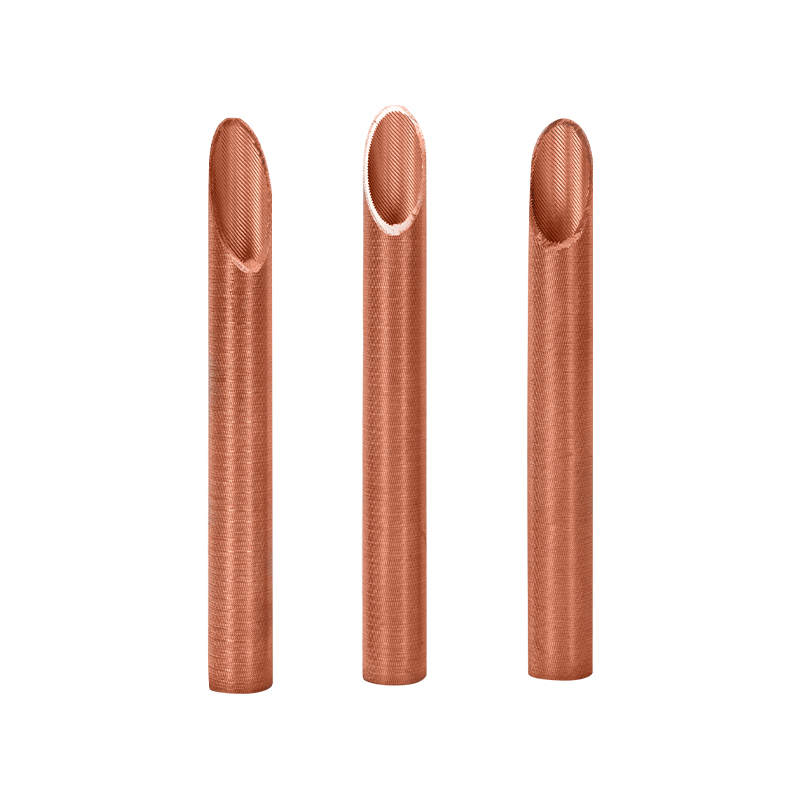
The copper evaporator tube adopts a unique fin design, and the external fins are equipped with specially designed interconnected channels, so that eac...
See Details
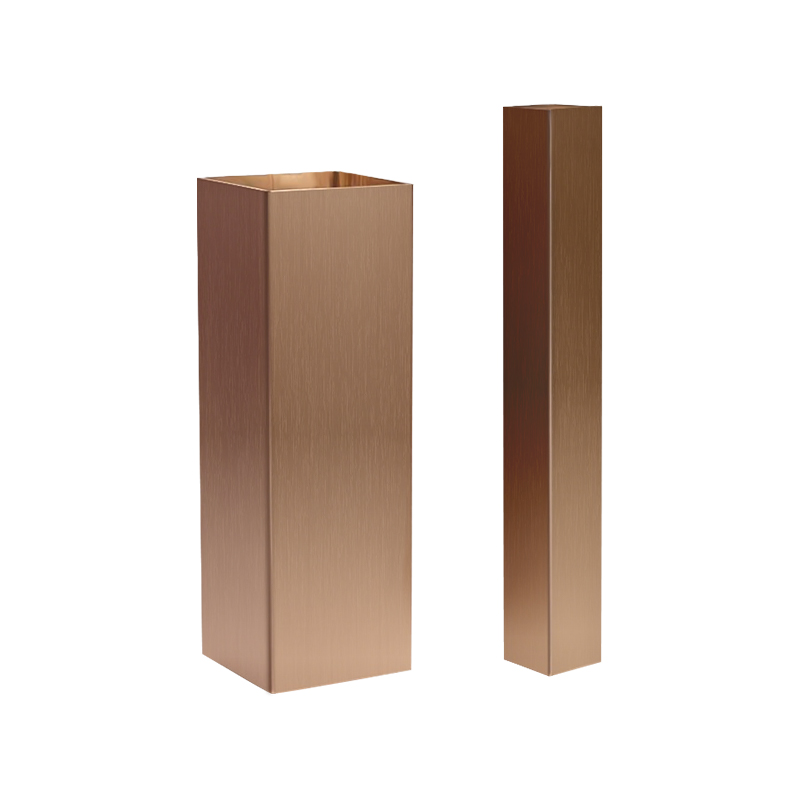
Copper square tube is a metal tube with a hollow square cross-section. It is made of high-purity copper or copper alloy materials through multiple pre...
See Details
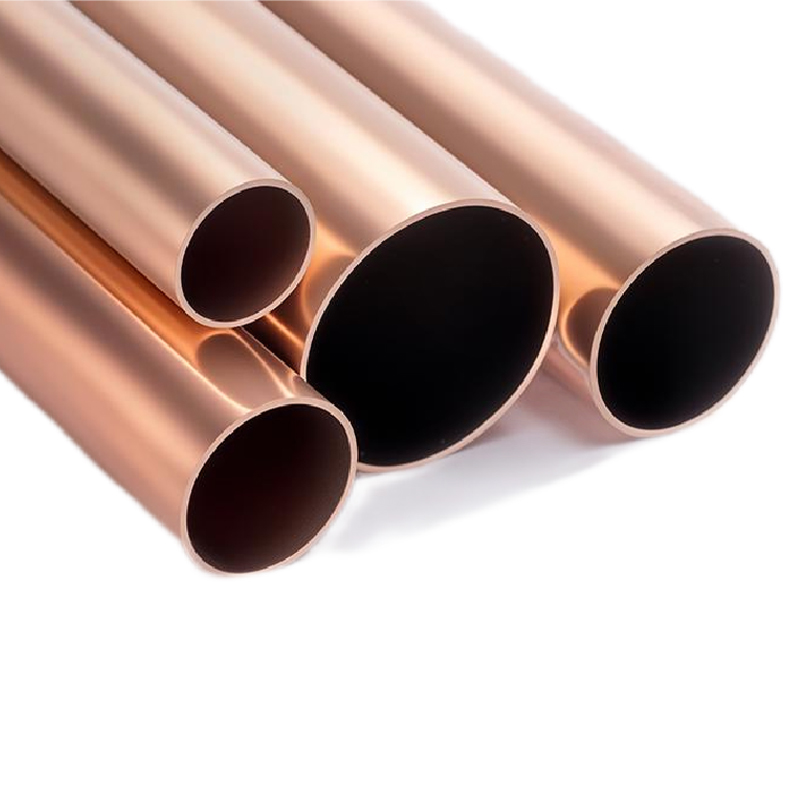
The Copper Water Tube produced by our company is a high-performance copper tube suitable for hot and cold water systems and heating applications. It h...
See Details
Copper capillary tube is usually manufactured by precision machining, and its dimensional accuracy can reach one thousandth of an inch. This ultra-hig...
See Details
Copper Tube is made of high-purity copper material with a copper content of not less than 99.9%. The main material codes are T11050 and C12200(DHP), a...
See Details
Thick-walled copper tubes are also called seamless thick-walled copper tubes. Thick-walled copper tubes are manufactured by a hot extrusion process, w...
See Details