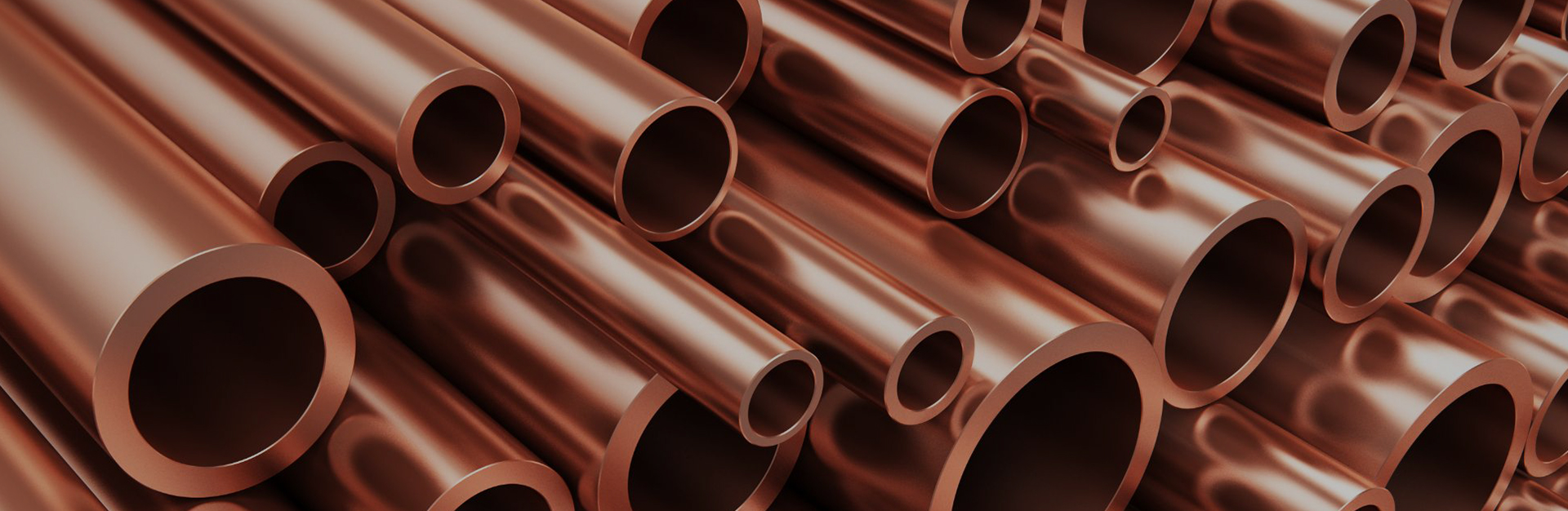
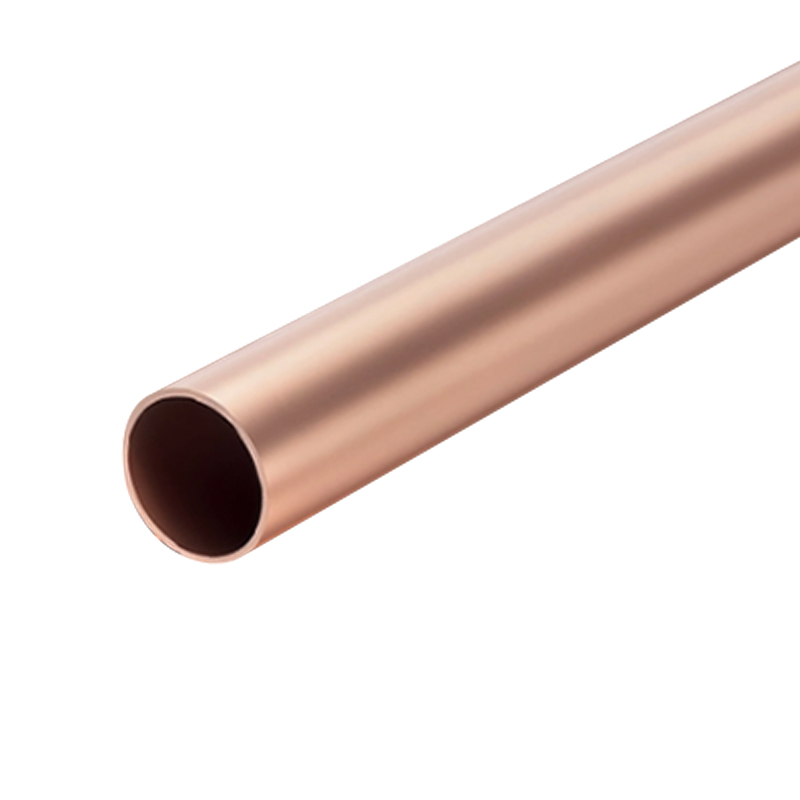
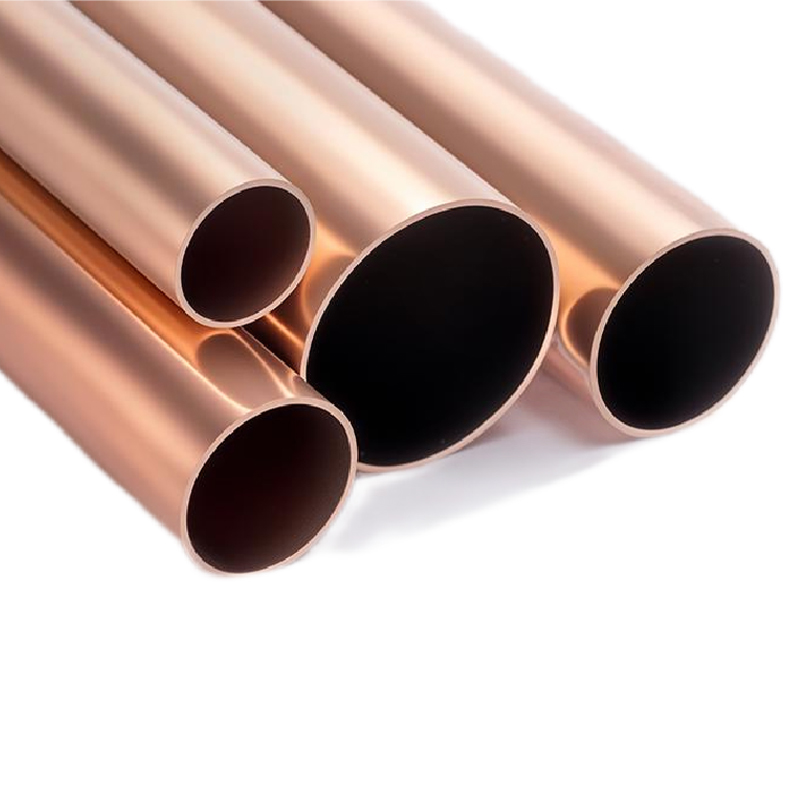
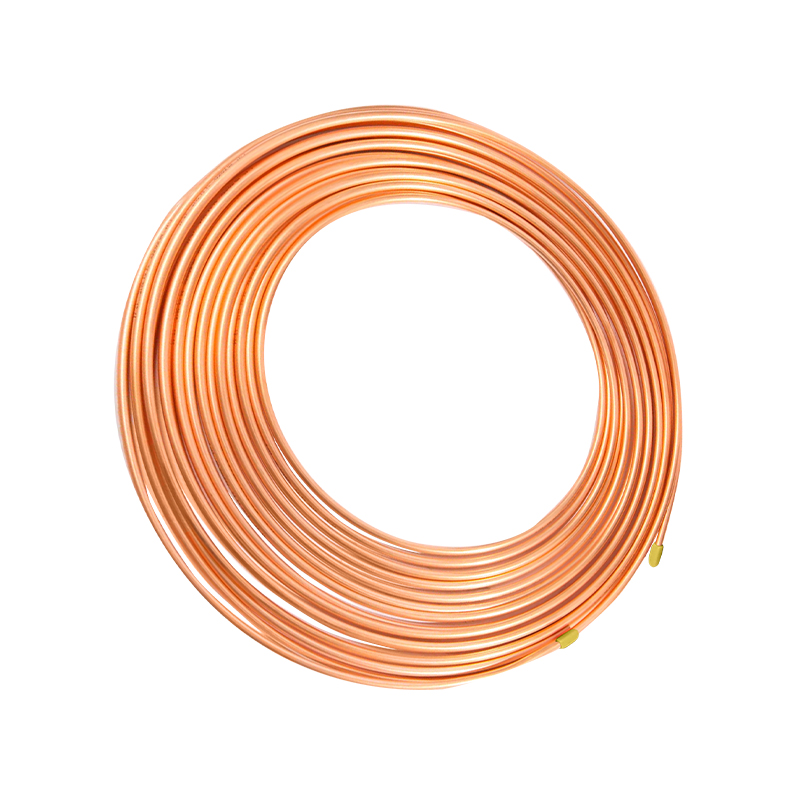
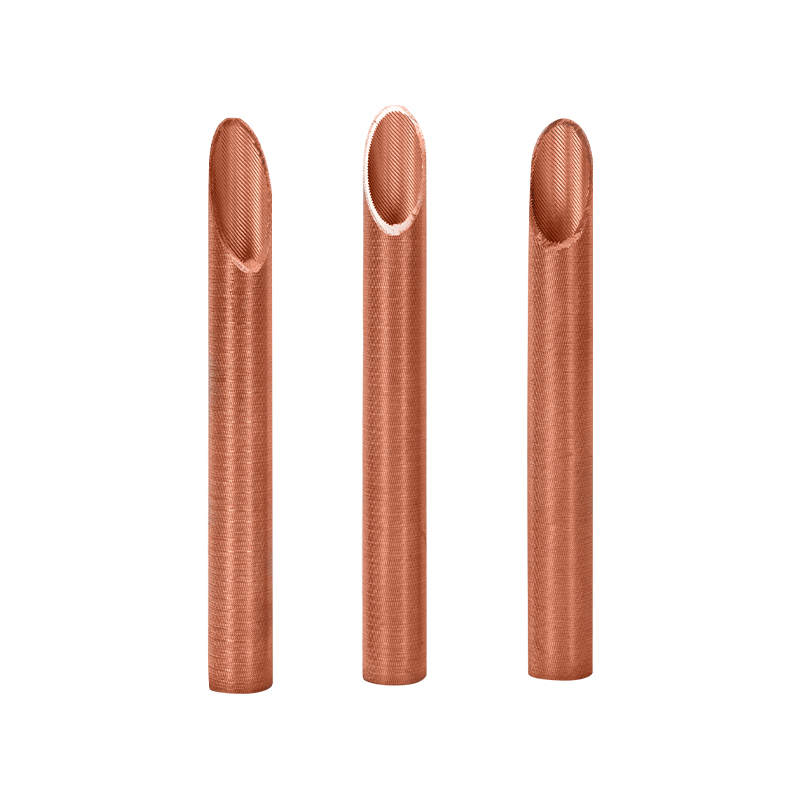
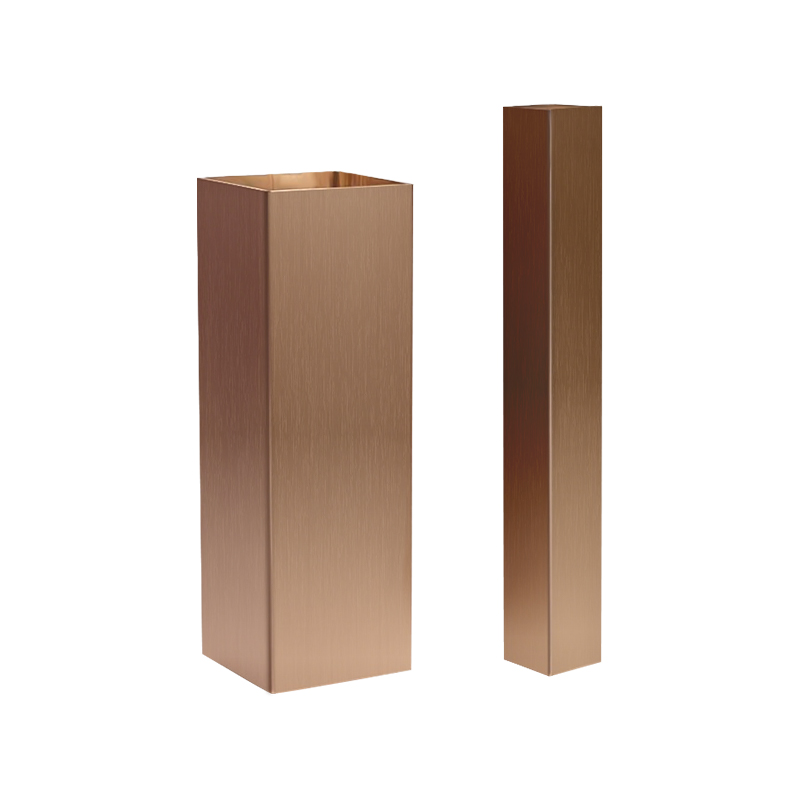
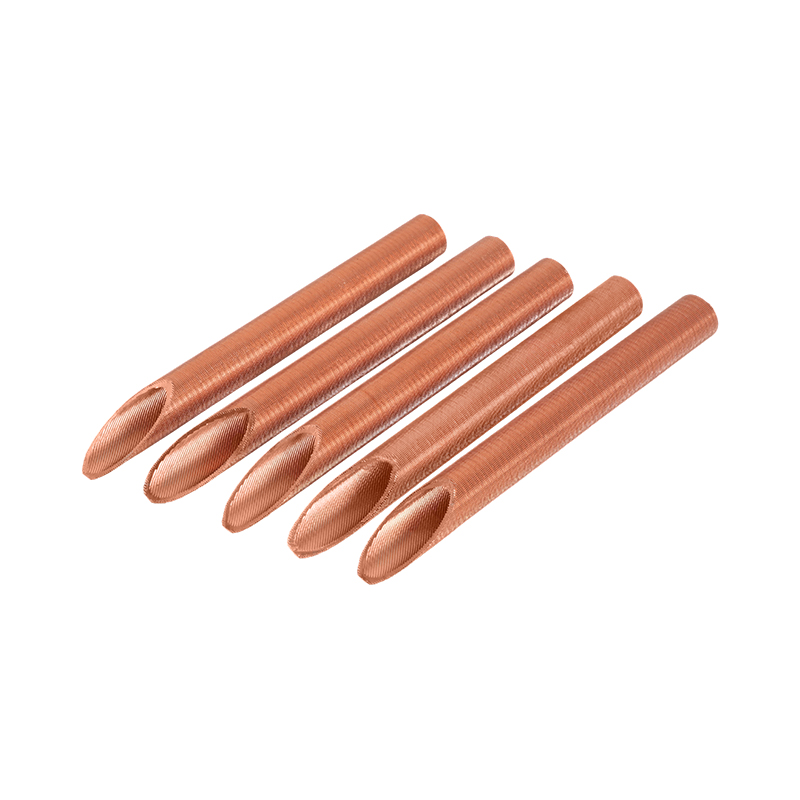
Copper tube is made through a multi-stage industrial process that begins with refined copper billets and ends with precisely dimensioned, seamless or welded tubes ready for plumbing, HVAC, refrigeration, and industrial use. The core steps are melting, casting, extrusion or piercing, drawing, annealing, and finishing — each stage tightly controlled to meet international standards such as ASTM B88, EN 1057, or GB/T 18033.
Understanding how copper tube is manufactured helps buyers evaluate quality, choose the right supplier, and specify the correct tube type for their application. This article breaks down every major stage of copper tube production, with real process data and factory-level detail.
The starting point for any copper tube factory is high-purity copper. Most manufacturers use electrolytic tough pitch (ETP) copper (C11000), which contains a minimum of 99.9% copper. Some specialized tubes — particularly for medical gas or semiconductor applications — require oxygen-free copper (OFE, C10200) with purity above 99.99%.
Raw copper arrives at the factory either as:
Copper is one of the most recycled industrial metals in the world. Over 30% of global copper supply comes from recycled scrap, and many tube factories blend virgin and recycled copper while still meeting purity requirements for standard tube grades.
The first production step in a copper tube factory is melting the raw copper in a channel induction furnace or coreless induction furnace at temperatures between 1,083°C and 1,150°C (the melting point of pure copper is 1,083°C). The molten copper is held and degassed to remove dissolved oxygen and hydrogen, which would otherwise cause porosity defects in the final tube.
The refined melt is then cast into billets or hollow shells using one of two primary methods:
The resulting billet — typically 80mm to 300mm in diameter and 500mm to 3,000mm long — is surface-scalped by a lathe to remove surface oxides and casting skin before the next stage.
This is where the solid billet is converted into a hollow tube shell. There are two dominant methods used across copper tube factories:
The billet is heated to approximately 800°C to 900°C and placed in a hydraulic extrusion press. A mandrel pierces the center while the copper is forced through a die, producing a thick-walled hollow shell called a mother tube or extrusion shell. Extrusion presses in copper tube production typically operate at forces between 10 MN and 50 MN. Extrusion ratios (the ratio of billet cross-section to tube cross-section) commonly range from 20:1 to 80:1.
Used for larger diameter seamless tubes, this method involves feeding a heated solid billet between two angled rolls. The rolls create internal stresses that open a central cavity, which is then shaped by a piercing plug. This process is more common in steel tube production but is also applied in some copper tube factories for large-OD products.
After extrusion or piercing, the tube shell has rough dimensional tolerances and a relatively thick wall — it must be drawn down to final dimensions in subsequent steps.
Cold drawing is the most critical dimensional control stage in copper tube manufacturing. The extruded shell is pulled through a series of progressively smaller dies — each pass reducing the outer diameter and wall thickness while increasing the tube's length and improving surface finish.
Each cold draw pass typically reduces the cross-sectional area by 20% to 45%. Multiple draw passes are required to reach the final specification. A tube starting as a 60mm OD shell might be drawn through 4 to 8 passes to reach a final 15mm OD with a 1mm wall thickness.
Two main drawing techniques are used:
Drawing speeds in modern copper tube factories reach 100 to 400 m/min on bull block (coil) machines for small-diameter tubes. Lubricants (typically oil-based or emulsion-type) are applied at the die entry to reduce friction and die wear.
Cold drawing work-hardens the copper, making it stiffer and more brittle with each pass. Annealing — controlled heat treatment — is applied between drawing passes and/or after final drawing to restore ductility and achieve the required temper designation.
Common annealing methods in copper tube factories include:
| Temper | Designation | Condition | Typical Use |
|---|---|---|---|
| Soft / Annealed | O60 | Fully annealed, bendable | Plumbing coils, refrigeration |
| Half-Hard | H55 | Partially work-hardened | General plumbing straight lengths |
| Hard / Drawn | H80 | Full work-hardened, rigid | HVAC, structural applications |
After final drawing and annealing, tubes undergo mechanical straightening on a roller straightener to meet bow and straightness tolerances (typically ≤1.5mm per meter under ASTM B88). Coiled product is wound onto spools or formed into pancake coils — standard coil lengths range from 15 meters to 50 meters for residential plumbing tube.
Straight lengths are cut to standard sizes (commonly 3m, 4m, 5m, or 6m) using rotary cut-off machines that leave clean, burr-free ends. Some copper tube factories offer deburring and end-chamfering as standard, particularly for tube supplied to press-fit or push-fit fitting systems.
Surface finishing options available at the factory level include:
A reputable copper tube factory subjects every production batch to a rigorous quality assurance protocol before shipment. Key tests include:
Factories certified to ISO 9001 maintain full traceability from raw material heat number to finished tube lot. Leading manufacturers also hold product certifications such as NSF/ANSI 61 (for drinking water), EN 1057 (European plumbing), or DEWA/WRAS approvals for specific markets.
Not all copper tube is seamless. While seamless copper tube — produced by the extrusion/drawing process described above — dominates most plumbing, HVAC, and refrigeration markets, welded copper tube is also manufactured for specific applications.
| Feature | Seamless | Welded (ERW) |
|---|---|---|
| Starting material | Cast billet | Copper strip/sheet |
| Weld seam | None | Present (continuous weld) |
| Pressure rating | Higher | Moderate |
| Dimensional range | Wide (3mm to 300mm+) | Typically ≤50mm OD |
| Cost | Higher | Lower |
| Common applications | Plumbing, ACR, medical gas | Heat exchangers, decorative |
Welded copper tube is formed by feeding a copper strip through a series of forming rolls that gradually shape it into a round cross-section, then resistance-welding or TIG-welding the seam. After welding, the tube is typically drawn cold to improve dimensional accuracy and seam integrity.
Modern copper tube factories produce a wide range of specialized tube types beyond plain round tube. These include:
When sourcing from a copper tube factory — whether domestic or overseas — the following indicators distinguish a high-quality manufacturer from a low-cost but unreliable one:
Content
Copper Tube is made of high-purity copper material with a copper content of not less than 99.9%. The main material codes are T11050 and C12200(DHP), a...
See Details
The Copper Water Tube produced by our company is a high-performance copper tube suitable for hot and cold water systems and heating applications. It h...
See Details
Copper capillary tube is usually manufactured by precision machining, and its dimensional accuracy can reach one thousandth of an inch. This ultra-hig...
See Details
The copper evaporator tube adopts a unique fin design, and the external fins are equipped with specially designed interconnected channels, so that eac...
See Details
Copper square tube is a metal tube with a hollow square cross-section. It is made of high-purity copper or copper alloy materials through multiple pre...
See Details
The condenser copper tube adopts a proprietary design independently developed by the company, and the ends of the fins are provided with radial and ax...
See Details